If you own or care for a miniature horse, understanding its gestation period is key to ensuring a healthy pregnancy and foal. You might wonder how long your tiny horse will carry its baby and what signs to watch for along the way.
Knowing this information can help you prepare and avoid surprises when the big moment arrives. Keep reading to discover everything you need to know about the gestation period for miniature horses and how it affects your care routine.
:strip_icc()/pregnancy-in-horses-1885935_FINAL-5bb7bb4c46e0fb0026de573e.png)
Credit: www.thesprucepets.com
Miniature Horse Basics
Miniature horses are a special type of horse known for their small size and gentle nature. They have a rich history and unique traits that make them popular as pets and show animals. Understanding their basic features helps in caring for them properly.
These horses are not just small ponies. They have distinct breed standards and characteristics. Learning about their size and weight gives insight into their health and needs.
Breed Characteristics
Miniature horses have a refined and elegant look. Their heads are small with wide-set eyes. They often have a straight or slightly curved profile. Their necks are arched, and their bodies are well-proportioned.
They come in many colors, including black, white, brown, and spotted patterns. Their temperament is calm and friendly, making them great companions. These horses are intelligent and easy to train.
Size And Weight
Miniature horses usually stand under 34 inches tall at the withers. This height limit separates them from ponies. Their weight ranges from 150 to 350 pounds, depending on build and diet.
Despite their small size, they are strong and sturdy. Proper care keeps them healthy and active. Their size also means they need less food than larger horses but still require balanced nutrition.
Gestation Length
The gestation length is the time a miniature horse carries its foal before birth. It is a key part of the horse’s pregnancy. Knowing this length helps owners prepare for the foal’s arrival. It also supports the health of both mare and foal.
Miniature horses have a gestation period that is similar to regular horses but with slight differences. The duration can vary based on many factors. Understanding these helps provide better care during pregnancy.
Average Duration
The average gestation length for miniature horses is about 320 to 340 days. This is roughly 10 to 11 months. Most mares give birth near this range. It allows the foal to develop fully before birth.
Breeders often watch the mare closely as the due date nears. This helps spot any signs of early or late labor. Proper care during this time supports a healthy delivery.
Variations By Individual
Gestation length can vary from one mare to another. Some may carry their foals for a few days less or more than average. Factors like age, health, and genetics affect this.
Stress and environmental conditions also play a role. A mare under stress may have a shorter or longer pregnancy. Each pregnancy is unique and needs individual attention.
Regular veterinary check-ups help track the mare’s progress. They ensure any unusual changes in gestation length are managed safely.
Signs Of Pregnancy
Recognizing the signs of pregnancy in miniature horses helps owners provide proper care. Early detection supports a healthy gestation period. Knowing what to expect makes the process less stressful.
Early Indicators
Miniature horses may show subtle signs soon after conception. Mood changes are common, with mares becoming calm or shy. Appetite may increase or decrease slightly. Some mares may show mild swelling in the vulva. A slight temperature rise can also occur. These early signs hint that pregnancy has begun.
Physical Changes
Physical changes become clearer as pregnancy progresses. The mare’s belly will start to grow noticeably. Her udder swells and fills with milk near the end. The teats may darken and enlarge. You might see a relaxed ligament near the tail base. These changes show the mare is preparing for foaling. Careful observation helps confirm pregnancy and guides proper care.

Credit: www.lilbeginnings.com
Care During Pregnancy
Caring for a pregnant miniature horse requires attention and gentle care. Pregnancy lasts about 11 months. The mare’s health affects the foal’s health. Proper care helps ensure a smooth pregnancy and a healthy baby.
Nutrition Needs
Pregnant miniature horses need balanced meals. Feed high-quality hay and pasture grass. Add grains to meet extra energy needs. Provide fresh water at all times. Include vitamin and mineral supplements for growth. Avoid sudden changes in diet. Small, frequent meals work best.
Exercise Guidelines
Exercise keeps the mare healthy during pregnancy. Gentle walking and light activities are ideal. Avoid hard work or jumping. Do not push the mare beyond comfort. Regular movement helps with digestion and circulation. Rest periods are important too. Exercise supports muscle tone and overall health.
Health Monitoring
Watch the mare daily for signs of illness. Check appetite, behavior, and body condition. Look for swelling or discharge. Schedule regular vet visits for check-ups. Vaccinations and deworming are important. Track the mare’s weight and temperature. Early detection of problems can save lives.
Preparing For Birth
Preparing for the birth of a miniature horse is very important. It helps ensure the mare and foal stay safe and healthy. The right steps can make the birthing process smoother and less stressful. Careful preparation also allows quick action if any problems arise.
Start early. Watch the mare closely. Provide a calm and clean space. Know the signs of labor. Being ready makes a big difference in the outcome.
Creating A Safe Environment
Choose a quiet, clean stall or paddock for the mare. It should be dry and free from sharp objects. Soft bedding helps protect the foal after birth. Good ventilation keeps air fresh but avoids drafts. Limit visitors and noise to keep the mare calm. Prepare all supplies like towels, iodine, and clean water nearby.
Recognizing Labor Signs
Watch for changes in the mare’s behavior. She may become restless or isolate herself. Look for sweating and frequent urination. Her udder will swell and fill with milk. The vulva may relax and discharge fluid. These signs show labor is near. Labor usually starts within 24 hours after these changes.
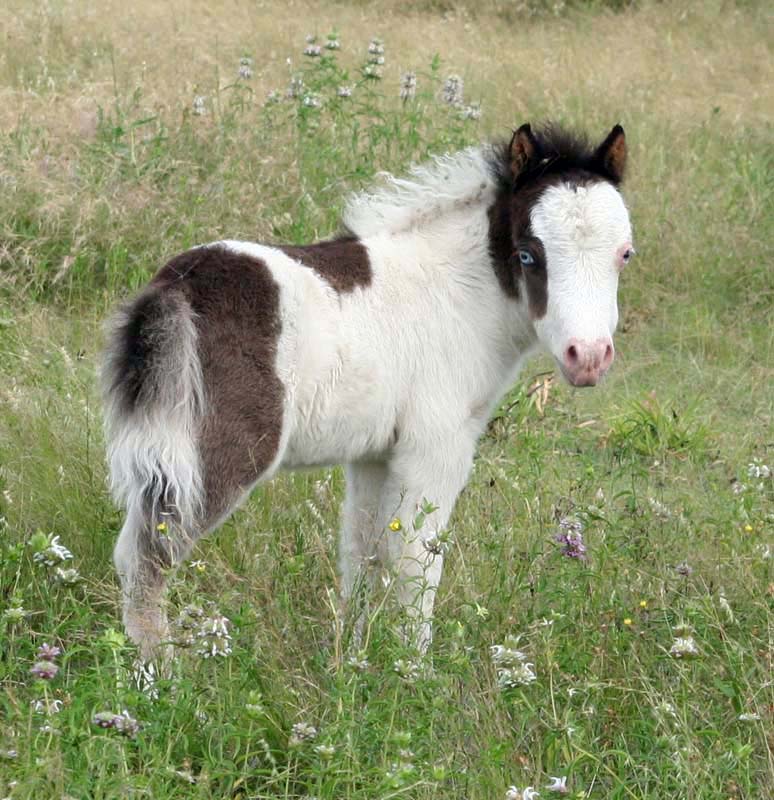
Credit: minihorseforsale.com
Post-birth Care
Post-birth care is crucial for both the miniature horse mare and her foal. Proper care ensures the foal grows healthy and the mother recovers well. This period demands close attention and gentle handling.
Newborn Care
Check the foal’s breathing and movement immediately after birth. Clean the foal’s nose and mouth to clear any fluids. The foal should stand and nurse within two hours. Nursing provides essential antibodies from the mother’s colostrum. Keep the foal warm and dry to prevent chills. Monitor the foal for signs of illness or weakness. Make sure the umbilical cord is clean and dries naturally. Avoid pulling on the cord to prevent infection.
Mother’s Recovery
Allow the mare to rest in a calm, quiet space. Provide fresh water and high-quality hay to support her energy. Check her for any signs of bleeding or discomfort. Monitor her appetite and behavior closely. The mare needs time to heal her uterus and regain strength. Regularly clean the stall to reduce infection risk. Keep a close watch on her temperature and alertness.
Frequently Asked Questions
What Is The Normal Gestation Period For Miniature Horses?
The typical gestation period for miniature horses is about 320 to 340 days.
How Does Miniature Horse Pregnancy Differ From Regular Horses?
Miniature horses have a slightly shorter gestation period than full-sized horses.
Can The Gestation Length Vary In Miniature Horses?
Yes, gestation can vary by a few weeks depending on health and breed.
What Signs Indicate A Miniature Horse Is About To Give Birth?
Swelling, restlessness, and udder development show that birth is near.
How To Care For A Pregnant Miniature Horse During Gestation?
Provide good nutrition, regular vet checks, and a calm, safe environment.
When Should You Call A Vet During Miniature Horse Pregnancy?
Contact a vet if there are unusual symptoms like bleeding or no fetal movement.
Conclusion
Miniature horses usually carry their foals for about 11 months. This time allows the baby horse to grow strong and healthy inside the mother. Knowing the gestation period helps owners prepare for the new arrival. Watching for signs of labor ensures the mare gets proper care.
Understanding this period supports the health of both mare and foal. Careful attention during pregnancy leads to happy, healthy miniature horses. Simple steps can make a big difference in the birthing process. Keep learning to provide the best care for these small, special horses.
As an Amazon Associate, I earn from qualifying purchases.