If you care deeply about your horse’s health and performance, you know how important every detail is. One tool that can make a big difference is a headsetter for horses.
This simple device helps improve your horse’s posture and comfort, which can lead to better movement and less stress. Imagine your horse moving with more ease and confidence—wouldn’t that be amazing? Keep reading to discover how a headsetter can help your horse feel and perform at its best.
Role Of A Headsetter
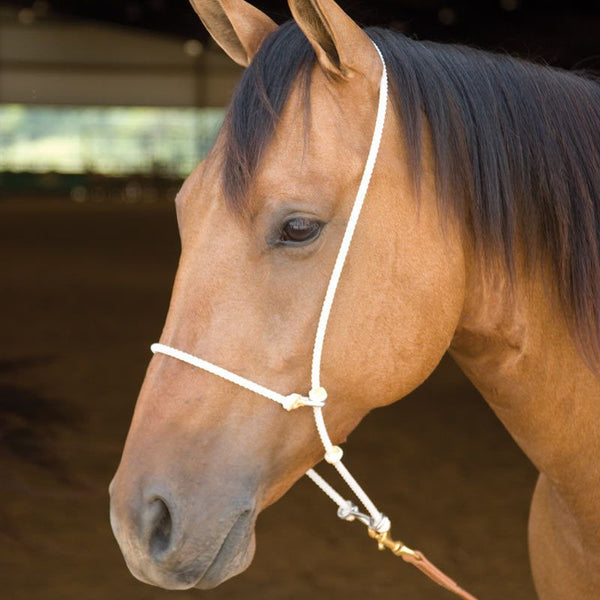
The headsetter plays an important role in the care and training of horses. This person helps guide the horse’s head and neck during riding or exercise. Proper head position is key for balance and control. The headsetter works closely with riders and trainers to improve the horse’s performance.
Attention to detail and gentle handling are essential. The headsetter ensures the horse stays calm and responsive. This role supports the overall well-being and training progress of the horse.
Key Responsibilities
The headsetter controls the horse’s head position during training sessions. They use gentle pressure to encourage correct posture. Monitoring the horse’s reactions is important to avoid stress or discomfort. The headsetter also helps the horse stay focused and relaxed. Communication with riders and trainers ensures consistent guidance.
Skills Required
Patience and calmness are vital qualities for a headsetter. Good observation skills help notice small changes in the horse’s behavior. Basic knowledge of horse anatomy improves handling techniques. The headsetter must understand horse body language well. Strong communication skills help coordinate with trainers and riders effectively.
Tools And Equipment
The headsetter uses tools like halters and lead ropes to guide the horse. Sometimes, training aids help encourage proper head carriage. Soft padding protects the horse’s head and neck during exercises. Clean, well-maintained equipment ensures safety for both horse and handler. Proper gear helps the headsetter work more efficiently.

Credit: fastbackropes.com
Anatomy Of The Horse Hoof
The horse hoof is a complex and strong part of the animal’s body. It supports the horse’s weight and absorbs shock. Understanding its anatomy helps in proper care and maintenance. Healthy hooves are key to a horse’s comfort and performance.
Hoof Structure
The hoof has several main parts. The outer wall is hard and protects the inside. The sole covers the bottom and helps with grip. Inside, the frog acts like a cushion. The hoof also contains sensitive tissues and bones.
Common Issues
Horses can face many hoof problems. Cracks in the wall can cause pain. Thrush is a common bacterial infection in the frog. White line disease affects the inner hoof wall. These issues need quick attention to avoid lameness.
Signs Of Healthy Hooves
Look for smooth, hard walls without cracks. The frog should be firm, not soft or smelly. Hooves must have a good shape and balance. Regular trimming keeps the hoof healthy. A healthy hoof supports the horse well on all surfaces.
Preparing For Hoof Care
Preparing for hoof care is an important step for every horse owner. It helps keep your horse healthy and comfortable. Proper preparation makes the process smoother and safer. Taking time before hoof care reduces stress for you and your horse.
Getting ready involves collecting tools, thinking about safety, and checking your horse’s condition. Each step plays a key role in good hoof care. Careful preparation protects your horse’s feet and prevents injuries.
Gathering Supplies
Start by collecting all the tools needed for hoof care. You will need a hoof pick, brush, and hoof knife. A rasp and nippers might also be useful. Keep all tools clean and sharp for best results.
Place supplies within easy reach. This saves time and keeps the process steady. Having everything ready helps avoid rushing and mistakes during hoof care.
Safety Precautions
Always prioritize safety for both you and your horse. Wear sturdy boots to protect your feet. Gloves can protect your hands from sharp tools and dirt.
Work in a quiet, well-lit space. This keeps your horse calm and focused. Stand close but avoid sudden moves that can startle the horse. Pay attention to your horse’s body language for signs of discomfort.
Assessing The Horse
Check your horse’s hooves before starting care. Look for cracks, swelling, or unusual heat. These can signal problems needing a farrier’s attention.
Notice how your horse reacts to touch. Gentle handling builds trust and eases hoof care. Regular checks help catch issues early and keep your horse happy.
Credit: www.vvsaddlery.com
Step-by-step Hoof Setting Process
The hoof setting process with a Headsetter for horses involves careful steps. Each step ensures the hoof is healthy and stable. This guide breaks down the process into clear actions. Follow these steps to achieve the best results for your horse’s hooves.
Cleaning And Trimming
Start by cleaning the hoof thoroughly. Remove dirt, mud, and debris using a hoof pick. Check for stones or foreign objects stuck inside. Next, trim the hoof edges carefully. Use a hoof knife to remove loose or damaged parts. Trim just enough to shape the hoof without causing pain.
Shaping The Hoof
After trimming, shape the hoof to fit the Headsetter. Use a rasp to smooth and level the hoof wall. Ensure the hoof bottom is flat and even. This step helps the Headsetter sit correctly on the hoof. Proper shaping prevents discomfort and improves hoof support.
Applying The Headsetter
Place the Headsetter gently on the hoof. Align it with the hoof shape and size. Secure the device without tightening too much. Check that the horse feels comfortable with the Headsetter. Monitor the hoof regularly to ensure proper fit and function.
Maintaining Hoof Health
Maintaining hoof health is vital for a horse’s overall well-being. Strong hooves help horses move freely and avoid pain. Proper care prevents many common hoof problems. This section explains key steps to keep hooves healthy.
Regular Inspections
Check hooves every day. Look for cracks, chips, or signs of infection. Notice any swelling or heat around the hoof. Early detection can prevent serious issues. Use a hoof pick to clean dirt and stones. Clean hooves reduce the risk of thrush and other infections.
Preventive Measures
Schedule regular visits from a farrier. Proper trimming keeps hooves balanced. Avoid walking horses on hard, rocky ground often. Provide dry, clean bedding in stalls. Wet, muddy conditions soften hooves and cause problems. Use hoof boots if needed to protect hooves during rides.
Diet And Nutrition
Feed a balanced diet rich in vitamins and minerals. Biotin supports hoof growth and strength. Zinc and methionine improve hoof quality. Avoid feeding too much grain or sugar. Provide plenty of clean water daily. Good nutrition helps hooves grow healthy and strong.
Troubleshooting Common Problems
Troubleshooting common problems with Headsetter for Horses helps keep your horse healthy. Early care stops small issues from growing into big problems. Understanding these common problems allows quick action and better results.
Cracks And Chips
Cracks and chips in the hoof cause pain and discomfort. They happen from hard surfaces or poor hoof care. Clean the hoof regularly to avoid dirt buildup. Use a hoof conditioner to keep the hoof strong. Check for deep cracks that may need a vet’s help.
Infections And Diseases
Infections like thrush or white line disease attack the hoof. These cause bad smell and soft spots. Keep the hoof dry and clean to prevent infections. Use antiseptic solutions as recommended by a vet. Early treatment stops the infection from spreading.
Lameness Issues
Lameness is a sign of pain or injury in the hoof or leg. It can come from bruises, abscesses, or joint problems. Watch your horse’s movement for signs of lameness. Rest the horse and avoid hard exercise. Consult a vet for proper diagnosis and treatment.
Choosing The Right Headsetter
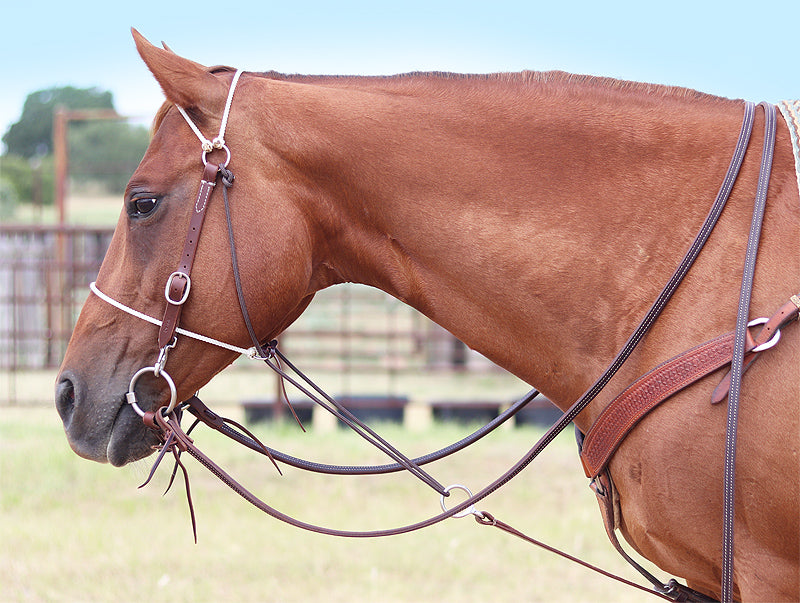
Choosing the right headset for your horse is very important. The right headset helps your horse stay comfortable and perform better. It also keeps your horse safe. Knowing what to look for makes a big difference. Below are some key points to consider when selecting a headset for your horse.
Types Of Headsetters
There are several types of headsets for horses. Some are simple and light. Others are more complex with extra padding. Some headsets focus on control, while others focus on comfort. Choose a type that fits your horse’s training needs and behavior.
Material Considerations
The material of the headset affects comfort and durability. Leather is strong and lasts long. Nylon is lighter and easier to clean. Soft materials prevent skin irritation and rubbing. Make sure the material suits your horse’s skin and your budget.
Fitting And Adjustments
A good headset must fit well. It should not be too tight or too loose. Adjustable straps help get the perfect fit. Check that the headset does not press on sensitive areas. Proper fitting avoids discomfort and injury for your horse.
Professional Tips And Best Practices
Using a headsetter for horses helps improve their comfort and performance. Applying it correctly is key. Follow expert advice to get the best results. These tips ensure safety and effectiveness in every use.
Timing And Frequency
Apply the headsetter during calm moments. Avoid using it right before intense exercise. This gives the horse time to adjust. Use the device regularly but not too often. Overuse can cause discomfort or resistance. Find a routine that suits your horse’s needs.
Working With Veterinarians
Consult your vet before starting any new equipment. Vets can check the horse’s head and neck health. They advise on proper fit and use. Report any unusual behavior or pain immediately. Professional guidance keeps the horse safe and healthy.
Record Keeping
Keep a detailed log of each headsetter session. Note the date, time, and duration of use. Record any reactions or changes in behavior. This helps track progress and spot issues early. Clear records support better care decisions over time.
Credit: nrsworld.com
Frequently Asked Questions
What Is A Headsetter For Horses Used For?
A headsetter helps keep a horse’s head steady during grooming or medical care.
How Does A Headsetter Improve Horse Safety?
It prevents sudden head movements, reducing risks for both horse and handler.
Can Headsetters Be Used For All Horse Breeds?
Yes, headsetters are adjustable and suitable for most horse breeds and sizes.
Are Headsetters Comfortable For Horses To Wear?
Good quality headsetters have soft padding to ensure the horse stays comfortable.
How Do You Properly Fit A Headsetter On A Horse?
Adjust straps so the headsetter is snug but not too tight around the head.
Where Can I Buy A Reliable Headsetter For Horses?
Tack shops and online stores specializing in horse gear usually have headsetters available.
Conclusion
Headsetters help horses stay calm and focused during training. They guide the horse’s head gently without causing pain. Using a headsetter improves communication between you and your horse. It also makes riding safer and more enjoyable. Choose one that fits your horse well.
Practice patience and kindness while using it. This tool supports better training results over time. Keep your horse comfortable and happy. Small steps lead to big progress. A good headsetter is a helpful part of horse care.
As an Amazon Associate, I earn from qualifying purchases.