If you want to truly understand horses, a Horse Anatomy Model is your best tool. Imagine being able to see exactly how a horse’s muscles, bones, and organs fit together.
This clear, hands-on view can change how you care for your horse or improve your training skills. Whether you’re a rider, trainer, or just curious, this model gives you a deeper connection to these amazing animals. Keep reading, and you’ll discover how a Horse Anatomy Model can unlock insights you never thought possible.
Skeletal Framework
The skeletal framework of a horse is the strong base that supports its entire body. It gives shape and protection to vital organs. This framework also allows movement and flexibility.
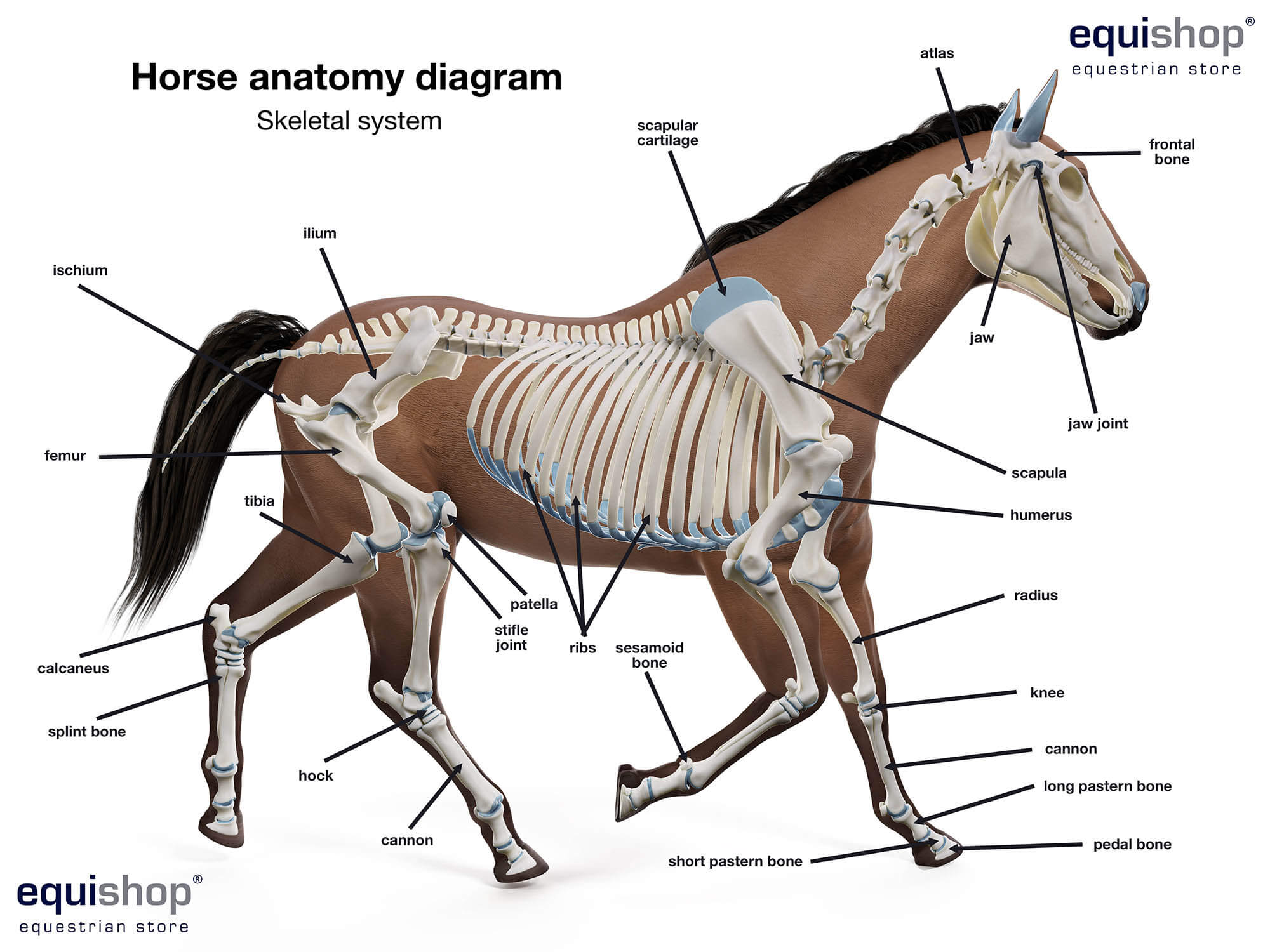
Understanding the horse’s skeleton helps in caring for its health. Each bone has a purpose. The skull, spine, limbs, and hooves work together as a system.
Skull And Jaw Structure
The skull protects the brain and supports the face. It has strong bones to withstand impact. The jaw is part of the skull and moves to chew food. It is shaped to grind grass and grains efficiently.
Spine And Vertebrae
The spine runs from the neck to the tail. It is made of many small bones called vertebrae. These bones protect the spinal cord. They also allow the horse to bend and twist its body.
Limb Bones
Horse limbs have long and strong bones. These bones support the horse’s weight and aid in running. The front legs have the scapula, humerus, radius, and ulna. The hind legs include the femur, tibia, and fibula.
Hoof Anatomy
The hoof is a hard shell protecting the foot. Inside, it has bones and soft tissues. The hoof absorbs shock and supports the horse’s weight. Proper hoof care keeps horses healthy and mobile.
Muscular System
The muscular system of a horse plays a vital role in its strength and movement. Muscles help the horse run, jump, and carry weight. Understanding this system is key for anyone studying horse anatomy.
Major Muscle Groups
The horse has several major muscle groups. The neck muscles support head movement. The shoulder muscles help lift and move the front legs. The back muscles keep the spine steady. The hindquarters contain strong muscles for power and speed.
Muscle Function In Movement
Muscles work by contracting and relaxing. This action moves the bones and joints. Each muscle group has a specific role during walking, trotting, or galloping. The hind muscles push the body forward. The front muscles absorb impact and guide direction.
Muscle Attachments
Muscles attach to bones through tendons. These connections allow force transfer. Attachments are found at different points on the skeleton. Strong attachments provide stability and control. They also protect the horse from injuries during movement.
Circulatory And Respiratory Systems
The circulatory and respiratory systems play vital roles in a horse’s health and performance. They work closely to deliver oxygen and nutrients to the body. These systems also help remove waste products like carbon dioxide. Understanding their structure helps in better care and training of horses.
Heart Anatomy
The horse’s heart is large and strong. It has four chambers: two atria and two ventricles. The heart pumps blood through the body with great force. This organ beats faster during exercise to supply muscles with oxygen. Its size and strength support the horse’s endurance and speed.
Lung Structure
Horses have two large lungs located in the chest. The lungs contain many tiny air sacs called alveoli. These sacs allow oxygen to pass into the blood. The lungs also remove carbon dioxide from the blood. They expand and contract with each breath, supporting efficient gas exchange.
Blood Flow Pathways
Blood flows in a specific path through the heart and lungs. Oxygen-poor blood enters the right side of the heart. It moves to the lungs to gain oxygen. Oxygen-rich blood returns to the left side of the heart. From there, it is pumped to the entire body. This cycle keeps the horse’s body well oxygenated and healthy.

Credit: www.junsanatomy.com
Nervous System
The nervous system in horses controls their body and reactions. It sends signals between the brain and other body parts. This system helps horses move, feel, and respond to their environment. Understanding the nervous system is key to caring for horses well.
Brain And Spinal Cord
The brain is the control center of the horse. It processes information and directs actions. The spinal cord connects the brain to the rest of the body. It carries messages to and from the brain quickly. Together, they coordinate movement and maintain balance.
Peripheral Nerves
Peripheral nerves spread out from the spinal cord. They reach all parts of the horse’s body. These nerves carry signals to muscles to move limbs. They also send messages back to the brain. This network allows the horse to react fast to changes.
Sensory Organs
Sensory organs gather information from the environment. Eyes, ears, nose, and skin detect sights, sounds, smells, and touch. This information travels through nerves to the brain. It helps horses understand their surroundings and stay safe.
Digestive System
The digestive system of a horse is complex and vital for its health. It breaks down food into nutrients the body can use. Understanding this system helps in caring for horses properly.
Mouth And Teeth
The horse’s mouth starts digestion. Teeth grind the food into small pieces. Saliva moistens the food for easy swallowing. Strong muscles push food to the throat.
Stomach And Intestines
The stomach stores food and begins digestion. It mixes food with acids and enzymes. Food then moves to the small intestine. Here, digestion continues and nutrients release. The large intestine absorbs water and forms waste.
Nutrient Absorption
Nutrients pass through the intestine walls into the bloodstream. This process gives the horse energy and growth materials. Proper absorption keeps horses healthy and active. Problems in absorption can cause illness or weight loss.
Reproductive Organs
The reproductive organs of a horse are essential for breeding and species survival. They differ significantly between males and females. Understanding these organs helps in managing horse health and reproduction. A detailed horse anatomy model shows these parts clearly.
Male Anatomy
Male horses have reproductive organs designed to produce and deliver sperm. The main parts include the testes, epididymis, vas deferens, and penis. Testes produce sperm and hormones. The epididymis stores and matures the sperm. The vas deferens transports sperm during mating. The penis is the organ used for copulation.
Female Anatomy
Female horses have organs to produce eggs and support pregnancy. Key parts are the ovaries, oviducts, uterus, cervix, and vagina. Ovaries release eggs during the reproductive cycle. Oviducts carry eggs to the uterus. The uterus is where the fetus grows. The cervix acts as a gateway between the uterus and vagina. The vagina serves as the birth canal.
Reproductive Cycle
The reproductive cycle in mares repeats every 21 days in spring and summer. It includes estrus (heat) and diestrus phases. Estrus lasts about 5 to 7 days, when mares are fertile and ready to mate. Diestrus follows, lasting around 14 days, when mares are not fertile. Hormones control this cycle, influencing behavior and fertility.
Skin And Coat Features
The skin and coat of a horse show much about its health and breed. These features protect the horse and help it adjust to weather. Understanding these parts helps owners care for their animals better. The skin and coat also make each horse unique in look and feel.
Hair And Coat Types
Horses have different types of hair and coats. Their hair can be short, long, thick, or thin. Some breeds have smooth coats, while others have curly or wavy hair. The coat changes with seasons. In winter, the coat grows thick to keep warm. In summer, it becomes shorter to cool down.
Skin Layers
The horse’s skin has three main layers. The top layer is the epidermis. It protects the horse from dirt and germs. The middle layer is the dermis. It holds blood vessels and nerves. The bottom layer is the hypodermis. It stores fat and cushions the body.
Common Skin Conditions
Horses can get skin problems. Some common issues are rain rot, ringworm, and insect bites. Rain rot causes scabs and hair loss. Ringworm is a fungal infection that spreads quickly. Insect bites can cause itching and swelling. Regular checks help catch these problems early.
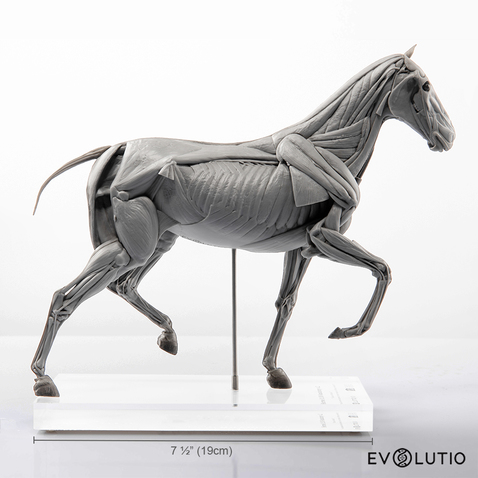
Credit: boneclones.com
Using The Anatomy Model
The horse anatomy model is a helpful tool for many users. It shows the horse’s body parts clearly. This model helps people learn and understand the horse better. It makes complex information simple and easy to see.
Using the anatomy model gives a hands-on experience. You can touch and see the muscles, bones, and organs. This makes learning more real and interesting. The model works well for students, vets, and riders alike.
Educational Benefits
The anatomy model helps students learn about horse biology. It shows muscles, bones, and organs in detail. Students can see how different parts connect and work. This helps them remember facts better than reading alone. Teachers use the model for clear and simple lessons.
Veterinary Applications
Veterinarians use the model to explain problems to owners. It shows where injuries or illnesses may be. The model helps vets plan treatments with better understanding. It also aids in practicing surgical steps safely. This leads to better care for horses.
Training And Riding Insights
Riders and trainers use the model to improve skills. It shows how muscles work during movement. Understanding anatomy helps riders avoid injury to horses. Trainers can design better exercises for strength and balance. The model guides in safe and effective riding techniques.
Choosing The Right Model
Choosing the right horse anatomy model is important for learning and teaching. The right model shows the horse’s structure clearly. It helps users understand muscles, bones, and organs better. Picking a suitable model depends on several factors. These include the material, detail, size, and how easy it is to carry. Understanding these points makes the choice easier.
Material Types
Horse anatomy models come in different materials. Plastic models are common and affordable. They are lightweight and easy to clean. Some models use resin for more strength and durability. Foam models are soft and safe for kids. Wood models offer a natural look but can be heavy. Choose a material that fits your use and budget.
Detail And Accuracy
Good models show clear muscles and bones. High detail helps with studying and teaching. Some models include removable parts for better learning. Accuracy means the parts match real horse anatomy. Check if the model is made by experts or vets. A detailed model makes understanding easier and more fun.
Size And Portability
Size matters depending on your space and needs. Large models show more detail but need more room. Small models are easy to store and move. Portable models are useful for teachers or vets on the go. Think about where you will use the model most. Choose a size that fits your lifestyle and space.
Credit: www.equishop.com
Frequently Asked Questions
What Is A Horse Anatomy Model Used For?
A horse anatomy model helps people learn about horse body parts and how they work.
How Accurate Are Horse Anatomy Models?
Most models show detailed and correct horse body parts for study and teaching.
Can Horse Anatomy Models Help With Veterinary Training?
Yes, they assist students in understanding horse muscles, bones, and organs clearly.
What Materials Are Horse Anatomy Models Made From?
Common materials include plastic, rubber, and sometimes wood for durability and detail.
Are Horse Anatomy Models Suitable For Beginners?
Yes, models are made simple and clear for easy learning by beginners.
Where Can I Buy A Horse Anatomy Model?
They are available online, in pet stores, or through educational suppliers.
Conclusion
A horse anatomy model helps you learn horse body parts clearly. It shows bones, muscles, and organs in detail. Using the model makes studying easier and faster. You can see how the horse moves and works. This tool suits students, vets, and horse lovers alike.
It saves time and avoids confusion during learning. A good model adds fun to understanding horses. Try using one for better knowledge and care.
As an Amazon Associate, I earn from qualifying purchases.