If you own or work with a horse-drawn wagon, understanding its parts is key to keeping it running smoothly. You might have questions about how each piece fits together or what to do when something breaks.
This Horse Drawn Wagon Parts Diagram will help you see every component clearly. By knowing your wagon inside and out, you can save time, avoid costly repairs, and enjoy safer rides. Keep reading to discover the essential parts that make your wagon work and how this knowledge can make a real difference for you.

Credit: cottagecraftworks.com
Main Frame
The main frame is the backbone of a horse drawn wagon. It supports the weight and holds all parts together. A strong frame ensures the wagon stays stable and safe during travel.
Understanding the main frame helps in maintaining and repairing the wagon properly. It consists of several key parts that work as one unit.
Chassis Structure
The chassis structure forms the base of the wagon. It is made from heavy wood or metal beams. These beams run lengthwise to give strength and shape. The chassis carries the load from the wagon bed to the wheels. It must be tough to handle rough roads.
Crossmembers
Crossmembers connect the chassis beams side to side. They add extra support and keep the frame from twisting. Usually, crossmembers are placed evenly along the frame. This helps spread the weight across the entire wagon. Strong crossmembers prevent damage during heavy use.
Side Rails
Side rails run along the edges of the main frame. They hold the wagon bed in place and add stiffness. Side rails also help protect the wagon’s cargo. These rails are often shaped for extra strength. They work with the chassis and crossmembers to keep the wagon solid.
Wheels And Axles
Wheels and axles are key parts of a horse drawn wagon. They carry the wagon’s weight and help it move smoothly. Without strong wheels and axles, the wagon cannot work well on rough roads or long trips. Understanding these parts helps keep the wagon safe and reliable.
Wheel Types
Horse drawn wagons use different wheel types based on their purpose. Wooden wheels are common for old-style wagons. They are strong and light. Some wagons use steel wheels for extra strength. Spoked wheels help reduce weight while keeping strength. Each wheel type fits certain road conditions and loads.
Hub Assembly
The hub assembly holds the wheel to the axle. It allows the wheel to spin freely. A good hub keeps the wheel steady and reduces friction. It includes bearings and seals that protect the parts from dust and dirt. Proper care of the hub assembly extends the wheel’s life.
Axle Design
Axles connect the wheels and support the wagon’s weight. They must be strong and durable. Some axles are straight for simple wagons. Others curve to fit different wagon shapes. The axle design affects how the wagon handles weight and rough roads. Good axles prevent bending and breakage during travel.
Suspension System
The suspension system of a horse-drawn wagon is vital for smooth rides. It absorbs shocks from uneven roads. This system protects both the wagon and its cargo. It also makes travel comfortable for passengers. Understanding the parts helps maintain the wagon better.
Leaf Springs
Leaf springs are long, thin strips of metal stacked together. They flex to absorb bumps from the road. These springs support the wagon’s weight evenly. They connect the axle to the wagon frame. Without leaf springs, rides would be rough and shaky.
Shock Absorbers
Shock absorbers reduce sudden jolts during movement. They work with the leaf springs to control bouncing. These parts keep the wagon stable on rough paths. Shock absorbers protect the wheels and frame from damage. They extend the life of the wagon parts.
Mounting Points
Mounting points are where suspension parts attach to the wagon. They secure leaf springs and shock absorbers firmly. Strong mounting points prevent parts from loosening. Proper mounting ensures the suspension works correctly. Checking these points helps avoid breakdowns on the road.
Body Components
The body components of a horse drawn wagon form the main structure. They hold the load and protect the goods carried. These parts work together to provide strength and stability. Each piece has a specific role in the wagon’s function and durability.
Floorboard
The floorboard is the base of the wagon’s body. It supports the weight of cargo and passengers. Made of sturdy wood, it must resist wear and tear. The floorboard also helps keep the load balanced during travel.
Side Panels
Side panels are the walls of the wagon. They prevent items from falling off during movement. Side panels can be solid or slatted for airflow. These parts add extra support to the wagon’s frame.
Tailgate
The tailgate is the rear door of the wagon. It opens to allow loading and unloading of goods. When closed, it secures the cargo inside. The tailgate often locks in place for safety on the road.
Harness Attachment
The harness attachment is a key part of a horse drawn wagon. It connects the horse to the wagon. This connection allows the horse to pull the wagon safely and smoothly. Understanding the parts of the harness attachment helps with proper setup and maintenance.
Shafts And Poles
Shafts are long wooden or metal bars on each side of the horse. They keep the wagon balanced and steady. Poles are similar but usually found in front of the horse. Poles help guide the horse and keep the wagon straight.
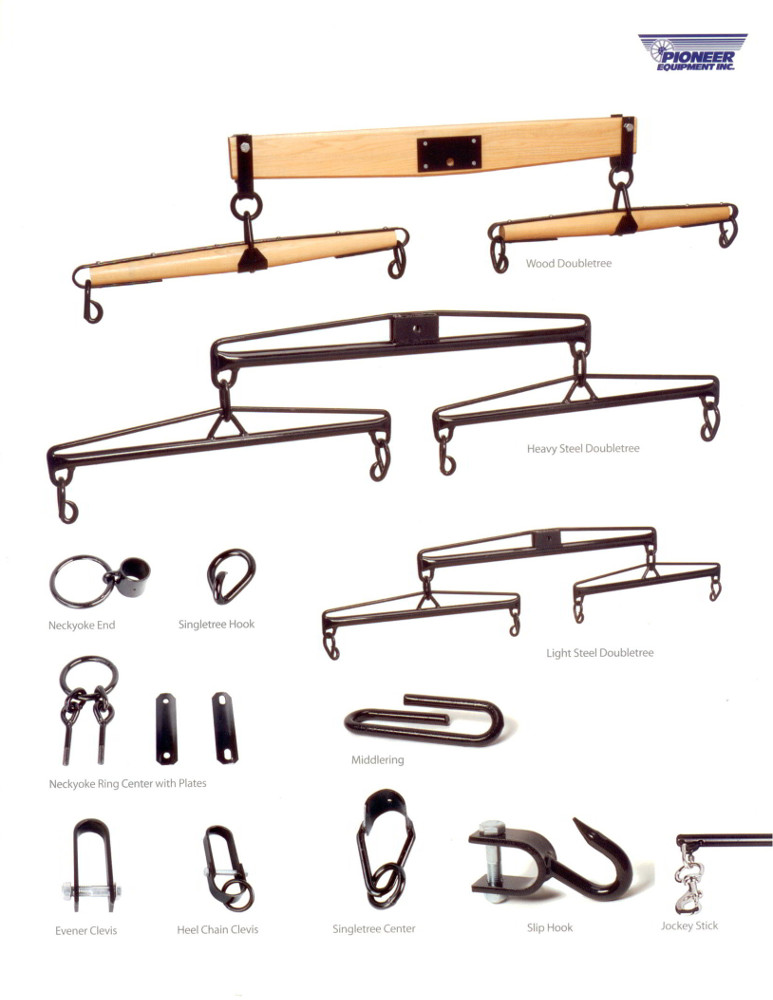
Yoke
The yoke fits across the horse’s shoulders or neck. It spreads the pulling force evenly on the horse’s body. The yoke must fit well to avoid hurting the horse. A good yoke helps the horse pull the wagon with less effort.
Hitching Hardware
Hitching hardware includes chains, straps, and hooks. These parts connect the harness to the wagon. They must be strong and secure for safety. Proper hitching hardware prevents accidents and keeps the horse comfortable.
Braking Mechanism
The braking mechanism is a key part of a horse-drawn wagon. It helps slow down and stop the wagon safely. Without a good brake system, controlling the wagon can be hard and unsafe. This section explains the main parts of the braking system.
Brake Types
There are a few types of brakes used on horse-drawn wagons. The most common are wooden block brakes and metal band brakes. Wooden block brakes press against the wheel or tire to create friction. Metal band brakes wrap around the wheel to slow it down. Both types rely on friction to stop the wagon.
Lever System
The lever system controls the brakes. It connects the driver’s hand to the brake parts. When the driver pulls the lever, it pushes or pulls the brake parts. This action makes the brakes press against the wheel. The lever system uses simple mechanics to make braking easier.
Brake Shoes
Brake shoes are the parts that touch the wheels. They create the friction needed to stop the wagon. These shoes are usually made from wood or metal. Over time, brake shoes wear down and need replacement. Good brake shoes ensure the wagon stops quickly and safely.
Seating And Storage
Seating and storage are key parts of a horse drawn wagon. They help make the ride safe and comfortable. The design of seats and storage spaces affects how people and goods fit on the wagon. Understanding these parts helps you see how the wagon works well.
Driver’s Seat
The driver’s seat sits at the front of the wagon. It is usually raised for a clear view. The seat is strong to hold the driver safely. It often has a cushion for comfort during long rides. The driver needs good balance and control from this seat.
Passenger Seating
Passenger seating is behind or beside the driver. It can be benches or individual seats. These seats must be sturdy and wide enough. They often have simple backs for support. Passengers need to sit safely as the wagon moves.
Storage Compartments
Storage compartments hold tools, goods, or personal items. They are placed under seats or in side boxes. These spaces keep items safe from falling off. Some wagons have lockable compartments for security. Storage helps keep the wagon neat and organized.

Credit: www.colonialsense.com
Lighting And Accessories
Lighting and accessories play an important role in horse drawn wagons. They improve safety and add charm. Proper lighting helps others see the wagon at night or in low light.
Accessories also personalize the wagon. They make it unique and attractive. Let’s explore key parts related to lighting and accessories on a horse drawn wagon.
Lantern Holders
Lantern holders secure the light sources on the wagon. They keep lanterns steady during travel. Usually made of metal, they attach to the wagon’s sides or front.
These holders must be strong and weather resistant. They allow easy removal of lanterns for lighting or maintenance. Proper placement of lantern holders ensures good visibility.
Reflectors
Reflectors increase the wagon’s visibility to others. They reflect light from other vehicles or street lamps. Usually placed on the rear and sides of the wagon.
Reflectors come in round or rectangular shapes. They help prevent accidents by alerting drivers and pedestrians. Reflectors are simple but very effective safety accessories.
Decorative Elements
Decorative elements add style and character to the wagon. These include painted designs, metal trim, or ornamental carvings. They reflect the owner’s taste and culture.
Decorations can be simple or elaborate. They make the wagon stand out in a parade or event. These accessories do not affect function but enhance beauty.
Credit: www.mydrafthorse.com
Frequently Asked Questions
What Are The Main Parts Of A Horse-drawn Wagon?
The main parts include the wheels, axles, bed, tongue, and harness attachments.
How Does The Wagon Tongue Function?
The tongue connects the wagon to the horse harness for pulling and steering.
What Role Do The Wagon Wheels Play?
Wagon wheels support weight and allow smooth movement over different surfaces.
Why Is The Axle Important In A Horse-drawn Wagon?
The axle holds the wheels and helps distribute the wagon’s weight evenly.
How Are Harnesses Attached To The Wagon?
Harnesses connect to the tongue or shafts to link the horse and wagon.
What Materials Are Used For Wagon Parts?
Wood and metal are commonly used for strength and durability in wagon parts.
Conclusion
Understanding the parts of a horse-drawn wagon helps in easy repairs and maintenance. Each part plays an important role in the wagon’s function. Knowing these parts keeps the wagon safe and working well. Use the diagram to identify and learn about every piece.
This knowledge makes handling and caring for the wagon much simpler. Keep your wagon in good shape by checking parts regularly. A well-maintained wagon offers a smoother and safer ride every time.
As an Amazon Associate, I earn from qualifying purchases.