Have you ever watched a horse confidently moving with a flag and wondered how they learn to do it so smoothly? Horse flag training might seem tricky at first, but with the right approach, you can teach your horse to stay calm and responsive around flags.
Whether you want to improve your horse’s trust, build their focus, or prepare for shows and events, this skill can open new doors for both of you. You’ll discover simple steps and expert tips to make flag training a positive and rewarding experience.
Ready to transform your training sessions and deepen your bond with your horse? Keep reading!
Benefits Of Horse Flag Training
Horse flag training offers many benefits for both riders and horses. This training method helps improve how horses and riders work together. It also makes horses more aware and ready to follow commands. The process builds a strong bond based on trust and respect. These benefits lead to safer and more enjoyable riding experiences.
Enhancing Rider-horse Communication
Horse flag training sharpens communication between rider and horse. The horse learns to respond to gentle signals. Riders use simple hand movements and body language. This clear communication reduces confusion and stress for the horse. It helps the horse understand what the rider wants quickly.
Building Trust And Confidence
Training with a flag builds trust between horse and rider. Horses feel safe and calm during sessions. The training uses positive reinforcement, encouraging good behavior. Trust grows as the horse learns to follow cues calmly. Confident horses perform better and enjoy riding more.
Improving Horse Responsiveness
Horse flag training makes horses more alert and responsive. Horses learn to react quickly to the rider’s signals. This responsiveness improves control and safety. It also prepares horses for different riding situations. Responsive horses are easier to guide and manage.

Credit: www.weaverequine.com
Essential Equipment For Training
Horse flag training requires specific equipment for success and safety. The right tools help your horse learn calmly and quickly. Proper gear protects both rider and horse during practice. Setting up a good training area also supports better results. Below are the key items needed for effective horse flag training.
Choosing The Right Flag
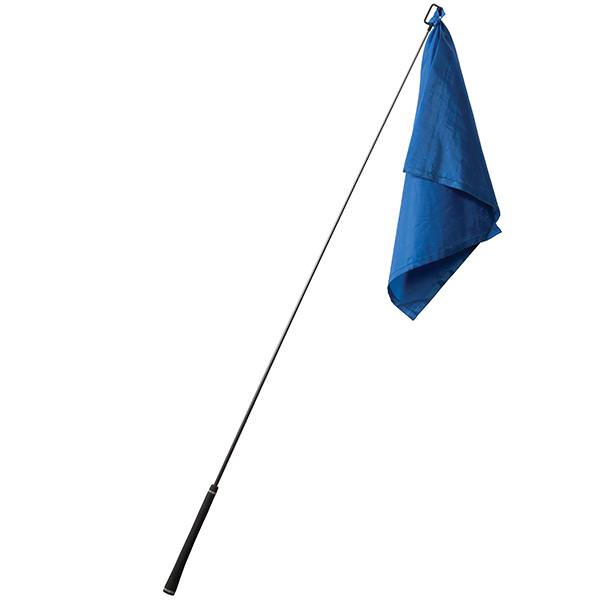
Select a flag that is lightweight and easy to handle. Bright colors help the horse see the flag clearly. The flagpole should be sturdy but not heavy. A soft fabric flag reduces noise and sudden movements. Avoid flags that are too large or heavy for your horse.
Safety Gear For Rider And Horse
Riders must wear helmets to protect their heads. Gloves improve grip on the flagpole. Boots with heels prevent feet from slipping through stirrups. Horses benefit from protective leg wraps or boots. Use a well-fitted saddle and bridle for control and comfort.
Preparing The Training Area
Choose a flat, open space free from obstacles. The ground should be soft to reduce injury risk. Mark boundaries with cones or poles to guide training. Make sure the area is quiet to avoid distractions. Keep water and first aid nearby for emergencies.
Basic Techniques To Start
Starting horse flag training requires patience and clear steps. Begin with simple actions to help your horse feel safe and curious. Build trust before moving on to more complex movements.
Introducing The Flag To The Horse
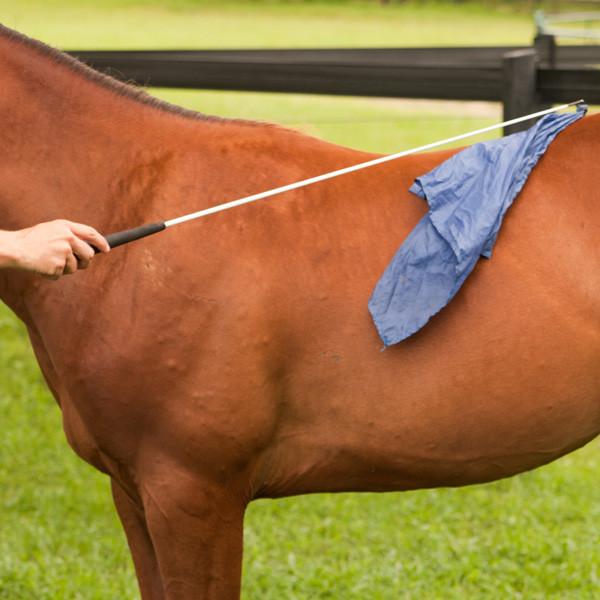
Show the flag slowly and calmly. Let the horse see and sniff it at its own pace. Avoid sudden moves to prevent fear. Use a soft voice and gentle touch. This helps the horse feel comfortable around the flag.
Desensitizing To Movement And Sound
Move the flag gently near the horse’s body. Start with slow, soft motions. Allow the horse to get used to the flag’s sound and movement. Repeat often, keeping sessions short. This reduces fear and builds confidence.
Simple Flag Movements
Practice waving the flag low and far from the horse at first. Use small, slow waves to keep the horse calm. Reward the horse with praise or treats for calm behavior. Gradually increase the flag’s speed and height. This trains the horse to stay relaxed with the flag.
Advanced Flag Handling Skills
Advanced flag handling skills push horse flag training beyond basics. These skills build strength, balance, and coordination for both rider and horse. They add excitement and challenge to routines. Riders develop precision and confidence with the flag in their hands. Horses learn to stay calm and steady despite the flags’ movements.
Practicing advanced techniques improves overall riding ability. It deepens the connection between horse and rider. Here are some key areas of focus in advanced flag handling.
Complex Flag Patterns
Complex flag patterns involve more than simple waving. Riders learn to create shapes and designs in the air. These patterns require smooth, controlled arm movements. Timing must match the horse’s steps. This skill helps riders control the flag without startling the horse.
Practicing patterns develops hand-eye coordination. It also teaches riders to stay calm under pressure. Horses grow used to different flag motions. This helps them stay relaxed during shows or events.
Riding With Multiple Flags
Handling multiple flags adds a new challenge. Riders hold a flag in each hand or attach flags to the saddle. This requires balance and focus. The rider must control both flags independently. It trains the rider’s arms and shoulders for endurance.
Horses learn to ignore the extra movement. They become more confident in unusual situations. Riding with multiple flags builds trust between horse and rider.
Incorporating Flags Into Riding Routines
Flags can enhance riding routines with flair and style. Riders add flag movements to walking, trotting, or cantering. This makes routines more interesting to watch. It also teaches horses to move steadily despite distractions.
Practice helps riders coordinate flag use with horse steps. Smooth flag work adds grace and rhythm to performances. Horses learn to stay focused on the rider’s cues.
Common Challenges And Solutions
Training a horse with a flag brings unique challenges. Recognizing these challenges helps trainers act smart and patient. Solutions can make sessions smoother and build trust between horse and trainer.
Dealing With Fearful Horses
Many horses fear the flag’s movement or sound. Fear causes them to shy or run away. Start by showing the flag slowly and calmly. Let the horse see and sniff it. Use soft, gentle movements to reduce stress. Reward calm behavior with treats or praise. Repeat often but keep sessions short. Over time, horses learn to accept the flag.
Managing Distractions
Distractions can stop a horse from focusing. Other animals, noises, or sights may pull their attention. Train in quiet places at first. Remove or block distractions nearby. Use a clear, consistent signal with the flag. Keep your voice calm and steady. Gradually add distractions as the horse improves. This builds focus and patience.
Correcting Resistance Behaviors
Resistance shows as head tossing, pawing, or refusing commands. It means confusion or discomfort. Stay calm and avoid forcing the horse. Break tasks into smaller steps. Guide the horse gently with the flag. Use clear signals and give time to respond. Praise small successes to encourage cooperation. Patience and consistency help reduce resistance.
Credit: www.grangecoop.com
Training Tips For Success
Training a horse to carry and respond to a flag takes effort and care. Success depends on clear steps and good habits. Focus on simple methods that build trust and understanding.
Below are key tips to help your horse learn safely and happily. These tips keep training steady and effective.
Consistency And Patience
Work with your horse regularly at the same time each day. Consistent sessions help the horse remember what to do. Keep training short to avoid stress or boredom. Patience is key; horses learn at their own pace. Avoid rushing or forcing the horse to act. Celebrate small improvements to keep the horse calm and willing.
Positive Reinforcement
Reward your horse with gentle praise or treats when it performs well. Positive rewards make the horse want to repeat good behavior. Use calm voices and gentle pats as encouragement. Avoid punishment or harsh corrections. Positive methods build trust and make training fun for the horse.
Setting Realistic Goals
Set small, clear goals for each training session. Focus on one skill at a time, like standing still or moving with the flag. Break big tasks into easy steps. This helps your horse avoid confusion. Adjust goals based on your horse’s progress. Realistic goals keep training positive and less stressful.
Showcasing Horse Flag Skills
Showcasing horse flag skills is an exciting way to display teamwork and precision. It highlights the bond between rider and horse through graceful movements. Performing with flags adds color and drama to any show.
Riders must prepare carefully to ensure the best performance. The horse must stay calm and responsive amid distractions. Both rider and horse need practice to coordinate flag movements smoothly.
Preparing For Performances
Start training in a quiet, familiar place to build confidence. Introduce flags slowly to avoid startling the horse. Practice basic flag handling before adding complex moves. Dress rehearsals help riders and horses get used to show conditions. Warm-up exercises keep muscles flexible and focused.
Competing In Flag Events
Flag competitions test speed, precision, and control. Riders must follow strict rules about flag size and patterns. Judges look for smooth flag transitions and clear signals. Calm horses perform better under pressure and distractions. Regular competition helps improve skills and build confidence.
Building A Routine
Create a routine that fits your horse’s strengths and style. Mix slow and fast movements for visual appeal. Practice flag changes at different speeds for variety. Add turns and stops to show control and balance. Repetition helps both horse and rider remember the steps.
Credit: horseeducation.co.uk
Frequently Asked Questions
What Is Horse Flag Training And Why Is It Used?
Horse flag training teaches horses to stay calm with flags nearby. It helps reduce their fear.
How Do You Start Horse Flag Training Safely?
Begin slowly by showing the flag from a distance. Gradually move closer as the horse stays calm.
How Long Does Horse Flag Training Usually Take?
Training can take days to weeks. It depends on the horse’s age and past experience.
What Are Common Mistakes In Horse Flag Training?
Moving too fast or forcing the horse can cause fear. Patience and gentle steps work best.
Can Horse Flag Training Help With Other Horse Fears?
Yes, it builds trust and calmness. This helps horses handle many new or scary things.
What Equipment Is Needed For Horse Flag Training?
A lightweight flag on a stick and a safe, quiet place to train are enough.
Conclusion
Horse flag training builds trust between you and your horse. It helps your horse stay calm and focused. Practice regularly, but keep sessions short and fun. Patience and kindness bring the best results. Watch your horse grow more confident each day.
This training can improve many other riding skills. Enjoy the journey and celebrate small successes together. Keep learning and stay consistent for lasting progress. Your horse will thank you with better behavior and calmness.
As an Amazon Associate, I earn from qualifying purchases.