If you care about your horse’s comfort, you know how important every piece of gear can be. Horse halter pads might seem like a small detail, but they can make a huge difference in your horse’s daily comfort and well-being.
Have you ever noticed your horse showing signs of irritation or rubbing marks where the halter sits? That’s where the right halter pads come in. You’ll discover why choosing the best horse halter pads matters, how they protect your horse’s skin, and what to look for when picking the perfect one.
Keep reading to find out how a simple change can improve your horse’s comfort and your peace of mind.

Credit: www.weaverequine.com
Benefits Of Halter Pads
Halter pads offer several important benefits for horses and their handlers. They improve comfort and protect the horse’s skin. Using halter pads helps avoid common problems linked to wearing halters. These simple additions make a big difference in daily care.
Preventing Chafing And Sores
Halter pads reduce rubbing on the horse’s skin. They cover rough halter parts that can cause irritation. Soft padding stops chafing and painful sores from forming. Horses stay healthier and happier without skin damage.
Distributing Pressure Evenly
Halter pads spread pressure over a larger area. This stops tight spots that can hurt the horse. Even pressure prevents discomfort and skin injuries. It also helps avoid swelling or bruising from pulling.
Enhancing Horse Comfort
Comfort is key for a calm horse. Halter pads add softness and cushioning. Horses feel better wearing padded halters for longer times. Comfortable horses are easier to handle and train.
Materials Used For Halter Pads
Choosing the right material for horse halter pads is important. The material affects comfort, durability, and protection. Different materials suit different needs and horses. Understanding these materials helps in making a better choice.
Fleece And Wool Options
Fleece and wool are soft and gentle on the horse’s skin. These materials prevent rubbing and sores. Wool is natural and breathable. Fleece offers good cushioning and warmth. Both materials are easy to clean and maintain. They work well for horses with sensitive skin.
Neoprene And Foam Pads
Neoprene and foam provide excellent shock absorption. These pads protect the horse from pressure points. Neoprene is water-resistant and durable. Foam pads offer lightweight comfort and support. These materials are common in training and everyday use. They help keep the horse comfortable for longer periods.
Synthetic Vs Natural Fibers
Synthetic fibers include materials like nylon and polyester. They dry quickly and resist wear and tear. Natural fibers like cotton and wool are breathable and softer. Synthetic pads often cost less and last longer. Natural fibers feel more comfortable but may need more care. Choosing between them depends on the horse’s needs and environment.
Choosing The Right Halter Pad
Choosing the right halter pad is key for your horse’s comfort and safety. A good pad protects the horse’s skin from rubbing and sores. It also helps the halter fit better and last longer. Knowing what to look for makes the choice easier. Consider the size, type, and your horse’s behavior before buying.
Sizing And Fit Considerations
Measure your horse’s head carefully. The pad should cover areas where the halter touches the skin. Too small pads can cause pressure and discomfort. Too large pads might slip or bunch up. Look for pads with adjustable straps or flexible materials. A perfect fit keeps your horse calm and pain-free.
Matching Halter Types
Choose a pad that matches your halter style. Some pads work best with nylon halters. Others fit leather halters better. Consider the shape and thickness of the halter straps. The pad should not block buckles or clips. A well-matched pad stays in place and protects your horse well.
Adjusting For Horse Behavior
Observe how your horse reacts to the halter and pad. Some horses are sensitive and need extra soft padding. Others may rub or shake their head often. Use thicker or cushioned pads for active or nervous horses. Proper padding reduces stress and keeps your horse relaxed.

Credit: www.amazon.com
Care And Maintenance Tips
Proper care and maintenance keep your horse halter pads clean and comfortable. It helps prevent skin problems and extends the pad’s life. Simple steps make a big difference in their condition.
Cleaning Techniques
Remove loose dirt and hair with a brush before washing. Use mild soap and lukewarm water to clean the pads. Avoid harsh chemicals that can damage the material. Rinse thoroughly to remove all soap residue. Let the pads air dry completely before reuse. Do not use a dryer as heat can shrink or deform them.
Storage Recommendations
Store halter pads in a dry and cool place. Avoid areas with direct sunlight to prevent fading and damage. Keep them away from moisture to stop mold and mildew growth. Use a clean container or bag to protect from dust. Regularly check stored pads for any signs of wear or dirt.
Longevity And Replacement
Inspect pads often for tears or worn spots. Replace pads if padding becomes thin or uncomfortable. Damaged pads can cause irritation or sores on the horse. Well-maintained pads last longer and save money. Keep track of usage and condition to know when to replace.
Popular Halter Pad Designs
Halter pads protect a horse’s head and provide comfort. Many designs suit different needs. Popular halter pad styles mix function with style.
Some focus on simple comfort. Others add personal touch or fit weather needs. Each design helps keep horses happy and safe.
Classic And Functional Styles
Classic halter pads use soft materials like fleece or foam. They prevent rubbing and chafing. These pads fit most halters and offer great comfort.
Simple colors and shapes make them easy to clean and use daily. Horse owners trust these pads for everyday wear and basic protection.
Custom And Decorative Options
Custom halter pads come in many colors and patterns. Owners can add names or logos. These pads show personality and style.
Decorative pads still offer comfort but add flair. They are popular for shows or special events. Many horses look unique with these pads.
Seasonal And Weather-specific Pads
Some halter pads suit certain weather conditions. Thick, insulated pads keep horses warm in winter. Breathable pads help in summer heat.
Water-resistant pads protect during rain or snow. These designs help horses stay comfortable through all seasons.
Signs Your Horse Needs A Halter Pad
Halter pads protect your horse’s face from rubbing and pressure. They add comfort during daily activities. Some horses show clear signs that they need extra padding. Recognizing these signs helps prevent pain and injury. Watch your horse closely for any discomfort or changes in behavior. These clues tell you when a halter pad is necessary.
Behavioral Indicators
Your horse may act restless or try to rub its halter off. Head shaking or tossing often means discomfort. Avoidance of being haltered can also signal pain. Look for signs like pawing or shaking the head. These behaviors suggest the halter is causing irritation or pressure.
Physical Symptoms
Check your horse’s face for redness or hair loss under the halter. Swelling or sores near the nose or cheeks need attention. Scabs or raw spots show the halter is rubbing too hard. These symptoms mean a halter pad can reduce friction and protect the skin.
Routine Checkups
Regularly inspect your horse’s halter area during grooming. Look for any signs of wear or damage to the skin. Make halter pad checks part of your horse’s health routine. Early detection helps keep your horse comfortable and safe. Consistent care prevents problems before they start.
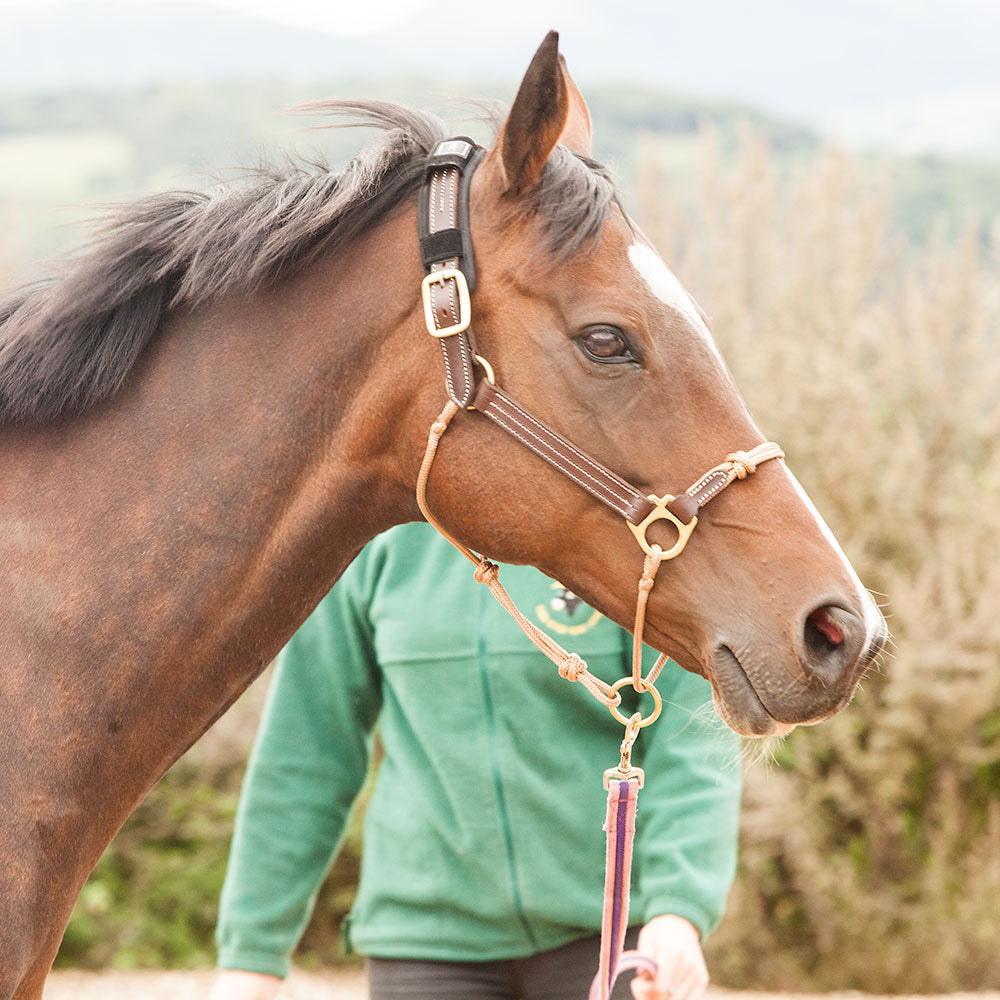
Credit: shop.horseeducation.com
Frequently Asked Questions
What Are Horse Halter Pads Used For?
Horse halter pads protect a horse’s face from rubbing and chafing caused by halters.
How Do Horse Halter Pads Improve Comfort?
They add soft cushioning, reducing pressure and preventing skin irritation on the horse’s head.
What Materials Are Horse Halter Pads Made Of?
Common materials include fleece, neoprene, foam, and soft fabric for gentle padding.
Can Horse Halter Pads Prevent Injuries?
Yes, they help stop sores and bruises by cushioning sensitive areas on the horse’s face.
How Do I Choose The Right Size Halter Pad?
Measure the halter’s noseband or crown piece and select a pad that fits snugly without slipping.
How Often Should Horse Halter Pads Be Cleaned?
Clean pads after every few uses to keep them fresh and avoid skin infections.
Conclusion
Horse halter pads help keep your horse comfortable during rides. They reduce rubbing and prevent sores on sensitive skin. Choosing the right pad can protect your horse’s head. Soft, durable materials work best for long use. Regularly check and clean the pads to keep them fresh.
A good halter pad supports your horse’s well-being. Comfort leads to better behavior and performance. Invest time in finding the perfect pad for your horse. Simple care brings lasting benefits for both you and your horse.
As an Amazon Associate, I earn from qualifying purchases.