Finding the right horse halter size can feel tricky, but it’s one of the most important steps to keep your horse comfortable and safe. If your halter is too tight, it can cause pain and irritation.
Too loose, and it might slip off or cause accidents. You want a perfect fit that supports your horse without any discomfort. This Horse Halter Size Chart will guide you step-by-step to measure your horse correctly and choose the best halter size.
Keep reading, and you’ll never have to worry about guessing again.
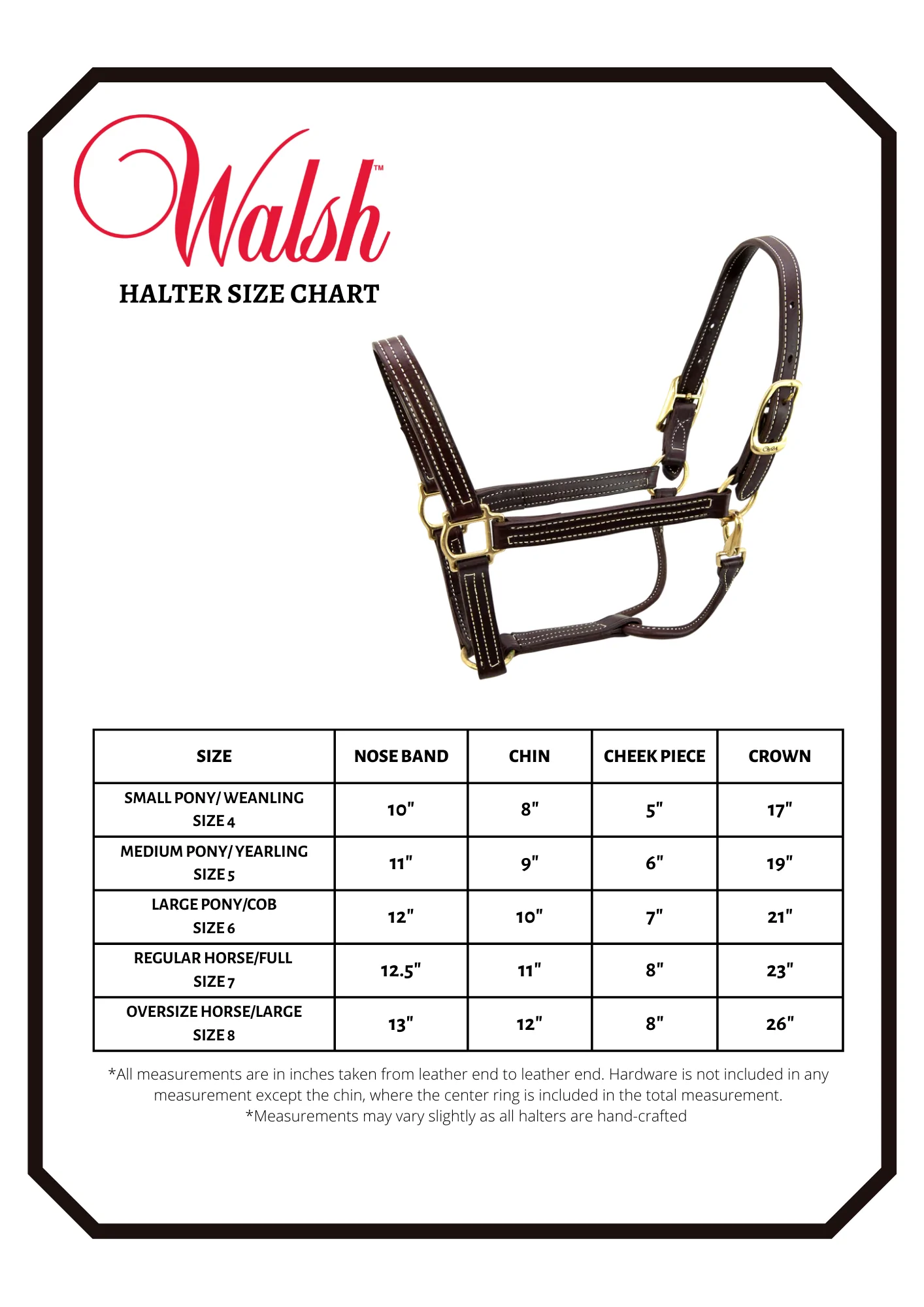
Credit: www.tacknrider.com
Choosing The Right Halter Size
Choosing the right halter size is important for your horse’s comfort and safety. A halter that fits well helps control your horse gently and prevents injuries. Too tight or too loose can cause problems during handling.
Understanding how to measure and select the correct size makes a big difference. Use this guide to find the perfect fit for your horse’s halter.
Measuring Your Horse
Start by measuring your horse’s head with a soft tape. Measure around the nose, just below the cheekbones. Then measure the distance from behind the ears, over the poll, to the noseband area.
Write down these numbers. They help match your horse to the right halter size. Always measure gently to avoid mistakes.
Common Halter Sizes
Halter sizes vary from extra small to extra large. The most common sizes are pony, cob, and full. Ponies have smaller heads, cob fits medium horses, and full suits larger breeds.
Check size charts from manufacturers. Sizes can differ slightly, so use your measurements as a guide. Choose the size closest to your horse’s measurements for the best fit.
Adjustable Vs Fixed Halters
Adjustable halters have buckles or sliders to change size. They offer flexibility for growing horses or multiple horses. Fixed halters come in set sizes without adjustments.
Adjustable halters are easier to fit but may be less durable. Fixed halters can be stronger but must fit perfectly. Select based on your horse’s needs and how often you change halters.
Size Chart Breakdown
Understanding the horse halter size chart is key to finding the right fit. Proper fit keeps your horse comfortable and safe. The chart breaks down sizes by horse types and ages. This guide helps you pick the right halter size quickly.
Each size fits different head shapes and sizes. Knowing the size groups makes measuring easier. Let’s explore the size chart details for various horse categories.
Foal And Pony Sizes
Foals and ponies have smaller heads than adult horses. Their halter sizes usually start at extra small or small. Foal halters fit young horses up to six months old. Pony sizes often cover breeds under 14.2 hands tall. These halters have shorter nosebands and thinner straps. Always measure around the nose and poll for best fit.
Cob And Horse Sizes
Cobs and horses are medium-sized equines. Their halter sizes generally range from medium to large. Cobs are stocky but smaller than full-sized horses. Standard horse sizes suit most riding and working horses. Measure from the poll to the noseband carefully. This ensures the halter is neither too tight nor loose. Adjustable halters work well for this group.
Warmblood And Draft Sizes
Warmbloods and draft horses have large, broad heads. Their halters come in extra-large or oversized sizes. Draft halters are wider and stronger to hold bigger heads. Warmbloods need halters with longer straps and wider nosebands. Measure both the length and width of the horse’s head. This prevents chafing and discomfort during wear.
Material And Fit Considerations
Choosing the right material and fit for a horse halter is important. It affects comfort, safety, and durability. Each material has its strengths and needs special care. Proper fit helps prevent injuries and ensures control.
Nylon Halters
Nylon halters are strong and easy to clean. They come in many colors and styles. These halters dry quickly after rain or sweat. Check the fit often to avoid rubbing or chafing. Nylon is less flexible but very durable.
Leather Halters
Leather halters look classic and provide a soft feel. They are strong but need regular oiling to stay soft. Leather can break if not cared for well. These halters fit well with adjustments and mold to the horse’s shape over time.
Rope Halters
Rope halters are lightweight and simple in design. They apply pressure to control the horse gently. Rope halters can fit most horses but check knots for comfort. They are easy to adjust and dry quickly after use.

Credit: www.knottygirlz.com
Signs Of A Proper Fit
Knowing the signs of a proper horse halter fit is important for your horse’s comfort and health. A well-fitted halter helps keep your horse safe and happy. It also stops problems like rubbing or slipping. Watch your horse closely to see if the halter fits just right.
Comfort And Safety
The halter should sit snugly but not tight. It must not press on the horse’s eyes or nose. The horse should move its head freely without pain. Check for any pinching or pulling on the skin. A good fit keeps the horse calm and relaxed.
Avoiding Chafing
Rubbing causes sores and hair loss. Look for red or raw spots on the horse’s face. The halter straps should not rub against the skin. Soft, smooth materials reduce rubbing. Regularly check the halter to prevent chafing.
Adjusting For Growth Or Weight Changes
Horses grow and change weight over time. Adjust the halter straps to fit these changes. Too loose halters can slip off. Too tight halters can hurt the horse. Keep measuring your horse’s head to maintain the right fit.
Tips For Buying And Maintaining Halters
Choosing the right halter size is important for your horse’s comfort and safety. Proper care keeps the halter strong and clean. Follow these tips to buy and maintain halters well.
Trying Before Buying
Test the halter on your horse before buying. Make sure it fits snugly but not tight. Check the noseband sits low on the face. The halter should not rub or pinch the skin. Adjust straps to find the right fit. A proper fit stops chafing and injury.
Cleaning And Care
Regular cleaning extends the halter’s life. Remove dirt and sweat after use. Use mild soap and warm water for cleaning. Rinse well to avoid soap buildup. Dry the halter in the shade to prevent damage. Check buckles and stitching often for wear. Clean halters are safer and last longer.
When To Replace A Halter
Replace a halter if it shows wear or damage. Look for frayed straps, broken buckles, or loose stitching. A damaged halter can break suddenly. Replace halters that no longer fit your horse well. Regularly inspect halters to ensure safety. Change halters at the first sign of weakness.

Credit: chimacumtack.com
Frequently Asked Questions
What Are The Common Horse Halter Sizes?
Common sizes include pony, cob, horse, and draft, each fitting different horse types and ages.
How To Measure A Horse For Halter Size?
Measure around the horse’s nose and behind the ears to get accurate halter size.
Why Is Choosing Correct Halter Size Important?
A proper fit prevents discomfort, skin rubbing, and ensures safety during handling.
Can One Halter Size Fit All Horses?
No, horses vary in size; using the right size halter is essential for comfort.
How To Adjust A Horse Halter For The Best Fit?
Use adjustable straps on the noseband and crownpiece to fit snugly, not tight.
What Materials Are Common For Horse Halters?
Nylon, leather, and rope are popular materials, each offering different durability and comfort.
Conclusion
Choosing the right horse halter size helps your horse stay safe and comfortable. Use the size chart to find the best fit. Measure your horse carefully and check the chart often. A good fit stops rubbing and slipping during rides.
Remember, a proper halter supports training and daily care. Keep this guide handy when buying or adjusting halters. Your horse will thank you with better comfort and control. Simple steps, better results.
As an Amazon Associate, I earn from qualifying purchases.