If you ride horses or are just getting started, understanding your horse’s headstall parts is key to a comfortable and safe ride. Knowing each piece and how it works helps you care better for your horse and ensures your gear fits just right.
Whether you want to fix, clean, or choose the perfect headstall, this guide will make everything simple and clear. Keep reading, and you’ll soon feel confident about every part that goes over your horse’s head.
Key Components Of A Headstall
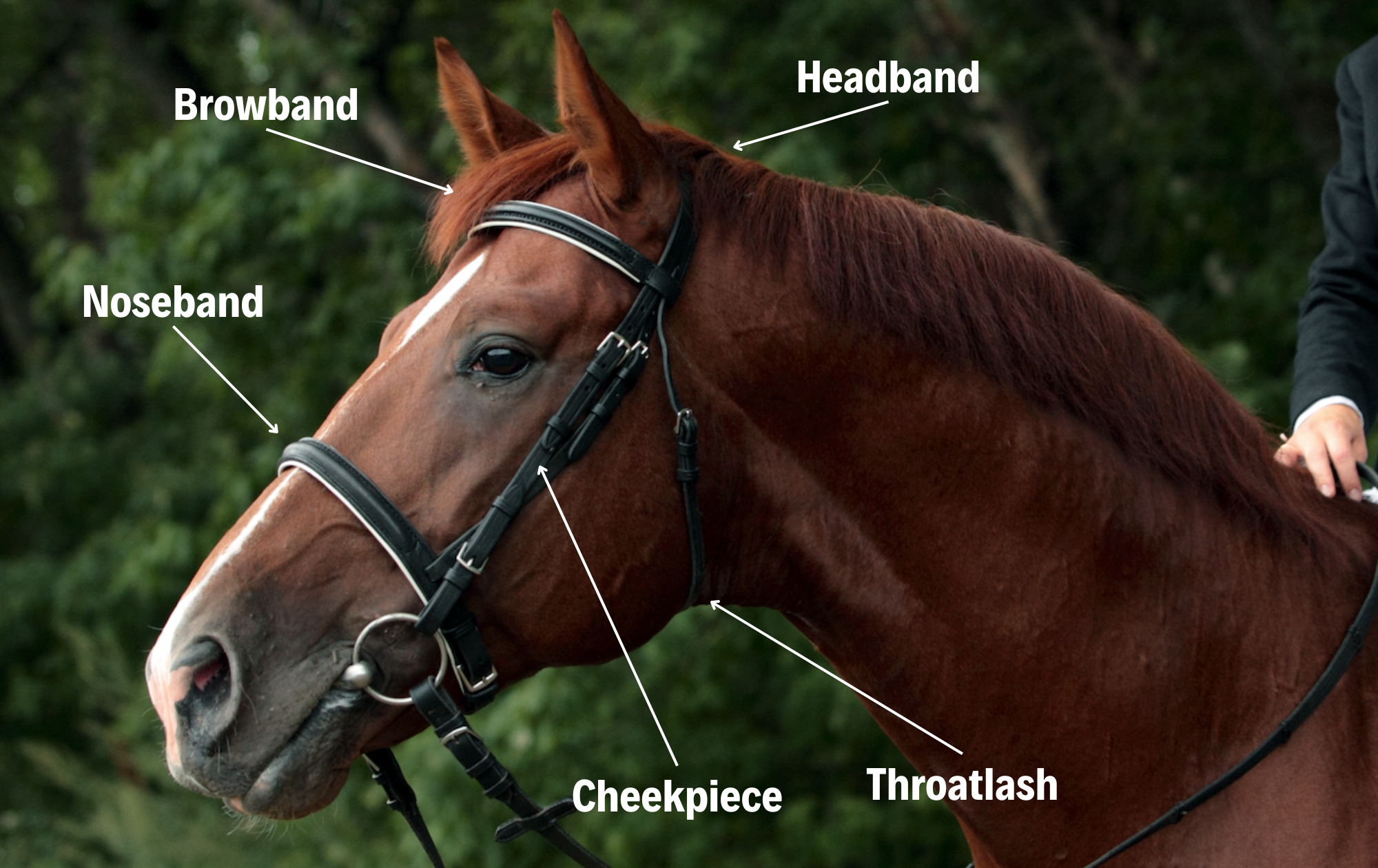
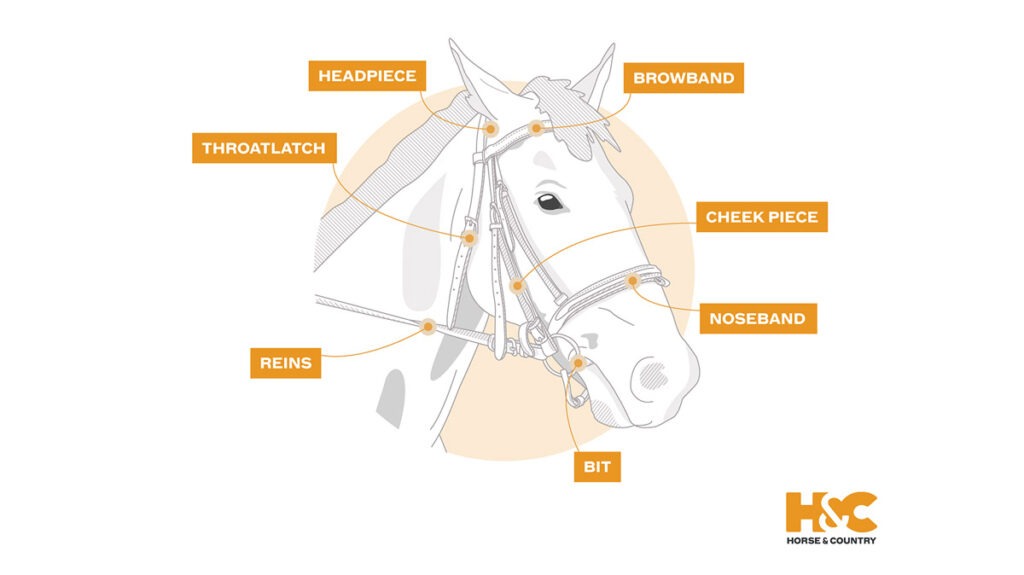
The headstall is an essential part of horse tack. It holds the bit in place and helps the rider guide the horse. Knowing the main parts of a headstall helps in choosing the right one. Each part has a special role in comfort and control.
Crownpiece
The crownpiece sits behind the horse’s ears. It supports the whole headstall. It must be strong but soft enough to avoid irritation. Proper fit here is key for the horse’s comfort.
Browband
The browband runs across the horse’s forehead. It stops the headstall from sliding back. This part adds stability. Some browbands have decorations, but comfort is most important.
Cheekpieces
Cheekpieces connect the crownpiece to the bit. They hold the bit at the right height. Good cheekpieces are adjustable for a perfect fit. This helps the horse respond well.
Throatlatch
The throatlatch runs under the horse’s throat. It keeps the headstall from slipping over the ears. It should be snug but not tight. This part adds extra security during riding.
Bit Attachments
Bit attachments link the bit to the headstall. They must be secure and easy to adjust. Different bits require specific attachments. Proper fit here ensures clear communication with the horse.
Credit: www.yourhorse.co.uk
Materials For Durability And Comfort
Choosing the right materials for horse headstall parts ensures both durability and comfort. Strong materials last longer and protect your horse. Soft, flexible parts keep the horse comfortable during rides. Understanding the common materials helps you pick the best headstall for your needs.
Leather Types
Leather is a popular choice for horse headstalls. It is strong and flexible. Full-grain leather is the toughest and lasts the longest. This leather softens over time and fits well. Top-grain leather is smoother but less durable. Latigo leather is thick and holds up well in wet conditions. Proper care keeps leather soft and prevents cracking.
Synthetic Options
Synthetic materials offer a lightweight alternative to leather. Nylon is common and easy to clean. It dries quickly after rain or sweat. Biothane is another synthetic, coated to resist water and dirt. These materials require less maintenance than leather. They come in many colors and styles. Synthetic headstalls can be strong and comfortable too.
Hardware Materials
Hardware connects the headstall parts securely. Stainless steel is the most common metal used. It resists rust and lasts long. Brass is another choice, adding a classic look. Some hardware has chrome plating for extra shine and protection. Strong buckles and rings keep the headstall safe. Quality hardware ensures the headstall stays in place during rides.
Fit And Adjustability Factors
Proper fit and adjustability are key for a comfortable horse headstall. A good fit helps the horse respond better and prevents discomfort. Each part of the headstall needs careful adjustment to suit the horse’s head shape and size. Small changes can make a big difference in control and comfort.
Sizing The Crownpiece
The crownpiece rests behind the horse’s ears. It must fit snugly but not tight. Too small causes pressure and pain. Too large makes the headstall slip forward. Measure the horse’s poll width for the right size. Adjust the crownpiece so it sits flat without pinching.
Adjusting The Cheekpieces
Cheekpieces connect the crownpiece to the bit. They control the bit height in the horse’s mouth. Set them so the bit sits comfortably without pulling the corners of the mouth. Too high or low can cause the horse to resist or be uncomfortable. Check the bit position often for a good fit.
Throatlatch Tightness
The throatlatch secures the headstall under the horse’s jaw. It should be snug but allow some space. A tight throatlatch can restrict breathing and cause stress. A loose one lets the headstall move too much. Aim for about two fingers’ space between the throatlatch and the jaw.
Enhancing Comfort For Your Horse
Comfort is key for every horse wearing a headstall. A well-designed headstall helps your horse feel relaxed and focused. It reduces stress and prevents injuries. Horses perform better when they feel good. Understanding the parts that enhance comfort makes a big difference.
Padding And Lining
Soft padding cushions the horse’s head. It stops rubbing and skin irritation. Many headstalls use fleece or foam lining. This padding protects sensitive areas like the poll and cheeks. A smooth lining also helps the headstall fit snugly without pinching.
Weight Distribution
Even weight spread lowers pressure on the horse’s head. Balanced weight stops the headstall from pulling in one spot. It helps the horse carry the tack easily. Proper weight distribution supports better control and less discomfort during riding.
Avoiding Pressure Points
Pressure points cause pain and can lead to sores. Good headstall design avoids tight spots near the ears and jaw. Adjustable straps let you fit the headstall perfectly. Reducing pressure points keeps your horse calm and happy.
Maintenance And Care Tips
Proper care keeps your horse headstall in top shape. It improves safety and comfort for your horse. Regular maintenance stops damage and extends the headstall’s life.
Simple steps protect the leather and hardware. Clean, check, and store the parts carefully. These habits save money and prevent unexpected repairs.
Cleaning Leather Headstalls
Use a soft brush to remove dirt and dust. Wipe the leather with a damp cloth. Avoid soaking the leather to prevent damage.
Apply a mild leather cleaner for deeper cleaning. Let it dry naturally, away from direct sunlight. Finish with a leather conditioner to keep it soft.
Checking Hardware
Look over buckles, rings, and snaps for rust or cracks. Test if all parts move smoothly and hold tight. Replace any weak or broken hardware immediately.
Secure hardware keeps the headstall safe during rides. Regular checks prevent accidents and discomfort for your horse.
Storing Properly
Store the headstall in a cool, dry place. Hang it to keep its shape and avoid creases. Keep it away from heat and moisture, which can cause damage.
Cover the headstall with a cloth to protect from dust. Proper storage helps maintain the leather and hardware quality.
Credit: horseandcountry.tv
Choosing The Right Headstall Style
Choosing the right headstall style is key to comfort and control while riding. The headstall connects the bit to the reins and fits around the horse’s head. Different styles suit different horses and riding needs. Picking the right one helps both rider and horse perform better.
Western Vs English Designs
Western headstalls often have a simple, sturdy design. They usually lack a noseband and focus on durability. English headstalls tend to be lighter and more delicate. They include a noseband for extra control. Each style fits specific riding techniques and traditions.
Decorative Elements
Decorations add personality and style to a headstall. Western designs may include silver conchos, tooling, and beads. English headstalls are usually plain but can have stitched or padded accents. Choose decorations that match your riding style and horse’s comfort.
Purpose-based Selection
Riding goals influence headstall choice. Trail riding needs a strong, simple headstall for comfort. Show horses require polished, neat headstalls with fine details. Training may call for adjustable, functional designs. Match the headstall to the horse’s activity.

Credit: horsesaddleshop.org
Frequently Asked Questions
What Are The Main Parts Of A Horse Headstall?
A horse headstall has the crownpiece, browband, cheekpieces, throatlatch, and bit attachments.
How Does A Browband Help In A Horse Headstall?
The browband stops the headstall from sliding down the horse’s face.
Why Is The Crownpiece Important In A Headstall?
The crownpiece holds the headstall on the horse’s head securely.
What Role Do Cheekpieces Play In A Headstall?
Cheekpieces connect the bit to the headstall and help control the horse.
How Does A Throatlatch Improve Headstall Fit?
The throatlatch keeps the headstall from slipping off the horse’s head.
Can Headstall Parts Be Replaced Individually?
Yes, most parts like cheekpieces and browbands can be replaced separately.
Conclusion
Knowing the main parts of a horse headstall helps you choose the right one. Each part plays a role in comfort and control. A good fit keeps the horse calm and responsive. Check straps, buckles, and reins often for safety.
Understanding headstall parts makes riding easier and more fun. Always take care of your gear. Simple steps protect your horse and improve your riding experience.
As an Amazon Associate, I earn from qualifying purchases.