If you’re passionate about horse jumping or just getting started, understanding horse jump standards is key to improving your skills and ensuring safety. These standards set the rules for height, width, and design of jumps, helping you and your horse perform at your best.
Knowing what makes a good jump can boost your confidence and keep your training on track. Ready to learn how to choose and use the right jump standards for your riding goals? Let’s dive in and get you fully prepared.
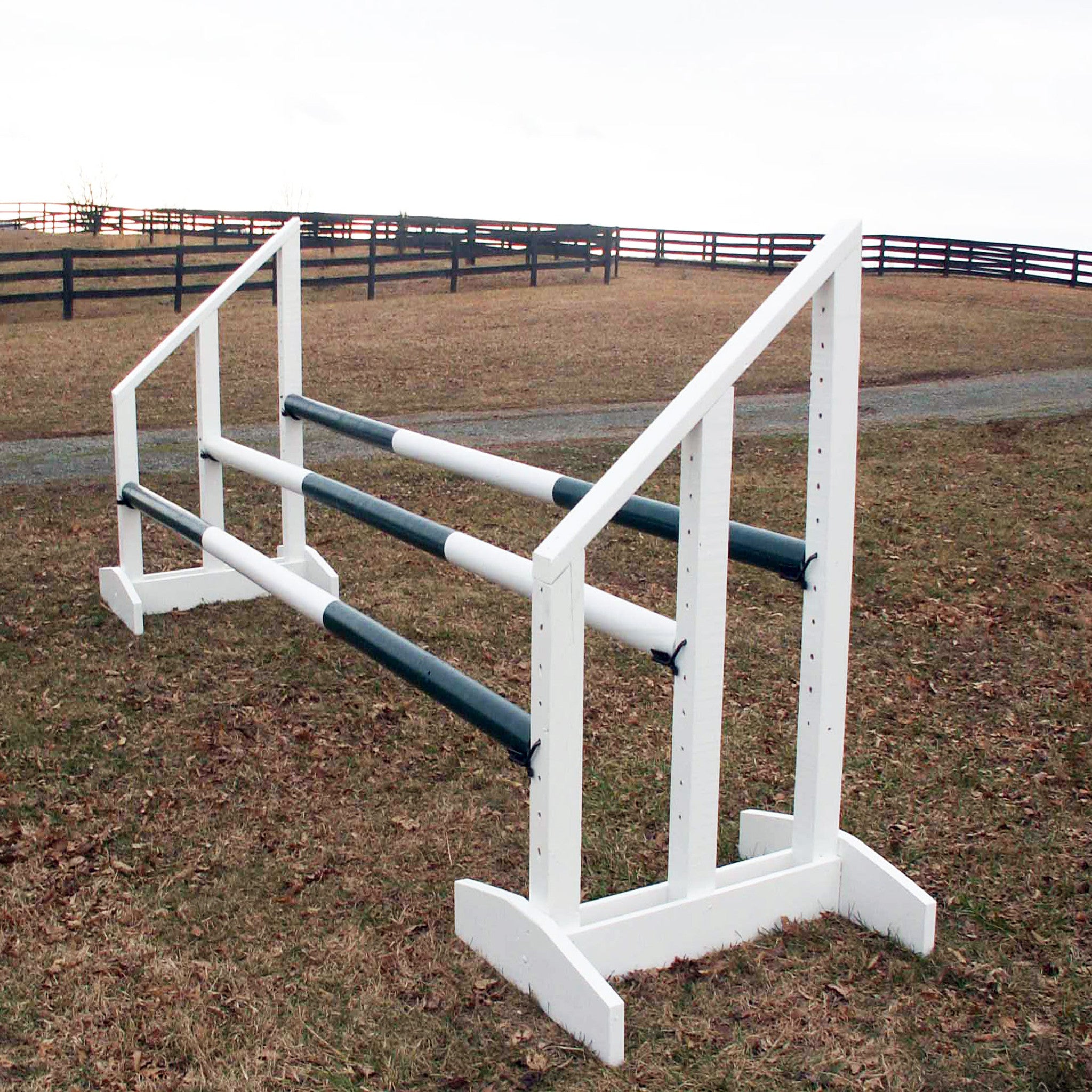
Credit: www.platinumjumps.com
Types Of Horse Jumps
Horse jumping involves different types of jumps that test the horse’s skill and agility. Each type challenges the horse and rider in unique ways. Understanding these jumps helps riders prepare better and improve performance.
Vertical Jumps
Vertical jumps are simple fences made of poles or planks placed one above the other. They have no width, so horses must jump high to clear them. These jumps test the horse’s power and precision. Riders must keep a steady pace and good balance to succeed.
Oxers And Spread Fences
Oxers are wider jumps with two sets of poles placed close together. They require horses to jump both high and far. Spread fences include other wide jumps like triple bars. These jumps challenge the horse’s scope and strength. Riders must guide their horses carefully to avoid hitting the poles.
Combinations And Related Distances
Combinations are sets of two or more jumps placed close together. Horses must jump quickly and accurately from one fence to the next. Related distances refer to the space between jumps in a combination. Correct stride length is important. Riders need precise timing and control to clear combinations smoothly.
Natural And Man-made Obstacles
Natural obstacles include logs, brush, and water elements. They mimic outdoor terrain and test the horse’s bravery. Man-made obstacles are designed fences made from various materials. Both types add variety and challenge to courses. Horses learn to handle different surfaces and shapes through these jumps.
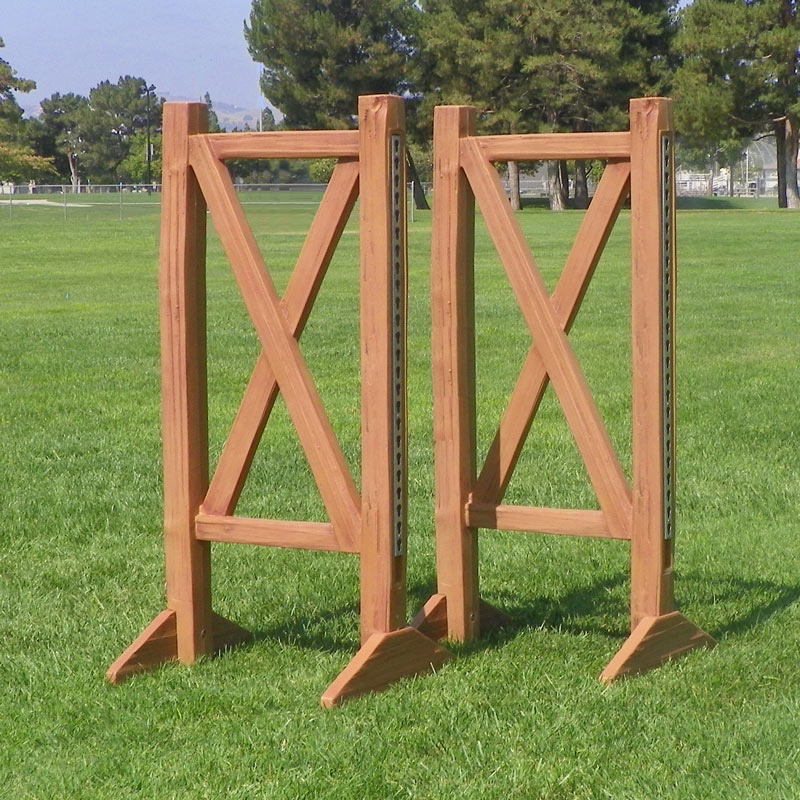
Credit: premierequestrian.com
Height And Width Regulations
Height and width rules for horse jump standards keep the sport safe and fair. They help riders and horses train well and compete properly. These rules also protect horses from injury by setting limits on jump size.
Jump standards must follow exact height and width limits. These limits change based on the competition level and the horse’s skill. Understanding these rules helps riders prepare better for events.
Standard Heights For Different Levels
Jump heights vary by rider skill and competition class. Beginners usually start with jumps around 2 to 2.5 feet tall. Intermediate riders jump between 2.5 and 3.5 feet. Advanced levels can reach heights of 4 feet or more. Each level builds the horse’s confidence and strength safely.
Width Requirements And Variations
Jump width is as important as height. It challenges the horse’s ability to clear obstacles. Width can range from 2 feet for beginners up to 6 feet for advanced horses. Wider jumps test the horse’s power and jumping style. Different jump types, like oxers, have specific width limits too.
Adjusting For Horse Size And Experience
Jump standards also change based on horse size and training. Smaller horses often face lower and narrower jumps. Young or new horses start with easier jumps to build skills. More experienced horses handle taller and wider jumps safely. Trainers adjust standards to keep horses comfortable and confident.
Material And Construction
Horse jump standards play a crucial role in equestrian sports. Their material and construction affect performance and safety. Choosing the right standards ensures durability and reliability during jumps.
Common Materials Used
Most horse jump standards are made from wood or plastic. Wood offers a classic look and strong support. Plastic standards are lightweight and resist weather damage. Some jump standards combine metal parts for extra strength. Each material suits different training and competition needs.
Safety Features In Design
Jump standards include safety features to protect horses and riders. Rounded edges prevent injuries during contact. Breakaway cups hold poles firmly but release on impact. This reduces the risk of falls and accidents. Bright colors improve visibility for better horse judgment.
Maintenance And Inspection
Regular inspection keeps jump standards safe and functional. Check for cracks, splinters, or loose parts before use. Clean standards to remove dirt and moisture that cause damage. Replace worn or broken components quickly. Proper care extends the life of the standards and ensures safety.
Course Design Principles
Designing a horse jump course is a careful art. It must test the horse and rider but also keep everyone safe. Good course design helps riders show their skills and horses to perform their best. Each jump and turn plays a role in the overall challenge.
Course designers think about many things. They plan the order and height of jumps. They create a path that flows well. They add technical parts to make the course interesting. The goal is a course that is fair, fun, and safe for all.
Balancing Challenge And Safety
Courses should push riders without causing danger. Jumps must be hard enough to test skill. They cannot be so hard that riders risk falls. Safety includes clear spaces and good footing. Designers watch the course from a rider’s view. They choose jump heights that match the event level.
Flow And Rhythm Considerations
Riders need a smooth path through the course. Jumps should follow each other in natural rhythm. Sudden sharp turns make the course tricky. Easy flow helps horses stay calm and confident. Designers plan distances so horses keep steady pace. This balance improves performance and enjoyment.
Incorporating Technical Elements
Technical parts add variety to the course. Combinations, related distances, and bending lines test precision. These elements require riders to plan and control speed. Technical jumps make a course interesting to ride. They help show the skill of horse and rider. Careful placement avoids making the course too hard.
Training For Jump Standards
Training for jump standards is key to improving horse and rider skills. It shapes how well they clear obstacles safely and smoothly. The process requires patience and steady practice. Each step builds strength, balance, and trust between horse and rider.
Focused training helps develop timing and control. It also teaches horses to approach jumps confidently. Riders learn to guide their horses with clear signals. Training prepares both for various jump heights and styles.
Progressive Training Techniques
Start with low jumps to build basic skills. Gradually raise the height as confidence grows. Use poles on the ground to practice stride length. Work on rhythm and pace before adding height. Practice different jump types like verticals and oxers. Repeat exercises to improve muscle memory and form.
Building Confidence And Accuracy
Confidence comes from success at lower heights. Praise your horse to encourage effort. Keep training sessions short to avoid fatigue. Focus on smooth approaches and clear take-offs. Use consistent commands to reduce confusion. Accurate jumps reduce the risk of knocking rails down.
Common Mistakes And Corrections
Rushing the jump can cause refusals or faults. Slow down and steady your horse’s pace. Leaning forward too much affects balance. Sit tall and keep your hands soft. Missing the stride leads to awkward jumps. Practice counting strides to improve timing. Avoid overfacing your horse with too-high fences. Build up gradually to prevent stress and injuries.
Competition Rules And Compliance
Competition rules and compliance are essential for horse jump standards. These rules ensure fairness and safety during events. Riders, trainers, and organizers must follow them strictly. Understanding these rules helps avoid penalties and disqualifications. Compliance also protects the welfare of horses and riders.
Governing Bodies And Standards
Several organizations set the rules for horse jumping events. The International Federation for Equestrian Sports (FEI) leads global standards. National bodies like the United States Equestrian Federation (USEF) manage rules locally. These groups decide jump height, width, and design regulations. They also create safety protocols for competitions.
Penalties For Non-compliance
Breaking competition rules can lead to serious penalties. Riders may face point deductions or elimination. Events may disqualify horses for unsafe jump setups. Officials can impose fines or suspensions on trainers. Following rules avoids these penalties and keeps the competition fair.
Preparing For Official Inspections
Officials inspect jumps before and during competitions. Jumps must meet size and construction standards. Organizers should check equipment for damage or wear. Clear and visible markings are required on all jumps. Preparing well ensures smooth inspections and prevents delays. It also shows respect for the sport’s rules.
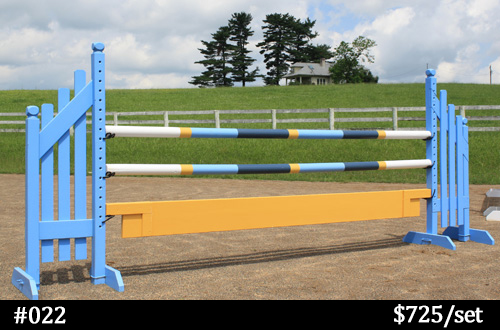
Credit: www.olddominionjumps.com
Frequently Asked Questions
What Are Horse Jump Standards Used For?
Horse jump standards hold the poles at set heights for jumping practice and competitions.
How High Can Horse Jump Standards Go?
Jump standards can adjust from about 2 feet to over 5 feet, depending on skill level.
What Materials Make Good Horse Jump Standards?
Wood, plastic, and metal are common materials, each offering different durability and weight.
How Do You Adjust Horse Jump Standards Safely?
Lift the pole carefully and place it on the desired notch or cup on the standard.
Why Is Height Adjustment Important In Horse Jump Standards?
Adjusting height helps match jumps to the horse’s training level and rider’s ability.
Can Horse Jump Standards Be Used Outdoors And Indoors?
Yes, most standards are designed for both indoor arenas and outdoor riding areas.
Conclusion
Horse jump standards set clear rules for safe and fair riding. They help riders know the right height and width to use. Standards keep both horse and rider comfortable and confident. Understanding these rules makes training and competitions smoother. Always check your jump standards before each session.
This way, you avoid accidents and improve your skills steadily. Following these guidelines benefits everyone involved in horse jumping. Keep learning and practicing with care for the best results.
As an Amazon Associate, I earn from qualifying purchases.