If your horse struggles with breathing issues, you know how worrying it can be. A Horse Nebulizer Mask could be the simple solution you’ve been searching for.
It helps deliver medication directly to your horse’s lungs, making treatment faster and more effective. You’ll discover how this tool works, why it matters, and how it can improve your horse’s health and comfort. Keep reading to find out how to make breathing easier for your equine friend.
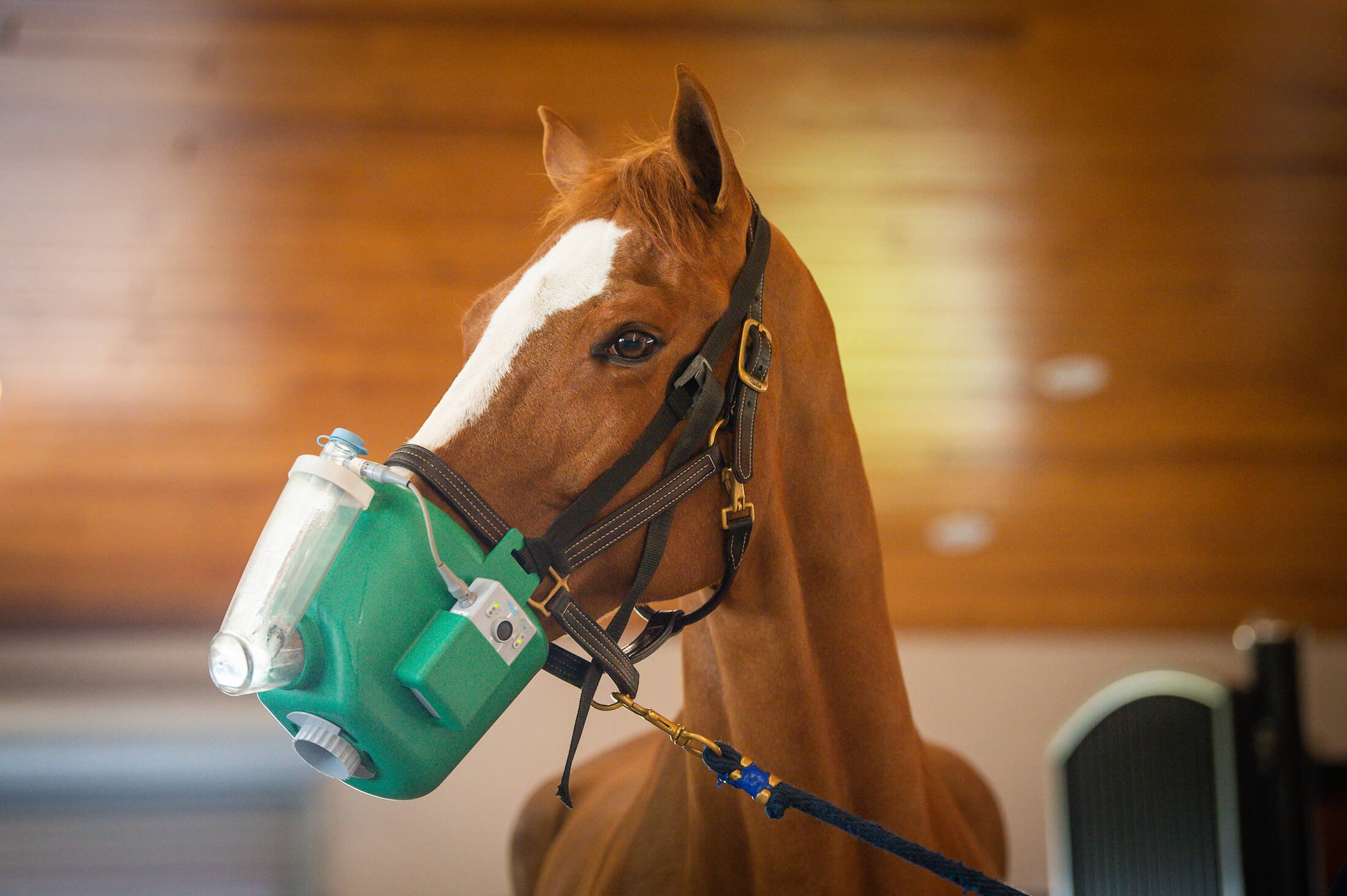
Credit: www.flexineb.us
Benefits Of Horse Nebulizer Masks
Horse nebulizer masks offer several benefits for horses with breathing issues. They provide a gentle way to deliver medicine directly to the lungs. These masks help improve the horse’s overall respiratory health and make treatment easier for both the animal and the caretaker.
Improving Respiratory Health
Nebulizer masks help clear the airways by delivering moisture and medication. This reduces inflammation and opens up the lungs. Horses breathe easier and recover faster from respiratory problems. Regular use supports better lung function and overall health.
Enhancing Medication Delivery
The mask ensures medicine reaches deep into the lungs. This improves the effectiveness of treatment. Less medicine is wasted, making the process efficient. The direct delivery helps fight infections and reduce symptoms faster.
Reducing Stress During Treatment
The mask fits comfortably and is less scary than other methods. Horses stay calm and relaxed during treatment. This lowers stress and helps the medicine work better. Stress-free treatments lead to quicker recovery and happier horses.

Credit: systemequine.com
Types Of Nebulizer Masks For Horses
Nebulizer masks help deliver medicine directly to a horse’s lungs. They come in different types to fit various needs. Choosing the right mask improves treatment and comfort for the horse. Understanding these types helps horse owners and vets make better choices.
Standard Masks
Standard masks fit most horses. They are easy to use and clean. Made from soft materials, they cover the horse’s nose and mouth. These masks work well for many breathing treatments. They are affordable and widely available.
Custom-fit Masks
Custom-fit masks are made to match a horse’s face shape. They offer better comfort and seal. This type reduces medicine loss during treatment. Custom masks suit horses with unique face sizes or shapes. They provide a more secure fit than standard ones.
Portable Nebulizer Systems
Portable systems combine a mask and a small nebulizer device. They allow treatment anywhere, even outdoors. These systems are lightweight and easy to carry. They offer flexibility for horses that need regular therapy. Portable nebulizers save time and keep horses calm.
Choosing The Right Mask
Choosing the right horse nebulizer mask is key for effective treatment. The mask must fit well and feel comfortable. Poor fit can cause leaks and reduce medicine delivery. Selecting the right mask helps your horse breathe easier during treatment.
Size And Fit Considerations
Measure your horse’s muzzle before buying a mask. A mask too tight will cause discomfort and stress. A loose mask lets medicine escape, lowering treatment success. Check straps and closures for easy adjustment. Good fit keeps the mask stable during use.
Material And Durability
Select masks made from soft but strong materials. Silicone and rubber are gentle on skin and last long. Avoid masks with rough edges that may irritate your horse. Durable materials withstand regular cleaning and daily use. Choose masks that hold shape well over time.
Compatibility With Medications
Confirm the mask works with your nebulizer machine. Some masks fit only specific devices. Check if the mask material is safe with all types of medicines. Some plastics react with certain drugs and lose strength. Compatibility ensures safe and effective medicine delivery every time.
How To Use A Horse Nebulizer Mask
Using a horse nebulizer mask correctly helps deliver medicine effectively. This process needs care and attention to keep your horse comfortable. Follow simple steps to prepare, administer, and clean the equipment. This keeps treatment safe and easy for both you and your horse.
Preparing The Equipment
First, check all parts of the nebulizer mask. Make sure the mask fits your horse’s face well. Attach the tubing to the nebulizer machine. Pour the prescribed medicine into the medication cup. Connect the cup to the machine. Turn on the nebulizer to see if mist comes out. This ensures the device works before placing it on your horse.
Administering Medication
Hold your horse’s head gently but firmly. Place the mask over the horse’s nose and mouth. Make sure the mask seals around the nose. Keep the horse calm by speaking softly. Let the horse breathe normally through the mask. Continue treatment until all the medicine is used. Watch your horse for signs of stress or discomfort.
Cleaning And Maintenance
Turn off and unplug the nebulizer after use. Remove the mask and medication cup. Wash these parts with warm, soapy water. Rinse them well to remove soap. Let all parts air dry completely. Clean the tubing as instructed by the manufacturer. Regular cleaning prevents infection and keeps the device working well.
Common Respiratory Conditions Treated
Horses often face breathing problems that need care and treatment. A horse nebulizer mask helps deliver medicine directly to the lungs. This method treats many common respiratory conditions effectively. Understanding these conditions can help owners use the mask properly and improve their horse’s health.
Heaves (recurrent Airway Obstruction)
Heaves is a chronic lung disease in horses. It causes coughing and difficulty breathing. Dust, mold, and allergens in hay often trigger it. The horse nebulizer mask delivers medicine that reduces inflammation. It helps open airways and ease breathing struggles.
Inflammatory Airway Disease
This condition affects young horses and racehorses mostly. It causes mild to moderate airway inflammation. Symptoms include coughing and poor performance. Using a nebulizer mask helps deliver anti-inflammatory drugs. This treatment reduces swelling and clears mucus in the lungs.
Infections And Allergies
Respiratory infections and allergies are common in horses. Bacteria, viruses, or allergens cause these issues. The nebulizer mask provides antibiotics or allergy medicines directly to the lungs. This method speeds recovery and reduces symptoms like coughing and nasal discharge.

Credit: www.flexineb.us
Tips For Successful Nebulization
Nebulization helps deliver medicine directly to a horse’s lungs. Success depends on several small but important steps. Following these tips makes the process easier for you and your horse. The right approach ensures better treatment results and less stress.
Calming Your Horse
Start by creating a quiet, safe space. Speak softly and move slowly to avoid startling your horse. Let the horse sniff the nebulizer mask before use. Gentle petting can help the horse relax. Calm horses accept the mask more quickly and stay still during treatment.
Optimal Treatment Duration
Follow the vet’s advice on how long to nebulize. Most treatments last between 10 and 20 minutes. Shorter sessions might not deliver enough medicine. Longer sessions can tire your horse and cause stress. Watch the horse’s behavior for signs of discomfort.
Monitoring And Adjusting Therapy
Keep an eye on your horse during and after treatment. Notice any coughing or breathing changes. If the horse resists, try shorter sessions or more calming. Talk to your vet if symptoms change or do not improve. Adjustments may be needed to find the best therapy plan.
Troubleshooting And Safety
Using a horse nebulizer mask helps treat breathing issues in horses. Safety and troubleshooting are key for good results. Knowing how to spot problems early protects your horse’s health. Keeping the equipment clean prevents infections and keeps treatments safe.
Recognizing Side Effects
Watch for coughing or wheezing during treatment. Some horses may have skin irritation from the mask. Look for redness or swelling around the nose and face. If your horse acts restless or refuses the mask, it may be uncomfortable. Stop the treatment and check the horse carefully.
Avoiding Contamination
Clean the nebulizer mask after every use. Use warm water and mild soap to wash all parts. Dry the mask completely before storing it. Avoid sharing the mask between different horses. Dirty equipment can spread germs and cause more illness.
When To Consult A Veterinarian
Contact a vet if side effects continue or get worse. Seek help if your horse has trouble breathing. If the mask does not improve symptoms after several treatments, call your vet. A professional can adjust the treatment or find other causes.
Frequently Asked Questions
What Is A Horse Nebulizer Mask Used For?
A horse nebulizer mask helps deliver medicine directly to a horse’s lungs.
How Does A Horse Nebulizer Mask Work?
It turns liquid medicine into mist for easy breathing and fast relief.
When Should You Use A Horse Nebulizer Mask?
Use it during respiratory illness or after a vet recommends treatment.
Can All Horses Wear A Nebulizer Mask?
Most horses can, but some may need training to accept the mask.
How To Clean A Horse Nebulizer Mask Properly?
Wash with warm soapy water and dry before storing to avoid germs.
Is A Horse Nebulizer Mask Safe For Daily Use?
Yes, if used as directed by a veterinarian without overuse or misuse.
Conclusion
A horse nebulizer mask helps deliver medicine directly to the lungs. It makes breathing easier for horses with lung problems. This tool is simple to use and gentle on horses. Regular use can improve their health and comfort. Always follow your vet’s advice when using the mask.
Choosing the right mask ensures better treatment results. Caring for your horse’s respiratory health matters a lot. Small steps like this make a big difference over time. Keep your horse happy and healthy with proper care.
As an Amazon Associate, I earn from qualifying purchases.