If you work with horses, you know how important the right equipment is for their comfort and safety. One tool that often gets overlooked but can make a big difference is the horse neck rope.
You might wonder why this simple piece of gear matters so much. Well, the right neck rope can improve your horse’s training, increase control, and even build trust between you and your animal. Keep reading to discover how a horse neck rope can change the way you handle your horse and why choosing the right one is essential for both of you.
Choosing The Right Neck Rope
Choosing the right neck rope for your horse is important for comfort and control. A proper neck rope helps guide your horse safely. It also supports your training efforts without causing stress. Understanding key factors like material, size, and safety features helps you make a good choice.
Material Options
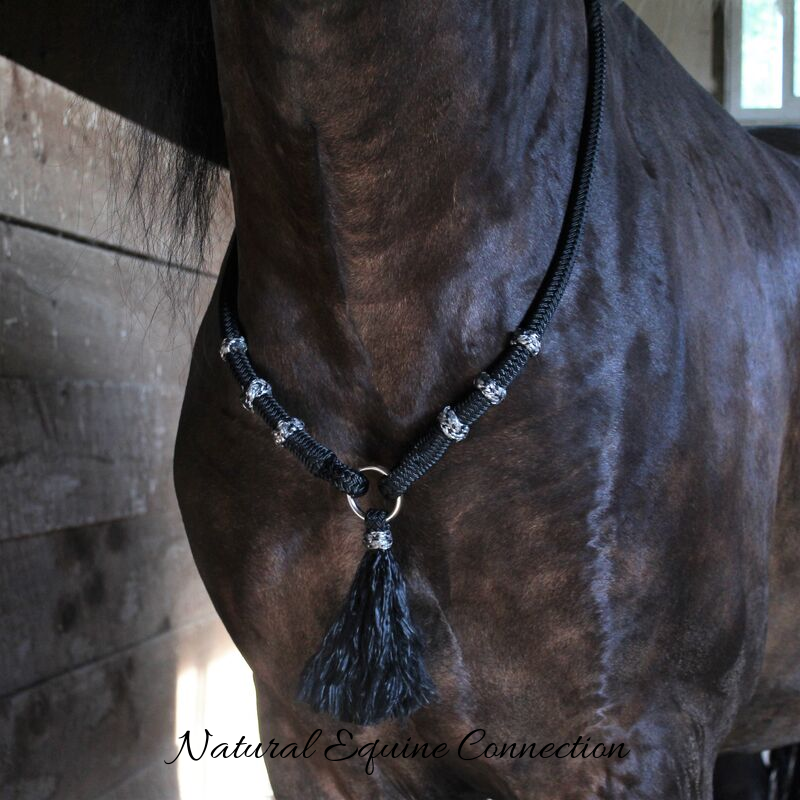
Neck ropes come in different materials. Common types include cotton, nylon, and hemp. Cotton is soft and gentle on the horse’s skin. Nylon is strong and lasts longer but can be rough. Hemp is natural and offers a good grip. Pick a material that suits your horse’s comfort and your training style.
Proper Length And Thickness
The length of the neck rope matters for control. Too short limits movement. Too long can cause tangles. Most ropes range from 6 to 12 feet. Thickness affects how easy the rope is to hold. Thin ropes are light but can dig into hands. Thicker ropes give better grip and comfort. Choose a size that feels right for you and your horse.
Safety Features To Look For
Safety is key when choosing a neck rope. Look for ropes with secure knots and strong stitching. Avoid ropes with frayed ends or weak spots. Some ropes have breakaway features to prevent injury. Make sure the rope does not cause chafing or burns. A safe neck rope protects both you and your horse.
Credit: shop.juliegoodnight.com
Fitting The Neck Rope Correctly
Fitting the neck rope correctly is key for your horse’s safety and comfort. A well-fitted neck rope helps you control your horse gently. It also stops the rope from causing pain or injury. Proper fitting makes riding and training easier for both of you.
Positioning On The Horse
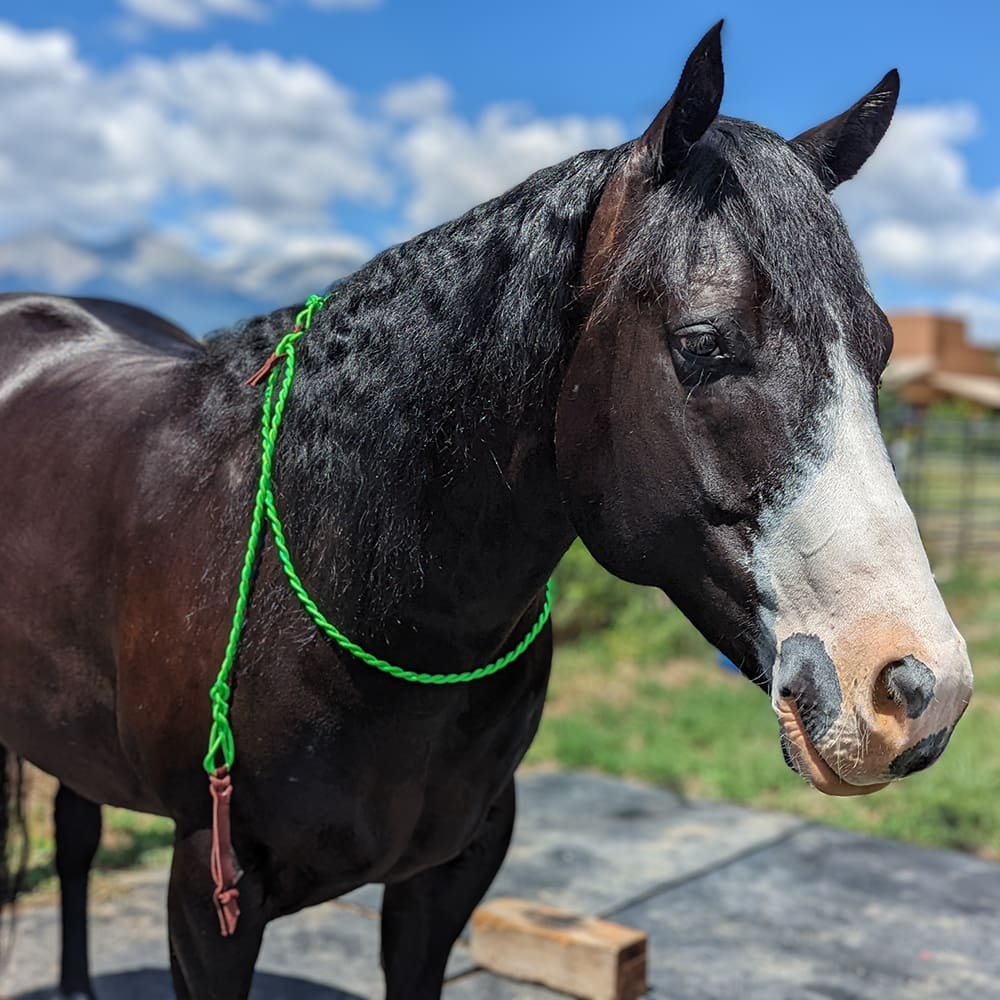
Place the neck rope just behind the horse’s ears. It should rest on the neck, not the throat. Avoid placing it too low near the shoulders. The rope must lie flat without twisting or pinching.
Adjusting For Comfort
Make sure the rope fits snugly but not tight. You should fit two fingers between the rope and the horse’s neck. The horse must breathe and move freely. Check the fit often, especially before riding or training.
Avoiding Common Mistakes
Do not tie the rope too loose or too tight. Avoid placing the rope on the throat or jaw. Never let the rope rub or chafe the skin. Check for worn spots that can break or irritate. Always watch your horse’s reaction to the rope.
Using Neck Ropes Safely
Using a neck rope with horses needs care and attention. The safety of both the horse and handler depends on correct use. Understanding when and how to use a neck rope helps avoid problems. This section covers key points to keep use safe.
When To Use A Neck Rope
Use a neck rope mainly during groundwork or training. It helps control the horse without a halter. Use it only on calm, trained horses. Avoid using a neck rope for riding or in busy areas. Use it for short periods to prevent discomfort. Always check the rope fits well and is not too tight.
Supervision And Handling
Never leave a horse unattended with a neck rope. Always watch the horse closely while using the rope. Hold the rope firmly but gently to avoid sudden pulls. Keep calm and steady hands to build trust. Stop using the rope if the horse shows stress or fear. Supervision helps prevent accidents and keeps the horse safe.
Preventing Injuries
Check the rope regularly for wear or damage before use. Use a soft, smooth rope to avoid rubbing or cuts. Avoid tying the rope to fixed objects that may cause harm. Keep the rope loose enough to prevent choking or tight pressure. Train the horse to accept the rope calmly to reduce risk. Quick release knots can help in emergencies.

Credit: naturalequineconnection.com
Training Benefits Of Neck Ropes
Neck ropes offer unique benefits in horse training. They help trainers work gently and effectively. Using a neck rope encourages better communication between horse and handler.
This simple tool builds a foundation for many training exercises. It supports calm and clear signals. Horses learn to respond without pressure from harsh gear.
Improving Control
The neck rope helps improve control during training. It applies gentle pressure on the horse’s neck. This pressure guides the horse’s movements without force.
Trainers can direct the horse more smoothly. The horse learns to move with light cues. This method reduces resistance and increases cooperation.
Building Trust With The Horse
Using a neck rope builds trust between horse and trainer. The horse feels safe with soft, clear signals. It does not feel trapped or hurt.
Trust grows as the horse understands what is asked. The horse becomes more willing to listen and follow. This trust is key for all training stages.
Enhancing Groundwork Skills
Neck ropes help enhance basic groundwork skills. Horses learn to walk, stop, and turn on cue. This makes groundwork safer and easier for both.
Trainers can teach respect and focus with less stress. The neck rope supports steady progress in training. It prepares the horse for riding and other tasks.
Maintenance And Care Tips
Proper care keeps your horse neck rope safe and durable. Regular maintenance helps avoid accidents and saves money. Simple steps extend the rope’s life and keep it strong. Follow these tips for cleaning, checking, and storing your rope.
Cleaning The Rope
Remove dirt and sweat after each use. Use cold water and mild soap. Gently scrub with a soft brush. Rinse well to remove soap. Let the rope air dry away from sunlight. Avoid harsh chemicals that damage the fibers.
Inspecting For Wear
Look closely for frayed or broken strands. Check knots and loops for tightness. Feel for weak spots or stiffness. Replace the rope if you find damage. Regular checks prevent accidents during use.
Proper Storage
Store the rope in a cool, dry place. Avoid damp areas that cause mold. Coil the rope neatly to prevent tangles. Keep it away from sharp objects. Proper storage maintains the rope’s strength and shape.
Credit: naturalequineconnection.com
Frequently Asked Questions
What Is A Horse Neck Rope Used For?
A horse neck rope helps guide and control a horse safely without a bridle.
How Do You Properly Tie A Horse Neck Rope?
Tie a secure knot that stays firm but is easy to release quickly.
Can A Neck Rope Replace A Halter For Horses?
No, a neck rope is for light control, not a full substitute for a halter.
Is A Horse Neck Rope Safe For Beginners?
Yes, it is simple and gentle, making it good for beginner handlers.
What Material Is Best For A Horse Neck Rope?
Soft, strong cotton or nylon ropes are best for comfort and durability.
How To Train A Horse With A Neck Rope?
Use calm, steady pressure and reward the horse for following your cues.
Conclusion
Choosing the right horse neck rope helps keep your horse safe and comfortable. It supports training and handling with ease. A good rope lasts long and fits well. Always check the rope before use to avoid accidents. Simple care extends the rope’s life.
Trust your rope to make riding smoother and safer. Small tools like this make a big difference in horse care. Keep your horse happy and calm with the right neck rope.
As an Amazon Associate, I earn from qualifying purchases.