When you think about horse racing, the speed, the thrill, and the skill of the jockey often come to mind. But have you ever stopped to consider what keeps these riders safe as they race at breakneck speeds?
Your safety, if you ever ride or get close to the sport, depends heavily on one crucial piece of gear: the jockey helmet. This small but powerful helmet can mean the difference between a close call and a serious injury.
You’ll discover why the right jockey helmet matters so much, what features to look for, and how it protects you in ways you might never have imagined. Keep reading—your safety on the track could depend on it.

Credit: www.pixelsquid.com
Helmet Safety Standards
Horse racing jockey helmets protect riders during fast, risky races. Safety rules guide helmet design and quality. These rules help reduce injuries and save lives. Understanding these standards helps pick the right helmet.
Helmets must meet strict safety standards before use. These standards cover how helmets are tested and made. They ensure helmets handle impacts and stay comfortable. Riders rely on these rules for their safety.
Certification Requirements
Helmets must pass certification tests by safety organizations. These groups check helmet strength and durability. Common certifications include ASTM, SEI, and BSI. Certified helmets show a label with the approval mark. Only certified helmets are safe for horse racing.
Impact Resistance
Helmets must absorb strong impacts to protect the head. Tests drop helmets from set heights to measure damage. A good helmet spreads force over a wide area. This lowers the chance of serious head injuries. Impact resistance is the key to helmet safety.
Ventilation And Comfort
Riders wear helmets for long hours, so comfort matters. Ventilation helps keep the head cool and dry. Many helmets have vents to allow air flow. Comfortable helmets encourage riders to wear them all race. Proper fit and padding add to comfort too.
Helmet Materials And Design
Horse racing jockey helmets protect riders during fast, intense races. The materials and design of these helmets matter a lot. They combine safety, comfort, and performance. Each part plays a role in keeping the jockey safe and focused.
Outer Shell Materials
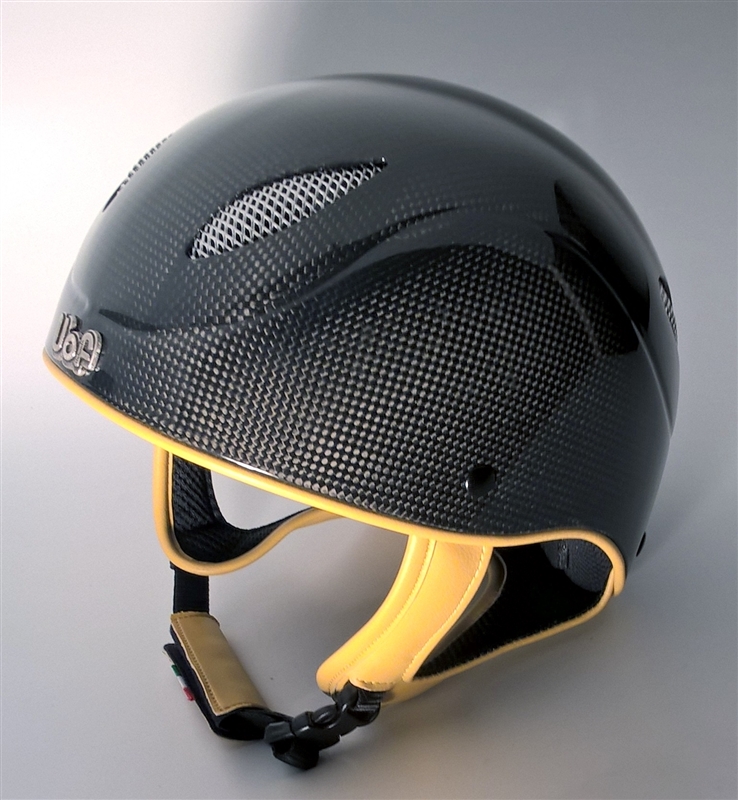
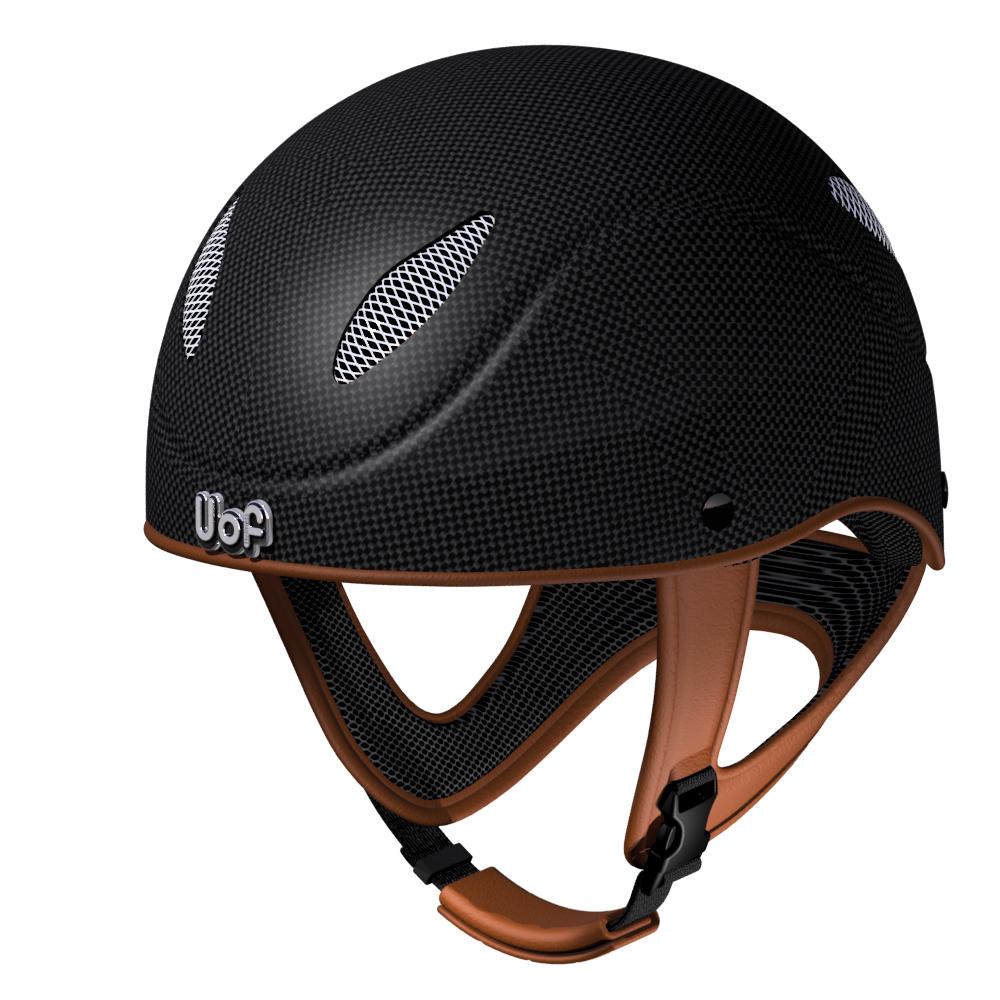
The outer shell of a jockey helmet is strong and tough. It usually uses materials like polycarbonate or fiberglass. These materials absorb impact well. They resist cracks and breaks. The shell must protect the head from hard hits and falls.
Inner Padding Technologies
Inside the helmet, padding cushions the head. It reduces shock during crashes. Foam materials like expanded polystyrene (EPS) are common. Some helmets use multi-layer padding for better comfort. The padding also helps the helmet fit snugly. A good fit stops the helmet from moving in a race.
Aerodynamic Shapes
Helmet shapes are designed to cut through the air smoothly. This reduces wind resistance during fast rides. Rounded and sleek designs keep the helmet stable on the head. Aerodynamic helmets help jockeys maintain speed and balance. This design detail improves overall race performance.
Style And Customization
Horse racing jockey helmets are not just about safety. Style and customization make them stand out. Each jockey can show personality through their helmet. This helps create a unique identity on the racetrack. Custom helmets also boost confidence and comfort.
Design choices offer many options. Colors, graphics, and accessories bring individuality. Jockeys enjoy expressing themselves while staying protected.
Color Options
Helmets come in many colors. Bright reds, blues, greens, and yellows are popular. Some prefer classic black or white. Color choice helps jockeys match their racing silks. This keeps a consistent and sharp look. Color also improves visibility during races.
Personalized Graphics
Graphics add style and meaning. Jockeys select logos, patterns, or symbols. These designs reflect personality or team spirit. Custom graphics make helmets unique and memorable. Skilled artists create detailed, high-quality images. This style turns helmets into personal statements.
Visors And Accessories
Visors protect eyes from sun and mud. Tinted and clear visors are common choices. Some helmets feature removable visors for versatility. Accessories include chin straps and padding options. These add comfort and improve fit. Small details make a big difference in performance.
Proper Fit And Adjustment
Proper fit and adjustment of a horse racing jockey helmet are vital for safety and comfort. A helmet that fits well protects the head during falls or collisions. It also stays in place without shifting during the race. Understanding how to measure, adjust straps, and secure the helmet ensures maximum protection.
Measuring Head Size
Start by measuring the head size accurately. Use a soft tape measure around the widest part of the head. This is usually just above the eyebrows and ears. Note the measurement in centimeters or inches. Match this size with the helmet sizing chart for the best fit. A helmet too big or small can cause discomfort or reduce safety.
Strap And Buckle Types
Helmet straps come in different materials and styles. Most helmets use nylon straps for strength and durability. Some have quick-release buckles for easy fastening and removal. Others use traditional clip buckles that require more effort but are very secure. Choose a strap and buckle type that feels comfortable and is easy to handle.
Ensuring Secure Fit
Adjust the straps to hold the helmet snugly but not too tight. The helmet should sit level on the head, covering the forehead. Check that the helmet does not move when shaking the head gently. Buckle the strap securely under the chin. A loose helmet can fall off or shift during a race, increasing injury risk.
Maintenance And Replacement
Maintaining a jockey helmet is crucial for safety and performance. Regular care keeps the helmet strong and comfortable. Replacement ensures protection stays effective after damage or wear. Proper maintenance extends helmet life and keeps it reliable during races.
Cleaning Tips
Use a soft cloth to wipe dirt and sweat after each ride. Mild soap and warm water work well for cleaning. Avoid harsh chemicals that can weaken helmet materials. Let the helmet air dry completely before storing it. Clean padding inside gently to remove sweat and odor.
Storage Recommendations
Store the helmet in a cool, dry place away from direct sunlight. Avoid leaving it in hot cars or damp areas. Use a helmet bag or cover to protect it from dust and scratches. Keep the helmet on a flat surface to maintain its shape. Proper storage prevents damage and keeps the helmet ready to use.
When To Replace
Replace the helmet after any strong impact or crash. Look for cracks, dents, or worn straps as signs of damage. Most manufacturers suggest replacing helmets every five years. If the helmet feels loose or uncomfortable, consider a new one. Regularly check the helmet to ensure it still fits securely.
Top Helmet Brands
Choosing the right jockey helmet is key for safety and comfort. Top helmet brands focus on quality materials and advanced designs. These brands offer helmets that meet safety standards and fit well. Riders trust these brands to protect their heads during races.
Leading Manufacturers
Brands like Charles Owen, IRH, and Troxel lead the market. Charles Owen helmets are known for strong shells and good ventilation. IRH helmets combine lightweight materials with solid protection. Troxel offers affordable helmets with reliable safety features. Each brand has models for different needs and budgets.
Price Ranges
Helmet prices vary from $80 to over $400. Basic helmets cost around $80 to $150. Mid-range helmets offer extra comfort and cost about $150 to $250. Premium helmets, with advanced safety features, go above $250. Investing in a quality helmet is wise for long-term safety.
User Reviews
Users praise Charles Owen for durability and comfort. IRH helmets receive good marks for lightweight feel. Troxel helmets are popular for good value and safety. Some riders report tight fits with certain brands. Trying on helmets before buying ensures the best fit.
Helmet Safety Innovations
Horse racing jockey helmets have improved a lot in recent years. New safety features help protect riders better. These innovations make helmets smarter and stronger. They aim to reduce injuries and keep jockeys safe on the track.
Smart Helmets
Smart helmets have built-in technology to track impacts. They can send data to trainers and doctors instantly. This helps spot injuries early. Some smart helmets also have GPS to monitor the rider’s position. These helmets improve safety by giving real-time information.
Impact Sensors
Impact sensors inside helmets detect hard hits during a race. They measure the force and location of the impact. This data shows if a jockey might have a concussion. Sensors help decide if the rider needs medical help right away. They add a new layer of safety beyond just the helmet shell.
Enhanced Padding Systems
Padding inside helmets has become softer and more flexible. New materials absorb shocks better than before. These pads spread out the force from a hit to lower injury risk. Some helmets use layers of foam that adapt to the rider’s head. Enhanced padding means more comfort and better protection.
Credit: www.jockeytack.com
Credit: eleganceboots.com
Frequently Asked Questions
What Is A Horse Racing Jockey Helmet?
A jockey helmet is protective gear worn by riders during horse races. It helps prevent head injuries.
Why Is A Jockey Helmet Important In Horse Racing?
Helmets reduce the risk of serious head injuries during falls or crashes in horse racing.
How Are Jockey Helmets Designed For Safety?
Jockey helmets have strong shells and padding to absorb impact and protect the head.
Are Jockey Helmets Mandatory In All Horse Races?
Most horse racing authorities require helmets to ensure jockey safety during races.
How Often Should Jockey Helmets Be Replaced?
Helmets should be replaced every few years or after any strong impact.
Can Jockey Helmets Improve Race Performance?
Helmets are mainly for safety; they do not directly affect a jockey’s speed or skill.
Conclusion
A good jockey helmet keeps riders safe during races. It fits well and feels comfortable. Strong materials protect the head from injuries. Choosing the right helmet helps prevent accidents. Riders should always check helmet quality and standards. Safety must come first on the track.
Wearing a helmet gives confidence to focus on riding. Every jockey deserves the best protection available. Stay safe, ride smart, and enjoy the race.
As an Amazon Associate, I earn from qualifying purchases.