When you think about horse racing, what comes to mind? Speed, power, and the thrilling connection between rider and horse.
But have you ever stopped to consider the role of the horse racing saddle? This small piece of equipment can make a huge difference in your comfort, control, and performance on the track. If you want to improve your riding experience and gain an edge in every race, understanding the right saddle for you and your horse is key.
Keep reading to discover how the perfect saddle can transform your ride and boost your results.
Types Of Horse Racing Saddles
Horse racing saddles come in different types. Each type suits different racing needs and horse types. Choosing the right saddle can improve comfort and performance. Understanding the main types helps riders make better decisions.
Flat Saddles
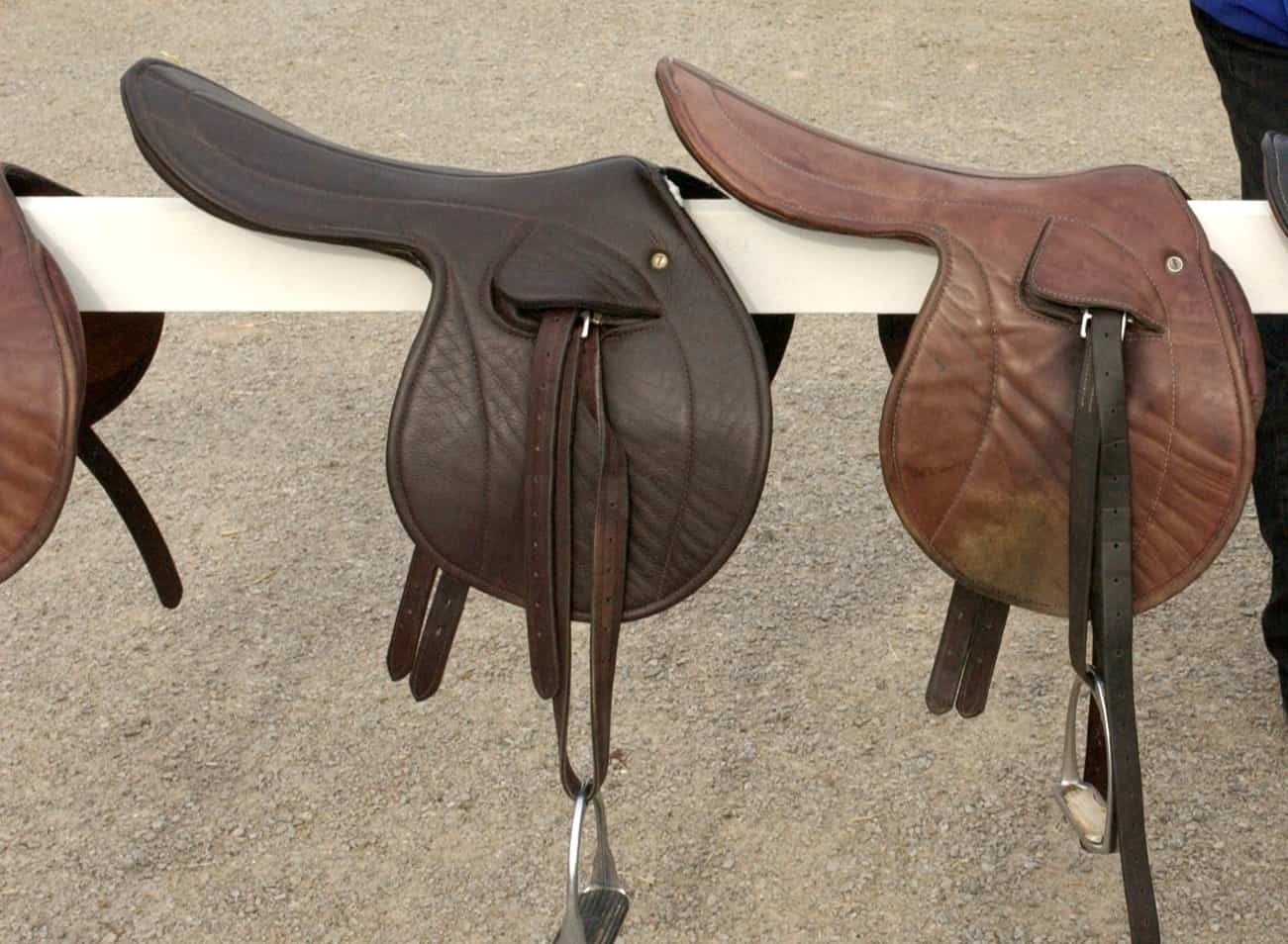
Flat saddles have a low profile and minimal padding. They allow the jockey to sit close to the horse. This design helps maintain balance during fast races. Flat saddles are popular for short-distance races.
Lightweight Saddles
Lightweight saddles reduce the overall weight on the horse. They use less material without losing strength. These saddles help horses run faster by lowering their load. Jockeys prefer them for long and challenging races.
Synthetic Saddles
Synthetic saddles use man-made materials like nylon or plastic. They are lighter and easier to clean than leather. These saddles resist water and wear better in bad weather. Synthetic options suit riders on a budget or beginners.
Traditional Leather Saddles
Traditional leather saddles offer durability and classic style. They mold to the horse’s shape over time for a custom fit. Leather provides good grip for jockeys during the race. These saddles need regular care to stay in top condition.
Key Features For Performance
Choosing the right horse racing saddle can improve both rider and horse performance. Key features affect comfort, control, and speed. Understanding these features helps make better choices for racing success.
Weight And Balance
A lightweight saddle reduces strain on the horse. It helps the horse move faster and jump higher. Balance is crucial to keep the rider steady during the race. A well-balanced saddle prevents slipping and aids control.
Saddle Fit For Horse
The saddle must fit the horse’s back perfectly. A poor fit causes discomfort and sores. Proper fit allows the horse to move naturally and freely. Check the saddle width and length for the best fit.
Stirrup Placement
Correct stirrup placement improves rider stability and posture. It helps the rider maintain a strong position. The right placement also reduces fatigue during long races. Adjust stirrups to suit the rider’s leg length and riding style.
Material Durability
Durable materials extend the saddle’s lifespan. Quality leather or synthetic materials resist wear and tear. Strong stitching ensures the saddle stays intact under pressure. Durable saddles protect both horse and rider during races.
Comfort Factors For Rider And Horse
Comfort plays a key role in horse racing saddles. Both the rider and horse need to feel good during the race. A comfortable saddle helps the rider stay balanced and focused. It also protects the horse from pain and injury. Good comfort factors improve performance and safety for both.
Padding And Cushioning
Padding cushions the rider’s seat and the horse’s back. Soft padding reduces pressure points. It absorbs shocks from the horse’s movement. Quality cushioning prevents soreness and discomfort. It helps the rider stay steady and relaxed.
Ergonomic Design
An ergonomic saddle fits the horse’s shape well. It supports the rider’s natural posture. This design reduces muscle strain for both. It helps the rider keep control with less effort. Ergonomic saddles make long races easier to handle.
Breathability And Ventilation
Breathable materials stop heat build-up under the saddle. Good ventilation keeps the horse’s skin dry. It prevents sweat irritation and skin problems. Cool and dry conditions help the horse feel fresh. The rider also benefits from less heat and sweat.
Adjustability Options
Adjustable saddles fit different horse shapes and sizes. They allow fine-tuning for the best fit. Straps and panels can be changed as needed. This flexibility keeps the saddle secure and comfortable. Adjustability helps avoid pressure points and slipping.
Choosing The Right Saddle Size
Choosing the right saddle size is key for both horse and rider comfort. A well-fitted saddle helps the horse move freely and the rider stay balanced. It prevents pain and injuries. Understanding how to measure both horse and rider ensures a proper fit. Knowing the saddle tree types guides your choice. Watch for signs of poor fit to avoid problems early.
Measuring The Horse
Start by measuring the horse’s withers width. Use a flexible tape to get the distance across the top of the withers. Check the horse’s back length from the withers to where the saddle will sit. Measure the horse’s girth area to ensure the saddle fits around the barrel. These measurements help find a saddle that fits the horse’s shape well.
Measuring The Rider
Measure the rider’s seat size by sitting on a flat surface. Use a ruler to measure from the back of the buttocks to the end of the inner thigh. Check the rider’s leg length to ensure the stirrup bars sit in the right place. The rider’s weight also matters for choosing the right saddle size and type.
Saddle Tree Types
The saddle tree is the frame inside the saddle. It affects fit and comfort for horse and rider. There are several tree types: wooden, fiberglass, and flexible trees. Each type offers different support and flexibility. Choose a tree type that matches the horse’s back shape and the rider’s needs.
Signs Of Poor Fit
Look for uneven sweat marks after riding. This can mean pressure points on the horse’s back. Watch the horse’s behavior; pinning ears or tail swishing may show discomfort. Check the saddle for rocking or slipping during rides. Poor fit causes soreness and reduces performance for both horse and rider.
Maintenance And Care Tips
Proper care keeps your horse racing saddle in good shape. It helps the saddle last longer and stay safe for riding. Simple steps can protect the leather and stitching. Follow these tips to maintain your saddle well.
Cleaning Techniques
Clean your saddle after every ride. Use a soft brush to remove dirt and dust. Wipe it gently with a damp cloth. Avoid soaking the leather with water. Use saddle soap or leather cleaner for deep cleaning. Always dry the saddle naturally, away from heat.
Storage Recommendations
Store the saddle in a dry, cool place. Avoid direct sunlight to prevent fading and cracking. Use a saddle cover to protect it from dust. Keep it on a proper saddle rack to keep its shape. Do not stack heavy items on top of it.
Regular Inspection
Check your saddle regularly for wear and tear. Look for loose stitching or cracked leather. Inspect the billets and girth straps for damage. Make sure the tree is not broken or bent. Early detection helps prevent bigger problems.
Repair And Replacement
Fix small issues quickly to avoid bigger damage. Replace worn-out parts like billets or stirrup leathers. Use a professional saddle repair service for complex fixes. Do not ignore signs of damage during rides. Safe equipment means safe riding.

Credit: desktopstables.com
Top Brands And Models
Choosing the right horse racing saddle is crucial for both rider comfort and horse performance. Top brands offer a variety of models designed to meet different needs. Some focus on luxury and precision, while others deliver good quality at a lower price. Riders can also find custom options for a perfect fit. Advances in design and materials improve the riding experience with every new model.
High-end Options
High-end saddles come from brands known for craftsmanship and durability. These models use premium leather and advanced padding. They provide excellent support for long races. Brands like Stubben, County, and Albion lead in this category. These saddles often have lightweight frames to enhance speed and balance. Riders seeking comfort and performance prefer these top choices.
Budget-friendly Choices
Budget-friendly saddles offer good quality without high costs. Brands like Wintec and Bates provide synthetic options that are easy to clean. These saddles suit beginners or casual riders well. They focus on durability and comfort at a lower price point. Many models come with adjustable features to fit different horses. These choices allow riders to enjoy horse racing without overspending.
Custom Saddles
Custom saddles are made to fit the rider and horse perfectly. They improve comfort and reduce the risk of injury. Many brands offer personalized options for seat size, flap length, and tree shape. Custom saddles often use high-quality leather and materials. Riders with special needs or unique body types benefit most. A tailored saddle enhances control and stability during races.
Popular Innovations
Innovations in horse racing saddles focus on weight reduction and rider comfort. New designs include gel padding and shock absorption systems. Materials like carbon fiber reduce saddle weight. Adjustable stirrup bars improve rider position and balance. Some models feature quick-release safety mechanisms. These innovations help riders perform better and stay safer on the track.
Impact On Racing Performance
The horse racing saddle plays a key role in the horse’s performance. It affects speed, control, and comfort. Choosing the right saddle helps both horse and rider work better as a team.
The saddle’s design and fit impact how well the horse runs. A good saddle supports quick movements and steady balance. It also protects the horse’s back from strain.
Improved Speed And Agility
A well-fitted saddle lets the horse move freely. It reduces weight and pressure on the horse’s back. This allows faster acceleration and sharper turns. The horse can run with less effort and more energy.
Enhanced Rider Control
The saddle helps the rider stay balanced and stable. It offers a secure seat for better grip during the race. This control allows the rider to guide the horse smoothly. Clear signals improve teamwork and race strategy.
Horse Health Benefits
Proper saddle fit prevents injuries and soreness. It avoids rubbing and pressure points on the horse’s skin. Healthy horses perform better and recover faster after races. Comfort increases the horse’s willingness to run hard.
Competitive Edge
A good saddle gives both horse and rider a winning advantage. It boosts confidence and reduces distractions. This focus can improve race times and results. Small improvements add up in close competitions.
Credit: thehorse.com

Credit: www.oldmillsaddlery.com
Frequently Asked Questions
What Is A Horse Racing Saddle?
A horse racing saddle is a lightweight saddle designed for jockeys during races. It helps balance and control.
How Does A Horse Racing Saddle Differ From Regular Saddles?
Racing saddles are smaller and lighter than regular saddles. They allow jockeys to ride faster and stay low.
Why Is Saddle Weight Important In Horse Racing?
Lighter saddles reduce the total weight on the horse. This helps the horse run faster and with less effort.
What Materials Are Used In Horse Racing Saddles?
Horse racing saddles are made from leather, synthetic materials, or a mix. These materials provide strength and lightness.
How Is A Horse Racing Saddle Fitted?
The saddle must fit the horse’s back and the jockey well. Proper fit prevents discomfort and injury during races.
Can The Saddle Affect The Horse’s Performance?
Yes, a well-fitted, light saddle improves comfort and speed. A poor saddle can cause pain and slow the horse down.
Conclusion
Choosing the right horse racing saddle affects both rider and horse. Comfort and fit matter most for good performance. A well-made saddle helps keep balance and control. Riders should consider saddle weight and material carefully. Proper care extends the saddle’s life and safety.
Remember, a good saddle supports a strong partnership. Take time to find one that suits your needs. This choice can make a big difference on race day.
As an Amazon Associate, I earn from qualifying purchases.