If you own a horse, you know how important it is to keep your animal safe and well-trained. But sometimes, traditional training methods just don’t cut it.
That’s where a horse shock collar comes in. You might wonder if it’s the right tool for your horse and how it works. You’ll discover everything you need to know about horse shock collars – from how they can help improve your horse’s behavior to the safety tips you must follow.
Keep reading to find out if this training tool could be the game-changer you’ve been looking for.
Credit: www.smart-stroy.com
Choosing The Right Shock Collar
Choosing the right shock collar for your horse requires careful thought. The collar must suit your horse’s needs and training goals. A proper fit and useful features improve safety and effectiveness. Understanding different types and key features helps you make a good choice. This guide breaks down important points to consider.
Types Of Shock Collars For Horses
Several types of shock collars exist for horses. Some use static stimulation, which delivers a mild electric pulse. Others include vibration or sound signals combined with the shock. Remote-controlled collars allow you to adjust settings from a distance. Choose a type that matches your horse’s behavior and your training style.
Key Features To Consider
Look for collars with adjustable shock levels. This lets you find the right intensity without causing harm. A collar with multiple training modes adds flexibility. Battery life is crucial for long sessions. Waterproof and durable designs withstand outdoor use. Clear signals and easy controls improve user experience.
Sizing And Fit
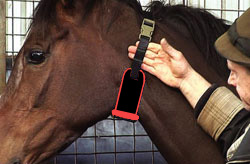
Correct sizing ensures comfort and safety for your horse. Measure your horse’s neck before buying a collar. The strap should be snug but not too tight. Adjustable straps help fit different neck sizes. Poor fit can cause skin irritation or reduce collar effectiveness. Check the collar often and adjust as needed.

Credit: crazyhorsewoman.blogspot.com
Preparing Your Horse
Preparing your horse for a shock collar is important. It helps your horse accept the device without stress. Taking small steps ensures a smooth experience. Patience and care build a positive connection.
Assessing Temperament And Behavior
Start by watching your horse’s behavior closely. Notice if your horse is calm or nervous. Some horses react quickly to new things. Others need more time to adjust. Knowing your horse’s temperament helps plan the training. A calm horse may accept the collar faster. A nervous horse needs gentle handling and more time. Always respect your horse’s feelings during this phase.
Introducing The Collar Gradually
Let your horse see and smell the collar first. Place it near your horse without turning it on. Allow your horse to touch and explore it. Next, gently fasten the collar without activating it. Keep the sessions short to avoid stress. Repeat this step over several days. Slowly add brief collar activation at low settings. Watch your horse’s reaction and stop if stressed.
Building Trust And Comfort
Use soft words and gentle strokes while handling the collar. Praise your horse for calm behavior around the collar. Offer treats to create a positive link with the collar. Always remove the collar if your horse shows fear. Trust grows when your horse feels safe and cared for. Gradual exposure and kindness make the horse comfortable. This trust leads to better training results later on.
Safe Training Techniques
Training a horse with a shock collar requires care and respect. Safe techniques ensure the horse learns without fear or pain. Using the collar properly helps build trust and clear communication. Focus on gentle methods and steady progress.
Setting Appropriate Intensity Levels
Start with the lowest intensity on the collar. Observe the horse’s reaction closely. Increase slowly only if needed. The goal is to get the horse’s attention, not to hurt. Each horse reacts differently. Adjust the level to match your horse’s sensitivity.
Timing And Consistency In Training
Deliver the stimulus right after the unwanted behavior. This helps the horse link the action and correction. Be consistent with your timing every time. Inconsistent timing confuses the horse. Practice sessions should be regular but not too long.
Pairing Commands With Stimuli
Use clear voice commands with each correction. The horse learns to associate the sound with the stimulus. This makes training smoother and faster. Repeat commands and stimuli together often. Over time, the horse responds to commands without the collar.

Credit: www.worthpoint.com
Avoiding Common Mistakes
Using a horse shock collar needs care and attention. Many riders make simple errors that affect their horse’s behavior. Avoiding these mistakes helps build trust and better training results. Understand the common pitfalls to keep your horse safe and calm.
Overusing The Shock Collar
Applying the shock collar too often causes stress. The horse may become scared or confused. Use the collar only when needed. Short, clear signals work best. Overuse reduces the collar’s effectiveness and harms your bond.
Ignoring Horse’s Reactions
Watch your horse’s body language carefully. Signs like flinching or sweating show discomfort. Stop training if the horse seems upset. Adjust the collar’s settings to a gentler level. Listening to your horse builds trust and improves learning.
Neglecting Positive Reinforcement
Shock collars should not replace rewards. Praise and treats help horses learn fast. Mix gentle corrections with kind words and rewards. Positive reinforcement strengthens good behavior. Training feels fair and keeps your horse happy.
Maintaining The Collar
Maintaining the horse shock collar is key for safe and effective use. Proper care helps the collar last longer and work well. It also keeps your horse comfortable and protected. Simple steps can prevent many common problems.
Regular Cleaning And Inspection
Clean the collar regularly to remove dirt and sweat. Use a damp cloth to wipe the device gently. Avoid harsh chemicals that may damage the material. Check the collar for cracks or worn parts each time you use it. Replace any damaged pieces right away to ensure safety.
Battery Care And Replacement
Keep the battery charged according to the manual’s instructions. Avoid letting the battery run completely dead often. Replace the battery if it no longer holds a charge well. Use only the recommended type to avoid damage. Store the collar with a partial charge if unused for long.
Troubleshooting Common Issues
Check connections if the collar stops working. Loose or dirty contacts can cause problems. Reset the device by turning it off and on. Refer to the manual for error codes or signals. Contact the manufacturer for help if issues persist.
Legal And Ethical Considerations
Using a horse shock collar raises important legal and ethical questions. Owners must understand the rules before choosing this training tool. Ethical concerns focus on the horse’s well-being and fair treatment.
Regulations On Shock Collar Use
Many places have strict laws about shock collar use on animals. Some regions ban them entirely. Others allow use only under specific conditions. Knowing local laws prevents legal trouble. Always check the rules before using a shock collar on horses.
Promoting Humane Training Practices
Training must respect the horse’s comfort and safety. Shock collars should never cause pain or fear. Use them as a last option after gentle methods. Positive reinforcement works better for most horses. Humane training builds trust and good behavior.
Frequently Asked Questions
What Is A Horse Shock Collar Used For?
A horse shock collar helps train horses by giving mild electric signals to guide behavior.
Are Horse Shock Collars Safe For Horses?
Yes, when used correctly, these collars deliver low-level shocks that do not harm horses.
How Do Horse Shock Collars Improve Training?
They provide immediate feedback to horses, helping them learn commands faster and better.
Can Shock Collars Cause Stress In Horses?
Improper use may stress horses, but careful training minimizes discomfort and fear.
How To Choose The Right Horse Shock Collar?
Look for adjustable settings, good battery life, and comfortable fit for your horse.
Are There Alternatives To Horse Shock Collars?
Yes, options include voice commands, clicker training, and reward-based methods.
Conclusion
Horse shock collars can help train your horse safely and effectively. Choose a collar with clear instructions and adjustable settings. Always watch your horse’s response and adjust as needed. Use the collar with kindness, not force. Training takes time and patience.
A well-trained horse is happier and easier to handle. Remember, the goal is to guide, not to harm. Keep learning and stay calm throughout the process. This tool can support your efforts when used with care. Your horse’s trust is the most important part.
As an Amazon Associate, I earn from qualifying purchases.