Are you struggling to find the perfect horseshoe size for your horse? Choosing the right size is more important than you might think.
A well-fitted horseshoe keeps your horse comfortable, improves performance, and prevents injuries. In this guide, you’ll discover an easy-to-follow horse shoe size chart that takes the guesswork out of the process. Whether you’re a beginner or an experienced horse owner, understanding how to measure and select the right horseshoe will save you time, money, and stress.
Keep reading to make sure your horse steps confidently every time.
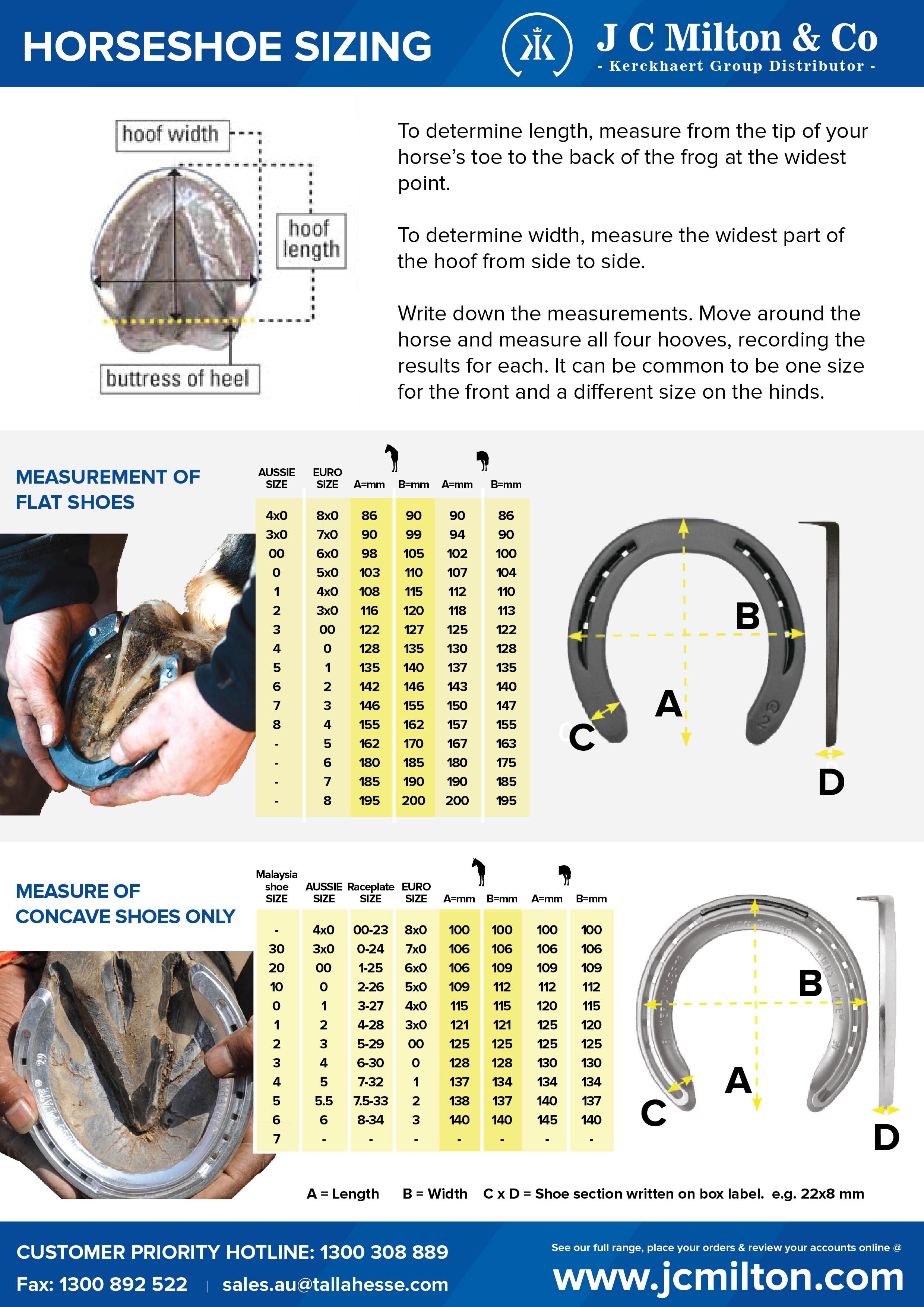
Credit: www.jcmilton.com
Importance Of Proper Horseshoe Fit
Proper horseshoe fit matters for every horse. Shoes that fit well protect the horse’s feet and improve walking. Ill-fitting shoes can cause pain and injury. Correct size supports the horse’s weight and movement. Choosing the right horseshoe size is not just about comfort but health too.
Impact On Horse Health
Shoes that fit poorly may cause bruises and sores. These problems lead to infections and lameness. A good fit helps avoid hoof cracks and splits. Proper shoes keep the hoof strong and healthy. Healthy hooves mean fewer vet visits and less pain.
Performance And Comfort
Comfortable shoes allow horses to move freely and easily. Horses with well-fitted shoes run and jump better. Proper fit reduces stress on joints and muscles. It helps horses perform their best without discomfort. Comfort leads to happier horses and better results.
Horseshoe Size Basics
Choosing the right horseshoe size is very important for a horse’s comfort and health. A horseshoe that fits well protects the hoof from injury. It also supports the horse’s movement. Understanding the basics of horseshoe sizes helps horse owners make better decisions.
This section explains how to measure hoof dimensions and what common horseshoe sizes are available. Knowing these basics helps ensure the shoe fits properly and lasts longer.
Measuring Hoof Dimensions
Start by cleaning the horse’s hoof thoroughly. Use a hoof gauge or ruler to measure the width across the widest part. Measure the length from the toe to the back of the heel. Record these numbers in millimeters or inches. Proper measurements prevent choosing a shoe that is too tight or too loose.
Check the hoof shape for any abnormalities. Each hoof is unique, so measure both front and back hooves separately. Repeat measurements several times for accuracy. Accurate hoof dimensions lead to better fitting horseshoes.
Common Horseshoe Sizes
Horseshoes come in many sizes, usually numbered from 00 to 7 or higher. Size 00 is for small ponies, while size 7 fits large draft horses. Most riding horses use sizes between 1 and 4. Choose a size close to the hoof measurements for the best fit.
Some manufacturers use different sizing charts, so check their guides carefully. Shoes also vary by type, such as racing, trail, or therapeutic shoes. Knowing common sizes helps narrow down options quickly and correctly.
Types Of Horseshoes
Horseshoes come in various types to meet different needs. Choosing the right type helps protect a horse’s hooves. Understanding these types helps in selecting the best fit for your horse.
Standard Shoes
Standard shoes are the most common horseshoes. They provide basic protection and support. These shoes fit most horses and are often made of steel. They offer good durability for everyday use. Standard shoes help prevent hoof wear and injury.
Specialty Shoes
Specialty shoes serve specific purposes. Some improve traction on slippery surfaces. Others help horses with hoof problems or injuries. Racing shoes are lighter to increase speed. Therapeutic shoes support hoof healing and comfort.
Material Variations
Horseshoes come in different materials besides steel. Aluminum shoes are lighter and used for racing. Rubber shoes absorb shock and reduce noise. Plastic shoes offer flexibility and comfort. Each material suits different horse activities and conditions.
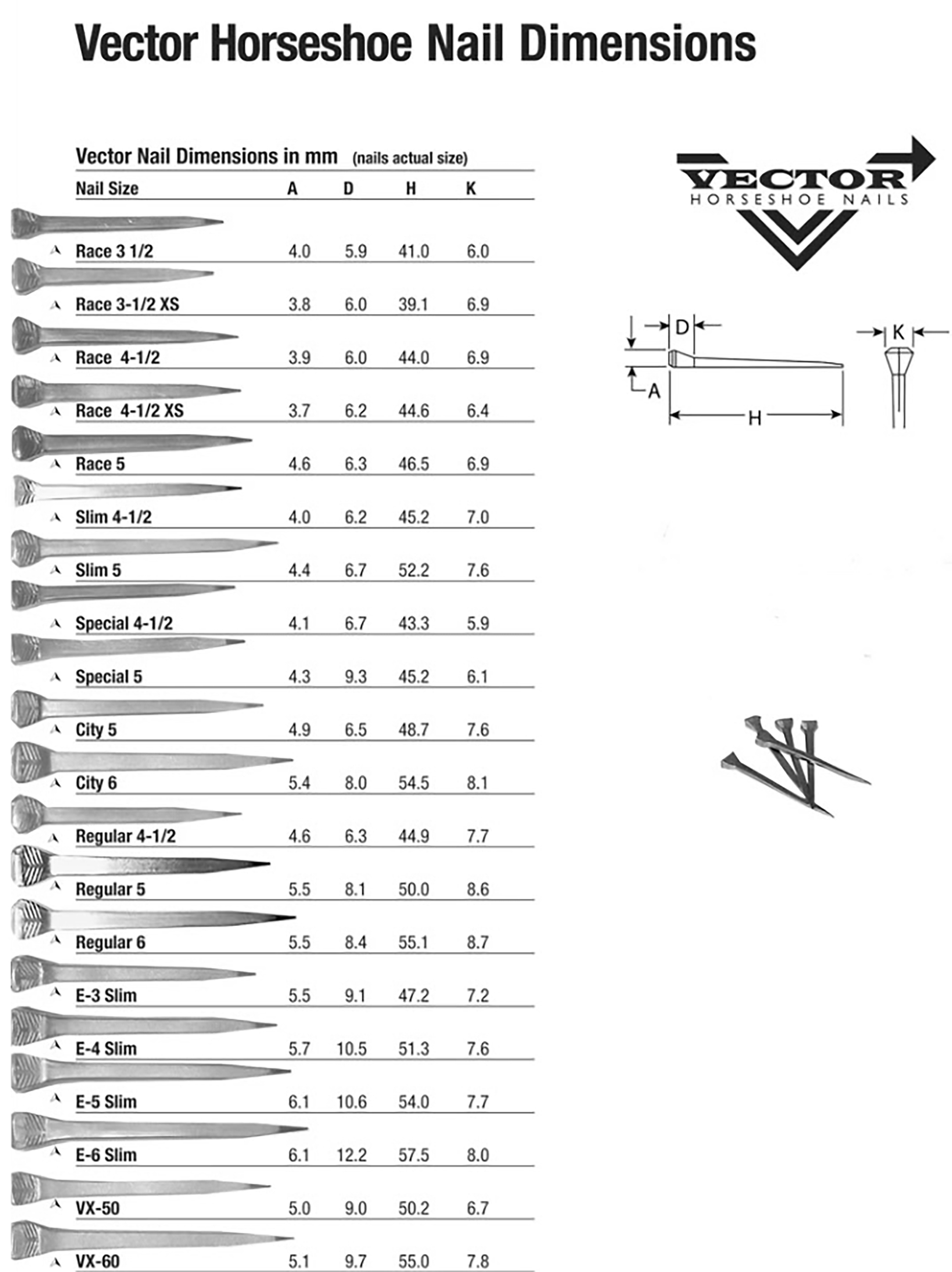
Credit: shopedss.com
Reading A Horseshoe Size Chart
Reading a horseshoe size chart helps choose the right fit for your horse. Horseshoes come in different sizes and shapes. The chart shows these sizes with clear labels and numbers. Understanding the chart prevents discomfort and injury to your horse. It also saves time and money by avoiding wrong purchases.
Size Indicators And Labels
Size indicators show the shoe’s width and length. Labels often use numbers like 000 to 7 or letters like A, B, C. Each number or letter means a specific shoe size. Some charts include hoof measurements in inches or centimeters. Look for symbols that explain shoe features, such as weight or material. Clear labels make it easy to pick the right shoe quickly.
Converting Between Systems
Different countries use different size systems. A size 2 in one system might be size 5 in another. Conversion charts help match sizes across systems. Use these charts to avoid confusion when buying online or abroad. Always check both systems before making a choice. This step ensures the shoe fits well and suits your horse’s needs.
Factors Affecting Horseshoe Fit
Choosing the right horseshoe size is not always simple. Several factors affect how well a horseshoe fits a horse’s hoof. Understanding these factors helps keep the horse comfortable and safe. A poor fit can cause pain and injury. This section looks at key factors that influence horseshoe fit.
Hoof Shape And Condition
Every horse has a unique hoof shape. Some hooves are round, while others are more oval or flat. The horseshoe must match this shape closely. The hoof’s condition also matters. Cracks, chips, or uneven wear change the hoof’s surface. These issues can make standard horseshoes fit poorly.
Regular trimming helps maintain the hoof shape. A farrier checks the hoof before fitting shoes. They adjust the shoe size to fit the hoof’s current state. A good fit supports the hoof and prevents damage.
Activity Level And Terrain
A horse’s work affects shoe choice. Horses that run or jump need different shoes than those walking slowly. The terrain also plays a role. Rough or rocky ground requires stronger, more durable shoes. Soft or grassy surfaces may need lighter shoes.
The shoe must protect the hoof and provide traction. Shoes designed for the horse’s activity and terrain last longer. They also reduce the risk of slipping or injury.
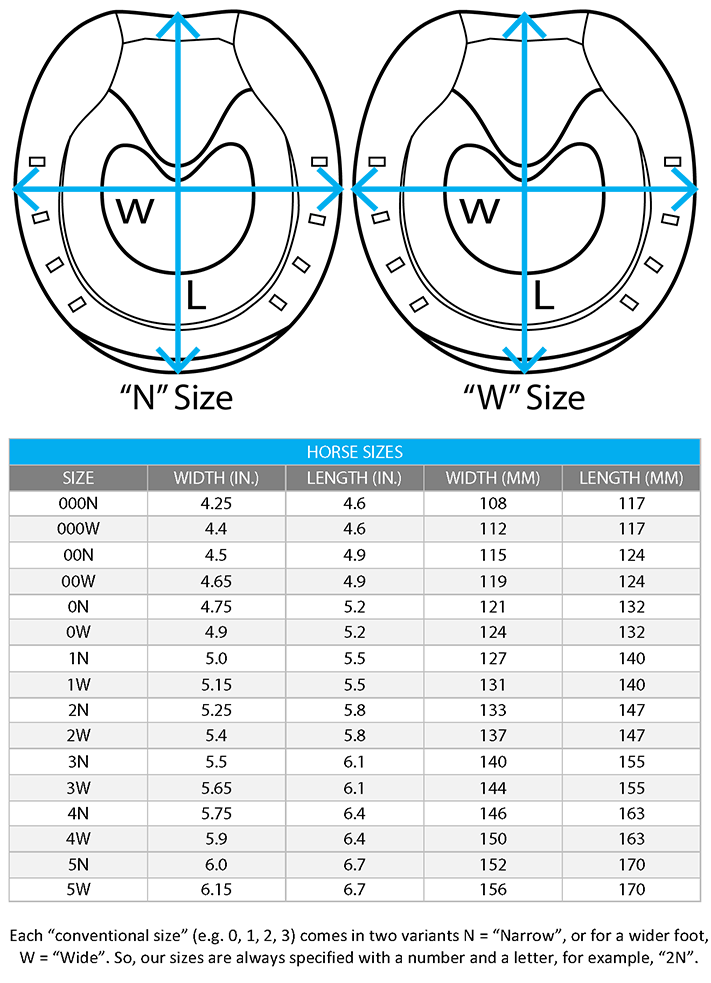
Credit: www.centaurforge.com
How To Measure Your Horse’s Hoof
Measuring your horse’s hoof correctly is important for finding the right horseshoe size. A proper fit keeps the hoof healthy and comfortable. Learning how to measure is simple with the right tools and steps. This guide will help you do it easily and accurately.
Tools Needed
- A hoof pick to clean the hoof
- A measuring tape or ruler
- A hoof gauge or caliper (optional but helpful)
- A flat surface for the horse to stand on
- A notebook to record measurements
Step-by-step Measurement Guide
Start by cleaning the hoof with the hoof pick. Remove all dirt and debris. This helps get accurate measurements.
Place the horse on a flat, level surface. Stand beside the horse to keep it calm and steady.
Use the measuring tape to measure the widest part of the hoof. This is usually near the middle. Record this number.
Next, measure the length of the hoof from the toe to the back of the heel. Write down this measurement too.
If you have a hoof gauge, use it to check the hoof’s angle. This helps with shoe fitting but is optional.
Compare these numbers to a horseshoe size chart to find the best match for your horse.
Tips For Selecting The Right Horseshoe
Selecting the right horseshoe is important for your horse’s comfort and health. A good fit protects the hooves and helps your horse perform better. Pay attention to size, shape, and material.
Choosing the correct horseshoe can prevent injuries and improve walking. This section shares useful tips to help you pick the best fit for your horse.
Consulting A Farrier
A farrier knows horse hooves well. They measure the hoof and suggest the right horseshoe size. Farriers see small details that are easy to miss. Their advice is important for choosing shoes that fit well.
Regular visits to a farrier keep your horse’s hooves healthy. They can spot problems early and fix shoe fit if needed.
Trial And Adjustment
Trying a horseshoe on before final fitting helps avoid mistakes. Sometimes shoes need small changes to fit perfectly. Check the shoe edges and how it rests on the hoof.
Adjust shoes carefully to avoid hurting the horse. Watch your horse’s comfort during and after the fitting. A well-fitted shoe improves movement and reduces hoof stress.
Common Fit Issues And Solutions
Choosing the right horseshoe size is key for your horse’s comfort and health. Poor fit can cause pain, injury, and poor performance. Recognizing common fit problems helps you act quickly. Solutions often involve simple adjustments or professional help. This section covers signs of poor fit and ways to fix them.
Signs Of Poor Fit
Look for uneven wear on the horseshoe. It shows the shoe is not balanced. Cracks or chips in the hoof wall can also signal a bad fit. Watch your horse’s gait. Limping or reluctance to move may indicate discomfort. Heat or swelling around the hoof means pressure or injury. Loose nails or shoes that fall off easily are another warning sign.
Corrective Measures
Regular hoof trimming keeps the foot balanced and ready for shoes. Use the right horseshoe size and shape for your horse’s hoof. Replace worn or damaged shoes promptly. Consult a farrier for precise fitting and adjustments. Padding or special shoes may relieve pressure points. Check the fit after every shoeing session to avoid problems early.
Maintaining Horseshoe Fit Over Time
Maintaining the fit of horseshoes over time is essential for your horse’s health and comfort. A well-fitted horseshoe protects the hoof and supports proper movement. Poor fit can cause discomfort, injury, or uneven wear. Regular care ensures the shoes stay in good shape and fit correctly.
Regular Checks
Check horseshoes frequently to spot any signs of wear or damage. Look for loose nails, cracks, or bent shoes. Inspect the hoof area for swelling or soreness. Regular checks help catch problems early. This keeps your horse comfortable and prevents bigger issues.
When To Replace Shoes
Replace horseshoes when they become worn or lose their shape. Shoes that are too small or too large cause pain. Signs to replace include uneven wear, loose nails, or hoof damage. Usually, shoes need replacing every 4 to 6 weeks. Timely replacement supports your horse’s health and performance.
Frequently Asked Questions
What Does A Horse Shoe Size Chart Show?
A horse shoe size chart shows the different sizes of shoes for horses. It helps find the right fit.
How To Measure A Horse’s Hoof For Shoe Size?
Measure the hoof’s width and length using a hoof gauge or ruler for accurate sizing.
Why Is Correct Horse Shoe Size Important?
Correct size prevents injuries and helps the horse move comfortably and safely.
Can Horse Shoe Sizes Vary By Breed?
Yes, different breeds have different hoof sizes, so shoe sizes can vary.
How Often Should Horse Shoes Be Checked Or Replaced?
Shoes should be checked every 4 to 6 weeks and replaced if worn or loose.
What Tools Help Determine Horse Shoe Size Accurately?
Hoof gauges, measuring tapes, and professional farrier tools help measure hoof size precisely.
Conclusion
Choosing the right horseshoe size helps keep your horse comfortable and safe. Use the size chart to match the shoe to your horse’s hoof. Proper fit prevents injuries and improves performance. Check the chart often as hooves can change over time.
A well-fitted horseshoe supports your horse’s health and movement. Always measure carefully and compare with the chart before buying. Good fit means happy horses and easier riding. Keep this chart handy for quick reference. Your horse will thank you with better steps every day.
As an Amazon Associate, I earn from qualifying purchases.