Finding the right horseshoe size for your horse can feel tricky. If the shoe is too big or too small, it can cause discomfort or even injury.
But don’t worry—this Horse Shoe Sizing Chart will help you get it just right. By understanding the sizes and what fits your horse’s hoof best, you’ll keep your horse happy and healthy. Keep reading to discover how to measure correctly and choose the perfect horseshoe every time.
Your horse will thank you!
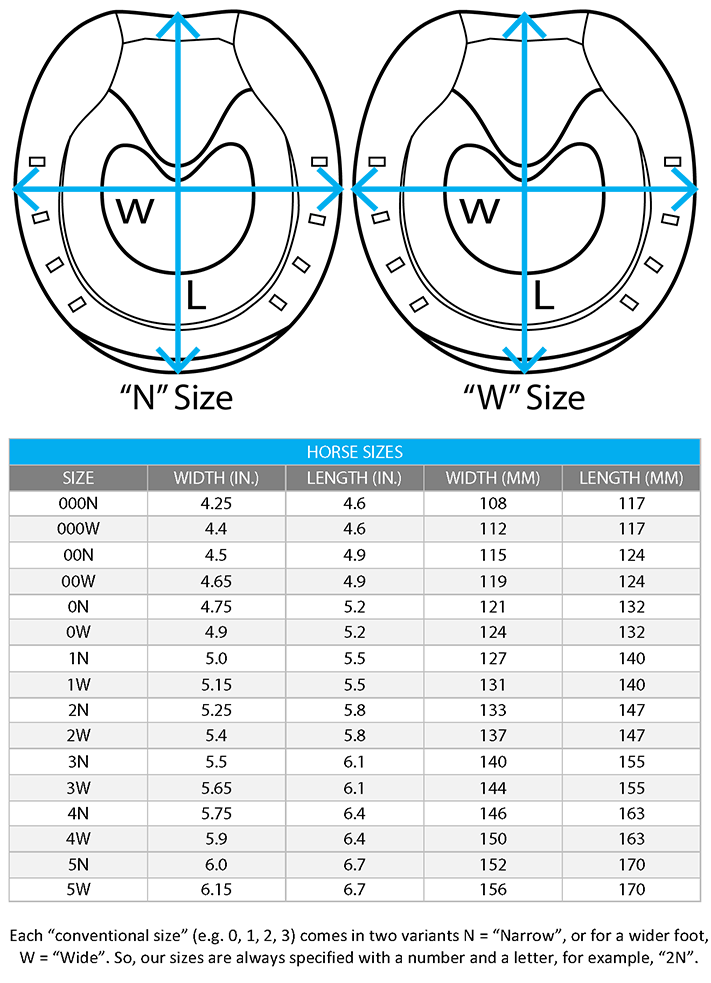
Credit: www.centaurforge.com
Types Of Horseshoes
Horseshoes come in different types to fit various needs. Each type serves a special purpose. Knowing these types helps you pick the right shoe for your horse.
Regular Shoes
Regular shoes are the most common kind. They protect the horse’s hoof from wear. Made of steel or aluminum, they suit daily riding.
These shoes come in many sizes. The right fit keeps the horse comfortable and safe. Regular shoes support most horses in normal work.
Therapeutic Shoes
Therapeutic shoes help horses with hoof problems. They fix issues like cracks, bruises, or infections. Vets and farriers use them for treatment.
These shoes can reduce pain and improve healing. They have special shapes and padding. Horses get back to work faster with these shoes.
Rim Shoes
Rim shoes have a groove around the edge. This groove helps nails stay in place better. They give extra grip on slippery surfaces.
Rim shoes work well for horses that run or work hard. They offer more control and safety. Riders trust these shoes for tough conditions.
Bar Shoes
Bar shoes have a bar across the back. This bar supports the heel and hoof structure. They protect injured or weak hooves.
Used in therapy and recovery, bar shoes add stability. They prevent the hoof from spreading too much. Horses heal faster with this extra support.
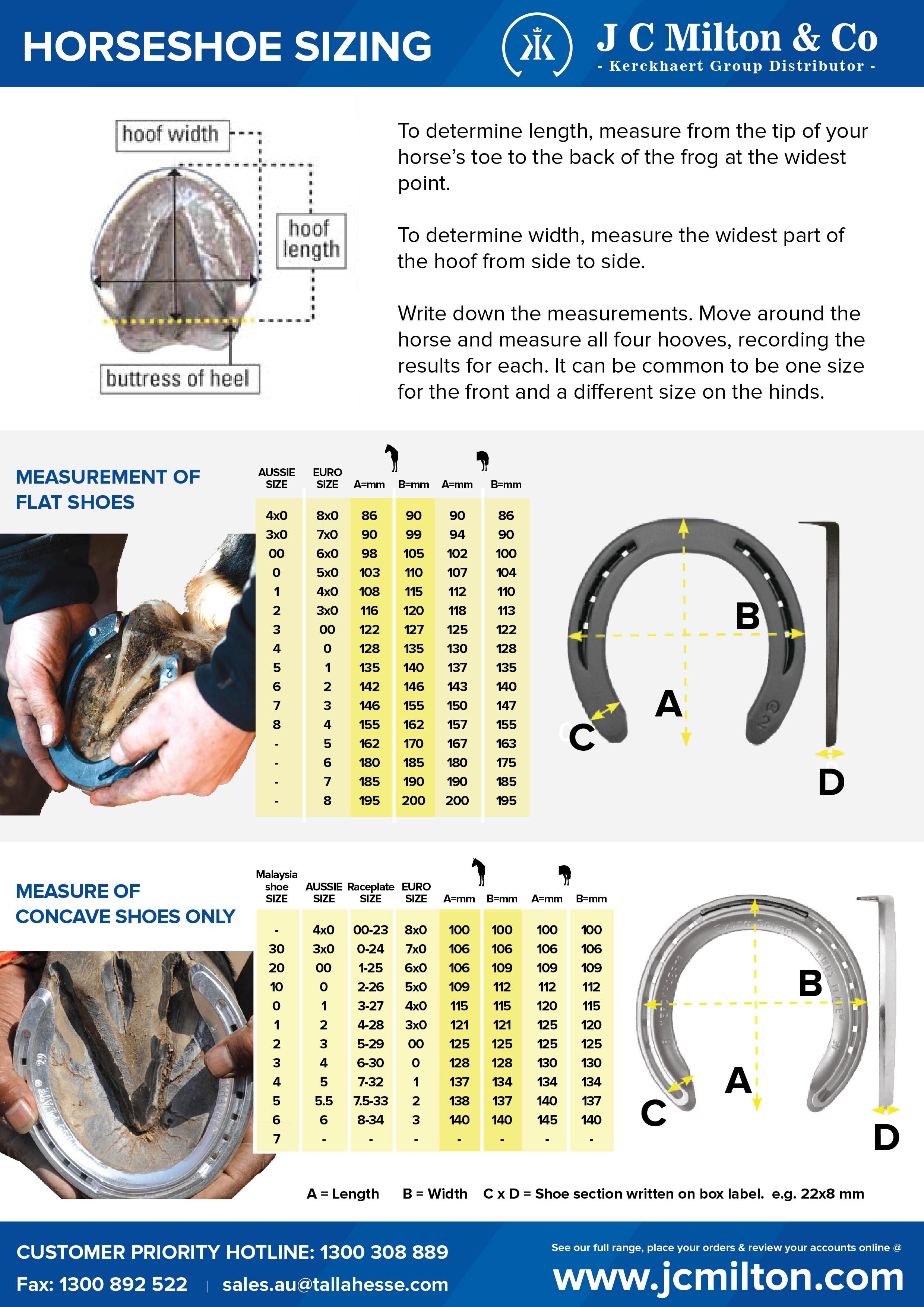
Credit: www.jcmilton.com
Measuring Your Horse’s Hoof
Measuring your horse’s hoof is important for choosing the right horseshoe size. A proper fit keeps your horse comfortable and prevents injuries. Taking accurate measurements helps you find the best match from the horseshoe sizing chart.
Tools Needed
Gather a hoof pick, a ruler or tape measure, and a piece of paper. Use a marker or pen to trace the hoof outline. These simple tools make the process smooth and easy.
Step-by-step Measurement
Start by cleaning the hoof with the hoof pick. Remove dirt and debris for clear edges. Place the hoof on the paper and trace its outline carefully.
Use the ruler to measure the width across the widest part of the hoof. Then measure the length from the toe to the heel. Record both numbers for reference.
Common Mistakes To Avoid
Do not measure a dirty hoof. Dirt can cause wrong size readings. Avoid tracing the hoof at an angle. Keep the paper flat for accuracy.
Measure the hoof when the horse is standing still. Movement can lead to errors. Always check your measurements twice to ensure correctness.
Horseshoe Size Chart
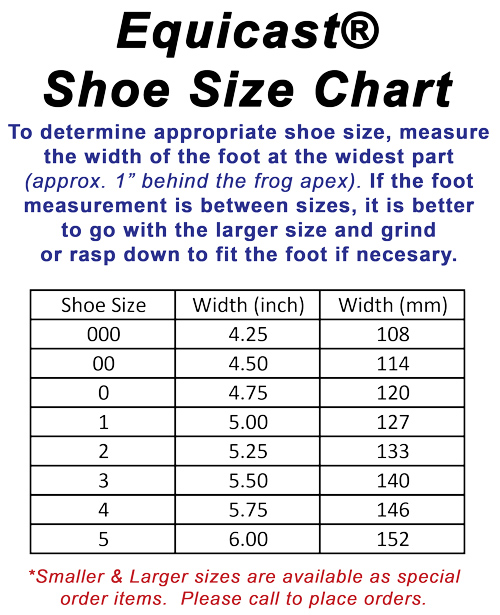
The horseshoe size chart helps find the right fit for your horse’s hooves. Proper sizing prevents discomfort and injury. It ensures the horse moves well and stays healthy. Understanding the chart makes shoeing easier and more accurate.
Standard Size Range
Horseshoe sizes usually range from 00 to 6 or higher. Smaller numbers fit smaller horses or ponies. Larger numbers suit bigger horses or heavy breeds. Each size matches a specific hoof width and length. Shoers select sizes based on hoof shape and horse weight.
Converting Measurements
Horseshoe sizes often use inches or millimeters. Some charts show length, others width. Measuring the hoof is key before choosing a shoe. Use a tape or hoof gauge for accuracy. Convert sizes carefully between metric and imperial units. This avoids buying shoes that do not fit.
Regional Size Differences
Different countries may use different size standards. Europe often uses metric sizes. The US typically uses imperial measurements. Some brands follow their own sizing systems. Knowing local standards helps when buying shoes abroad. Always check the size chart before ordering online.
Selecting The Right Horseshoe
Selecting the right horseshoe is important for your horse’s health and comfort. A well-fitted shoe protects the hoof and supports proper movement. Choosing the wrong size or type can cause pain and injury. This section helps you understand how to pick the best horseshoe for your horse.
Matching Shoe To Hoof Size
Measure the horse’s hoof width and length carefully. The shoe should fit the hoof’s outer edge without sticking out. Shoes that are too small can pinch the hoof and cause soreness. Shoes too large may come loose and cause tripping. Use a horseshoe sizing chart to find the closest match.
Considering Horse’s Activity
Think about what your horse does daily. Horses that walk on hard or rocky ground need stronger shoes. Racing or jumping horses need lighter, more flexible shoes. Horses used for casual riding often do well with standard shoes. Choose shoes that match the horse’s workload and environment.
Material Choices
Horseshoes come in different materials like steel, aluminum, and rubber. Steel shoes last long and provide good support. Aluminum shoes are lighter and help speed but wear out faster. Rubber shoes absorb shock and are good for soft ground. Select material based on the horse’s activity and hoof condition.
Fitting Tips For A Perfect Fit
Getting the right horseshoe fit is key to your horse’s comfort and health. Poorly fitted shoes can cause pain and lead to hoof problems. Use these tips to ensure a perfect fit and keep your horse happy.
Checking Shoe Fit
Place the shoe on the hoof and check the edges. The shoe should match the hoof shape closely. Look for gaps between the hoof and shoe. The shoe should not be wider than the hoof wall. Check the heel fit carefully. The shoe should sit flat on the hoof without rocking.
Adjusting And Trimming
Trim the hoof to remove extra growth before shoeing. Use a rasp to smooth edges for a better fit. Adjust the shoe by bending it carefully to fit the hoof shape. Avoid sharp bends that may weaken the shoe. Ensure the shoe’s toe and heels align with the hoof’s natural outline.
Signs Of Poor Fit
Watch for lameness or unusual gait after shoeing. Look for bruises or soreness on the hoof sole. Check for loose nails or shoes that move easily. Cracks in the hoof wall may indicate poor fit. Swelling around the hoof can signal discomfort or injury.
Maintaining Horseshoe Fit
Maintaining the right horseshoe fit is key for a horse’s comfort and health. Poor fit can cause pain and injury. Regular care keeps hooves strong and helps avoid problems. Paying attention to the horseshoe fit supports the horse’s movement and well-being.
Regular Inspection
Check the horseshoes often. Look for signs of wear or damage. Watch for loose nails or shifting shoes. Inspect the hoof for cracks or bruises. Spotting problems early can prevent bigger issues. A quick daily check saves trouble later.
When To Replace Shoes
Shoes wear out over time. Replace them when they become thin or bent. A shoe that no longer fits well can hurt the hoof. Usually, horses need new shoes every 4 to 6 weeks. Follow your farrier’s advice for the best timing.
Dealing With Hoof Growth
Hooves grow constantly. This growth changes how shoes fit. Trim hooves regularly to keep the right shape. Adjust shoes to fit the new hoof size. Proper trimming and shoeing keep the horse comfortable and safe.
Credit: www.centaurforge.com
Frequently Asked Questions
What Is A Horse Shoe Sizing Chart?
A horse shoe sizing chart shows the correct shoe size for different horse hoof sizes.
How Do I Measure My Horse’s Hoof For Shoes?
Measure the width and length of the hoof using a hoof gauge or ruler.
Why Is Correct Horse Shoe Size Important?
Proper shoe size prevents hoof damage and keeps the horse comfortable and healthy.
Can I Use The Same Shoe Size For All Horses?
No, each horse has unique hoof size and shape needing different shoe sizes.
What Are Common Horse Shoe Sizes Available?
Horse shoe sizes range from 000 (smallest) to 10 (largest), fitting various horse breeds.
How Often Should Horse Shoes Be Checked For Fit?
Check horse shoe fit every 4 to 6 weeks to avoid discomfort and hoof problems.
Conclusion
Choosing the right horseshoe size keeps your horse comfortable and healthy. This chart helps you find the best fit quickly. Proper sizing prevents injuries and improves performance. Always measure carefully and check regularly for wear. A good fit means happy horses and easier rides.
Keep this guide handy for quick reference. Sizing matters—don’t guess, use the chart. Your horse will thank you with strong, steady steps. Simple steps lead to better care and happier horses.
As an Amazon Associate, I earn from qualifying purchases.