Are you ready to discover the true meaning behind horse show awards? Whether you’re a rider, trainer, or a passionate fan, these awards represent more than just trophies.
They celebrate hard work, skill, and the special bond between horse and rider. You’ll learn how these awards are earned, why they matter, and how they can inspire you to reach new heights. Keep reading to unlock the secrets that make horse show awards so unforgettable.
Types Of Horse Show Awards
Horse show awards celebrate the skill and effort of riders and horses. They come in many forms. Each type honors different achievements. Knowing these awards helps understand the sport better.
Ribbons And Rosettes
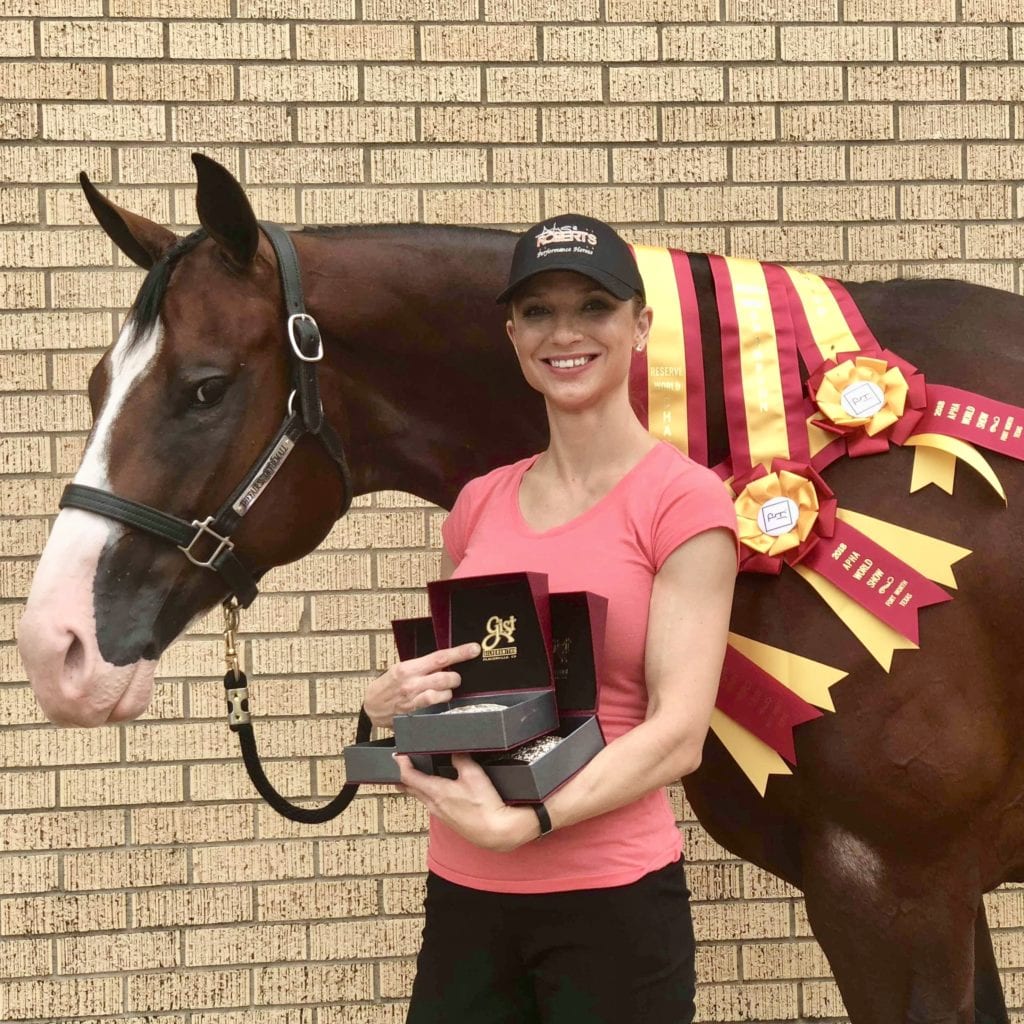
Ribbons and rosettes are the most common awards. They show the placing of a rider or horse. Colors often represent ranks, like first or third place. These awards are easy to carry and display. They bring pride and joy to winners of all ages.
Trophies And Plaques
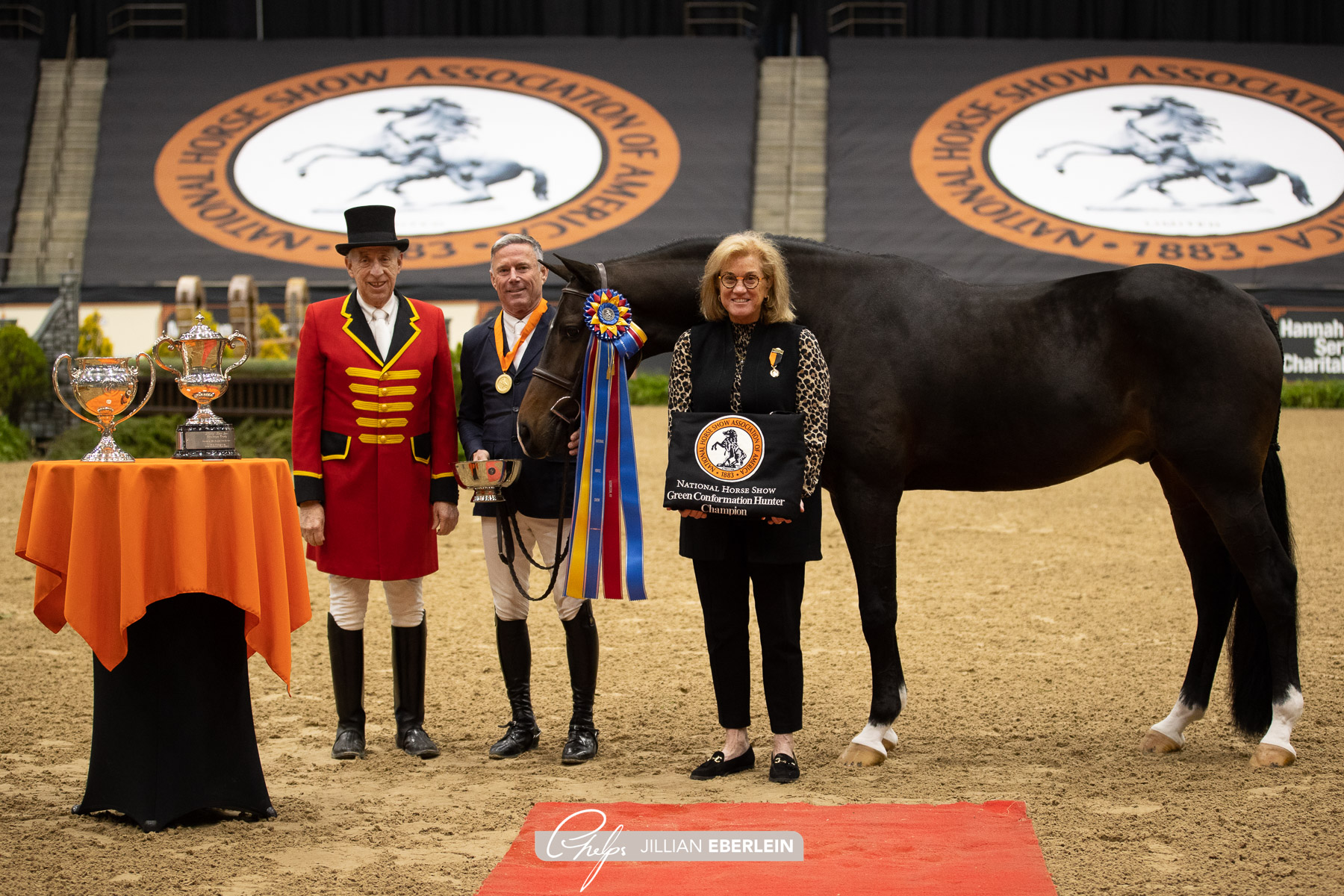
Trophies and plaques are more formal awards. They often feature the event name and date. Winners keep them as a lasting memory. These awards show greater recognition of skill and success. They are common in bigger competitions.
Monetary Prizes
Monetary prizes reward top performance with cash. They motivate riders to improve and compete. The amounts vary based on the event size. Sometimes sponsors provide these prizes. They help cover costs related to training and care.
Specialty Awards
Specialty awards highlight unique qualities or efforts. Examples include best sportsmanship or best grooming. These awards recognize more than just winning. They encourage fair play and dedication. Specialty awards add fun and variety to horse shows.
Popular Horse Show Disciplines
Horse shows offer many disciplines, each with unique challenges and rewards. These events test the skill of riders and the training of horses. Popular disciplines attract diverse participants and fans. Each type highlights different talents and styles. Understanding these helps appreciate the awards given.
Hunter And Jumper Classes
Hunter classes focus on smooth, flowing movement over fences. Riders aim for style and rhythm. Judges look for a calm, consistent horse. Jumper classes test speed and accuracy. Horses must clear obstacles without faults. This discipline demands quick thinking and control.
Dressage Competitions
Dressage shows the horse’s training and obedience. Riders perform set patterns with precise movements. Judges score each move for accuracy and grace. This discipline requires harmony between horse and rider. It looks like a beautiful dance.
Western Riding Events
Western riding includes activities like reining and barrel racing. These events show speed and maneuverability. Horses respond to light cues from the rider. Western classes often have a relaxed, confident style. They highlight teamwork and quick reflexes.
Driving And Draft Classes
Driving classes feature horses pulling carriages or carts. Draft classes show strength with heavy horses. Both disciplines focus on power and control. Drivers steer with precision and skill. These events celebrate the horse’s endurance and training.
Criteria For Winning
Winning a horse show award requires more than just good luck. Judges look closely at many factors. These factors help decide which horse and rider pair stands out. Understanding these criteria can help riders prepare better and aim for success.
Performance And Skill
Judges watch how well the horse performs each task. Precision and smooth movements are important. The horse must follow commands quickly and accurately. Skillful execution shows training and teamwork.
Horse Presentation
The horse’s appearance matters a lot. Clean, well-groomed coats and trimmed manes score higher. Good health and a calm attitude also impress judges. Presentation reflects the care given by the rider.
Rider’s Technique
The rider’s control and posture affect the score. Proper use of reins and balanced riding show experience. Smooth, confident movements help the horse perform better. Judges value riders who guide without harshness.
Judge’s Preferences
Each judge has unique tastes and priorities. Some focus more on style, others on speed or accuracy. Understanding the judge’s style can give riders an edge. Respecting these preferences helps riders adapt their approach.
Preparing For The Show Ring
Preparing for the show ring takes careful effort and attention. Every detail matters to help your horse perform well. The right preparation can boost confidence and reduce stress for both you and your horse. Focus on training, grooming, mental readiness, and practice routines to get ready.
Training Your Horse
Start training early to build your horse’s skills. Practice basic commands until your horse responds quickly. Train in different environments to get your horse used to new sights and sounds. Consistency helps your horse stay calm and focused during the show.
Grooming And Tack
Clean your horse thoroughly before the show. Brush the coat, mane, and tail until they shine. Check the hooves and trim if needed. Use clean and well-fitted tack to keep your horse comfortable. Proper grooming shows judges you care about your horse’s health.
Mental Preparation
Stay calm and positive to help your horse stay relaxed. Visualize the show and your movements. Practice deep breathing to reduce nerves. Talk softly to your horse to build trust and calmness. A calm rider creates a calm horse.
Practice Routines
Run through the show routine several times before the event. Practice transitions, turns, and stops smoothly. Time your routine to fit the show’s schedule. Repeating the routine builds muscle memory for both you and your horse. This helps you perform confidently under pressure.
Strategies To Boost Recognition
Winning horse show awards takes more than skill. It needs smart strategies to get noticed. Recognition helps build confidence and opens new opportunities. Focus on key areas to stand out at every event.
Networking With Judges And Participants
Meet judges and other riders before the show. A friendly chat leaves a good impression. Learn what judges value in performances. Connect with participants to share tips and support. Networking creates a positive presence in the community.
Consistent Performance
Show up ready every time. Consistency proves your skill and dedication. Train regularly to avoid mistakes. Judges notice riders who perform well repeatedly. Reliable performances increase chances of winning awards.
Showmanship And Presentation
Dress neatly and keep your horse clean. A good presentation shows respect for the sport. Practice smooth and confident movements. Smile and stay calm during your ride. Showmanship makes your performance more memorable.
Building A Reputation
Work hard and stay humble. Help others and share your knowledge. A good reputation grows with time and effort. People trust riders who are kind and skilled. A strong reputation attracts judges’ attention and respect.

Credit: www.sstack.com
Common Mistakes To Avoid
Awarding horses and riders takes more than skill and luck. Avoiding common mistakes helps ensure success. These errors can affect performance and chances to win. Knowing what to avoid saves time and stress. Here are key mistakes often made in horse show awards.
Overtraining And Burnout
Training too much can tire your horse quickly. Rest days are as important as practice. Overworking leads to injuries and poor performance. Balanced training keeps your horse strong and ready. Watch for signs of fatigue and adjust plans.
Ignoring Horse Health
Good health is the foundation of success. Skipping vet visits can cause hidden problems. Check hooves, teeth, and coat regularly. Proper nutrition keeps horses energetic and fit. A healthy horse performs better in every event.
Poor Time Management
Rushing leads to mistakes and missed details. Plan your schedule well before the show. Arrive early to settle and prepare calmly. Organize equipment and paperwork in advance. Good timing reduces stress for horse and rider.
Lack Of Focus On Details
Small things make a big difference in shows. Clean tack and neat grooming show respect. Follow show rules carefully to avoid penalties. Pay attention to your horse’s behavior and cues. Detail work improves your chance of winning awards.
Resources For Competitors
Competing in horse shows requires more than skill and practice. Competitors benefit from many resources designed to improve their performance and knowledge. These resources offer guidance, community support, and expert advice. Access to the right information can boost confidence and results at any event.
Training Clinics And Workshops
Training clinics help riders refine their skills. Experts lead these sessions to teach new techniques and strategies. Workshops often focus on horse care, riding styles, and competition rules. Attending clinics provides hands-on experience and valuable feedback. These events create a chance to learn directly from professionals.
Horse Show Associations
Horse show associations organize competitions and set standards. Joining these groups gives competitors access to official rulebooks and event schedules. Associations also offer membership benefits like insurance and awards programs. Being part of an association helps riders stay informed about upcoming shows. It also connects them with other competitors and trainers.
Online Forums And Communities
Online forums let riders share tips and ask questions. These communities cover many topics, from training advice to equipment reviews. Members offer support and discuss common challenges. Forums are great places to find encouragement and learn from others’ experiences. They create a sense of belonging for competitors everywhere.
Recommended Reading
Books and magazines provide in-depth knowledge on horse showing. Titles often cover riding techniques, horse health, and competition preparation. Reading regularly helps competitors understand the sport better. Guides and manuals offer step-by-step instructions for beginners and advanced riders. Staying informed through reading improves skills over time.
Credit: gohorseshow.com
Credit: nhs.org
Frequently Asked Questions
What Types Of Awards Are Common In Horse Shows?
Horse shows often give ribbons, trophies, plaques, and sometimes money prizes.
How Are Winners Chosen In Horse Show Competitions?
Judges score based on horse behavior, rider skill, and event rules.
What Categories Exist In Horse Show Awards?
Categories include jumping, dressage, western riding, and breed-specific classes.
Can Beginners Win Awards At Horse Shows?
Yes, many shows have beginner or youth divisions for new riders.
What Materials Are Used For Horse Show Trophies?
Trophies often use metal, wood, glass, or acrylic with engraved details.
How To Prepare For Winning A Horse Show Award?
Practice regularly, understand rules, maintain your horse’s health, and stay calm.
Conclusion
Horse show awards celebrate skill, effort, and dedication. They bring joy to riders and teams alike. Winning or participating creates lasting memories and friendships. Awards encourage growth and inspire future goals. Every show offers a chance to learn and improve.
Enjoy the experience, cherish the moments, and keep riding strong. Horse shows unite people who love horses and competition. The awards are more than trophies; they honor passion and hard work. Keep striving, and the rewards will follow.
As an Amazon Associate, I earn from qualifying purchases.