If you work with horses or enjoy traditional horse gear, you’ve probably heard about the horse single tree. But do you really know what it is and why it matters?
Understanding this simple yet powerful piece of equipment can change how you handle your horse and improve your overall experience. Keep reading, and you’ll discover how the horse single tree can make your work easier and safer—whether you’re driving, training, or just curious about horse tack.
Don’t miss out on learning something that could transform your connection with your horse.

Credit: en.wikipedia.org
What Is A Horse Single Tree
A horse single tree is a key piece of harness equipment. It helps attach the horse to a cart or plow. This tool spreads the load evenly across the horse’s shoulders. It allows the horse to pull heavy objects with less strain.
The single tree is shaped like a long bar. It connects to the harness and the vehicle. This setup makes pulling easier and safer for the horse.
Basic Components
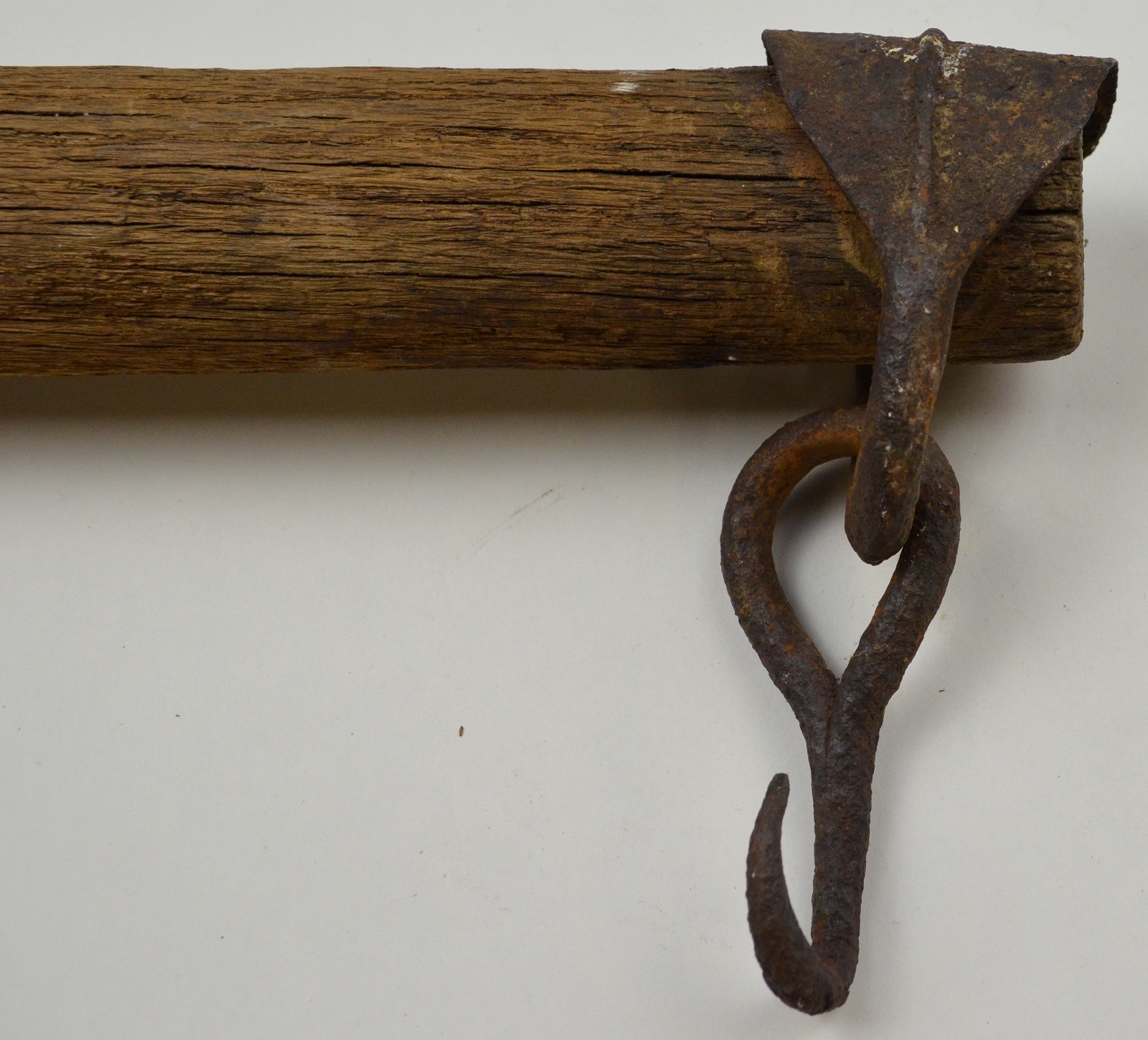
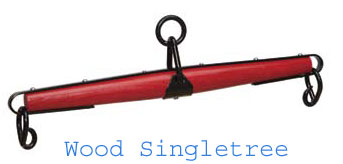
A horse single tree has several basic parts. The main part is the wooden or metal bar. This bar holds the pulling straps called traces.
At each end, there are rings or hooks. These attach to the harness traces. In the middle, a ring connects to the vehicle’s shaft.
Some single trees have padding. This prevents chafing on the horse’s neck. Others have adjustable parts for a better fit.
Types Of Single Trees
There are different types of horse single trees. The most common is the straight single tree. It has a simple bar with rings at the ends.
The flexible single tree bends slightly. It helps the horse move more freely. This type works well for uneven ground.
Another type is the swinging single tree. It hangs from chains or straps. This allows more movement and reduces pressure on the horse.
Each type serves a specific purpose. Choosing the right single tree improves comfort and performance.
Credit: www.tgldirect.com
Role In Saddle Comfort
The horse single tree plays a vital role in saddle comfort. It shapes the saddle and affects how it fits the horse’s back. A well-designed tree helps the horse move freely and avoids pain or injury. This part of the saddle supports the rider’s weight and spreads it evenly across the horse’s body. Proper comfort improves the horse’s performance and overall well-being.
Impact On Horse Movement
The single tree influences how the horse moves under the saddle. It allows the horse’s shoulders to move without restriction. A flexible tree adapts to the horse’s natural motion. This helps the horse stay balanced and comfortable. A rigid or poorly fitting tree can cause stiffness and limit movement.
Pressure Distribution
The tree helps spread the rider’s weight evenly across the horse’s back. It prevents pressure points that cause pain or sores. Good pressure distribution protects the horse’s muscles and spine. This reduces fatigue during rides and helps the horse stay healthy. A balanced saddle tree is key to long-term comfort.
Enhancing Rider Performance
Horse single trees play a key role in improving rider performance. They help riders connect better with their horses. This connection boosts control and comfort during rides. Riders can feel the horse’s movements more clearly. This leads to more natural riding and better results.
Using a well-designed single tree supports the rider’s posture. It helps keep the rider balanced and steady. This balance is important for riding safely and confidently.
Improved Balance
A horse single tree helps riders stay balanced. It spreads the rider’s weight evenly on the horse’s back. This balance reduces pressure points that can cause discomfort. Riders find it easier to stay upright and steady. Good balance allows riders to react quickly to the horse’s movements. This improves riding control and safety.
Better Communication
The single tree improves the communication between horse and rider. It allows subtle signals to pass through more clearly. Riders can give gentle cues without confusing the horse. Horses respond better to light pressure and small shifts in weight. This clear communication helps the horse understand what the rider wants. It creates a smoother and more enjoyable ride for both.
Materials And Construction
The materials and construction of a horse single tree affect its strength, weight, and comfort. This part of the saddle helps distribute the rider’s weight evenly on the horse’s back. Choosing the right material ensures a safe and smooth ride. Builders use different materials to meet various needs and budgets.
Wood Vs. Synthetic
Wood is the traditional material for horse single trees. It offers natural strength and a classic feel. Wooden trees are often covered with rawhide or fiberglass for added protection. They are heavier but provide good shock absorption.
Synthetic trees use materials like plastic or composite fibers. These trees are lighter and resistant to moisture. They also require less maintenance than wood. Some riders prefer synthetic trees for their flexibility and easy care.
Durability Factors
Durability depends on the material and construction quality. Wood trees can crack or warp if exposed to water or extreme weather. Proper care is essential to keep them strong.
Synthetic trees resist water and heat better. They tend to last longer in wet conditions. However, low-quality synthetics may break under heavy use.
The joinery and coating also affect durability. Strong glue and tight joints prevent loosening. Protective coatings guard against scratches and wear.
Choosing The Right Single Tree
Selecting the right single tree for your horse is important. It affects comfort and performance. A well-chosen tree fits the horse’s body and supports the rider’s needs. This choice helps prevent soreness and improves riding experience.
Consider both the horse’s shape and the rider’s preferences. These two factors guide the selection process. Each horse is unique, and so are the riders. Understanding these differences helps find the best match.
Matching Horse Conformation
The horse’s conformation is key to choosing a tree. Measure the width of the horse’s shoulders and back. The tree should match these measurements closely. A narrow tree can pinch the horse. A wide tree may cause instability.
Check the horse’s withers height and shape. Some horses have high withers needing a higher tree. Others have low withers needing a lower tree. The tree should not press on the spine or rub the shoulders.
Rider Needs And Preferences
The rider’s size and riding style matter too. A heavier rider may need a stronger tree. A lighter rider may prefer a lighter tree for ease. Think about the type of riding: trail, work, or show.
Comfort is important for the rider. Some riders want more freedom in the saddle. Others want more support and stability. Choose a tree that fits the rider’s body and riding goals.
Maintenance And Care Tips
Proper maintenance and care of a horse single tree extend its life and keep it safe. Regular attention prevents damage and ensures comfort for your horse. Simple steps help keep the single tree in good shape for many years.
Regular Inspections
Check the single tree often for cracks or wear. Look closely at the wood and metal parts. Small cracks can grow bigger if ignored. Tighten any loose screws or bolts to avoid accidents. Notice any changes in shape or structure. Early detection saves money and effort later.
Cleaning And Storage
Clean the single tree after each use with a soft brush. Remove dirt, sweat, and debris carefully. Avoid harsh chemicals that can damage the wood or metal. Dry the single tree fully before storing it. Store in a cool, dry place away from direct sunlight. Proper storage stops warping and rusting. Cover the single tree to keep dust off.
Common Issues And Solutions
Using a horse single tree properly helps keep your horse comfortable and safe. Sometimes, problems can arise that cause discomfort or even injury. Knowing common issues and how to fix them saves time and protects your horse.
Checking your horse and the single tree often will catch problems early. Small fixes prevent big troubles later. Understanding signs of discomfort and how to make adjustments is key to good care.
Signs Of Discomfort
Watch for your horse’s behavior changes. Sudden restlessness or refusal to move may mean pain. Look for sweating or skin sores under the saddle area. Uneven gait or head tossing also signals discomfort. Check for swelling or heat near the saddle tree. These signs mean the single tree might not fit well or is damaged.
Adjustments And Repairs
Start by checking the single tree for cracks or bends. Replace any broken parts immediately. Tighten loose screws or nails to keep the tree stable. Adjust the padding to avoid pressure spots on the horse’s back. Use shims or extra pads for better fit. If unsure, ask a professional saddle fitter to help. Regular maintenance keeps the single tree safe and comfortable for your horse.
Credit: www.mydrafthorse.com
Frequently Asked Questions
What Is A Horse Single Tree Used For?
A horse single tree helps pull loads by distributing weight evenly on a horse’s harness.
How Does A Single Tree Improve Horse Pulling Power?
It spreads pressure across the horse’s chest, making pulling easier and safer.
What Materials Are Horse Single Trees Made From?
Commonly made of wood or metal for strength and durability.
Can A Single Tree Fit All Horse Sizes?
Single trees come in different sizes to match various horse builds.
How Do You Attach A Single Tree To A Harness?
It connects with straps or chains to the horse’s harness or collar.
Why Is A Single Tree Important For Horse-drawn Carts?
It keeps the load balanced, preventing injury and improving control.
Conclusion
A horse single tree helps spread weight evenly on a horse’s back. It keeps the harness steady and comfortable. This simple tool supports both the horse and the driver during work. Knowing how to use it makes a big difference.
It adds safety and ease to horse-drawn tasks. Choosing the right single tree matters for any horse owner. Remember, small details improve the whole experience. Keep your horse happy and healthy with the right gear.
As an Amazon Associate, I earn from qualifying purchases.