Are you looking to improve your horse’s comfort and safety? Horse stall bars might be exactly what you need.
These simple yet effective tools help keep your horse secure while allowing fresh air and light to flow through the stall. If you want to create a better environment for your horse, understanding the benefits and uses of stall bars is key.
Keep reading to discover how horse stall bars can make a difference for you and your horse every day.

Credit: americanstalls.com
Benefits Of Stall Bars
Stall bars offer many benefits for horse owners and their animals. They improve the overall quality of horse stalls. These bars make the environment safer, stronger, and easier to clean. Understanding these benefits helps in making smart choices for horse care.
Enhancing Horse Safety
Stall bars keep horses safe by preventing injuries. They create a secure barrier without sharp edges. Horses cannot get their legs or heads stuck easily. This reduces the chance of accidents inside the stall. Strong bars also protect horses from outside dangers.
Improving Stall Durability
Stall bars increase the strength of the stall walls. They resist chewing, kicking, and rubbing by horses. This means the stall lasts longer and stays in good shape. Durable bars save money by lowering repair costs. They keep the stall structure stable over time.
Facilitating Easy Maintenance
Stall bars simplify the cleaning process. Dirt and waste do not stick to the bars easily. This makes washing and scrubbing faster and more effective. The bars also allow better airflow inside the stall. Good ventilation helps keep the stall dry and fresh.
Materials For Stall Bars
Choosing the right material for horse stall bars is important. The material affects strength, safety, and durability. Different materials offer unique benefits for stalls. Understanding these options helps in making the best choice for horses and barns.
Steel Options
Steel is strong and long-lasting. It holds up well under pressure and weight. Steel bars resist bending and breaking. This makes steel a safe choice for horse stalls. It can handle rough use and stay sturdy over time.
Aluminum Features
Aluminum is lighter than steel but still strong. It does not rust, which is good for wet environments. Aluminum bars are easy to install and move if needed. They need less maintenance than steel bars. This material works well in humid or rainy areas.
Wooden Alternatives
Wood offers a natural and warm look. It is softer than metal, which can be safer for horses. Wood is easy to cut and shape for custom stalls. It may require more care to avoid rot or damage. Wooden bars add a traditional feel to barns.
Coating And Finishes
Coatings protect bars from rust and wear. Powder coating is common for steel and aluminum bars. It adds a smooth, hard layer that lasts long. Wood finishes help prevent moisture damage. Proper coatings extend the life of stall bars.
Design Features To Consider
Choosing the right design features for horse stall bars is important. These features affect safety, comfort, and durability. Each element plays a role in creating a secure and pleasant space for horses. Focus on key details to make the best choice for your stable.
Bar Spacing And Thickness
Spacing between bars must prevent horses from getting stuck. Too wide gaps can cause injury or escape. Bars should be close enough to keep horses safe. Thickness matters for strength and durability. Thick bars resist bending and breaking. Choose bars that balance safety and visibility.
Mounting And Installation
Strong mounting keeps stall bars in place. Secure installation prevents accidents and damage. Use heavy-duty brackets or bolts for stability. Consider the wall type before choosing mounting hardware. Easy installation saves time and effort. Proper mounting improves stall safety and lifespan.
Ventilation And Visibility
Good ventilation helps keep horses healthy. Stall bars allow fresh air to flow freely. Proper airflow reduces odors and moisture build-up. Visibility lets horses see their surroundings and other horses. It reduces stress and boredom. Choose bars that offer clear views without compromising safety.
Safety Mechanisms
Safety features protect horses and handlers. Rounded edges prevent cuts and scrapes. Smooth surfaces avoid splinters and injuries. Locking systems stop horses from opening doors or gates. Check for pinch points that could trap horses. Safety mechanisms reduce risks and improve peace of mind.

Credit: americanstalls.com
Custom Vs. Standard Designs
Choosing between custom and standard horse stall bars can affect your stable’s look and function. Each type offers unique benefits. Understanding these helps you pick the best option for your needs.
Advantages Of Custom Bars
Custom bars fit your exact space and style. They allow for special measurements and unique designs. This ensures a perfect fit in irregular or tight spaces.
You can choose materials, colors, and finishes. This adds a personal touch and matches your stable’s theme. Custom bars often use stronger materials, improving safety and durability.
They also offer better ventilation and visibility for horses. This can lead to healthier and calmer animals. Custom solutions solve problems that standard bars cannot.
When Standard Works Best
Standard horse stall bars come in fixed sizes and common designs. They are ready to use, saving time and effort. Standard bars are usually less expensive than custom options.
They fit most typical stalls and meet basic safety needs. Standard bars are easy to replace or add if needed. This option works well for simple or budget-friendly stable setups.
For many stable owners, standard bars provide a quick and reliable solution. They offer good quality without the wait or extra cost of custom work.
Common Safety Risks
Horse stall bars help keep horses safe and secure. Yet, some safety risks can cause harm. Knowing these risks helps prevent accidents. Always check the bars before use to avoid problems.
Pinch Points
Pinch points happen where bars move or meet. Horses or people can get fingers or skin caught. This can cause pain or injury. Stall bars must be designed to reduce these spots.
Sharp Edges
Sharp edges on bars can cut horses or handlers. Poorly finished metal or wood is a common cause. Smooth, rounded edges are safer and prevent wounds. Regular inspection helps spot sharp edges early.
Material Failures
Material failures mean bars break or bend under pressure. Rust, cracks, or weak welds cause this problem. Broken bars can hurt horses or let them escape. Use strong materials and replace damaged parts quickly.
Maintenance Tips
Proper care keeps horse stall bars safe and strong. Regular maintenance helps avoid big problems. It also extends the life of the bars. Follow these simple tips to keep your stall bars in good shape.
Regular Inspections
Check the stall bars often for cracks or damage. Look for loose bolts or rust spots. Early detection stops small issues from growing. Inspect both the bars and the mounting points. Make notes of any problems found.
Cleaning Techniques
Clean the bars with a soft cloth and mild soap. Avoid harsh chemicals that can damage the finish. Wipe off dirt and dust regularly. Dry the bars after cleaning to prevent rust. Keep the area around the bars tidy and dry.
Repair And Replacement
Fix minor damage quickly to keep the bars safe. Tighten loose screws or bolts right away. Replace any broken or severely worn bars. Use parts that match the original materials. Do not delay repairs to ensure horse safety.
Cost Factors And Budgeting
Understanding the cost factors helps you plan your budget for horse stall bars. Several elements influence the total price. Knowing these can avoid surprises and keep spending on track.
Material Costs
Material type is the main cost driver. Steel bars tend to be more expensive but last longer. Wood options cost less but may need frequent repairs. Quality metal with a good finish increases durability. Choose materials that fit both budget and needs.
Installation Expenses
Installation fees vary depending on complexity. Simple setups cost less and take less time. Custom designs or large stalls raise the price. Hiring skilled workers ensures safety and proper fitting. Factor in labor costs before buying materials.
Long-term Value
Stall bars with higher upfront costs often save money later. Durable materials reduce repair and replacement expenses. Proper installation lowers maintenance needs and enhances safety. Investing wisely leads to fewer problems over time.
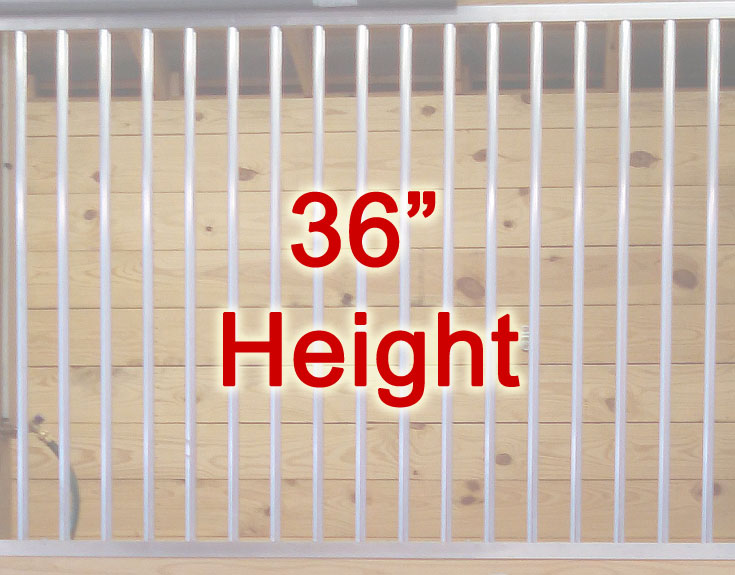
Credit: www.armourhorsestalls.com
Top Brands And Products
Choosing the right horse stall bars can improve the safety and comfort of your stable. Knowing the top brands helps you make a smart choice. These brands offer durable and well-made products designed for horses.
Quality, design, and customer feedback are key factors. The following sections highlight popular makers, what customers say, and warranty details.
Popular Stall Bar Makers
Horse guard, Weaver Leather, and Tough-1 are well-known brands. They provide strong metal bars that resist rust and wear. These brands offer various sizes and styles to fit different stalls. Their products often include easy installation features for quick setup.
Customer Reviews
Many buyers praise stall bars for their sturdiness and safety. Positive reviews mention how bars keep horses secure without causing harm. Some users note easy cleaning and maintenance as a plus. Negative reviews usually focus on installation difficulties or fit issues. Overall, most customers find these bars reliable and value their purchase.
Warranty And Support
Top brands offer warranties from one to five years. This coverage protects against defects and material problems. Customer support teams help with installation questions and replacement parts. Good warranty and support ensure peace of mind after buying. Always check the warranty terms before purchase.
Frequently Asked Questions
What Are Horse Stall Bars Used For?
Horse stall bars provide ventilation and prevent horses from escaping stalls safely.
How Do Stall Bars Improve Horse Safety?
They stop horses from sticking heads out and reduce injury risk inside stalls.
What Materials Are Common For Horse Stall Bars?
Steel and aluminum are popular for strength, durability, and rust resistance.
Can Stall Bars Fit Any Horse Stall Size?
Yes, stall bars come in various sizes to fit most standard stalls.
How Do Stall Bars Help With Stall Cleanliness?
Bars allow air flow, reducing moisture and keeping stalls dryer and cleaner.
Are Horse Stall Bars Easy To Install?
Most stall bars install quickly using basic tools and simple instructions.
Conclusion
Horse stall bars provide safety and comfort for horses. They help keep horses calm and secure in their stalls. These bars allow good airflow, which keeps the stall fresh. They also let horses see outside, reducing stress. Installing stall bars is a smart choice for any horse owner.
They combine strength and ease of use. Caring for horses becomes easier with these bars in place. Choose the right stall bars to fit your needs. Your horses will thank you with better health and happiness. Simple, strong, and safe—stall bars make a difference.
As an Amazon Associate, I earn from qualifying purchases.