Are you looking to improve the comfort and safety of your horse’s stall? The right horse stall channel can make all the difference.
It helps with drainage, keeps the stall clean, and creates a healthier space for your horse. Imagine walking into a stall that stays dry and fresh, no matter the weather outside. You’ll discover everything you need to know about horse stall channels, how they work, and why they are a game-changer for your stable.
Keep reading to find out how you can create the perfect environment for your horse with just one simple upgrade.
Benefits Of Horse Stall Channels
Horse stall channels offer practical benefits for stable management. They improve air flow, handle water well, and keep stalls clean. These features help create a healthier space for horses. Understanding these benefits can guide better stable design and care.
Improved Ventilation
Horse stall channels help air move freely inside the stall. Good air flow reduces moisture and harmful gases. This creates a fresher and safer environment for horses to breathe. Proper ventilation lowers the risk of respiratory problems in horses.
Enhanced Drainage
Channels guide water away from the stall floor quickly. This prevents puddles and wet spots that cause discomfort. Efficient drainage helps keep the stall dry and stable. Dry floors reduce mud and slippery conditions, improving safety.
Increased Stall Hygiene
Horse stall channels make cleaning easier and faster. They help remove urine and waste efficiently. Cleaner stalls reduce bacteria and bad odors. Better hygiene supports horse health and comfort every day.
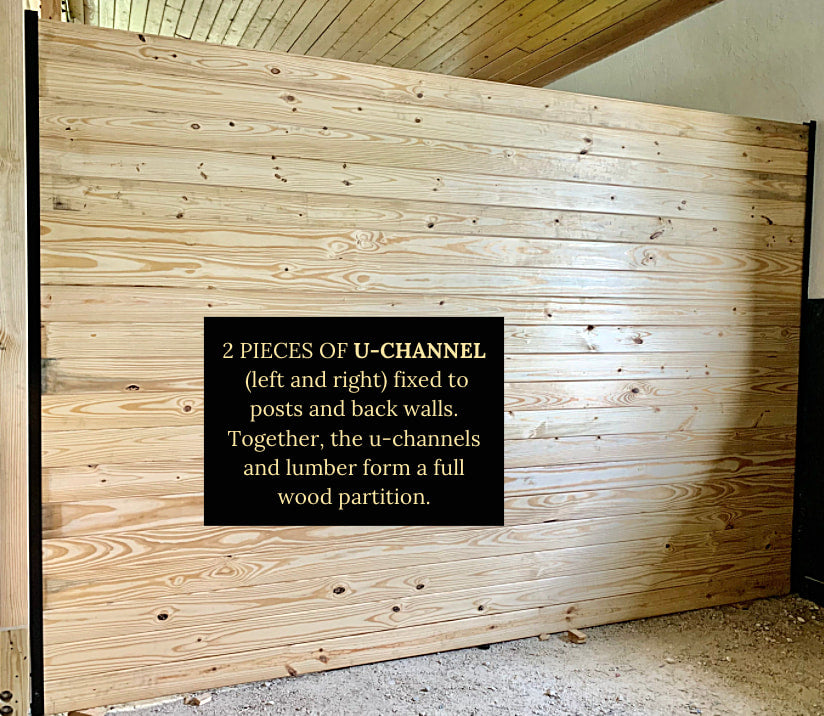
Credit: americanstalls.com
Types Of Stall Channel Materials
Choosing the right material for horse stall channels affects drainage, durability, and safety. Stall channels come in different materials, each with unique benefits and uses. Understanding these options helps create a clean and comfortable stable environment.
Concrete Channels
Concrete channels offer strong and long-lasting drainage solutions. They resist heavy loads from horses and equipment. These channels can be shaped to fit various stall sizes. Concrete also handles weather changes without cracking easily. They require minimal maintenance and provide excellent water flow control.
Plastic And Polymer Options
Plastic and polymer stall channels are lightweight and easy to install. They resist corrosion and do not rust. These materials come in bright colors, which improves visibility inside the stable. Plastic channels often include built-in grates to keep debris out. They are a good choice for stalls needing quick setup and low upkeep.
Metal Grates
Metal grates provide strong cover for stall channels. Made from steel or aluminum, they support heavy weight without bending. Metal grates allow water to flow while blocking larger debris. They add safety by preventing horses from stepping into open channels. Regular checks prevent rust and ensure long life.
Designing Efficient Stall Layouts
Creating an efficient horse stall layout is key to a clean and safe stable. Good design helps with daily cleaning and keeps horses comfortable. It also prevents water buildup and reduces odors. Careful planning of channels and flooring improves overall hygiene. Every detail counts for a healthy environment.
Proper stall layout saves time and effort. It supports good drainage and makes waste removal easier. Stalls that dry quickly prevent hoof problems. A smart layout means less work and happier horses.
Optimal Channel Placement
Place horse stall channels where water and waste collect most. Channels should run along stall edges or center aisles. This setup helps waste flow directly into drains. Avoid placing channels where horses stand or lie down. Keep channels wide enough for easy cleaning tools access. Proper placement keeps stalls dry and fresh.
Slope And Drainage Considerations
Stall floors need a slight slope toward channels. A slope of about 1-2% works well. It helps water and urine flow into the channel quickly. Avoid steep slopes that can cause horses to slip. Ensure channels connect to a good drainage system. Proper drainage prevents water pooling and damage.
Integration With Flooring
Choose stall flooring that works well with channels. Non-slip, durable materials are best. Rubber mats or textured concrete improve safety. Flooring should direct liquids easily to channels. Avoid rough surfaces that trap waste. Smooth transitions between floor and channel edges reduce dirt buildup.
Installation Tips And Best Practices
Installing a horse stall channel correctly ensures safety and durability. Proper setup helps avoid future problems and saves time. Follow the best practices for a smooth installation process.
Site Preparation
Clear the area of debris and level the ground. A flat surface prevents water pooling and damage. Check for underground pipes or cables before digging. Mark the exact line where the channel will go. Use stakes and string for accuracy.
Channel Installation Steps
Start by digging a trench slightly wider than the channel. The depth depends on the channel size and ground type. Place a gravel base to improve drainage and support. Set the channel in the trench and align it carefully. Connect each section tightly to avoid gaps. Secure the channel edges with concrete or soil. Check the slope to ensure water flows correctly. Allow concrete to dry before use.
Maintenance And Cleaning
Remove debris from the channel regularly to prevent blockages. Use a small brush or hose for cleaning. Inspect the channel for cracks or damage often. Fix minor issues quickly to avoid bigger repairs. Keep the surrounding area clear to reduce dirt buildup. Proper care extends the channel’s life and keeps stalls dry.
Common Mistakes To Avoid
Building a horse stall channel requires careful planning and attention. Many people make mistakes that cause problems later. These errors can lead to poor drainage, material damage, and extra work. Avoiding common mistakes helps keep the stall safe and clean for horses.
Poor Drainage Planning
Drainage is very important for a horse stall channel. Water must flow away quickly to stop puddles. Bad drainage causes mud and smells. It can also hurt horses’ hooves and legs. Plan the slope and outlet carefully to keep water moving well.
Using Incompatible Materials
Choosing the wrong materials can cause damage and fast wear. Some materials do not handle moisture or heavy use well. Use durable and water-resistant materials made for horse stalls. Mixing metals and concrete wrongly can cause rust or cracks.
Neglecting Regular Maintenance
Even the best horse stall channels need care. Dirt and debris can block the channel. Check and clean the channel often. Fix small cracks or damage quickly. Regular maintenance keeps the channel working and extends its life.
Cost Factors And Budgeting
Planning a horse stall channel involves careful budgeting. Knowing the costs helps avoid surprises. Breaking down expenses into clear parts makes planning easier. Focus on materials, labor, and long-term savings.
Material Costs
Material costs vary by type and quality. Steel and concrete are common choices. Steel costs more but lasts longer. Concrete is cheaper but may need repairs. Choose materials that fit your budget and needs.
Labor Expenses
Labor costs depend on project size and location. Skilled workers charge higher rates. Simple installations need less labor. Complex setups take more time and money. Getting quotes from several contractors helps find fair prices.
Long-term Savings
Investing in quality materials reduces future repair costs. Durable channels need less maintenance. Energy-efficient designs can lower utility bills. Spending more now can save money later. Think about the stall’s lifespan and upkeep.
Real-life Stall Channel Examples
Real-life examples of horse stall channels show how different stables use this system. These examples help understand the practical benefits and challenges. They reveal how stall channels improve horse care and stable management. Each example highlights unique features suited to specific needs.
Small-scale Stables
Small stables often use simple stall channels. These channels help with drainage and cleaning. They keep stalls dry and comfortable for horses. Owners find them easy to install and maintain. These setups work well for hobby farms or private horse owners.
Large Commercial Facilities
Large stables use more complex stall channels. These channels manage waste from many stalls at once. They improve hygiene and reduce labor costs. Efficient water flow prevents bad smells and bacteria build-up. Commercial facilities benefit from strong, durable materials in these channels.
Innovative Design Solutions
Some stables use creative designs for stall channels. These include adjustable channels for different stall sizes. Others use eco-friendly materials to reduce environmental impact. Technology helps monitor water flow and cleanliness. These innovations make stable management easier and safer for horses.

Credit: www.amazon.com
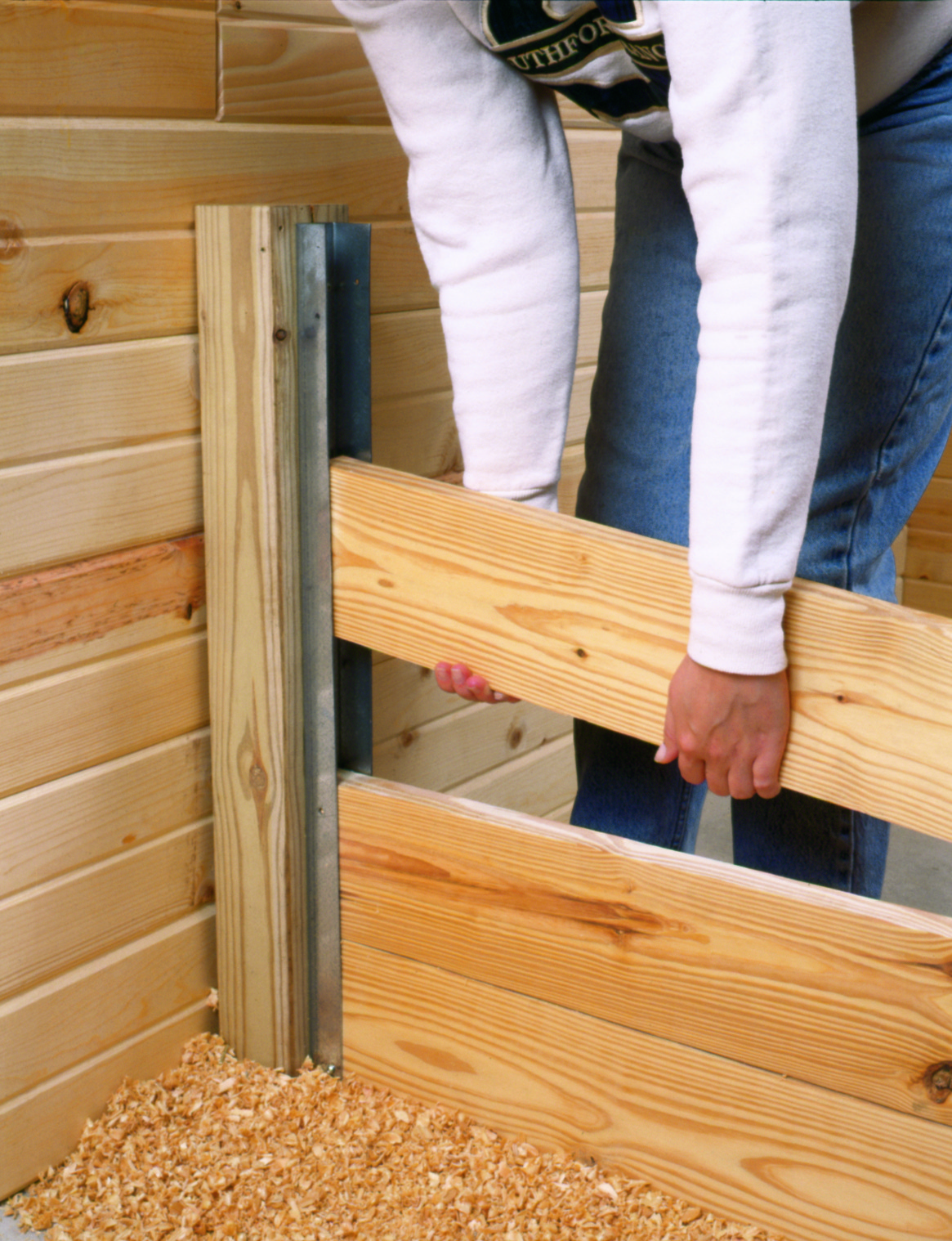
Credit: woodstarproducts.com
Frequently Asked Questions
What Is A Horse Stall Channel Used For?
A horse stall channel holds stall guards or doors to keep horses safe inside.
How Do I Install A Horse Stall Channel?
Mount the channel on stall posts using screws, ensuring it is level and secure.
What Materials Are Horse Stall Channels Made From?
They are usually made from steel or aluminum for strength and rust resistance.
Can Horse Stall Channels Be Cut To Size?
Yes, channels can be cut with a saw to fit your specific stall dimensions.
How Do Horse Stall Channels Improve Barn Safety?
They keep stall guards stable, preventing horses from escaping or injuring themselves.
Are Horse Stall Channels Suitable For Outdoor Use?
Yes, rust-resistant channels are designed to withstand outdoor weather and barn conditions.
Conclusion
Choosing the right horse stall channel helps keep your stable safe and clean. It supports good drainage and prevents water buildup. This simple addition can improve horse comfort daily. Easy to install and maintain, it saves time and effort. Healthy horses and a tidy barn make all the difference.
Think about your stable’s needs and pick the best channel. Small changes bring big benefits. Care for your horses the smart way.
As an Amazon Associate, I earn from qualifying purchases.