If you care about your horse’s health and comfort, choosing the right stall feeder is a game-changer. You want something that keeps the feed clean, reduces waste, and makes feeding time easier for you.
But with so many options out there, how do you find the perfect one for your stable? This guide will help you discover the best horse stall feeders that meet your needs and keep your horse happy and well-fed. Keep reading to learn the simple secrets to smarter feeding and a tidier stall.
Types Of Horse Stall Feeders
Choosing the right horse stall feeder is important for every horse owner. Different feeders suit different needs and stall sizes. Some feeders save space, while others make feeding easier and cleaner. Understanding the types of horse stall feeders helps in picking the best one for your horse.
Wall-mounted Feeders
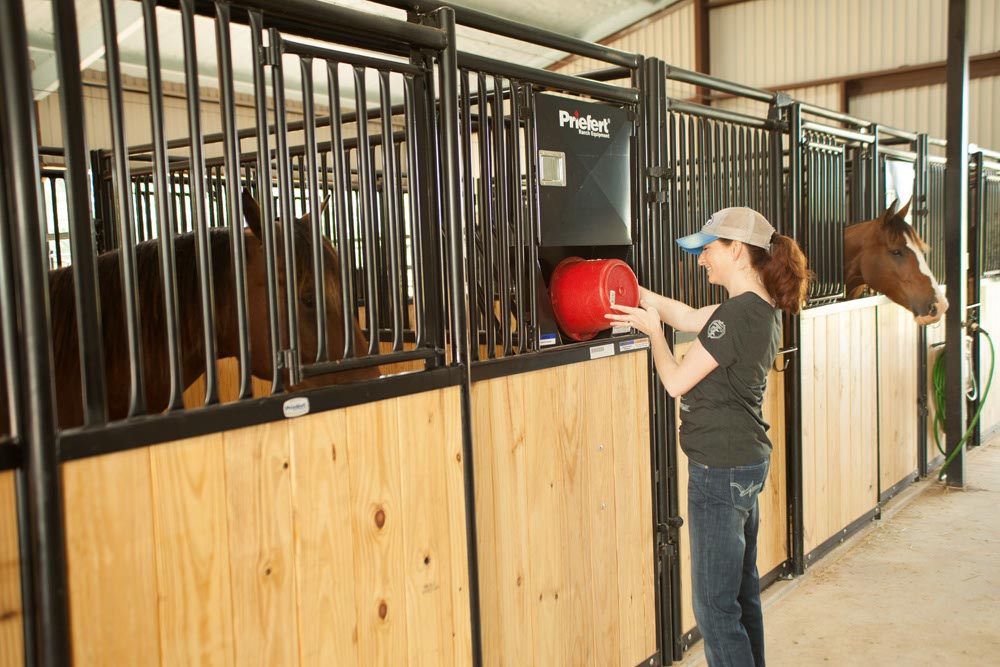
Wall-mounted feeders attach directly to the stall wall. They keep the feed off the ground, reducing waste and dirt. These feeders come in various sizes to hold hay, grains, or pellets. Easy to clean and durable, they help keep the stall tidy.
Hanging Feed Bags
Hanging feed bags are soft and flexible containers. They hang inside the stall on hooks or bars. These bags hold hay or grain and reduce dust around the stall. Easy to move and wash, they offer a simple feeding solution.
Automatic Feeders
Automatic feeders release food at set times. They help keep a feeding schedule without manual work. These feeders suit busy owners or horses needing regular meals. Many models allow portion control to prevent overeating.
Trough Feeders
Trough feeders sit on the stall floor or mount low on a wall. They provide a large eating area for hay or grain. Troughs are easy to fill and clean. They work well for horses that prefer eating from a lower height.
Benefits Of Using Stall Feeders
Using stall feeders offers many advantages for horse owners. They help manage feeding in a smart and organized way. Stall feeders save feed, keep the stall clean, and support the horse’s health. These benefits make feeding easier and better for both horses and owners.
Reducing Feed Waste
Stall feeders hold the feed in one place. This stops horses from dropping food on the ground. Less waste means you buy feed less often. It also saves money over time. Clean feed is easier for horses to eat and digest.
Improving Feeding Efficiency
Stall feeders allow horses to eat at their own pace. They prevent overeating and food fights. Feeding schedules become more predictable and stress-free. This helps horses get the right amount of food every day. It also helps owners manage multiple horses easily.
Maintaining Cleanliness
Stall feeders keep feed off the floor and away from dirt. This reduces mold and bacteria growth. A clean stall means fewer health risks for horses. It also makes cleaning the stall faster and simpler for owners.
Enhancing Horse Health
Stall feeders promote slow, natural eating habits. This improves digestion and reduces colic risks. Horses stay calmer and less stressed during feeding time. Proper nutrition supports strong bones and good energy. Healthy horses perform better and feel happier.
Materials And Durability
Choosing the right material for horse stall feeders affects their durability and function. Stall feeders must handle daily use and resist damage from horses. Materials vary in strength, maintenance needs, and lifespan. Understanding these differences helps select feeders that last and keep horses safe.
Plastic Feeders
Plastic feeders are lightweight and easy to clean. They do not rust or rot, making them good for wet conditions. Quality plastic feeders resist cracks and breaks. They can fade under strong sun but generally hold up well. Plastic is gentle on horses’ noses and teeth.
Metal Feeders
Metal feeders offer strong durability. Steel and aluminum are common choices. Steel feeders resist chewing and kicking damage. Aluminum feeders are lighter but less strong. Metal feeders may rust without proper coating. They require regular inspection to avoid sharp edges.
Wooden Feeders
Wooden feeders provide a natural look and feel. They are sturdy but can absorb moisture. Wood may warp, crack, or rot over time. Treating wood with sealants extends its life. Some horses may chew wood, causing damage. Regular maintenance keeps wooden feeders safe.
Factors Affecting Longevity
Exposure to weather impacts feeder life. Sun, rain, and snow cause wear and tear. Horse behavior also matters. Chewing, kicking, and rough use shorten feeder lifespan. Cleaning frequency affects durability by preventing mold and decay. Proper installation reduces damage risks. Choosing the right material for your stable conditions is key.
Credit: www.priefert.com
Installation And Placement Tips
Installing horse stall feeders correctly is key for your horse’s comfort and safety. Proper placement helps reduce waste and keeps feed clean. Follow these tips for the best setup in your stable.
Optimal Height And Position
Set feeders at your horse’s shoulder height. This position makes eating natural and easy. Avoid placing feeders too high or too low. Too high causes neck strain. Too low may lead to dirt in the feed. Place feeders where horses can eat without crowding each other. Choose spots that are easy to reach for refilling.
Securing Feeders Safely
Attach feeders firmly to stall walls. Use strong brackets or screws made for barn use. Loose feeders can fall and scare your horse. Check mounts regularly for wear and tear. Replace any broken parts quickly. Keep all fasteners flush to avoid sharp edges. Safe installation prevents accidents and keeps feeders steady.
Avoiding Injury Risks
Use feeders with smooth edges and rounded corners. Sharp parts can hurt your horse’s mouth or face. Avoid placing feeders near gates or doors. Horses may get hurt if feeders block paths. Keep space around feeders clear to prevent kicking or bumping. Regularly inspect feeders for damage or rust. Replace damaged feeders to keep your horse safe.
Cleaning And Maintenance
Keeping horse stall feeders clean is very important. Clean feeders help horses stay healthy. Dirt and old food can cause illness. Regular cleaning stops mold and bacteria growth. It also makes feeding easier and safer.
Daily Cleaning Routines
Remove leftover feed every day. Wipe the feeder with a damp cloth. Check for cracks or sharp edges. Clean spills around the feeder quickly. This keeps the area tidy and safe.
Deep Cleaning Methods
Once a week, wash the feeder with warm water and soap. Use a scrub brush to remove stuck food. Rinse thoroughly to remove all soap. Let it dry completely before use. This prevents moisture buildup inside the feeder.
Preventing Mold And Bacteria
Keep feeders dry to stop mold growth. Avoid feeding wet or spoiled food. Store extra feed in a cool, dry place. Use natural cleaners like vinegar to disinfect. Regular checks help catch problems early.
Feeding Strategies With Stall Feeders
Feeding horses with stall feeders helps keep their diets clean and organized. It makes feeding easier and reduces waste. Good feeding strategies improve horse health and prevent overeating. Careful planning can help every horse get the right amount of food.
Portion Control
Stall feeders help measure and control food portions. Giving the right amount avoids weight problems. Overfeeding can cause health issues like colic or laminitis. Use the feeder to divide food into small, even meals. This keeps horses full without overeating.
Feeding Multiple Horses
Stall feeders allow feeding several horses in one space. Each horse can eat separately without sharing food. This reduces fights and stress among horses. Label feeders to match each horse’s diet. It helps to track who eats what and when.
Incorporating Supplements
Adding supplements to stall feeders is simple and clean. Mix supplements with regular feed to ensure intake. Keep supplements dry and safe from moisture. This helps horses get all needed nutrients every day. Supplements support joint health, digestion, and coat condition.
Cost Considerations
Choosing the right horse stall feeder involves thinking about costs. Understanding different expenses helps make a smart choice. Costs are not just about buying the feeder. They include how much you spend over time. This section breaks down key cost factors for horse stall feeders.
Initial Investment
The first cost is the price of the feeder itself. Prices vary by material, size, and style. Metal feeders often cost more than plastic ones. Custom or heavy-duty models have higher prices. Installation may add to the initial cost. A simple feeder costs less but may not last as long.
Long-term Savings
Good feeders save money over time. Durable feeders need fewer repairs or replacements. They reduce feed waste by controlling portions. Less waste means less money spent on extra feed. Easy-to-clean feeders lower labor costs. Saving time and effort also counts as savings.
Choosing Value For Money
Look for feeders that balance price and quality. A cheap feeder may cost more in repairs or waste. A slightly higher price can mean better durability and less waste. Think about how the feeder fits your horse’s needs. Choose one that lasts and saves feed. This gives the best value for money.

Credit: shopspur.com
Common Problems And Solutions
Horse stall feeders are helpful but can bring some common problems. Knowing these issues helps keep your feeder working well. Simple fixes can save time and money. Let’s look at common problems and how to solve them.
Feeder Damage By Horses
Horses may bite or kick feeders. This causes cracks or breaks. Using strong materials like metal helps prevent damage. Adding corner protectors stops horses from chewing edges. Regularly check feeders for damage. Quick repairs keep feeders safe and usable.
Feed Spillage Issues
Feed spills waste food and makes the stall dirty. Spills happen if feeders are too low or wide. Choose feeders with proper size and shape. Raised feeders reduce spillage by keeping feed off the floor. Use feed trays or mats under feeders to catch spills.
Adjusting To New Feeders
Horses may be unsure about new feeders. They might avoid eating at first. Place the new feeder next to the old one. Slowly move the new feeder to the preferred spot. Offer favorite treats to encourage eating. Patience helps horses get used to changes.

Credit: www.sstack.com
Frequently Asked Questions
What Are Horse Stall Feeders And Why Use Them?
Horse stall feeders hold hay or grain inside the stall for easy, clean feeding.
How Do Horse Stall Feeders Improve Feeding Efficiency?
They reduce waste by keeping feed off the floor and accessible to horses.
What Materials Are Common For Horse Stall Feeders?
Feeders are usually made from metal, plastic, or wood for durability.
Can Horse Stall Feeders Help Prevent Hay Spoilage?
Yes, they keep hay dry and clean, reducing mold and spoilage risks.
How Do You Install A Horse Stall Feeder Safely?
Mount securely at horse’s chest height to prevent injury and allow easy access.
Are Horse Stall Feeders Easy To Clean And Maintain?
Most designs allow quick cleaning to keep feed fresh and prevent pests.
Conclusion
Horse stall feeders help keep feed clean and reduce waste. They make feeding easier and save time daily. Using the right feeder supports your horse’s health and comfort. Choose a feeder that fits your stall size and your horse’s needs.
Simple tools can improve your stable’s routine a lot. Good feeders protect feed from dirt and pests too. Small changes bring better care for your horses. Try a stall feeder for a neater, safer feeding space.
As an Amazon Associate, I earn from qualifying purchases.