If you own horses, you know how important it is to keep their hay fresh and clean. But have you ever noticed how much hay gets wasted or trampled in your stall?
That’s where horse stall hay feeders come in. These simple tools can save you money, reduce mess, and keep your horses healthier. You’ll discover how the right hay feeder can make feeding time easier and more efficient for both you and your horse.
Keep reading to find out what to look for and how to choose the best feeder for your needs.
Credit: www.priefert.com
Benefits Of Using Hay Feeders
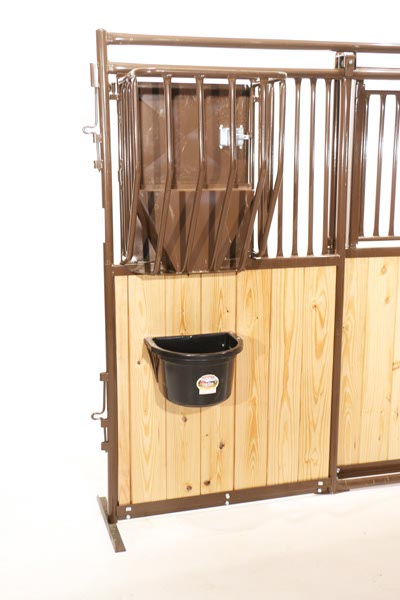
Hay feeders offer many benefits for horse owners. They help manage feeding in a clean and efficient way. These feeders protect hay from dirt and waste. Using a hay feeder keeps your horse’s feeding area neat and healthy.
Reducing Hay Waste
Hay feeders keep hay off the ground. This stops horses from trampling and soiling the hay. Less hay falls on dirty floors and gets wasted. Hay feeders save money by reducing the amount of hay lost.
Improving Feeding Efficiency
Feeders hold hay in one place. Horses can eat more comfortably and calmly. This reduces the time horses spend eating. It helps owners control how much hay each horse gets. Feeding becomes faster and more organized.
Enhancing Horse Health
Clean hay means fewer chances of illness. Feeders keep hay clean and dry. This lowers the risk of mold and bacteria. Horses eat better and stay healthier. Proper feeding supports good digestion and strong teeth.
Maintaining Clean Feeding Areas
Hay feeders stop hay from spreading all over. This keeps the stall cleaner and safer. Less mess means less time cleaning for owners. A tidy feeding area helps prevent pests and bugs. Clean spaces are better for horses and humans.
Types Of Hay Feeders
Hay feeders come in various types to suit different needs and barn setups. Choosing the right feeder helps keep hay clean and reduces waste. Each type offers unique benefits for horse care and feeding efficiency.
Slow-feed Hay Nets
Slow-feed hay nets have small holes that limit how fast horses eat. This design helps prevent overeating and keeps horses busy longer. They are easy to hang in stalls or paddocks. Slow-feed nets also reduce hay wastage by holding the hay in place.
Metal Ring Feeders
Metal ring feeders are sturdy and simple. They hold large hay bales off the ground. This keeps the hay clean and dry. Many ring feeders attach to stall walls or fences. They are durable and easy to clean.
Wooden Hay Racks
Wooden hay racks add a classic look to stalls. They hold hay securely while allowing good airflow. This helps keep hay fresh and reduces mold. Wooden racks come in different sizes and styles. They are strong and can last for years.
Portable Hay Feeders
Portable hay feeders are easy to move around. They work well in pastures or temporary setups. These feeders often have a frame to keep hay off the ground. Portability allows flexibility in feeding locations. They help reduce hay waste and keep feeding areas tidy.
Materials For Durability
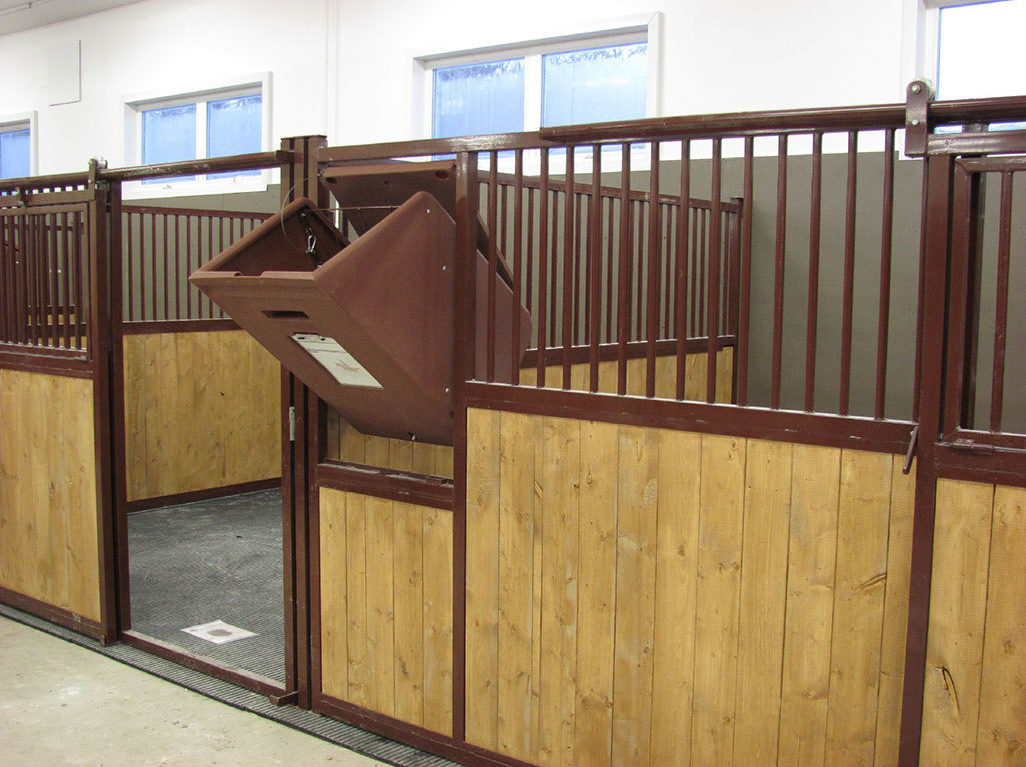
Choosing the right material for horse stall hay feeders ensures they last longer. Durable materials handle wear and tear from horses. They also protect the hay from dirt and moisture. This section covers common materials that offer strength and long life.
Galvanized Steel
Galvanized steel is strong and rust-resistant. It stands up well to rough use by horses. The steel is coated with zinc to prevent rust. This makes it perfect for wet or humid environments. Feeders made from galvanized steel require little maintenance. They last for many years and keep hay clean.
Heavy-duty Plastic
Heavy-duty plastic feeders are lightweight and easy to move. They resist cracking and breaking under pressure. Plastic does not rust or corrode, making it good for outdoor use. These feeders are simple to clean and maintain. They come in various shapes and sizes to fit different stalls.
Wood And Composite Options
Wood feeders offer a natural look and good strength. Treated wood resists rot and insect damage. Composite materials mix wood fibers with plastic for added durability. These feeders are gentle on horses and easy to repair. Both wood and composite options fit well in many barn styles.
Credit: www.siouxsteel.com
Choosing The Right Size
Choosing the right size for a horse stall hay feeder matters a lot. The right size helps keep the hay fresh and reduces waste. A feeder that fits well also keeps your horse comfortable. It can save money and time in the long run.
Matching Feeder To Horse Size
Horses come in many sizes. Small ponies need smaller feeders. Large horses need bigger feeders that hold more hay. A feeder too small can cause fights or stress. A feeder too large may waste hay and space. Measure your horse’s size before buying a feeder.
Feeding Multiple Horses
Multiple horses need a feeder that holds enough hay for all. Choose a feeder with multiple openings or a larger capacity. This avoids competition and helps all horses eat calmly. A feeder designed for groups saves time refilling. It also keeps hay cleaner and more organized.
Space Considerations
Space inside the stall affects feeder size choice. Measure the stall area before buying a feeder. A feeder too big can block movement and cause accidents. A feeder too small wastes the stall’s potential. Balance feeder size with stall space for safety and comfort.
Installation And Placement Tips
Installing and placing horse stall hay feeders correctly makes feeding easier and safer. Proper setup keeps hay clean and reduces waste. It also protects horses from injury and stress. Follow key tips for mounting, height, and weather protection. These steps help maintain a healthy feeding environment for your horses.
Safe Mounting Techniques
Use strong brackets or mounts to secure the feeder. Ensure the feeder is stable and does not wobble. Avoid sharp edges or loose parts that can hurt horses. Drill holes carefully and use bolts, not nails, for better support. Check the feeder regularly to tighten any loose fittings.
Optimal Height And Accessibility
Place the feeder at the horse’s shoulder height. This position helps horses eat comfortably without stretching or bending. Make sure all horses can reach the feeder easily. Avoid placing it too low to prevent hay from getting dirty. Keep the area around the feeder clear for easy access and cleaning.
Weather Protection Strategies
Install feeders under a roof or shelter to protect hay from rain. Use covers or tarps if no shelter is available. Wet hay can spoil and cause health problems for horses. Position feeders away from muddy or flooded areas. Good drainage around the feeder keeps hay dry and fresh.
Maintaining And Cleaning Hay Feeders
Maintaining and cleaning hay feeders is essential for horse health. Clean feeders keep hay fresh and prevent waste. Dirt, old hay, and moisture can cause problems. Regular care extends feeder life and supports your horse’s well-being.
Regular Cleaning Routines
Clean hay feeders at least once a week. Remove leftover hay and debris after each feeding. Use a stiff brush to scrub feeder surfaces. Rinse with water to clear dirt and dust. Allow feeders to dry completely before refilling.
Preventing Mold And Mildew
Moisture causes mold and mildew in hay feeders. Keep feeders dry by avoiding wet hay. Store hay in a dry place before feeding. Check feeders daily for signs of mold. Remove any moldy hay immediately to protect horses.
Repair And Replacement Signs
Look for broken bars or sharp edges. Rust or cracks weaken feeder strength. Loose parts can injure horses or waste hay. Replace feeders showing extensive damage. Repair minor issues quickly to keep feeders safe.
Cost And Budget Considerations
Choosing the right horse stall hay feeder involves thinking about costs. Budget affects the type of feeder you can buy. It also impacts long-term care and savings. Understanding cost factors helps plan better for your horse’s needs. Spending wisely can save money and reduce waste.
Initial Investment Vs. Long-term Savings
Some hay feeders cost more at first. They use strong materials that last longer. These feeders often reduce hay waste. Saving hay means saving money over time. Cheaper feeders may break or waste more hay. That can cost more in the long run. Balance the upfront cost with future savings.
Affordable Options
Many budget-friendly hay feeders exist for horse owners. These usually use simple designs and lighter materials. They work well for small stables or temporary use. Some affordable feeders need more care or repairs. They may not last as long as pricier models. Still, they help feed horses without high costs.
High-end Durable Choices
Durable hay feeders cost more but last years. They often feature heavy-duty metal or tough plastic. These feeders resist damage from horses and weather. They lower hay waste by controlling feeding better. High-end options require less maintenance and fewer replacements. They fit well for large stables or frequent use.
Tips For Maximizing Feeder Efficiency
Maximizing the efficiency of horse stall hay feeders helps reduce waste and saves money. It also keeps horses healthier by providing clean, fresh hay. Small changes in storage, feeding habits, and seasonal adjustments make a big difference. Follow these tips to get the best results from your hay feeder.
Proper Hay Storage
Store hay in a dry, cool place to keep it fresh. Avoid damp areas that cause mold or rot. Cover hay stacks with tarps or use a hay barn. Proper storage keeps hay tasty and nutritious for horses. It also prevents spoilage and reduces waste.
Monitoring Horse Feeding Habits
Watch how your horse eats from the feeder. Some horses eat too fast or waste hay. Notice if they pull hay out and drop it on the floor. Adjust the feeder height or design to reduce waste. Regular checks help identify problems early. This keeps hay use efficient and horses satisfied.
Adjusting Feeder Use Seasonally
Change feeder use based on the season. In cold months, horses eat more hay for energy. Provide enough hay without overfilling the feeder. In warm months, horses may eat less. Reduce hay quantity to avoid spoilage. Seasonal changes help maintain hay quality and reduce waste.
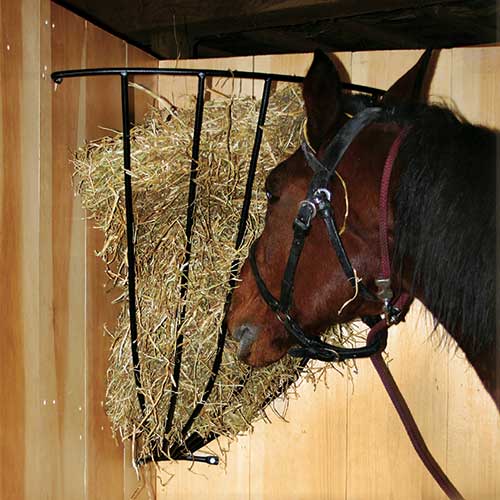
Credit: www.cashmans.com
Frequently Asked Questions
What Are Horse Stall Hay Feeders Used For?
Horse stall hay feeders hold hay to keep it clean and reduce waste.
How Do Hay Feeders Benefit Horses In Stalls?
They prevent hay from falling on the ground, keeping it fresh and clean.
What Materials Are Common For Hay Feeders?
Hay feeders are often made from metal, plastic, or heavy-duty mesh.
How Do Hay Feeders Help Reduce Hay Waste?
By holding hay off the ground, feeders stop it from getting trampled or soiled.
Can Hay Feeders Improve Stall Cleanliness?
Yes, feeders keep hay contained, making stalls tidier and easier to clean.
How To Choose The Right Hay Feeder Size?
Pick a feeder that fits your horse’s stall and matches their hay intake.
Conclusion
Horse stall hay feeders help keep hay clean and reduce waste. They make feeding easier and save money over time. Choosing the right feeder supports your horse’s health and comfort. Simple designs work best for daily use. Investing in a good feeder means less mess and healthier horses.
Remember, clean hay leads to happy, strong horses. A good feeder protects your hay and keeps your stall tidy. Consider your horse’s needs before buying. Good care starts with smart feeding choices.
As an Amazon Associate, I earn from qualifying purchases.