If you care for horses, you know how important it is to give them the right medication safely and effectively. Using the right horse syringe can make this task easier, less stressful, and more accurate for both you and your animal.
Whether you’re a seasoned trainer or a new horse owner, understanding the best tools for administering medicine can save time and prevent frustration. You’ll discover everything you need to know about horse syringes—how to choose them, use them correctly, and keep your horse healthy with confidence.
Keep reading to make sure you’re giving your horse the care it deserves.
Choosing The Right Syringe
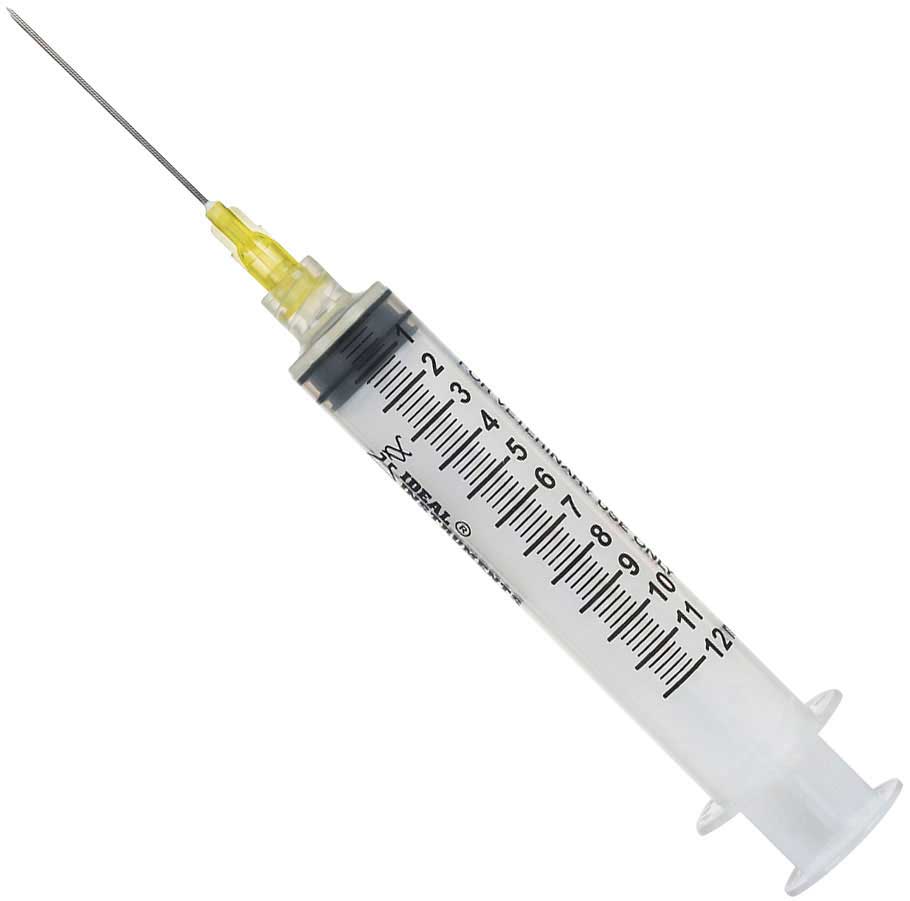
Choosing the right syringe for a horse is important for safe and effective care. The correct syringe helps deliver medicine properly and avoids discomfort. It also makes the process faster and less stressful for both the horse and handler. Understanding different syringes and their features helps pick the best one for specific needs.
Types Of Syringes For Horses
There are several syringe types for horses. Oral syringes are common for giving liquid medicine by mouth. They have a long, narrow tip to reach the horse’s mouth easily. Injectable syringes are used for shots. They have a needle and come in various sizes. Some syringes have a plunger with a guard to prevent injury during use. Choosing the right type depends on the medicine and how it is given.
Selecting The Correct Size
Syringe size matters a lot. A too-small syringe may take too many refills. A too-large syringe can be hard to control. Syringe size is measured in milliliters (ml). Small horses need smaller syringes, while large horses may need bigger ones. Always match the syringe size to the dose of medicine. This ensures accurate delivery and reduces waste.
Material Considerations
Syringes come in plastic or glass. Plastic syringes are lightweight and cheap. They are good for most uses but can break more easily. Glass syringes are heavier and stronger. They last longer and are easier to clean. Some syringes have rubber parts that can cause allergies. Check materials before buying to avoid reactions. Choose material based on durability and safety needs.
Credit: www.valleyvet.com
Preparing For Injection
Preparing to give an injection to a horse is a careful process. It helps keep the horse safe and makes the injection easier. Being ready with the right tools and steps is very important. The horse must stay calm and clean for the best result.
Gathering Supplies
Start by collecting all needed items. You will need a horse syringe, the medicine, and clean needles. Have cotton balls or gauze ready for after the injection. Keep everything within reach. This saves time and avoids mistakes.
Cleaning The Injection Site
Clean the spot where the needle will go in. Use an alcohol wipe or antiseptic solution. Wipe the area in a circular motion. Start from the center and move outward. This removes dirt and germs. It lowers the chance of infection.
Proper Restraint Techniques
Hold the horse gently but firmly. Use a halter and lead rope to control the head. Stand close to the horse’s shoulder or neck. Ask someone to help if the horse is nervous. Calm restraint prevents sudden moves. It keeps both you and the horse safe.
Injection Methods
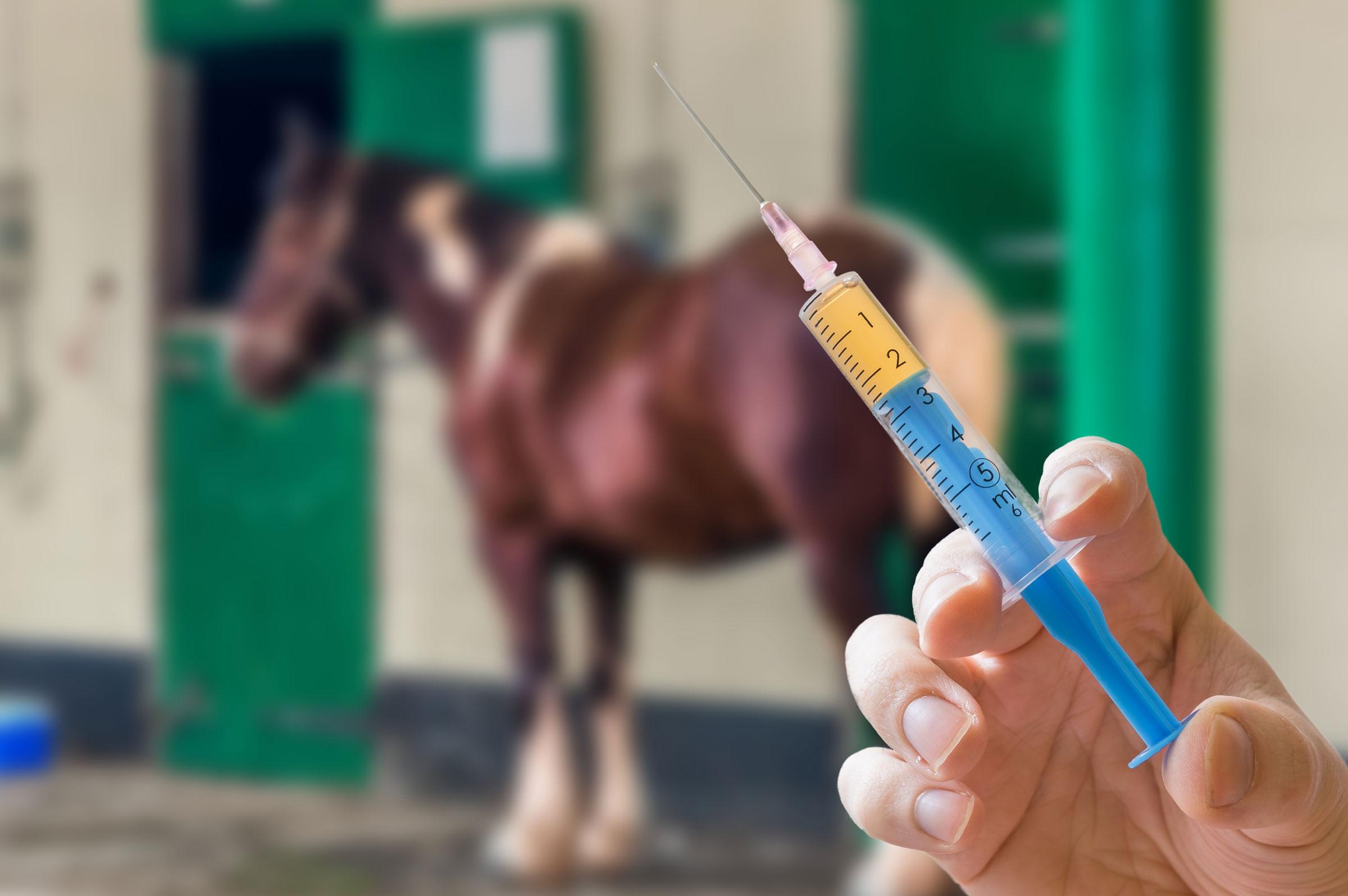
Injection methods are important for giving medicine to horses safely and correctly. Different methods reach the horse’s body in different ways. Each method has its own use and care.
Choosing the right injection method helps the medicine work well. It also keeps the horse comfortable and reduces risks.
Intramuscular Injection
Intramuscular injection goes directly into the horse’s muscle. This method is common and fast. It helps the medicine absorb quickly into the bloodstream.
Use a clean syringe and needle for every injection. Inject in large muscles like the neck or hindquarters. Watch for swelling or pain after the injection.
Subcutaneous Injection
Subcutaneous injection goes just under the horse’s skin. It is slower to absorb than intramuscular injection. This method is less painful for the horse.
Lift the skin to create a small pocket before injecting. Avoid areas with dirt or injuries. This method suits vaccines and fluids.
Intravenous Injection
Intravenous injection delivers medicine directly into the vein. It acts the fastest because it enters the bloodstream immediately. This method needs skill and care.
Common veins used are in the neck. Clean the injection site well. Monitor the horse closely during and after the injection.
Credit: stablemanagement.com
Administering Medication Safely
Administering medication safely to horses is very important. Proper technique helps avoid injuries and ensures the medicine works well. Using the right syringe and following steps reduces stress for the horse and handler.
Understanding how to give injections carefully protects the horse’s health. It also prevents infections and other problems. This section explains key points for safe medication using a horse syringe.
Correct Needle Insertion
Choose the right needle size for the horse’s muscle and medicine. Clean the injection site with alcohol to stop germs. Insert the needle smoothly at the right angle, usually 90 degrees for intramuscular shots. Avoid pushing too fast to reduce pain. Pull back slightly on the plunger to check for blood before injecting. If blood appears, remove the needle and try a new spot.
Avoiding Common Mistakes
Never reuse needles or syringes. This can cause infections. Avoid injecting into veins unless instructed. Do not inject through dirty or damaged skin. Use the correct dose as prescribed by the vet. Don’t rush the process; calm the horse first. Keep the horse still during the injection to prevent injury.
Monitoring For Adverse Reactions
Watch the horse after giving medicine. Look for swelling, heat, or pain at the injection site. Check for unusual behavior like sweating or restlessness. Contact a vet if the horse shows signs of allergic reaction or severe discomfort. Early detection helps treat problems quickly. Keep records of all medications and reactions for future care.
Post-injection Care
Post-injection care is a key part of using a horse syringe safely. It helps keep your horse healthy and prevents infections. Proper care after injection supports healing and comfort for the animal.
Following simple steps ensures the syringe is handled correctly and the horse is monitored well.
Disposing Of Syringes Properly
Used syringes can carry germs and pose risks. Always dispose of them in a sharps container. Never throw syringes in regular trash. Proper disposal protects people and animals from injury and infection.
Cleaning And Storage
Some syringes are reusable. Clean them immediately after use with warm water and soap. Dry completely before storing. Store syringes in a clean, dry place. Keep them away from dust and dirt to avoid contamination.
Observing The Horse’s Response
Watch your horse closely after injection. Look for swelling, heat, or pain at the site. Check for signs of allergic reactions like itching or breathing problems. Early detection helps prevent serious issues. Call a vet if you notice unusual symptoms.
Troubleshooting Injection Issues
Giving injections to horses can sometimes be tricky. Problems may arise during or after the injection. Knowing how to fix these issues helps keep your horse safe and healthy. Quick action can prevent serious problems and reduce stress for your horse.
Dealing With Needle Breakage
Needle breakage is rare but can happen. Stop the injection immediately. Try to keep the horse calm and still. Never try to pull out the broken needle yourself. Contact a veterinarian right away. They have the tools and skills to remove it safely. Always check needles for damage before use.
Handling Swelling Or Infection
Some swelling after an injection is normal. Watch the area closely for redness or heat. These signs may show infection. Clean the spot gently with warm water. Avoid squeezing or pressing the swelling. Use a cold compress to reduce discomfort. If swelling grows or pus appears, call a vet quickly.
When To Consult A Veterinarian
Some injection problems need expert help. Consult a veterinarian if the horse shows pain or lameness. Sudden fever or loss of appetite is a warning. Large or hard swelling also requires attention. Never delay veterinary care when unsure. Early treatment often leads to better recovery.
Safety Tips For Handlers
Working with horses and syringes requires great care. Safety must be the top priority for every handler. Proper techniques reduce risks and protect both the horse and the person. Follow these safety tips to handle syringes confidently and safely.
Protective Gear Recommendations
Wear gloves to protect your hands from germs and chemicals. Use eye protection to avoid splashes. Long sleeves help guard your arms from scratches and needle sticks. Closed-toe shoes prevent injuries from stepping on sharp objects. Always have clean clothes to avoid contamination.
Handling Nervous Or Aggressive Horses
Stay calm and speak softly to soothe the horse. Approach slowly from the side, not the front. Use a halter and lead rope to control the horse’s head. Keep your body close to the horse for better control. Avoid sudden moves that may startle the animal.
Preventing Needle Stick Injuries
Always use a fresh, sharp needle for each injection. Never recap needles by hand to avoid accidental pricks. Dispose of used needles in a proper sharps container immediately. Keep syringes and needles out of reach of children and pets. Focus fully on the task to prevent mistakes.

Credit: www.amazon.com
Frequently Asked Questions
What Is A Horse Syringe Used For?
A horse syringe is used to give medicines or fluids to horses safely and easily.
How Do You Choose The Right Horse Syringe Size?
Choose a syringe size based on the medicine amount and horse size for accuracy.
Can Horse Syringes Be Reused Safely?
Some syringes are reusable if cleaned well, but many are designed for one-time use.
How To Clean A Horse Syringe Properly?
Rinse with warm water, use mild soap, and let it air dry before reuse.
What Types Of Horse Syringes Are Available?
There are oral syringes for medicine and injection syringes for shots or fluids.
Is It Hard To Give Medicine With A Horse Syringe?
With care and calm, giving medicine using a horse syringe is usually simple.
Conclusion
Choosing the right horse syringe is important for safe care. It helps deliver medicine quickly and accurately. Always check the syringe size and quality before use. Clean syringes prevent infections and keep horses healthy. Proper handling makes the process easier for both you and the horse.
Use syringes designed specifically for horses to avoid problems. Taking these steps ensures better health and comfort for your animal. Small efforts make a big difference in horse care. Keep learning and stay attentive to your horse’s needs.
As an Amazon Associate, I earn from qualifying purchases.