If you own a horse trailer, you know how important it is to keep your trailer safe and secure. One small part can make a big difference—your horse trailer rubber bumper.
It cushions impacts, protects your trailer from damage, and keeps your horses comfortable during travel. But how do you choose the right bumper? And why should you never overlook this simple yet essential component? Keep reading to discover everything you need to know to protect your investment and ensure smooth, worry-free rides for your horses.
Benefits Of Rubber Bumpers
Rubber bumpers on horse trailers offer many benefits. They protect the trailer and horses during transport. These bumpers help reduce damage and increase safety. Their use leads to a smoother, quieter ride.
Shock Absorption
Rubber bumpers absorb shocks from bumps and rough roads. This lessens the impact on the trailer frame. Horses feel less jolt and stress during travel. Shock absorption helps prevent damage to both trailer and animals.
Vibration Reduction
Vibrations can cause discomfort to horses and wear on the trailer. Rubber bumpers lower vibrations by absorbing movement. This creates a more stable and calm environment inside. Lower vibration also extends the life of trailer parts.
Durability And Longevity
Rubber bumpers are strong and last a long time. They resist cracking, weather, and wear from road use. This durability means fewer repairs and replacements. Investing in rubber bumpers saves money over time.
Credit: www.ordertrailerparts.com
Types Of Horse Trailer Bumpers
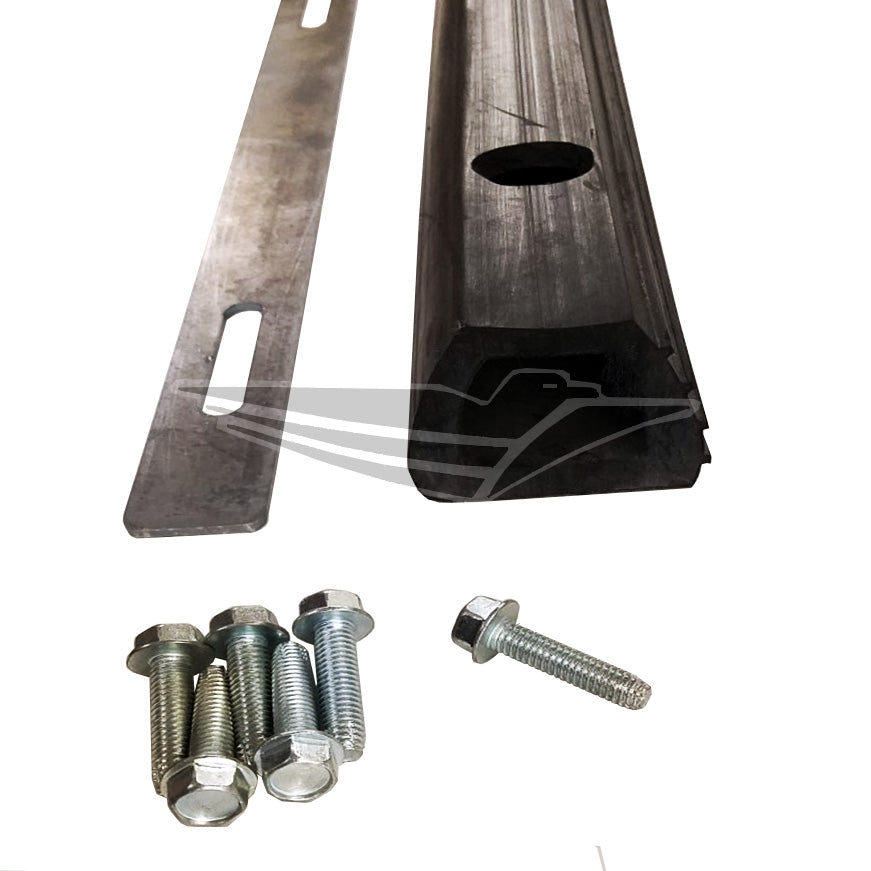
Horse trailer rubber bumpers protect your trailer and horses. They absorb shocks during travel. Different types fit various needs and budgets. Choose the right bumper for safety and durability.
Solid Rubber Bumpers
Solid rubber bumpers are dense and heavy. They offer strong protection against impacts. These bumpers last long and resist wear. Their firmness helps reduce trailer damage. Solid rubber is easy to clean and maintain.
Foam-injected Bumpers
Foam-injected bumpers combine rubber with foam inside. This makes them lighter than solid rubber. The foam cushions blows better, lowering shock to the trailer. These bumpers are softer but still durable. They help protect both trailer and horse.
Hybrid Rubber Options
Hybrid bumpers mix different rubber types or materials. They balance strength and flexibility well. These bumpers can absorb shocks and resist damage. Hybrids often offer better weather resistance. They suit trailers used in rough conditions.
Installation Tips
Installing a horse trailer rubber bumper is simple with the right approach. Proper installation keeps your trailer safe and your horse comfortable. Follow these tips to fit your bumper correctly and securely.
Measuring For The Right Fit
Measure the area where the bumper will go. Use a tape measure to get the length and width. Check the trailer frame for curves or edges. Note any irregular shapes to ensure the bumper fits well. Accurate measuring prevents gaps or loose parts.
Tools Needed
Gather all tools before starting. You will need a drill, screws, and a screwdriver. A tape measure and marker help with precise placement. Safety gloves protect your hands during installation. Have a wrench ready for tightening bolts.
Step-by-step Guide
Clean the trailer surface where the bumper goes. Mark the spots for drilling holes using your measurements. Drill holes carefully to avoid damage. Align the bumper with the holes. Secure it with screws or bolts. Tighten all fasteners to keep the bumper firm. Check the fit and adjust if needed.

Credit: www.ordertrailerparts.com
Maintenance And Care
Proper maintenance and care of horse trailer rubber bumpers extend their life and keep them effective. Regular attention prevents damage and costly repairs. Simple care steps keep the bumpers in good shape and protect your trailer.
Cleaning Techniques
Clean the rubber bumpers with mild soap and water. Use a soft brush or cloth to remove dirt. Avoid harsh chemicals that can damage the rubber. Rinse well and let the bumpers dry completely. Regular cleaning stops dirt buildup and keeps the rubber flexible.
Inspecting For Wear
Check the bumpers often for cracks, tears, or hard spots. Look closely at the edges and mounting points. Small cracks can grow and reduce protection. Feel the rubber for softness; hard rubber means it is aging. Early detection helps avoid bigger problems later.
When To Replace
Replace rubber bumpers if cracks are deep or wide. Change them if the rubber becomes very hard or brittle. Notice any pieces missing or severe damage? That means replacement is needed. Worn bumpers do not protect well and can cause harm to your trailer and horse.
Common Issues And Solutions
Horse trailer rubber bumpers face common problems over time. These issues can affect safety and comfort during travel. Knowing the usual problems helps maintain the bumper properly. This keeps the trailer safe for horses and drivers.
Cracking And Splitting
Rubber bumpers often crack or split due to weather changes. Sunlight and cold cause the rubber to dry out. This weakens the material and leads to damage. Check bumpers regularly for small cracks or splits. Replace damaged bumpers to avoid bigger problems. Use rubber protectant sprays to keep rubber soft and flexible.
Loose Attachments
Bumpers can become loose from frequent use or bumps. Loose bumpers reduce protection and can fall off. Tighten bolts and screws during trailer inspections. Use lock washers or thread-locking glue for extra hold. Replace worn fasteners to keep bumpers secure. Regular checks prevent accidents caused by loose parts.
Noise Reduction Strategies
Loose or worn bumpers cause noise during travel. Noise can stress horses and drivers. Add rubber pads between metal parts to reduce noise. Use lubricant on moving parts to stop squeaks. Replace hard, old bumpers with softer rubber models. Quiet trailers make travel safer and more comfortable.
Choosing The Right Bumper For Your Trailer
Choosing the right bumper for your horse trailer is important for safety and durability. The bumper protects your trailer and the horses inside. It also absorbs shocks during travel.
Many types of rubber bumpers exist. Each fits different trailer needs. Understanding your trailer’s size, weight, and budget helps you pick the best option.
Considering Trailer Size
Trailer size affects the type of bumper needed. Large trailers need bigger, stronger bumpers. Small trailers require compact, lighter bumpers. Check your trailer dimensions before buying.
Weight Capacity
Rubber bumpers have weight limits. Match the bumper capacity with your trailer’s weight. Overloading can damage the bumper and trailer. Choose a bumper that holds the trailer’s full weight safely.
Budget Factors
Set a budget for the bumper purchase. Quality bumpers vary in price. More expensive bumpers usually last longer and offer better protection. Balance cost with durability and safety needs.
Enhancing Trailer Safety
Horse trailer safety is crucial for every journey. Protecting the trailer and the horse ensures a smooth ride. Rubber bumpers play a key role in enhancing this safety. They offer benefits beyond simple protection. These bumpers help reduce damage and improve comfort during travel.
Impact Protection
Rubber bumpers absorb shocks during sudden stops or bumps. They act as cushions between the trailer and other objects. This reduces the force of impact. It prevents dents and cracks on the trailer’s frame. Impact protection lowers repair costs and keeps the trailer strong.
Preventing Damage To Trailer And Horse
Sharp edges or hard surfaces can hurt horses and damage trailers. Rubber bumpers provide a soft barrier to avoid injuries. They reduce the risk of bruises or cuts to horses inside. The bumpers also protect trailer doors and walls from scratches and dents. This keeps both horse and trailer safe.
Improving Ride Comfort
Rubber bumpers soften the ride by reducing vibrations. Horses feel less stress and stay calm during travel. A comfortable ride helps prevent anxiety and injury. The bumpers make the trailer more stable on rough roads. This adds to a safer, smoother experience for horses and drivers.

Credit: www.ordertrailerparts.com
Frequently Asked Questions
What Is A Horse Trailer Rubber Bumper Used For?
A rubber bumper protects the trailer and horse from impacts during travel.
How Does A Rubber Bumper Improve Horse Trailer Safety?
It cushions shocks and prevents damage to the trailer and horse.
Can Rubber Bumpers Reduce Noise Inside The Horse Trailer?
Yes, rubber bumpers help absorb sound and reduce noise levels.
How Long Do Horse Trailer Rubber Bumpers Typically Last?
They usually last several years with normal use and proper care.
Are Rubber Bumpers Easy To Install On Horse Trailers?
Most rubber bumpers are simple to install with basic tools and instructions.
What Materials Are Horse Trailer Rubber Bumpers Made From?
They are made from durable, weather-resistant rubber designed to withstand wear.
Conclusion
A horse trailer rubber bumper helps protect your trailer and horses. It absorbs shocks and reduces damage during travel. Installing one is easy and affordable. It makes your trips safer and more comfortable. Choose a quality bumper for long-lasting use.
Keep your horses safe on every journey. Small changes like this improve your hauling experience. Consider adding a rubber bumper to your trailer today.
As an Amazon Associate, I earn from qualifying purchases.