Are you looking for a fun and effective way to keep your horse healthy and happy? A horse tumbler might be exactly what you need.
Imagine your horse enjoying gentle, controlled movements that improve balance, strength, and flexibility—all while having a good time. You’ll discover what a horse tumbler is, how it works, and why it could be a game-changer for your horse’s well-being. Keep reading to find out how this simple tool can make a big difference in your horse’s life.
Benefits Of Horse Tumbling
Horse tumbling offers many benefits for both riders and horses. It is a fun and active way to improve skills. This activity helps with balance, strength, and confidence. It also creates a strong connection between the rider and the horse.
Horse tumbling is great for physical health, mental focus, and building trust. Let’s explore these benefits in detail.
Physical Health Advantages
Horse tumbling improves muscle strength and body control. It helps develop better balance and coordination. Riders use many muscle groups while tumbling on a horse. This keeps the body active and healthy. The horse also gains exercise and flexibility. It is a low-impact way to stay fit for both.
Mental Stimulation
Riders must concentrate during horse tumbling. This sharpens focus and quick thinking. Learning new moves challenges the brain. It boosts confidence and reduces stress. The activity keeps the mind alert and active. Horses also benefit by staying engaged and calm.
Bonding With Horses
Horse tumbling builds trust between rider and horse. Close contact helps both feel safe and comfortable. Riders learn to read the horse’s signals better. Horses respond positively to gentle handling. This deepens the connection and teamwork. The bond grows stronger through shared activity.
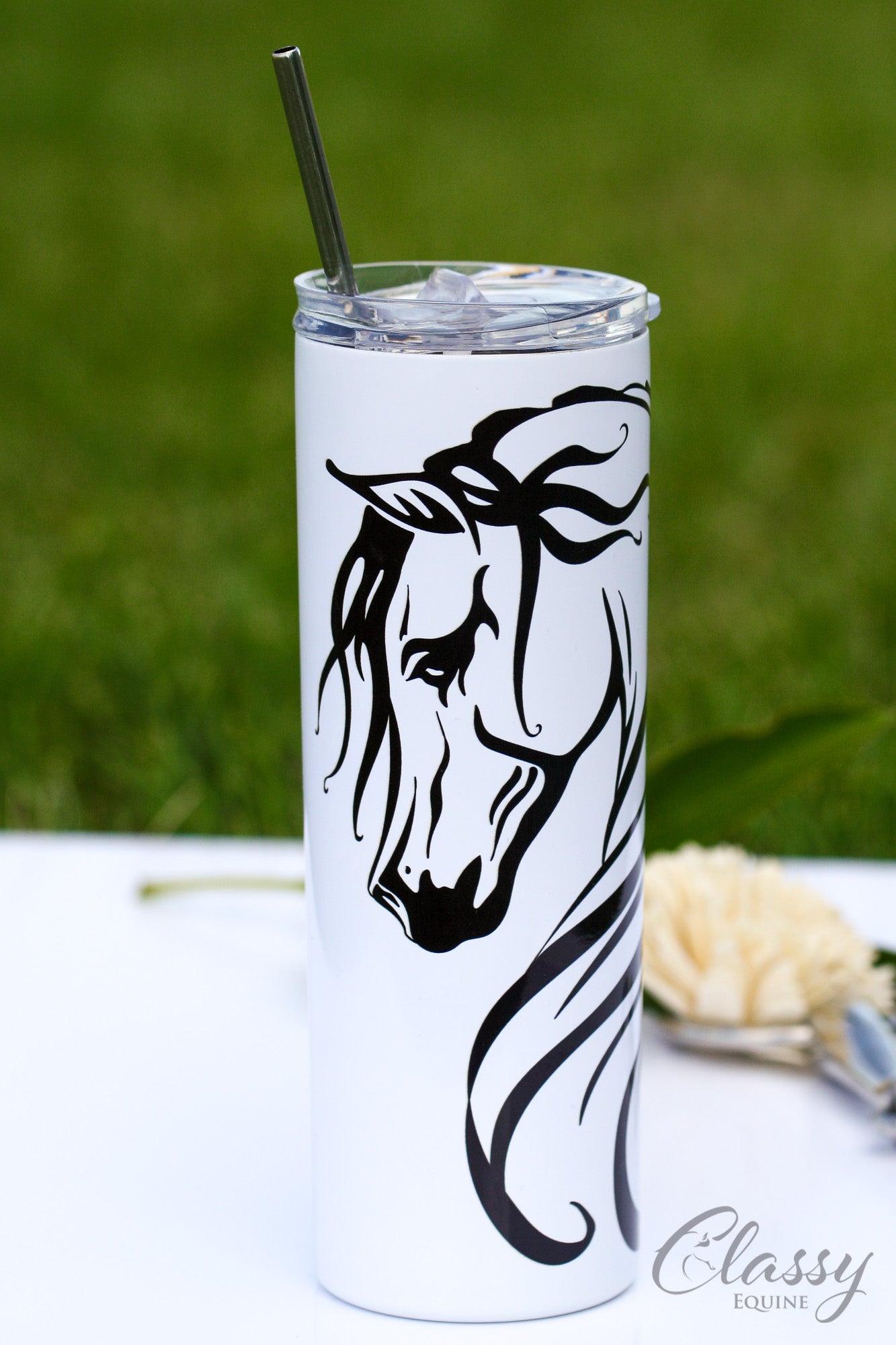
Credit: www.classyequine.com
Choosing The Right Environment
Choosing the right environment for a horse tumbler is very important. The space should keep the horse safe and comfortable. The right spot helps the horse enjoy the activity without risks. Careful choices make the experience better for both the horse and the handler.
Safe Space Requirements
Pick a place with enough room for the horse to move freely. Avoid sharp corners and obstacles. Fencing should be secure and strong. Clear the area of tools, rocks, or anything that may cause injury. The space needs to protect the horse from harm.
Surface Types And Impact
Soft, even ground is best for horse tumbling. Grass or sand surfaces reduce impact stress. Hard surfaces like concrete may cause injuries. Avoid slippery or uneven areas to prevent falls. A proper surface helps the horse stay steady and balanced.
Weather Considerations
Choose weather that suits the horse’s comfort. Avoid extreme heat or cold during the activity. Wet or icy conditions make surfaces slippery and dangerous. Shade helps on sunny days to keep the horse cool. Checking weather ensures a safe and pleasant environment.
Essential Equipment For Tumbling
Tumbling with horses requires the right equipment to keep everyone safe. Proper tools help protect the horse and support the handler during training. This gear makes the tumbling process smoother and reduces risks of injury.
Using suitable equipment shows care for the horse’s well-being. It also helps handlers feel confident and secure. Below are key items needed for safe and effective horse tumbling.
Protective Gear For Horses
Horses need gear to protect their legs and body. Leg wraps and boots shield against bumps and scrapes. Protective pads cover sensitive areas during flips and rolls. A well-fitted helmet for the horse’s head adds extra safety. This gear reduces injuries and helps the horse move freely.
Supportive Tools For Handlers
Handlers use tools to guide and control the horse. Lead ropes and halters provide control without hurting the animal. Training sticks help direct movements gently. Handlers also wear gloves for a better grip. These tools improve communication and keep the handler safe.
Safety Accessories
Safety accessories create a secure environment for tumbling. Soft mats cushion falls and reduce impact. Barriers keep the horse within a safe area. First aid kits are essential for quick treatment of minor injuries. Safety signs remind everyone to stay alert and careful.

Credit: famhose.com
Step-by-step Tumbling Techniques
Learning horse tumbling takes patience and care. This guide walks through each step clearly. It helps you understand how to teach your horse to tumble safely. Follow these simple steps for better results.
Each part of the process matters. From getting the horse ready to guiding the roll, every detail counts. Safety and comfort should be your top focus. Let’s break down the key steps.
Preparing Your Horse
Start by building trust with your horse. Spend time grooming and calming it down. Use a quiet, open space free of distractions. Warm up your horse with light exercises. This makes muscles loose and ready. Check the ground for safety and evenness. Make sure the horse wears proper gear. Soft blankets or pads protect the body during the tumble.
Guiding The Roll
Stand beside your horse and stay calm. Use gentle pressure to encourage the roll. Support the horse’s head and neck carefully. Move slowly and watch the horse’s reactions. Help the horse lean onto its side first. Then, gently guide it to roll over completely. Repeat the motion a few times, not rushing. Praise your horse to keep it relaxed.
Ensuring Comfort And Safety
Watch your horse’s body language closely. Stop if it shows signs of fear or pain. Keep sessions short to avoid tiring the horse. Use soft mats or sand for a safe landing. Always have a helper nearby for extra support. Check the horse’s health after each session. Rest and care help the horse recover well.
Common Mistakes To Avoid
Horse tumbling is a fun and exciting activity. It builds trust and strength between you and your horse. Yet, some common mistakes can cause problems. Avoiding these errors keeps both you and your horse safe and happy. Here are key mistakes to watch out for.
Overexertion Risks
Do not push your horse too hard during tumbling. Overexertion can lead to injuries and stress. Horses need time to rest between sessions. Watch for signs of tiredness like heavy breathing or reluctance. Short, frequent sessions work better than long, intense ones.
Ignoring Horse Signals
Horses communicate through body language. Pay attention to ears, eyes, and tail movements. If your horse shows fear or discomfort, stop immediately. Ignoring these signals can cause fear or refusal. Respect your horse’s feelings for a better experience.
Improper Handling
Handle your horse gently and confidently. Rough or sudden moves can scare your horse. Use calm and clear commands during tumbling. Proper handling helps your horse trust you more. Always approach tumbling with patience and care.
Signs Of Stress And Injury
Horse tumbling can be exciting but also risky. Horses may show signs of stress or injury during or after the activity. Recognizing these signs early helps protect the horse’s health and safety. Watch closely for changes in behavior and physical condition.
Behavioral Indicators
Horses under stress may act restless or anxious. They might pace, paw the ground, or refuse to move. Some horses become unusually quiet or withdrawn. Sudden aggression or biting can also signal discomfort. Pay attention to any unusual or new behaviors.
Physical Symptoms
Look for limping or favoring one leg. Swelling, cuts, or bruises are clear signs of injury. Heavy sweating or labored breathing can indicate stress. Droopy ears and a dull coat might show the horse is unwell. Check the horse’s eyes for redness or discharge.
When To Seek Veterinary Help
Contact a vet if the horse shows severe pain or cannot stand. Deep wounds, bleeding, or broken bones need immediate care. Persistent lameness or swelling also requires a professional check. Don’t wait if the horse’s breathing is fast or irregular. Early treatment can prevent serious problems.
Training Tips For Beginners
Training a horse tumbler can be rewarding and fun. Beginners need simple, clear steps. Focus on creating a strong bond with the horse. This helps the horse feel safe and ready to learn. Training takes time and gentle effort.
Building Trust Gradually
Start by spending quiet time near your horse. Let the horse see and smell you without rushing. Use soft voice tones to calm the horse. Trust grows when the horse feels safe. Avoid sudden movements that might scare the horse. Small, calm steps build a strong connection.
Using Positive Reinforcement
Reward good behavior right away. Use treats, gentle pats, or kind words. Positive reinforcement helps the horse understand what you want. Praise encourages the horse to repeat good actions. Never use punishment or harsh words. Keep training sessions short and fun to keep the horse interested.
Practicing Patience
Every horse learns at its own pace. Do not rush or force the horse. Stay calm even if progress is slow. Patience helps the horse feel relaxed and confident. Take breaks if either of you feels tired. Remember, steady and gentle training works best for beginners.
Advanced Tumbling Moves
Advanced tumbling moves in horse tumbling demand precision and strength. These moves push beyond basic skills and challenge body control. They help performers stand out with smooth, dynamic routines.
Focusing on advanced skills improves balance and fluidity. Practice builds confidence and reduces risk of injury. Each move requires careful attention to form and timing.
Controlled Spins
Controlled spins require steady balance and strong core muscles. The performer turns on one foot or hand while keeping the body tight. Control helps prevent dizziness and keeps the spin smooth.
Start with slow spins and increase speed gradually. Focus on spotting a fixed point to maintain direction. Controlled spins add flair and complexity to routines.
Rolling Transitions
Rolling transitions connect one move to another using rolls. Forward or backward rolls help maintain momentum and flow. They make the performance look seamless and natural.
Practice safe landing techniques to protect the body. Smooth rolling transitions reduce pauses in the routine. They also improve overall movement coordination.
Incorporating Obstacles
Obstacles like beams or low bars add challenge and excitement. Tumblers must adjust their moves to clear or move around obstacles. This tests agility and spatial awareness.
Start with simple obstacles before adding complex ones. Using obstacles builds strength and sharpens focus. It makes routines more interesting to watch.
Incorporating Tumbling Into Daily Routine
Adding horse tumbling to your daily routine can improve balance and coordination. It also builds strength in a fun way. Small, regular sessions work best. Consistency helps you see steady progress without feeling overwhelmed.
Scheduling Sessions
Set a specific time each day for tumbling. Keep sessions short, about 10 to 15 minutes. Choose a quiet spot with enough space to move freely. Early mornings or evenings often work well. Stick to the schedule to build a good habit.
Balancing With Other Exercises
Combine tumbling with stretching and light cardio. This mix helps improve flexibility and endurance. Avoid doing all exercises on the same muscle groups. Give your body time to rest and recover. Balance keeps your routine safe and effective.
Monitoring Progress
Track your tumbling skills every week. Note improvements in balance and control. Record how long you can hold each move. Take videos to see your form and progress. Adjust sessions based on your comfort and growth.
Expert Advice And Resources
Finding reliable advice and helpful resources is key to learning about horse tumbling. Expert knowledge guides beginners and improves skills safely. Trusted sources offer clear instructions and real experience.
Explore the best ways to get advice from professionals, books, and online groups. These resources support your journey and help you understand horse tumbling better.
Professional Trainers
Professional trainers have years of experience with horse tumblers. They teach proper techniques and safety measures. Trainers watch your moves and correct mistakes quickly. Their guidance reduces risks and builds confidence. Many trainers offer one-on-one lessons or group classes. Choose a trainer who knows your skill level and goals.
Recommended Reading
Books and guides provide in-depth knowledge about horse tumbling. They explain history, equipment, and step-by-step instructions. Reading helps you learn at your own pace. Look for books written by experts or well-known trainers. Manuals with pictures and clear language work best for beginners. Reading regularly improves your understanding and technique.
Online Communities
Online communities connect you with horse tumblers worldwide. You can ask questions, share tips, and get feedback. These groups offer support and motivation. Members often post videos and advice on training and safety. Joining a forum or social media group keeps you updated. Friendly members make learning more fun and less lonely.

Credit: www.amazon.com
Frequently Asked Questions
What Is A Horse Tumbler And How Does It Work?
A horse tumbler is a device that helps horses roll safely to clean or scratch themselves.
Why Do Horses Use Tumblers For Rolling?
Rolling helps horses relieve itchiness and dirt, promoting comfort and skin health.
Are Horse Tumblers Safe For All Horse Breeds?
Yes, horse tumblers are designed to be safe for most horse breeds with proper use.
How Often Should A Horse Use A Tumbler?
Horses can use tumblers several times a week, depending on their needs and comfort.
Can Horse Tumblers Prevent Skin Infections?
Regular rolling with tumblers can reduce dirt and sweat, lowering infection risks.
Where Can I Buy Or Install A Horse Tumbler?
Horse tumblers are available online or through equine supply stores and can be installed in stables.
Conclusion
Horse tumblers offer fun and safe ways to enjoy equestrian skills. They help build balance and confidence for riders. Practice often to improve your moves and stay steady. Always use proper gear for safety during training sessions. Remember, patience and practice bring the best results.
Enjoy the ride and keep learning with every tumble.
As an Amazon Associate, I earn from qualifying purchases.