Are you wondering how big your 6-month-old cat should be? It’s natural to want to know if your furry friend is growing just right.
At this age, cats go through important changes, and their size can tell you a lot about their health. You’ll discover what to expect when it comes to your kitten’s growth, how to spot any concerns early, and simple tips to help your cat thrive.
Keep reading to make sure your kitten is on the right track!
Average Weight Of A 6 Month Old Cat
Understanding the average weight of a 6 month old cat helps track healthy growth. At this age, cats grow fast and change a lot. Knowing typical weight helps spot any health concerns early. Weight can vary due to breed and diet. Let’s explore what is normal and what affects a cat’s weight.
Typical Weight Range
A 6 month old cat usually weighs between 5 to 9 pounds. Most domestic cats fall within this range. Male cats may be slightly heavier than females. Some larger breeds, like Maine Coons, grow faster and weigh more at this age. Smaller breeds might weigh less but still be healthy.
Factors Affecting Weight
Breed plays a big role in a cat’s size and weight. Diet also matters; balanced food supports steady growth. Activity level influences muscle and fat development. Health issues can cause weight changes. Regular vet check-ups help keep track of healthy weight gain.
:strip_icc()/your-kittens-first-year-552271-hero-810ca5e3337b4d9d8a3e72bfce12d72f.jpg)
Credit: www.thesprucepets.com
Growth Stages In Kittens
Kittens grow fast in their first six months. Their size changes a lot during this time. Understanding their growth stages helps you know what to expect. It also shows if your kitten is healthy and developing well.
Early Development
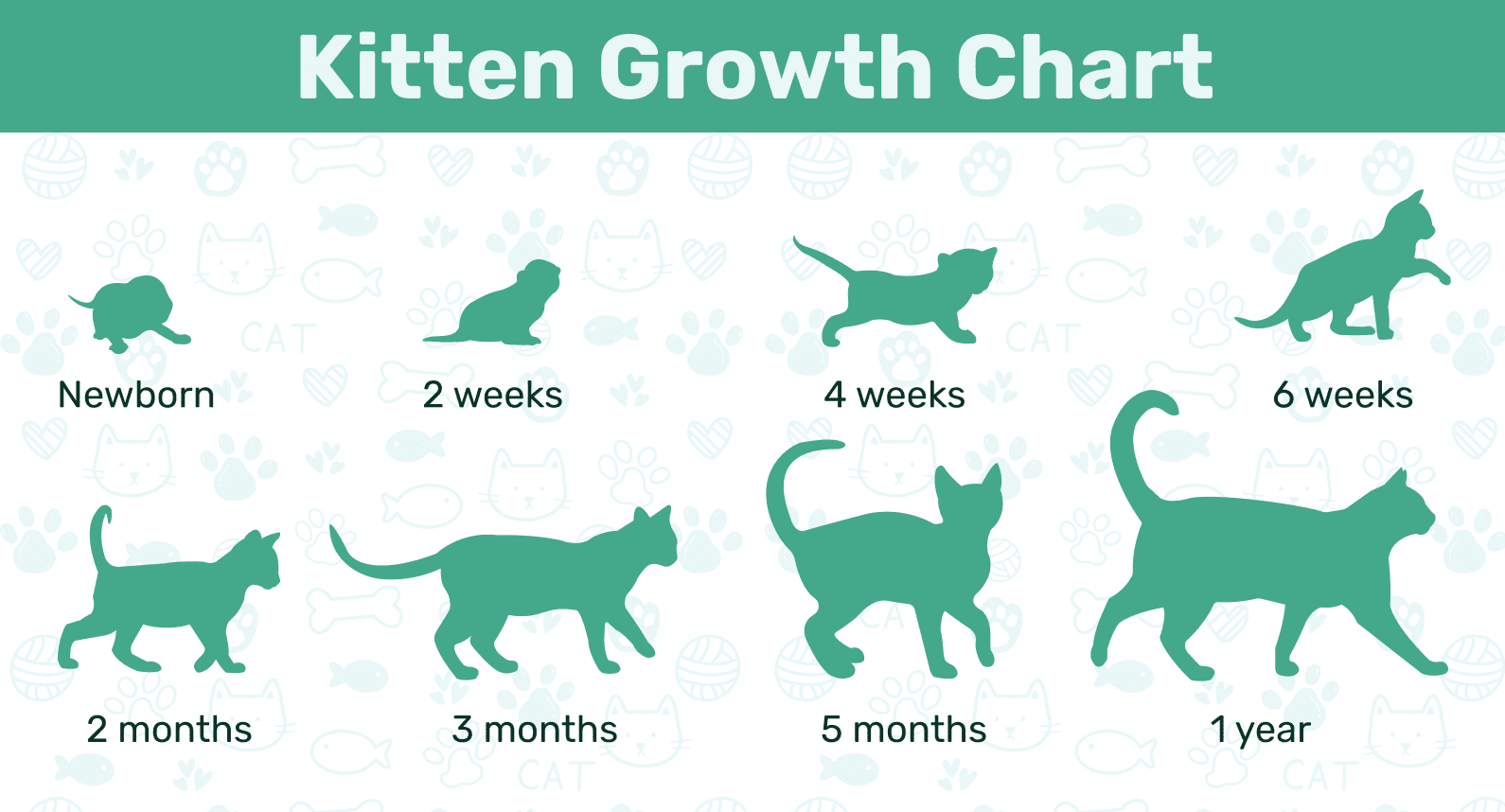
The first weeks are very important. Kittens start small and weak. They depend on their mother for food and care. Their eyes open around two weeks old. They learn to walk and play by four weeks. Their weight grows steadily but slowly at this stage.
Growth Spurts
Between two and six months, kittens grow very fast. Their bones and muscles get stronger. They become more active and curious. This is the time they gain most of their body weight. Feeding a balanced diet helps support this rapid growth.
Reaching Maturity
By six months, many kittens are about half their adult size. Their body shape starts to look more like an adult cat. Some breeds grow faster or slower, so size varies. Full maturity usually happens around one year. Growth slows down after six months but still continues.
Breed Differences In Size
Cat size varies by breed, especially at six months old. Each breed grows at a different rate and reaches different sizes. Knowing the breed helps predict your cat’s size and weight. This knowledge assists with care and feeding plans. Let’s explore how breed size affects a 6-month-old cat’s growth.
Small Breeds
Small breeds stay compact even as adults. Examples include the Singapura and Munchkin cats. These cats weigh around 5 to 7 pounds at six months. They have a delicate bone structure and short legs. Small breeds need less food but regular checkups to ensure healthy growth.
Medium Breeds
Medium breeds grow steadily and reach moderate sizes. Breeds like the American Shorthair and Burmese fall into this group. At six months, they often weigh between 7 and 10 pounds. Their bodies are sturdy but not bulky. Medium breeds have balanced energy and nutritional needs.
Large Breeds
Large breeds grow faster and become quite big. Maine Coons and Ragdolls are common examples. A 6-month-old large breed cat can weigh 10 to 15 pounds. These cats have strong bones and thick fur. Large breeds need more food and space to stay healthy and happy.
Nutrition And Its Impact On Size
Nutrition plays a major role in the growth and size of a 6-month-old cat. Proper food helps build strong muscles and healthy bones. Poor nutrition can slow growth or cause health problems. Understanding what your cat needs can help it reach a healthy size.
Essential Nutrients
A 6-month-old cat needs proteins, fats, vitamins, and minerals. Protein helps build muscles and repair tissues. Fats provide energy and keep the skin healthy. Vitamins and minerals support the immune system and bone growth. A balanced diet with these nutrients supports steady and strong growth.
Feeding Schedules
At 6 months, cats should eat 2 to 3 times daily. Regular meals keep energy levels steady. Avoid free feeding to prevent overeating. Portion control is important to maintain a healthy weight. Feeding at set times helps your cat develop good habits and grow well.
Common Dietary Mistakes
Many cats get too many treats or table scraps. This adds empty calories and can cause weight gain. Giving adult cat food too early lacks the nutrients growing cats need. Skipping meals or feeding irregularly can slow growth. Avoid these mistakes to help your cat grow strong and healthy.
Health Indicators Related To Size
Size is more than just a number for a 6 month old cat. It shows how well your kitten grows and stays healthy. Watching your cat’s size helps spot problems early. Healthy growth means your cat gets good food, enough rest, and stays active. Every kitten grows at its own speed, but some signs show if growth is on the right track.
Signs Of Healthy Growth
A 6 month old cat should have a smooth coat and clear eyes. The body feels firm, not too thin or too heavy. The kitten moves easily and plays without tiredness. Teeth should come in strong, and the cat should eat well. Weight gain is steady, not sudden or slow. A healthy cat also has good energy and a happy mood. These signs show your kitten is growing well.
When To Consult A Vet
Watch for sudden weight loss or no weight gain at all. If the coat looks dull or the eyes have discharge, check with a vet. Slow growth or poor appetite can mean health issues. If your cat feels weak or stops playing, visit the vet. Any unusual lumps or breathing problems need quick attention. Early vet visits help fix problems before they get worse. Keep your kitten’s health on track with regular check-ups.
Measuring Your Kitten Accurately
Measuring your 6-month-old kitten helps you understand its health and growth. Regular checks show if your kitten is growing well. Accurate measurement needs care and the right tools. Use a soft scale and a tape measure for best results. Create a calm space so your kitten feels safe. Take your time and be gentle during the process.
Weight Measurement Tips
Weigh your kitten on a soft scale made for pets. Place a small towel on the scale for comfort. Hold your kitten gently but firmly to keep it still. Record the weight in grams or ounces for accuracy. Weigh your kitten at the same time each day. Avoid feeding your kitten just before weighing. This prevents extra weight from food or water.
Tracking Growth Progress
Write down your kitten’s weight every week. Use a notebook or a digital app to track changes. Compare the numbers to average weight charts for 6-month-old kittens. Look for steady growth, not sudden jumps or drops. Share your data with the vet during visits. This helps spot any health problems early. Consistent tracking supports your kitten’s healthy development.
Tips To Support Healthy Growth
Helping your 6-month-old cat grow healthy is very important. Good care supports strong bones, muscles, and a shiny coat. Healthy growth means your cat will stay active and happy.
Small daily actions can make a big difference. Focus on exercise, diet, and health checks. These tips support your kitten’s growth and overall well-being.
Exercise And Play
Young cats need plenty of play to build muscles. Playtime helps your kitten stay fit and burn energy. Use toys like balls or feather wands. Short, frequent sessions work best for young cats.
Encourage climbing and jumping to strengthen bones. Safe indoor play keeps your kitten busy and happy. Exercise also improves mood and reduces stress.
Proper Diet Planning
Feed your kitten food made for their age. Kitten food has more protein and nutrients than adult cat food. It supports rapid growth and brain development.
Offer meals several times a day in small portions. Fresh water must always be available. Avoid giving human food or treats high in fat and sugar.
Regular Vet Check-ups
Schedule vet visits every few months during kittenhood. Vets check for growth progress and overall health. Vaccinations and parasite control keep your cat safe.
Vet advice helps catch problems early. They can guide you on diet and care. Keep records of visits to track your cat’s growth.
:strip_icc()/your-kittens-first-year-552271_Final-e950d40175a344128f349604e9b0360e.png)
Credit: www.thesprucepets.com
Credit: www.golfsouthayrshire.com
Frequently Asked Questions
How Much Does A 6 Month Old Cat Usually Weigh?
A 6 month old cat typically weighs between 5 to 7 pounds, depending on breed and diet.
Is My 6 Month Old Cat Growing At A Normal Rate?
Most cats grow steadily until one year; regular vet checks confirm healthy growth.
What Size Should A 6 Month Old Cat Be?
At 6 months, cats are about half their adult size, with a lean body shape.
How Can I Tell If My Kitten Is Underweight?
Look for visible ribs, low energy, and slow growth; consult a vet for advice.
Does Breed Affect A 6 Month Old Cat’s Size?
Yes, larger breeds grow bigger and faster, while smaller breeds stay petite longer.
When Will My 6 Month Old Cat Stop Growing?
Cats usually finish growing between 9 to 12 months, but some may take longer.
Conclusion
A 6-month-old cat’s size varies by breed and diet. Most kittens weigh between 5 and 7 pounds now. Growth happens quickly but slows after six months. Healthy food and regular vet visits support good growth. Watch your cat’s behavior and energy for health clues.
Remember, each cat grows at its own pace. Patience and care help your kitten thrive. Keep learning about your cat’s needs every day. Growth is just one part of your cat’s journey.
As an Amazon Associate, I earn from qualifying purchases.