Have you ever thought about turning your love for dogs into a meaningful career? Becoming a service dog trainer gives you the chance to change lives—both for dogs and the people who need them most.
But how exactly do you start? What skills do you need? And what steps should you take to become a trusted expert in this field? Keep reading, because this guide will walk you through everything you need to know to make your dream a reality.
Your path to helping others and working with amazing dogs begins right here.
Service Dog Trainer Role
The role of a service dog trainer is both important and rewarding. Trainers help dogs learn skills to assist people with disabilities. This job requires patience, dedication, and strong communication with both dogs and their future owners.
Service dog trainers work closely with dogs from a young age. They teach obedience and specific tasks that help people with daily challenges. Trainers also assess dogs’ progress and adjust training methods as needed.
Key Responsibilities
Trainers teach dogs basic commands like sit, stay, and come. They also train dogs for special tasks such as guiding, alerting, or retrieving. Trainers monitor the dog’s behavior and health regularly. They work with clients to understand their needs. Trainers prepare dogs for public settings and real-life situations.
Skills Required
Patience is essential when working with dogs. Trainers need good communication skills to explain tasks clearly. Problem-solving helps trainers adjust methods for each dog. Physical fitness is important for long training sessions. Trainers must understand dog behavior and body language well.
Daily Challenges
Training a service dog takes time and effort. Some dogs may learn slower or face distractions. Trainers handle setbacks calmly and keep dogs motivated. Working with different dog breeds can require varied techniques. Trainers often balance multiple dogs and schedules each day.
Types Of Service Dogs
Service dogs help people with many different needs. Each type has special skills. Trainers teach dogs to support people in daily life. Understanding the types of service dogs is important for trainers. This knowledge helps trainers focus on the right skills and tasks.
Guide Dogs
Guide dogs help people with vision loss. They lead their owners safely around obstacles. These dogs learn to stop at curbs and stairs. They help owners cross streets carefully. Guide dogs give independence and confidence to their handlers.
Hearing Dogs
Hearing dogs alert people with hearing loss. They respond to sounds like doorbells or alarms. These dogs touch their owner to get attention. They guide owners to the source of the sound. Hearing dogs improve safety and awareness every day.
Medical Alert Dogs
Medical alert dogs watch for health changes. They can sense seizures or low blood sugar. These dogs warn owners before problems get worse. They learn to find help in emergencies. Medical alert dogs provide life-saving support.
Psychiatric Service Dogs
Psychiatric service dogs help with mental health issues. They assist people with anxiety or PTSD. These dogs calm their owners during stress. They remind owners to take medicine or stay safe. Psychiatric dogs offer comfort and stability.
Training Basics
Training basics form the foundation of becoming a successful service dog trainer. Understanding key steps helps shape a dog’s behavior and skills. Each step builds on the last to create a well-prepared service dog.
Focus on selecting the right puppy, teaching social skills, obedience, and specialized tasks. These elements create a strong, reliable working dog.
Puppy Selection
Choose puppies with good health and calm temperaments. Look for breeds known for intelligence and trainability. Early traits predict future success as service dogs.
Pick puppies that show curiosity but stay focused. Avoid overly shy or aggressive pups. A balanced personality suits service work best.
Socialization Techniques
Expose puppies to various people, places, and sounds. This reduces fear and builds confidence. Socialized dogs adapt better to new environments.
Use positive experiences to teach calm behavior around others. Regular socialization helps dogs stay relaxed in busy settings.
Obedience Training
Teach basic commands like sit, stay, come, and heel. Clear, consistent commands build trust and control. Practice daily to reinforce good habits.
Reward good behavior with treats and praise. Avoid punishment to keep training positive and effective.
Specialized Skills
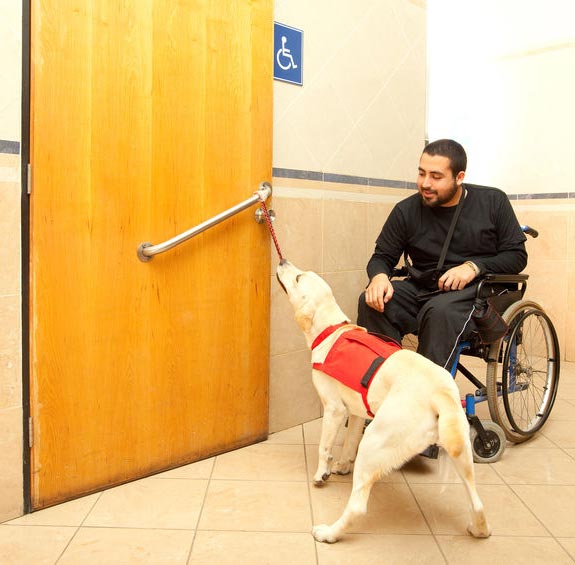
Train dogs in tasks specific to their future roles. Examples include guiding, alerting, or retrieving items. Tailor training to individual needs.
Break tasks into small steps and practice often. Patience and repetition help dogs learn complex skills.
Credit: www.dogtrainercollege.us
Certification And Education
Certification and education form the foundation of becoming a skilled service dog trainer. They provide the knowledge and skills necessary to train dogs that assist people with disabilities. Proper education ensures trainers understand dog behavior, training techniques, and legal requirements. Certification proves the trainer’s abilities and builds trust with clients and employers.
Courses And Programs
Many courses teach service dog training basics. These programs cover obedience, task training, and dog care. Some focus on specific disabilities like mobility or hearing impairments. Courses can be online or in-person. Hands-on practice is important to gain real experience. Choose programs that offer clear instruction and practical lessons.
Accreditation Bodies
Accreditation bodies set the standards for service dog trainers. They review and approve training programs and certifications. Being certified by a recognized body adds credibility. Some well-known organizations include Assistance Dogs International and the International Association of Assistance Dog Partners. Check if the certification is widely accepted in your region.
Continuing Education
Learning does not stop after certification. Service dog trainers must update their skills regularly. New training methods and research emerge frequently. Continuing education includes workshops, seminars, and advanced courses. Staying informed helps trainers provide the best care and training. It also keeps their certification valid in many cases.
Building Experience
Building experience is the key step to become a skilled service dog trainer. Practical knowledge helps you understand dogs’ behavior and training needs. It also teaches patience and communication skills. Gaining real-world experience prepares you for challenges in training service dogs. There are several ways to build this experience effectively.
Volunteering Opportunities
Volunteering with animal shelters or service dog organizations offers valuable experience. You can observe trainers and learn their methods. Helping with basic dog care also builds your confidence. Many organizations welcome volunteers eager to learn. This is a great way to start without formal training.
Apprenticeships
Apprenticeships give direct training experience under a professional. You assist in daily tasks and watch training sessions closely. This hands-on learning is ideal for understanding complex training steps. Apprenticeships often last several months to a year. They provide a strong foundation before working independently.
Hands-on Practice
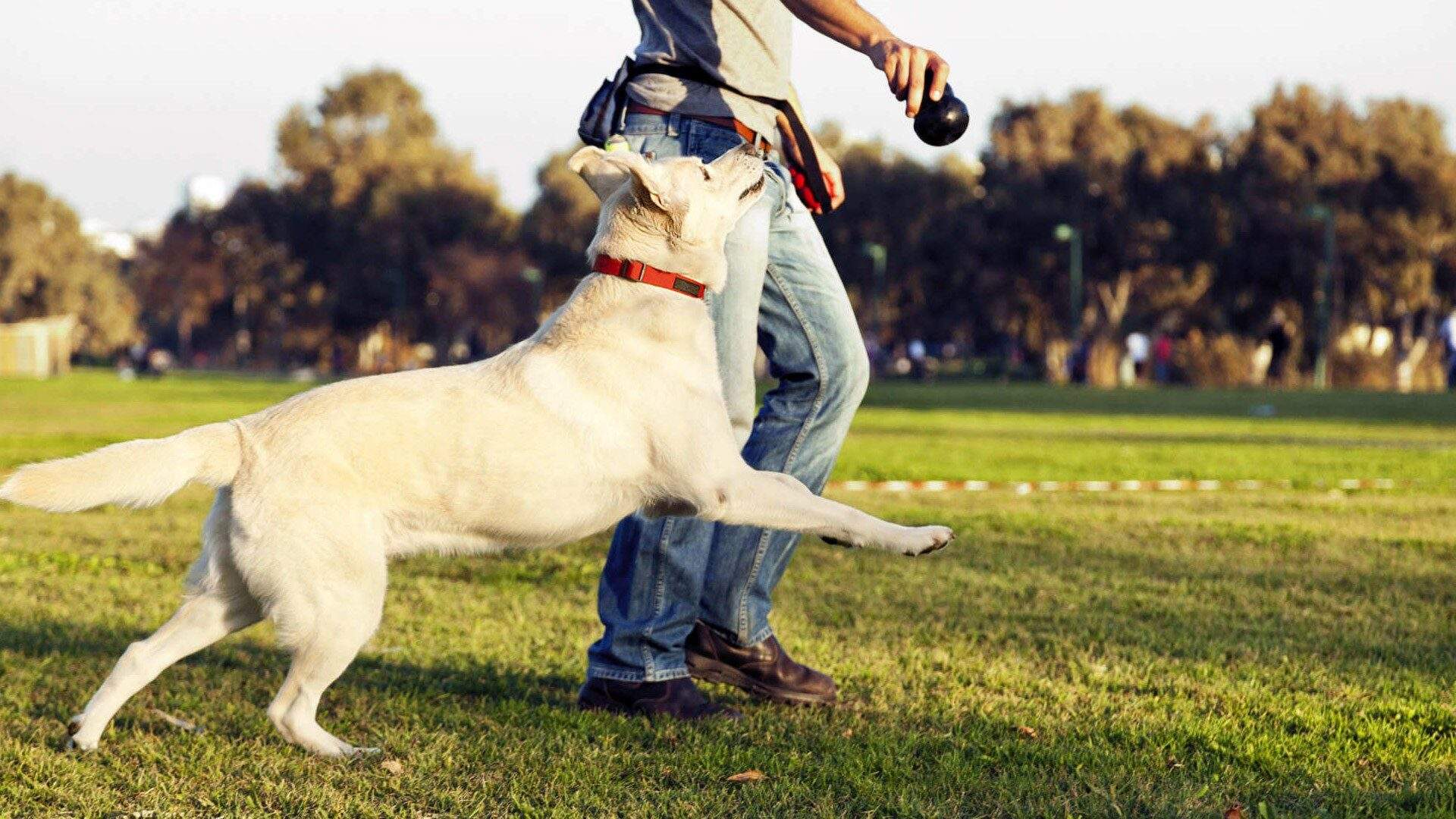
Practice training dogs on your own or with friends’ dogs. Start with simple commands and gradually increase difficulty. Consistent practice improves your skills and builds patience. Record your progress and adjust methods as needed. Hands-on work helps connect theory with real-life training challenges.
Credit: www.ameridisability.com
Legal And Ethical Aspects
Becoming a service dog trainer requires more than skill and knowledge. It demands respect for legal rules and strong ethics. Trainers must know the laws that protect service dogs and their handlers. They also must follow fair and kind training methods. Protecting client privacy is a key part of the job. Understanding these aspects helps build trust and professionalism.
Service Dog Laws
Service dog trainers must know the laws about service animals. The Americans with Disabilities Act (ADA) is very important. It allows service dogs to go with their handlers in public places. Trainers should learn what tasks a service dog can perform. They also must know places where service dogs are allowed or not allowed. Following these laws keeps handlers safe and respected.
Ethical Training Practices
Trainers should use kind and patient methods. Training must avoid punishment or harm. Positive reinforcement helps dogs learn faster and happily. Ethical trainers respect the dog’s well-being and needs. Each dog is different and needs a unique approach. Using fair training builds strong bonds between dogs and handlers.
Client Confidentiality
Service dog trainers handle private information about clients. This can include medical details and personal stories. Trainers must keep this information safe and private. Sharing details without permission breaks trust and can cause harm. Respecting confidentiality shows professionalism and care for clients.
Starting Your Career
Starting your career as a service dog trainer requires careful planning and clear steps. You need to understand your goals and how to reach clients who need your help. Building a strong foundation early will make your business grow steadily.
Focus on practical steps. Organize your ideas and connect with others in the field. This will help you build trust and find success faster.
Creating A Business Plan
A business plan guides your work and decisions. Write down your goals, services, and target clients. Include costs, pricing, and how you will manage your finances. A clear plan helps you stay focused and track progress.
Think about the types of service dogs you want to train. Plan the training methods and tools needed. Set a schedule for your work and growth. This plan becomes your roadmap for the future.
Marketing Your Services
Marketing helps people find your training services. Use simple messages that explain what you offer. Create a website that shows your skills and success stories. Share photos and videos of your dogs at work.
Use local ads and social media to reach your area. Offer free talks or demonstrations to show your expertise. Good marketing builds trust and brings clients to you.
Networking Strategies
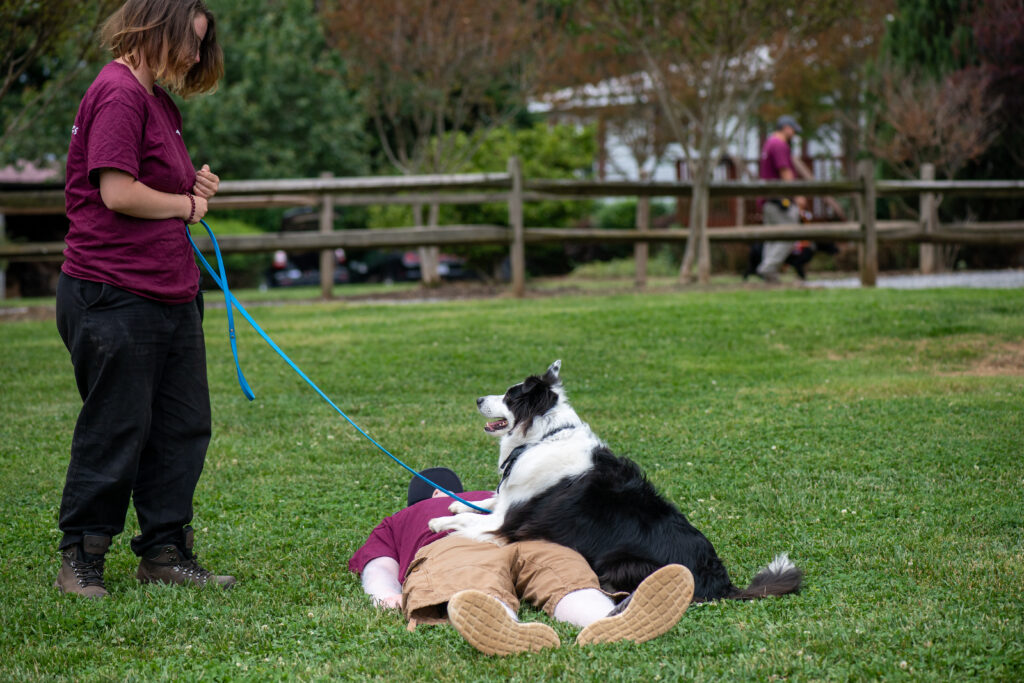
Networking connects you with clients and other trainers. Join groups and attend events about service dogs. Meet doctors, therapists, and organizations that support people with disabilities.
Build relationships by sharing knowledge and helping others. These connections can lead to referrals and partnerships. Strong networks open doors to new opportunities and growth.
Credit: internationaldogtrainerschool.com
Challenges And Rewards
Becoming a service dog trainer brings both challenges and rewards. The path demands patience and hard work. Trainers face obstacles that test their skills and commitment. Yet, the joy of seeing a dog help a person is priceless. This balance makes the journey meaningful and fulfilling.
Common Obstacles
Training a service dog is not easy. Each dog learns at its own pace. Some dogs may struggle with focus or obedience. Trainers must handle setbacks calmly and with care. Finding the right dog and maintaining training routines require time. Stress and frustration can happen but staying consistent is key.
Success Stories
Many trainers share stories of success and hope. Dogs once shy or untrained become heroes. They help people with disabilities live more independent lives. These stories inspire others to keep trying. Witnessing a dog perform tasks and change a life is powerful. It shows the impact of hard work and love.
Personal Fulfillment
Training service dogs offers deep personal rewards. Helping a dog grow and a person gain freedom feels great. Trainers build strong bonds with their dogs. They experience pride in each small achievement. This work brings joy beyond money or fame. It creates purpose and a sense of true success.
Frequently Asked Questions
What Education Is Needed To Become A Service Dog Trainer?
A high school diploma is enough, but courses in animal behavior help a lot.
How Long Does It Take To Train As A Service Dog Trainer?
Training can take several months to a year, depending on experience and program.
What Skills Are Essential For Service Dog Trainers?
Patience, communication, and understanding dog behavior are key skills for trainers.
Can I Train My Own Dog To Be A Service Dog?
Yes, but professional training is recommended for best results and certification.
Where Can I Find Service Dog Trainer Certification Programs?
Look for accredited programs online or through national service dog organizations.
How Much Do Service Dog Trainers Typically Earn?
Trainers usually earn between $30,000 to $60,000 yearly, depending on experience.
Conclusion
Becoming a service dog trainer takes patience and care. You must learn about dog behavior and training methods. Practice regularly with different dogs to build skills. Seek certification to prove your knowledge and trustworthiness. Helping people and dogs can bring great joy.
Stay dedicated and keep improving every day. This career offers a chance to make a real difference. Start small, keep learning, and you will succeed.
As an Amazon Associate, I earn from qualifying purchases.