Is your cat losing weight despite eating well? If your furry friend has hyperthyroidism, you’re probably worried about how to help them gain weight safely.
You want to see your cat healthy and happy again, but it can be tough to know the best steps to take. This article will guide you through simple, effective ways to fatten up your cat with hyperthyroidism. By understanding the right diet, care, and treatments, you can give your cat the support they need to regain strength.
Keep reading to discover practical tips that make a real difference for your beloved pet.
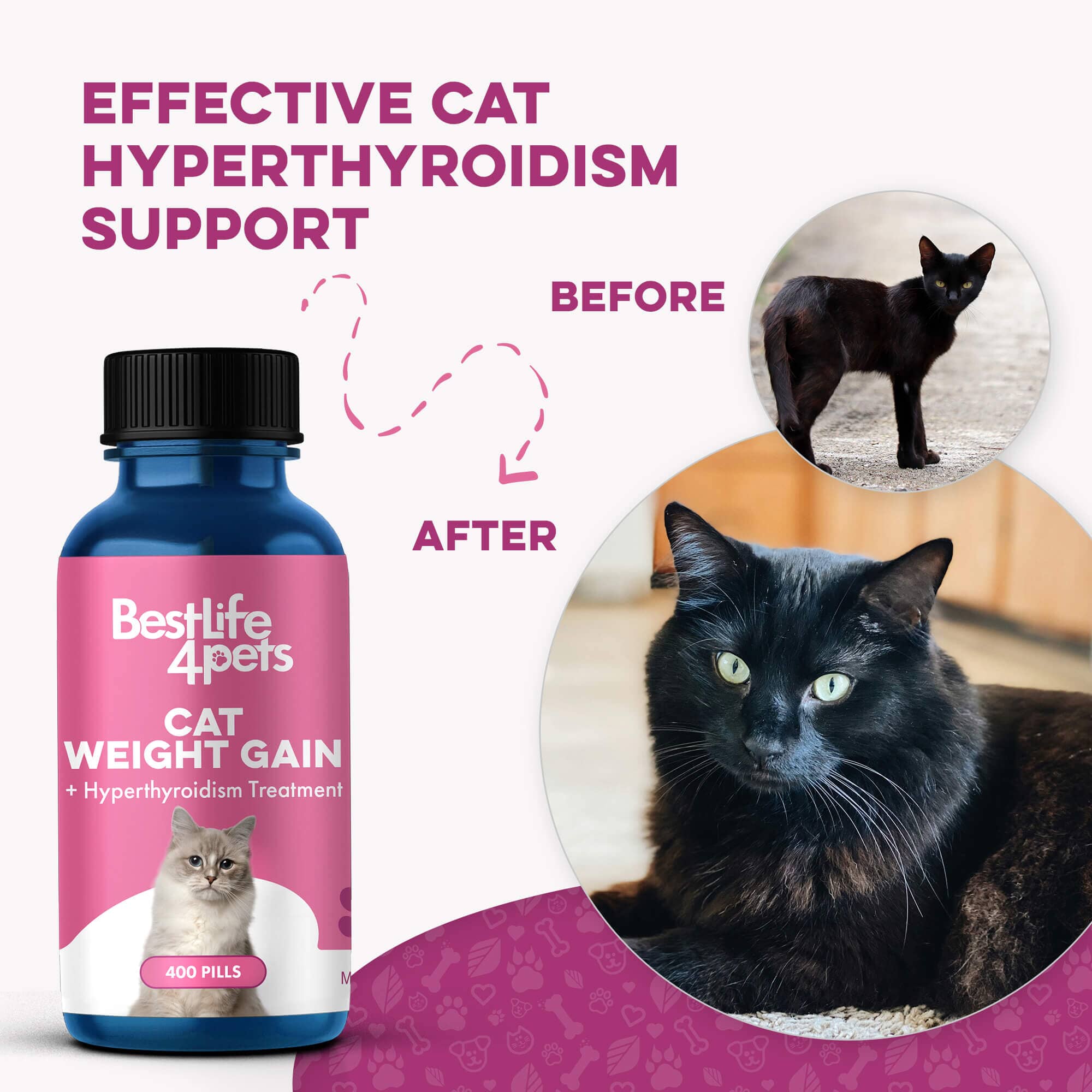
Credit: www.bestlife4pets.com
Symptoms Of Hyperthyroidism In Cats
Hyperthyroidism is a common illness in older cats. It causes their thyroid gland to make too much hormone. This speeds up their body’s functions. Recognizing symptoms early helps in managing the condition well. Knowing these signs can help you care for your cat better.
Weight Loss Despite Increased Appetite
One key sign is weight loss. Cats with hyperthyroidism often eat more than usual. Still, they lose weight quickly. Their bodies burn calories too fast. This makes it hard for them to keep weight on.
Behavioral Changes
Cats may act different. They might be restless or more active than normal. Some cats seem nervous or irritable. They may also sleep less. These changes show the effect of excess thyroid hormone.
Other Physical Signs
Other signs include vomiting and diarrhea. Cats may drink and urinate more than before. Their coat might look dull or unkempt. Fast heart rate and panting can also occur. These symptoms signal the need for a vet visit.
Credit: www.bestlife4pets.com
Dietary Adjustments For Weight Gain
Helping a cat with hyperthyroidism gain weight needs careful diet changes. Hyperthyroidism makes cats burn calories fast. This can cause weight loss and weakness. Feeding the right foods helps your cat stay strong and healthy.
Focus on foods that add calories and nutrients. Small changes in meal size and frequency can make a big difference. Choose tasty foods that your cat wants to eat. These steps support steady weight gain and better health.
High-calorie Cat Foods
Choose cat foods with extra calories and protein. High-calorie foods give energy for active cats. Look for formulas made for weight gain or recovery. Wet food often has more calories per bite. This helps cats eat less volume but get more nutrients.
Frequent Small Meals
Feed your cat several small meals daily. Small portions are easier to digest and less stressful. Frequent meals keep energy levels steady throughout the day. This method helps cats eat more without feeling full too fast. It also supports better digestion and nutrient use.
Palatable Food Options
Pick foods that smell and taste good to your cat. Cats with hyperthyroidism can lose appetite. Strong flavors and soft textures encourage eating. Try warming wet food slightly for better aroma. Mixing in tasty toppers can also make meals more appealing.
Medical Treatments To Manage Hyperthyroidism
Managing hyperthyroidism in cats is key to helping them gain weight and stay healthy. Several medical treatments can control this condition. These treatments aim to reduce excess thyroid hormone levels. This balance helps improve your cat’s appetite and weight. Understanding these options helps you choose the best care for your pet.
Medications And Their Effects
Medications are the most common treatment for hyperthyroidism. They work by lowering thyroid hormone production. These drugs help slow your cat’s metabolism to normal levels. Regular doses can improve appetite and weight gain. Some cats may experience side effects like vomiting or lethargy. Frequent vet check-ups ensure the right dose and monitor progress.
Radioactive Iodine Therapy
This therapy uses radioactive iodine to target overactive thyroid cells. It is a safe and effective treatment. The iodine destroys only the abnormal thyroid tissue. Normal tissue remains unharmed. After treatment, most cats return to a healthy weight. This method requires a hospital stay for safety reasons. It often results in a permanent cure.
Surgical Options
Surgery removes the affected thyroid gland. It can quickly stop excess hormone production. This option suits cats that cannot take medications. Surgery carries some risks like damage to nearby glands. Post-surgery, your cat may need close monitoring. Many cats gain weight and feel better soon after surgery.

Credit: www.reddit.com
Supplements And Appetite Stimulants
Helping a cat with hyperthyroidism gain weight requires careful attention to diet and health. Supplements and appetite stimulants can support your cat’s nutrition and encourage eating. These aids provide extra vitamins and boost hunger, which is often low in sick cats.
Vitamins And Nutritional Boosters
Vitamins help fill nutritional gaps in your cat’s diet. They improve energy and overall health. Common supplements include B-complex vitamins and omega-3 fatty acids. These support metabolism and reduce inflammation. Nutritional boosters like high-calorie gels or powders add extra energy. They are easy to mix with food. These supplements make meals more appealing and nourishing.
Prescription Appetite Enhancers
Vets may prescribe appetite stimulants for cats that refuse to eat. These medicines increase hunger and food intake. Mirtazapine is a common drug used to boost appetite in cats. It also helps reduce nausea and improve mood. Other stimulants may be recommended based on your cat’s condition. Always use prescription drugs under veterinary guidance. Proper use ensures safety and effectiveness for your cat.
Creating A Stress-free Environment
Creating a stress-free environment helps your cat with hyperthyroidism eat better. Stress can lower appetite and make weight gain harder. A calm space encourages your cat to relax and enjoy meals. Simple changes can reduce anxiety and improve feeding habits.
Reducing Anxiety To Improve Eating Habits
Keep noise low and avoid sudden movements near your cat. Loud sounds can scare them and stop eating. Speak softly and move slowly around your pet. Play calming music or use a white noise machine to block outside noise. Provide hiding spots where your cat feels safe. These small steps lower anxiety and help your cat eat more.
Comfortable Feeding Areas
Choose quiet, cozy spots for feeding your cat. Avoid busy rooms or places with a lot of foot traffic. Use a soft mat under food bowls to keep them steady. Place food and water bowls apart to encourage drinking and eating. Clean bowls daily to keep the area fresh. A comfortable feeding space makes your cat feel secure and more willing to eat.
Monitoring Your Cat’s Progress
Monitoring your cat’s progress is vital when managing hyperthyroidism. Careful observation helps you understand if treatments and diet changes work well. It also shows if your cat gains weight and feels better. Early detection of any issues supports quick action. This keeps your cat safe and comfortable during recovery.
Regular Vet Checkups
Schedule vet visits often to track your cat’s health. Vets check thyroid levels and overall condition. They adjust medicines and diet based on test results. Regular exams prevent complications and catch new problems early. Trust your vet’s advice for the best care plan.
Tracking Weight And Behavior Changes
Weigh your cat weekly using the same scale. Note any weight gain or loss clearly. Watch for changes in appetite, energy, and mood. Record these details in a notebook or app. Share this information with your vet at each visit. Small changes reveal how well your cat responds to treatment.
Frequently Asked Questions
What Causes Weight Loss In Cats With Hyperthyroidism?
Hyperthyroidism speeds up metabolism, causing cats to lose weight quickly despite eating well.
How Can I Help My Hyperthyroid Cat Gain Weight?
Feed high-calorie, nutritious food and consult your vet for proper treatment options.
Is Special Food Needed For Cats With Hyperthyroidism?
Yes, diets rich in protein and calories help maintain weight and muscle in these cats.
Can Medication Improve My Cat’s Weight Gain?
Proper medication controls thyroid levels, which often helps your cat regain lost weight.
How Often Should I Feed A Cat With Hyperthyroidism?
Offer small, frequent meals to encourage eating and prevent weight loss.
When Should I See A Vet About My Cat’s Weight?
Visit a vet if your cat loses weight rapidly or shows signs of illness.
Conclusion
Helping a cat with hyperthyroidism gain weight takes time and care. Focus on feeding small, frequent meals that are high in calories and nutrients. Consult your vet to adjust treatments and diet as needed. Keep your cat comfortable and stress-free.
Watch for changes in appetite and weight every day. Patience and consistent care make a big difference. Your cat can feel better and stronger with the right support. Keep trying, and don’t hesitate to ask your vet for advice.
As an Amazon Associate, I earn from qualifying purchases.