Has your cat been sneezing, coughing, or acting tired lately? You might be wondering, “How can I help my cat with a cold?” It’s tough to see your furry friend feeling under the weather, and you want to do everything possible to make them comfortable and speed up their recovery.
You’ll discover simple, effective ways to care for your cat during a cold. Keep reading to learn how small changes can make a big difference in your cat’s health and happiness.

Credit: www.wikihow.com
Recognizing Cold Symptoms In Cats
Recognizing cold symptoms in cats is important for their health. Cats cannot tell us when they feel sick. Observing their behavior helps catch signs early. Early detection allows prompt care and comfort for your pet. Knowing what to look for keeps your cat safe and healthy.
Common Signs To Watch For
Watch for sneezing often and nasal discharge. Runny nose or watery eyes are clear signs. Coughing or wheezing sounds may occur. Cats might become less active or sleep more. Loss of appetite is common when cats have a cold. Check for fever by feeling their ears or paws. Sometimes cats hide or avoid contact when sick.
When To See A Vet
Visit a vet if symptoms last more than a week. Seek help if your cat has trouble breathing. High fever or persistent vomiting needs urgent care. If your cat stops eating or drinking, act fast. Eyes or nose with thick yellow or green discharge require attention. Sudden weakness or collapse calls for immediate vet care. Trust your instincts about your cat’s condition.
Creating A Comfortable Environment
Creating a comfortable environment helps your cat heal faster. A cold can make cats feel weak and tired. A calm, warm space supports their recovery. Small changes at home can make a big difference.
Keeping Your Cat Warm
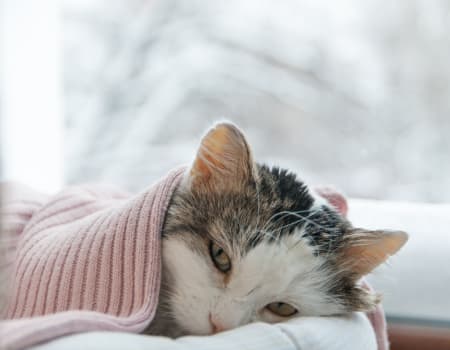
Warmth helps your cat fight off the cold. Provide a soft blanket or bed in a cozy corner. Avoid cold floors and drafts from windows or doors. Use a heating pad set on low, placed under the blanket. Always check the temperature to prevent overheating. Your cat will rest better in a warm spot.
Reducing Stress And Noise
Stress can slow down your cat’s healing process. Keep the room quiet and peaceful. Limit loud noises from TV, music, or conversations. Give your cat space away from other pets. Speak softly and move slowly around them. A calm environment helps your cat feel safe and relaxed.
Nutrition And Hydration Tips
Nutrition and hydration play a key role in helping a cat recover from a cold. Cats often eat and drink less when sick. This can slow down their healing. Supporting their nutrition and hydration keeps their body strong. It also helps fight off the infection faster.
Offering the right foods and encouraging your cat to drink can make a big difference. Small changes can improve their appetite and fluid intake. This section shares simple tips to help your cat eat and drink better during a cold.
Encouraging Eating And Drinking
Warm your cat’s food slightly to improve smell and taste. This makes it more inviting. Offer small, frequent meals instead of one big meal. Try hand-feeding if your cat is too weak to eat alone. Place fresh water in several spots to invite drinking. Use a pet water fountain to attract cats who prefer running water.
Avoid forcing your cat to eat or drink. Patience works better. Keep food and water bowls clean. A calm and quiet space encourages eating and drinking. Watch your cat and adjust the approach as needed.
Best Foods For Sick Cats
Choose soft, easy-to-digest foods to avoid upsetting your cat’s stomach. Canned or pouched wet food works best. Look for high-protein options with limited fillers. Chicken, turkey, or fish flavors often appeal to cats. Avoid dry kibble during illness, as it can be hard to chew and less hydrating.
Broth-based foods or adding a little warm water to wet food increases moisture. Plain, low-sodium chicken broth is a safe choice. Avoid onions, garlic, and seasonings harmful to cats. Providing balanced nutrition supports your cat’s immune system during recovery.
Home Care Remedies
Helping your cat feel better at home is important when they have a cold. Simple care steps can ease their discomfort. These home remedies support your cat’s healing without stress. Focus on keeping the air moist and gently cleaning your cat’s face. This comfort helps your cat breathe and feel calm.
Using A Humidifier
A humidifier adds moisture to the air your cat breathes. Dry air can make a cold worse. Moist air soothes irritated noses and throats. Place the humidifier near your cat’s resting area. Run it for short periods during the day. Avoid too much humidity to keep the area safe. This helps loosen mucus and eases breathing.
Cleaning Your Cat’s Nose And Eyes
Cold symptoms often cause discharge from the nose and eyes. Use a soft, damp cloth to wipe away mucus gently. Warm water is best for cleaning. Do not use any soap or chemicals on your cat’s face. Clean the nose and eyes two to three times a day. Keeping these areas clean prevents irritation and infection. Use a fresh cloth for each wipe to avoid spreading germs.
Medications And Treatments
When your cat has a cold, medications and treatments can help ease symptoms. Treating your cat carefully helps them recover faster. Some medicines you can buy without a vet’s prescription. Others need a vet’s approval and guidance. Using the right treatment is important for your cat’s health.
Over-the-counter Options
Some mild remedies can help your cat feel better at home. Saline nasal drops can clear your cat’s stuffy nose. They are safe and easy to use. A humidifier adds moisture to the air. Moist air helps your cat breathe easier. You can also use pet-safe vitamins to support their immune system. Always follow the instructions on the package. Never give human medicine to your cat. It can be harmful or even deadly.
When Prescription Medicine Is Needed
Some colds are more serious and need a vet’s care. Your vet may prescribe antibiotics if a bacterial infection is present. Antiviral drugs might be needed for certain infections. Your vet can also give cough suppressants or anti-inflammatory medicine. These help reduce discomfort and inflammation. Always finish the full course of any prescribed medicine. This ensures your cat heals fully and avoids resistance.

Credit: www.rocklandvet.com
Preventing Future Colds
Preventing future colds in cats is important for their health and happiness. A strong immune system helps fight off viruses. A clean environment reduces germs and allergens. Both work together to keep your cat safe and comfortable.
Boosting Your Cat’s Immunity
Good nutrition supports your cat’s immune system. Feed high-quality cat food with balanced vitamins and minerals. Fresh water is essential for health and hydration. Regular vet check-ups help catch issues early. Vaccinations protect against common feline illnesses. Stress weakens immunity, so keep your cat calm and relaxed.
Keeping Your Cat’s Environment Clean
Clean your cat’s bedding often to remove dirt and germs. Wash food and water bowls daily. Vacuum and dust your home to reduce allergens. Avoid smoke, strong perfumes, and chemicals around your cat. Keep litter boxes clean and away from resting areas. A clean space helps prevent infections and keeps your cat healthy.
Credit: www.hillcrestanimals.com
Frequently Asked Questions
How Can I Tell If My Cat Has A Cold?
Look for sneezing, coughing, runny nose, watery eyes, and less energy in your cat.
What Home Care Helps A Cat Recover From A Cold?
Keep your cat warm, offer fresh water, and feed soft, tasty food.
When Should I Take My Cat To The Vet For A Cold?
Visit the vet if symptoms last over 10 days or if breathing is hard.
Can I Give My Cat Medicine For A Cold?
Never give human medicine; only use vet-prescribed medicine for your cat.
How Can I Prevent My Cat From Catching A Cold?
Keep your cat away from sick animals and maintain a clean living space.
Does A Cold In Cats Spread To Humans Or Other Pets?
Cat colds rarely spread to humans but can spread to other cats.
Conclusion
Helping your cat with a cold needs care and patience. Keep your cat warm and comfortable. Offer fresh water and nutritious food often. Watch for any changes in their breathing or behavior. A visit to the vet can be important if symptoms worsen.
Small steps can make a big difference in recovery. Your cat will feel better with gentle care and attention. Stay calm and provide love during this time. Caring for your cat helps them heal faster and feel safe.
As an Amazon Associate, I earn from qualifying purchases.