Do you ever catch a whiff of your cat and wonder how to make them smell fresher? You love your furry friend, but sometimes their natural scent can be a bit strong or unpleasant.
The good news is, you don’t have to accept that smell as normal. You can take simple, effective steps to keep your cat smelling clean and fresh—all while keeping them happy and healthy. You’ll discover easy tips and tricks that really work.
Ready to make your cat smell better? Let’s dive in!

Credit: www.uahpet.com
Common Causes Of Cat Odor
Cats can sometimes have a noticeable smell. Understanding the common causes of cat odor helps keep your pet fresh. Many factors affect how your cat smells. Some are natural, while others need attention. Knowing these causes helps you maintain your cat’s cleanliness and health.
Natural Cat Scent
Cats have a natural smell that comes from their skin oils. This scent is normal and usually mild. It helps cats mark their territory and communicate. Some breeds have stronger natural odors than others. This scent is not unpleasant but may seem strange to humans.
Diet And Digestion
What your cat eats affects its smell. Poor diet can cause bad breath or body odor. Some foods cause gas or indigestion. This leads to an unpleasant smell from your cat. Feeding high-quality, balanced food reduces odor problems.
Health Issues
Health problems can cause strong or bad smells. Ear infections, dental disease, or skin conditions are common causes. If your cat smells very bad, visit a vet. Treating health issues helps remove the odor quickly.
Environment And Hygiene
Dirty litter boxes cause strong odors around cats. Regular cleaning reduces bad smells. Cats groom themselves but may need help. Bathing your cat occasionally can improve its scent. Keeping bedding and living areas clean also helps.
Regular Grooming Practices
Regular grooming keeps your cat clean and fresh. It helps reduce odors and improves their comfort. Grooming also prevents skin problems and hair mats. Simple daily care makes a big difference in how your cat smells.
Brushing Frequency
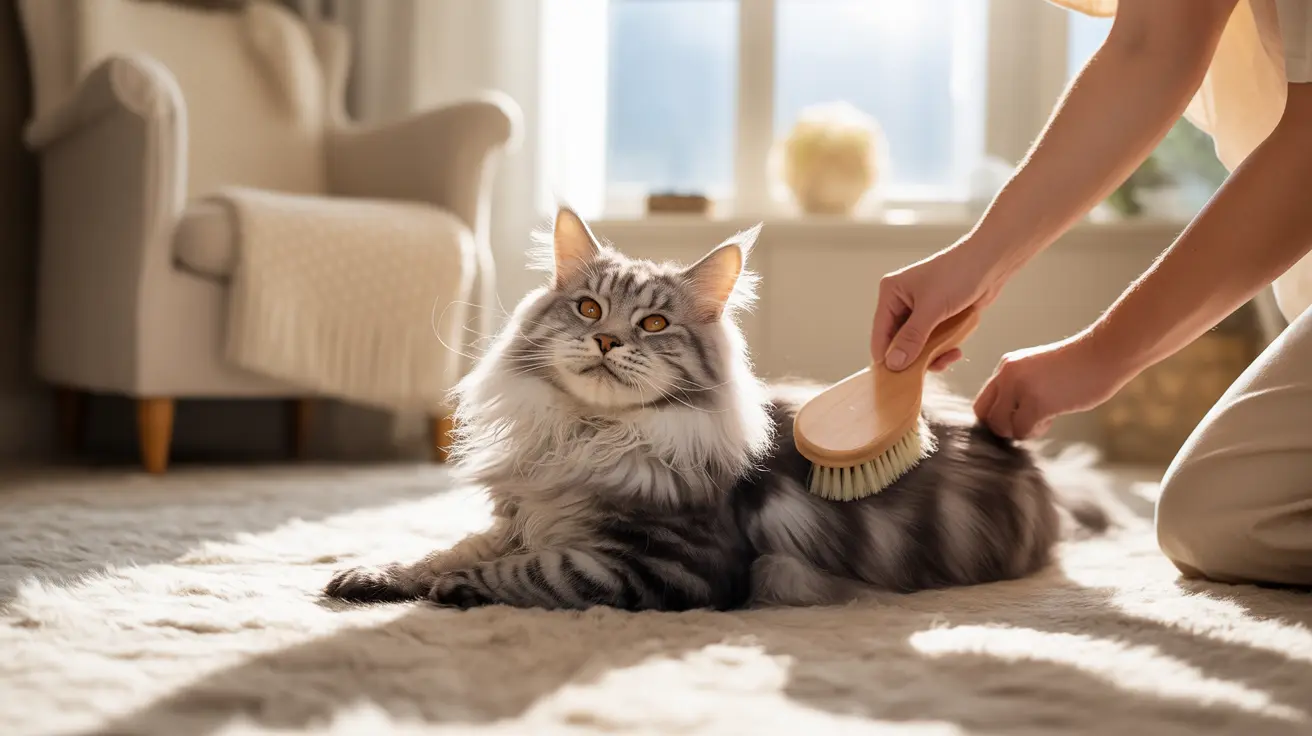
Brush your cat’s fur daily or at least three times a week. Brushing removes dirt, loose hair, and skin flakes. It spreads natural oils that keep fur soft and shiny. Use a brush made for your cat’s fur type. Short-haired cats need less brushing than long-haired cats.
Bathing Tips
Bath your cat only when necessary, about once a month or less. Use cat-specific shampoo to avoid skin irritation. Make sure water is warm, not hot. Rinse well to remove all soap. Dry your cat gently with a towel and keep them warm after the bath.
Cleaning Ears And Eyes
Check your cat’s ears and eyes often for dirt or discharge. Use a soft cloth or cotton ball dampened with warm water. Wipe gently without pushing inside the ear canal. Clean around the eyes carefully to remove tear stains. Regular cleaning prevents bad smells and infections.
Litter Box Maintenance
Keeping your cat smelling fresh starts with clean litter box habits. A dirty litter box causes bad odors that cling to your cat’s fur. Proper litter box maintenance helps stop smells at the source. It also keeps your cat happy and healthy.
Choosing The Right Litter
Pick a litter that controls odor well. Clumping litter makes cleaning easier. Unscented litter suits cats with sensitive noses. Some litters absorb urine better, reducing smell. Try different types to see what your cat prefers.
Daily Cleaning Routine
Remove waste from the litter box every day. Scoop out clumps and solid waste quickly. A clean box stops smells from building up. Change all the litter once a week. Wash the box with mild soap before refilling.
Litter Box Placement
Place the litter box in a quiet, well-ventilated area. Avoid spots near your cat’s food or water. Good airflow helps reduce bad odors. Keep the box away from busy or noisy places. Your cat will use it more often if it feels safe.

Credit: www.reddit.com
Diet And Hydration Impact
Your cat’s smell depends a lot on what it eats and drinks. Good food and water help keep your cat’s skin and fur healthy. Healthy skin and fur mean a nicer, fresher smell. Poor diet or low water intake can cause bad odor. Feeding and hydrating your cat right makes a big difference.
Quality Food Choices
Choose cat food with high protein and natural ingredients. Avoid fillers like corn and soy. These can cause skin problems and bad smells. Foods rich in omega-3 and omega-6 fatty acids help keep fur shiny. A balanced diet supports healthy oil production on the skin. Good food reduces the risk of greasy fur and odor.
Hydration Benefits
Water helps flush out toxins from your cat’s body. A well-hydrated cat has less dry skin and fewer odors. Always provide fresh, clean water. Wet cat food also helps increase water intake. Proper hydration supports healthy skin cells and fur condition. It helps prevent bad smells caused by dryness or infections.
Supplements For Skin And Coat
Supplements like fish oil can improve your cat’s coat smell. They provide essential fatty acids for skin repair. Vitamin E supports skin health and reduces irritation. Some cats benefit from supplements with biotin or zinc. These nutrients help keep fur soft and odor-free. Always check with a vet before starting supplements.
Using Pet-friendly Products
Using pet-friendly products helps keep your cat clean and smelling fresh. These products are gentle on your cat’s skin and fur. They avoid harsh chemicals that can cause irritation. Choosing the right products supports your cat’s health and comfort.
Shampoos And Conditioners
Pick shampoos made specifically for cats. These have mild ingredients that do not dry out the skin. Conditioners help keep fur soft and smooth. Use them after shampooing to make brushing easier. Always rinse thoroughly to remove all product.
Deodorizing Sprays
Deodorizing sprays can freshen your cat’s coat between baths. Choose sprays with natural ingredients safe for cats. Avoid sprays with strong perfumes or chemicals. Lightly mist your cat’s fur and let it air dry. These sprays help reduce odor without harming your pet.
Natural Remedies
Natural remedies include things like diluted apple cider vinegar or baking soda. These can help neutralize odors safely. Use a small amount mixed with water and apply gently. Always test on a small patch first to avoid irritation. Natural options are cost-effective and safe for regular use.
Managing Health Concerns
Managing health concerns plays a big role in keeping your cat smelling fresh. Bad odors often come from health problems. Paying attention to your cat’s health can help stop bad smells early. Healthy skin, clean teeth, and regular vet visits keep your cat feeling and smelling good.
Identifying Skin Infections
Skin infections cause bad smells and discomfort. Watch for red, itchy, or flaky skin. Patches of hair loss can also signal infection. If your cat scratches a lot, check the skin closely. Treating infections quickly stops odors and helps healing.
Dental Care Importance
Bad breath often comes from poor dental health. Food stuck in teeth causes bacteria and smell. Brush your cat’s teeth gently with special toothpaste. Dental treats and toys also help clean teeth. Healthy gums and teeth reduce bad smells from the mouth.
Regular Vet Check-ups
Regular vet visits catch health problems early. Vets can spot infections, dental issues, or other causes of bad smell. Follow the vet’s advice for treatments and care. Routine check-ups keep your cat healthy and smelling good for a long time.
Creating A Fresh Home Environment
Creating a fresh home environment is key to making your cat smell better. A clean space helps reduce odors and keeps your cat comfortable. Small changes around the house can make a big difference in freshness.
Focus on areas your cat uses often. Clean bedding, safe air fresheners, and good air flow all help. These steps improve the air quality and remove unwanted smells.
Cleaning Pet Bedding
Wash your cat’s bedding weekly. Use mild, pet-safe detergent. Hot water kills bacteria and removes odors well. Dry the bedding completely before use. Clean bedding stops bad smells from building up.
Air Fresheners Safe For Cats
Choose air fresheners designed for pets. Avoid sprays with strong chemicals. Natural options like baking soda or activated charcoal work well. Place them near litter boxes or sleeping spots. These keep the air smelling fresh without harming your cat.
Controlling Humidity And Ventilation
Keep your home dry to prevent odors. Use a dehumidifier if needed. Open windows to let fresh air in. Good ventilation reduces moisture and stale smells. This creates a healthier space for you and your cat.
Credit: www.petscare.com
Frequently Asked Questions
How Often Should I Bathe My Cat To Reduce Odor?
Bathing your cat once a month helps control odor without drying their skin.
What Grooming Tools Help Keep My Cat Smelling Fresh?
A soft brush removes dirt and loose fur, reducing bad smells.
Can Diet Affect My Cat’s Natural Smell?
Yes, good quality food improves coat health and reduces unpleasant odors.
How Can I Clean My Cat’s Bedding To Remove Smells?
Wash bedding weekly in hot water with mild detergent for freshness.
Is It Safe To Use Pet-friendly Sprays On My Cat?
Yes, use sprays made for cats to avoid irritation and keep scent pleasant.
What Home Remedies Help Keep My Cat Smelling Better?
Wiping with a damp cloth and regular brushing help keep your cat clean.
Conclusion
Keeping your cat smelling fresh takes simple steps daily. Regular brushing helps remove dirt and loose fur. Bathing your cat gently with pet-safe shampoo also works well. Clean their bedding and litter box often to cut bad smells. Healthy food and plenty of water improve their natural scent.
Small changes make a big difference in your cat’s smell. Enjoy a cleaner, happier pet at home. Your cat will thank you with purrs and cuddles.
As an Amazon Associate, I earn from qualifying purchases.