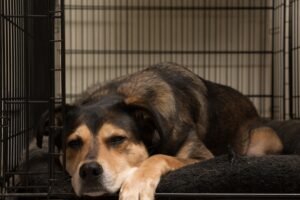
Has your dog been limping or acting like something is wrong? You might be wondering, “How can I tell if my dog broke his leg?” It can be scary to see your furry friend in pain, and knowing the signs early can make all the difference.
You’ll learn simple ways to spot a broken leg and what steps to take right away. Keep reading to protect your dog and get them the help they need fast.
Credit: boneocanine.com
Signs Of A Broken Leg
Knowing the signs of a broken leg in dogs helps you act fast. Early detection can reduce pain and prevent more damage. Watch closely for changes in your dog’s leg and behavior. These signs often point to a serious injury that needs vet care.
Visible Deformities
Check your dog’s leg for unusual shapes or angles. Bones may stick out or look crooked. A clear deformity often means a break or fracture. This sign is easy to spot and needs urgent attention.
Swelling And Bruising
Swelling around the leg is common after a break. The area may feel warm and look puffy. Bruises can appear as dark spots on the skin. These signs show internal damage and inflammation.
Limping Or Inability To Walk
Your dog may limp or refuse to put weight on the leg. Sometimes, the dog cannot walk at all. Watch for favoring one leg or holding it up. Limping signals pain or instability in the leg.
Whining Or Signs Of Pain
Pain makes dogs whine, cry, or whimper. Your dog may yelp when touching the injured leg. Restlessness or reluctance to move also shows discomfort. Pain is a key sign that something is wrong.
Unusual Behavior Changes
Injured dogs often act differently. They may hide, become less active, or avoid people. Loss of appetite or irritability also occurs. These changes hint at distress and possible injury.

Credit: www.youtube.com
Immediate Actions To Take
Knowing the right steps to take immediately after your dog breaks a leg can make a big difference. Quick and calm actions help reduce pain and prevent further injury. Stay focused and follow these simple steps to support your dog until professional care is available.
Keeping Your Dog Calm
Stress and movement increase pain and injury risk. Speak softly and pet your dog gently. Avoid loud noises or sudden actions. Create a quiet space to help your dog relax. Calmness helps prevent shock and keeps your dog safer.
Limiting Movement
Movement can worsen the break. Use a leash or hold your dog still. Do not let your dog walk, run, or jump. Keep your dog in one place until help arrives. This reduces pain and prevents the injury from getting worse.
Handling The Injured Leg
Touch the broken leg very gently. Avoid pulling or pressing on the injured area. Support the leg carefully if you must move your dog. Hold it in the natural position without bending. Proper handling prevents more damage and pain.
Using A Temporary Splint
A splint can help keep the leg still. Use soft materials like cloth or padding. Place the splint around the leg without squeezing it. Secure the splint with tape or strips gently. This protects the leg until a vet can treat it.
When To Seek Emergency Vet Care
Call a vet immediately if your dog shows severe pain. Swelling, bleeding, or inability to use the leg needs urgent care. A broken bone requires professional treatment fast. Early vet care improves healing and comfort for your dog.
Veterinary Diagnosis And Treatment
Veterinary diagnosis and treatment play a key role in healing a dog’s broken leg. A vet carefully checks the injury to decide the best care. Quick and correct diagnosis helps the dog heal faster and avoid problems.
Physical Examination
The vet starts with a close physical check of the dog’s leg. They look for swelling, cuts, or strange positions. The vet gently feels the leg to find pain or loose bones. This exam shows how bad the injury is.
X-rays And Imaging
X-rays give a clear picture of the broken bone. They show the break’s location and type. Sometimes, vets use other imaging tools for more detail. These images guide the vet on how to fix the leg.
Pain Management
Dogs feel pain from broken bones. Vets use medicine to keep dogs comfortable. Pain control helps dogs stay calm and recover well. The vet may give pills, shots, or creams.
Surgery Options
Some breaks need surgery to heal right. The vet may use pins, plates, or screws. Surgery puts the bone back in place. It helps the leg become strong again.
Recovery And Rehabilitation
Healing takes time and care after treatment. The vet guides you on rest and activity limits. Physical therapy might help the dog regain strength. Follow-up visits check the leg’s healing progress.
Preventing Future Injuries
Preventing future injuries is key to keeping your dog healthy and happy. Learning how to protect your dog helps avoid pain and costly vet visits. Simple steps at home and during exercise make a big difference. Regular vet visits also catch problems early. Here are some ways to reduce the risk of leg injuries.
Safe Exercise Practices
Choose gentle activities that suit your dog’s age and size. Avoid rough play or jumping from high places. Use a leash during walks to prevent sudden runs or falls. Stop exercise if your dog shows signs of pain or limping. Warm up with slow walks before fast running or playing. These habits help protect your dog’s legs and joints.
Home Safety Tips
Remove sharp objects and clutter from floors. Use non-slip mats on slippery surfaces like tile or wood. Block access to stairs if your dog struggles with balance. Provide soft bedding to reduce stress on joints. Keep your dog away from rough or uneven ground. Making your home safe lowers the chance of accidents.
Regular Vet Check-ups
Schedule vet visits at least twice a year. Early checks detect small injuries before they worsen. Ask the vet to examine your dog’s legs and joints. Vaccines and parasite control keep your dog strong and healthy. Follow the vet’s advice on diet and exercise. Regular care helps prevent serious leg problems.
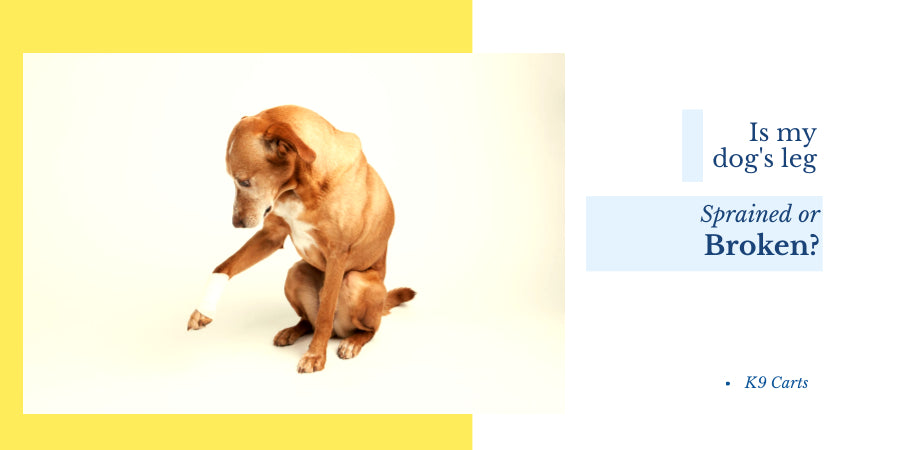
Credit: k9carts.com
Frequently Asked Questions
What Are The Common Signs Of A Broken Leg In Dogs?
Swelling, limping, pain, and inability to put weight on the leg are common signs of a broken leg.
How Can I Check My Dog’s Leg For Fractures Safely?
Gently look for swelling, bruising, or deformity without moving the leg too much.
Can A Dog With A Broken Leg Walk Or Stand?
Some dogs may limp or try to walk but will avoid putting weight on the leg.
When Should I Take My Dog To The Vet For A Broken Leg?
Seek immediate vet care if your dog shows severe pain, swelling, or cannot use the leg.
What Treatments Do Vets Use For A Dog’s Broken Leg?
Vets may use splints, casts, or surgery depending on the fracture’s type and severity.
How Long Does It Take For A Dog’s Broken Leg To Heal?
Healing usually takes 6 to 8 weeks, depending on the injury and care provided.
Conclusion
A broken leg can cause serious pain and trouble for your dog. Watch for signs like limping, swelling, or not using the leg. Acting quickly helps your pet heal faster. Take your dog to the vet for a proper check and treatment.
Early care prevents more problems and helps your dog feel better. Stay calm and patient during recovery. Your love and attention make a big difference. Keep learning about your dog’s health to keep him safe.
As an Amazon Associate, I earn from qualifying purchases.