Is your dog acting a little off lately? Maybe they’re pawing at their mouth or refusing their favorite treats.
These could be signs your furry friend is dealing with a toothache. But how can you be sure? Your dog can’t tell you when their teeth hurt, so it’s up to you to spot the clues. Keep reading to discover simple ways to tell if your dog has a toothache—and what you can do to help them feel better fast.

Credit: www.wellpets.com
Common Signs Of Canine Toothache
Dogs cannot tell us when they feel pain. Toothaches in dogs can cause discomfort and affect daily life. Watching for signs helps catch problems early. Recognizing common signs of canine toothache is important for their health and happiness.
Changes In Eating Habits
A dog with a toothache may eat less or drop food. They might avoid hard treats or chew on one side only. Watch for slower eating or refusing favorite foods. These changes can signal mouth pain or discomfort.
Excessive Drooling
Extra drooling often means something is wrong inside the mouth. Tooth pain can cause a dog to produce more saliva. Notice wet fur around the mouth or dripping saliva. Excessive drooling is a clear sign to check their teeth.
Pawing At The Mouth
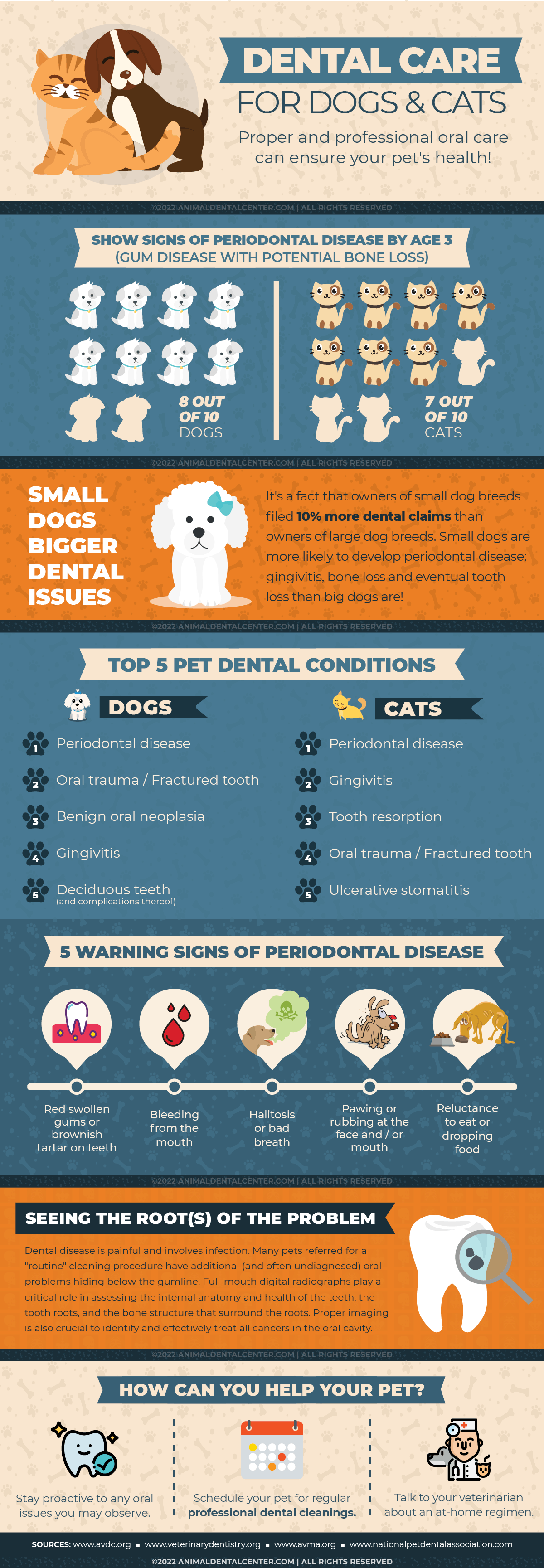
Dogs may paw or rub their face if their tooth hurts. This behavior shows they feel irritation or pain. Frequent scratching near the jaw or cheeks is a red flag. Pawing at the mouth means it is time for a dental check.
Behavioral Changes To Watch For
Dogs cannot tell us when their teeth hurt. Watch their behavior closely. Changes in how your dog acts can signal tooth pain. These signs help you notice problems early. Catching toothache early prevents worse issues.
Irritability And Aggression
A dog with a toothache may become grumpy. Small touches near the mouth might cause growling or snapping. Your dog may snap at you during feeding or petting. This change happens because of pain and discomfort. Do not punish; pain drives this behavior.
Withdrawal And Lethargy
Your dog may hide or avoid contact. Tooth pain can make your dog less active. Playing and running may decrease. Eating less or slower is common. These behaviors show your dog is not feeling well. Watch for signs of sadness and tiredness.
Physical Symptoms Indicating Pain
Dogs cannot tell us when their teeth hurt. We must watch closely for signs of pain. Physical symptoms often show the problem clearly. Spotting these signs early can protect your dog’s health. Pay attention to changes in your dog’s mouth and behavior. These clues help identify toothache and guide you to seek care.
Swelling And Redness
Swelling around the mouth or jaw is a strong sign of pain. The gums may look red and inflamed. This swelling can make your dog uncomfortable. Touch gently near the swollen area to check for tenderness. Swelling might also cause your dog to paw at their face. Notice if your dog avoids eating or chewing hard food.
Bad Breath And Discoloration
Bad breath often points to dental problems and pain. A foul odor comes from bacteria buildup in the mouth. Look for yellow or brown stains on the teeth. These spots can indicate plaque or tartar. Discolored gums or teeth may signal infection or decay. These signs suggest your dog needs a dental checkup soon.
Credit: www.animaldentalcenter.com
Common Causes Of Toothaches In Dogs
Toothaches in dogs cause pain and discomfort. Understanding common causes helps you spot problems early. Many issues lead to dental pain in dogs. Some cause mild pain, others severe. Knowing these causes protects your dog’s health.
Dental Decay And Gum Disease
Dental decay happens when plaque builds up on teeth. Bacteria eat away at the enamel. This creates holes and cavities. Gum disease causes swollen, red gums. Gums can bleed and pull away from teeth. Both decay and gum disease cause pain and bad breath. Untreated, they lead to tooth loss.
Broken Or Loose Teeth
Dogs break or loosen teeth by chewing hard objects. Bones, rocks, or hard toys cause damage. Cracks or chips expose nerves inside the tooth. Loose teeth wiggle and hurt when touched. This pain can make eating difficult. Broken teeth can also cause infections. Quick care reduces risks and eases pain.
When To See The Vet
Knowing when to see the vet for your dog’s toothache is very important. Some signs need quick action. Others can wait for a regular checkup. Watching your dog’s behavior helps decide the right time.
Emergency Signs
Look for swelling around the mouth or face. Heavy drooling or blood in the saliva means serious pain. If your dog stops eating or shows strong discomfort, get help fast. Bad breath with a strong smell may indicate infection. Sudden pawing at the mouth or whining also signals a problem. These signs need a vet visit right away.
Routine Dental Checkups
Regular checkups prevent serious dental issues. Vets can spot early signs of toothache or gum disease. Aim for at least one dental exam each year. Cleanings and exams keep your dog’s mouth healthy. These visits help avoid pain and costly treatments later. Healthy teeth mean a happier dog overall.
Preventing Toothaches In Dogs
Preventing toothaches in dogs starts with good daily care. Healthy teeth help your dog eat well and stay happy. Simple habits can stop pain before it begins. Consistency matters the most in keeping teeth strong and clean.
Regular Brushing Techniques
Brush your dog’s teeth every day or at least several times a week. Use a soft toothbrush made for dogs. Toothpaste must be safe for pets; never use human toothpaste. Brush gently in small circles, focusing on the gum line. Make it a calm and positive time for your dog.
Diet And Chew Toys
Feed your dog a balanced diet designed for dental health. Hard kibble can help reduce plaque buildup. Provide chew toys that clean teeth and massage gums. Avoid giving hard bones or objects that can break teeth. Chewing encourages saliva, which naturally cleans the mouth.

Credit: www.greendogdental.com
Frequently Asked Questions
What Are Common Signs Of Toothache In Dogs?
Dogs with toothache may drool, chew less, paw at the mouth, or have bad breath.
How Can I Check My Dog’s Teeth At Home?
Look for red gums, broken teeth, swelling, or any unusual smell inside the mouth.
Can A Dog With Toothache Eat Normally?
Often, dogs eat less or avoid hard food when they have tooth pain.
Why Does My Dog Keep Pawing At Its Mouth?
Pawing can mean discomfort or pain in the mouth, possibly from a toothache.
When Should I Take My Dog To The Vet For Tooth Pain?
Visit the vet if your dog shows pain, swelling, bleeding, or stops eating.
Can Toothache Cause Behavior Changes In Dogs?
Yes, dogs may become quiet, irritable, or less active due to mouth pain.
Conclusion
Noticing signs of toothache in your dog helps protect their health. Watch for changes in eating, chewing, or drooling. Early care can stop pain and bigger problems. Regular dental check-ups keep your dog’s smile bright. Taking quick action shows you care deeply.
Keep your pet happy with a healthy mouth. Don’t wait—small steps make a big difference. Your dog depends on you to stay comfortable and well.
As an Amazon Associate, I earn from qualifying purchases.