Have you ever come across a feral cat and wondered if she might be expecting kittens? Knowing if a feral cat is pregnant can help you decide the best way to care for her and keep her safe.
But how can you tell without stressing her out or getting too close? You’ll discover simple signs to look for and what they mean. By the end, you’ll feel confident spotting a pregnant feral cat and knowing what steps to take next.
Keep reading—your new knowledge could make a big difference for that cat’s future.
Physical Changes
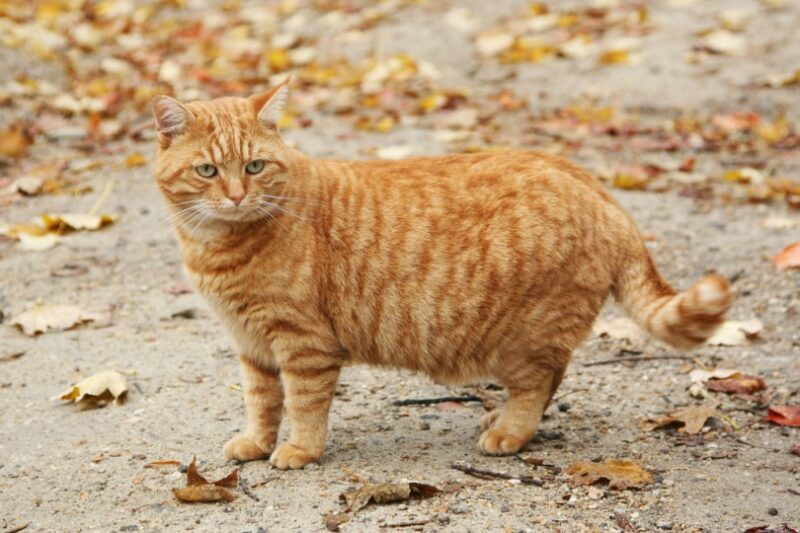
Physical changes are the easiest signs to spot in a pregnant feral cat. These changes happen as the cat’s body prepares for kittens. Observing these signs can help you understand if a feral cat is expecting. The most noticeable changes include a swollen abdomen, enlarged nipples, and weight gain. Each of these signs tells a story about the cat’s pregnancy.
Swollen Abdomen
The cat’s belly will grow bigger as the kittens develop inside. This swelling is one of the first clear signs of pregnancy. At first, the change is small and may be hard to see. After a few weeks, the abdomen becomes round and more obvious. A swollen belly does not always mean pregnancy but is a strong clue.
Enlarged Nipples
The nipples of a pregnant cat become larger and pinker. This change is called “pinking up.” It usually starts about three weeks after conception. The nipples will also stand out more than usual. This helps prepare the cat’s body to feed the kittens after birth.
Weight Gain
Pregnant feral cats gain weight steadily as the kittens grow. This weight gain happens mostly in the abdomen and chest areas. The cat may also appear rounder and fuller overall. Watching for weight gain can help confirm other signs of pregnancy.
Credit: www.catster.com
Behavioral Shifts
Behavioral shifts in feral cats can reveal pregnancy signs. These changes occur as the cat’s body prepares for motherhood. Observing her behavior helps understand her condition without close contact.
Increased Affection
A pregnant feral cat may show more affection than usual. She might approach people or animals gently. Purring and rubbing against objects can also increase. These actions show her need for comfort and safety.
Nesting Instincts
Pregnant cats start searching for quiet, safe places. They prepare small nests to give birth and care for kittens. Watch for digging or gathering soft materials. This behavior indicates she is getting ready to have kittens.
Reduced Activity
Energy levels drop as pregnancy progresses. The cat may rest more and move less. Reduced activity helps conserve energy for the kittens. Notice if she avoids long walks or playtime. This change signals her body’s extra demand.
Health Indicators
Health indicators offer clear signs of pregnancy in feral cats. Observing these signs helps identify if a cat is expecting. These signs affect how the cat behaves and feels daily. Understanding them aids in providing better care or seeking help.
Changes In Appetite
A pregnant feral cat often eats more than usual. Her body needs extra energy for growing kittens. She may look for food more often or eat larger amounts. Sometimes, she might eat less in the early days but will soon eat more. Watching her eating habits can reveal pregnancy.
Vomiting Or Nausea
Like humans, feral cats can feel sick during early pregnancy. Vomiting or nausea might happen in the first few weeks. This can cause the cat to avoid food or water for a short time. It is a natural response as her body adjusts. Not all pregnant cats show this sign, but some do.
Lethargy
Pregnant feral cats often seem more tired than usual. She may rest or sleep more to save energy. Physical activity decreases as her body works hard to support the kittens. Lethargy is a common sign during early and middle pregnancy stages. Careful observation can detect this change.
Credit: criminalburguer.com.br
Timing And Duration
Understanding the timing and duration of a feral cat’s pregnancy helps in identifying if she is expecting. This knowledge guides you on when to watch for certain signs. It also helps in planning care for the cat and her future kittens.
Gestation Period
The gestation period of a feral cat lasts about 58 to 67 days. This is roughly two months. During this time, the cat’s body changes to support the growing kittens. Knowing the length helps predict when the cat will give birth.
When Signs Appear
Early signs of pregnancy can show up around two to three weeks in. The cat may become more tired and eat more food. Her nipples might grow pinker and larger after three weeks. By the fifth week, her belly starts to swell visibly. These signs become clearer as pregnancy progresses.
Differentiating From Other Conditions
Knowing if a feral cat is pregnant can be tricky. Some signs look like pregnancy but are not. These can confuse even experienced caretakers. Understanding these differences helps provide the right care. It also keeps the cat safe and healthy.
False Pregnancy
False pregnancy happens when a cat shows pregnancy signs but has no kittens. The cat may act tired and eat more food. Her belly might swell, and her nipples can grow pink and big. This happens because of hormonal changes after heat. It usually ends in a few weeks without kittens.
Watch for no real growth in the belly over time. No kittens will be born. False pregnancy needs gentle care and patience. It is not harmful but can confuse you.
Illness Vs Pregnancy
Some illnesses cause symptoms like pregnancy signs. For example, infections or tumors can make the belly swell. The cat may also feel weak or lose appetite. These signs need quick vet attention.
Pregnant cats usually stay active and eat well. Illness can cause weight loss and vomiting. If you see strange signs or pain, seek help fast. A vet can tell the real cause with tests.
When To Seek Help
Knowing when to get help for a pregnant feral cat is very important. These cats face many risks during pregnancy. They may not get enough food or safe shelter. Illnesses can harm both the mother and her kittens. Timely help can improve their chances of survival. Watch for signs that the cat needs care from a professional.
Veterinary Examination
A vet can confirm pregnancy and check the cat’s health. They can spot problems that are hard to see. The vet may give vaccines or treat infections. This helps keep the cat and her kittens safe. A check-up is best during early pregnancy or if the cat looks weak.
Safe Handling Tips
Feral cats are scared of people and may scratch or bite. Approach slowly and calmly to avoid stress. Use a soft towel or gloves to hold the cat gently. Do not force the cat into a carrier. Instead, create a quiet space with food to earn trust. Safety for both you and the cat matters most.
Credit: www.catster.com
Frequently Asked Questions
How Can You Spot A Pregnant Feral Cat?
Look for a bigger belly, swollen nipples, and changes in behavior like nesting.
What Are Early Signs Of Pregnancy In Feral Cats?
Early signs include tiredness, less eating, and slight belly swelling.
How Long Is A Feral Cat’s Pregnancy Period?
Pregnancy usually lasts about 9 weeks or 63 to 65 days.
Can A Feral Cat’s Nipples Change During Pregnancy?
Yes, nipples become pinker and bigger as the cat gets closer to birth.
Does A Pregnant Feral Cat Change Her Behavior?
She may hide more, become quieter, and avoid other cats or people.
When Should You Take A Feral Cat To The Vet For Pregnancy?
Visit a vet if you see clear signs like a swollen belly or nipple changes.
Conclusion
Recognizing a pregnant feral cat helps provide the care she needs. Watch for signs like weight gain, changes in behavior, and enlarged nipples. Approach gently and stay calm to avoid stressing her. Early help can make a big difference for her and her kittens.
Caring for feral cats shows kindness and respect for animals. Keep observing quietly and offer support when possible. This knowledge helps protect these cats in your community. Small actions can lead to better lives for feral cats and their babies.
As an Amazon Associate, I earn from qualifying purchases.