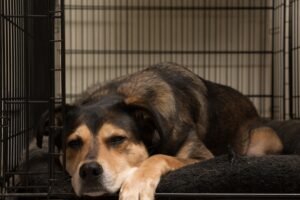
If your dog suddenly starts limping or won’t put weight on one leg, it’s natural to worry. You might be asking yourself, “How do I know if my dog broke his leg?” Knowing the signs can help you act quickly and get your furry friend the care they need.
You’ll discover clear, simple ways to spot a broken leg in your dog and what steps to take right away. Keep reading to protect your dog and ease your mind.
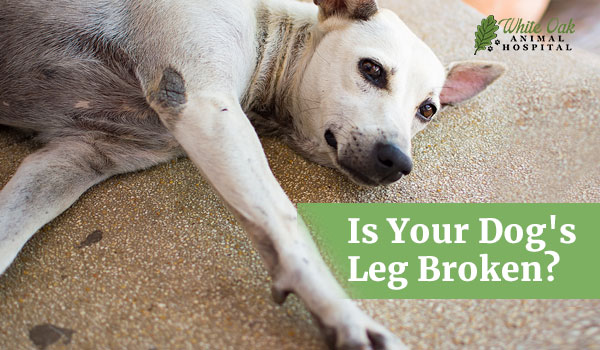
Credit: whiteoakvet.com
Common Signs Of A Broken Leg
Recognizing a broken leg in your dog is important for fast care. Dogs cannot tell us when they are hurt. Observing their behavior and physical signs helps identify serious injuries. Common signs of a broken leg show clearly and need quick action.
Limping And Avoiding Weight
A dog with a broken leg often limps or does not put weight on the leg. They may hold the leg up or walk on three legs. Limping is a clear sign of pain or injury. Watch for any change in how your dog walks or stands.
Swelling And Bruising
Swelling around the injured leg is common with a break. The area may look puffy or feel warm to touch. Bruises or dark spots can appear on the skin near the injury. These signs show internal bleeding and damage to tissues.
Visible Deformity Or Bone Protrusion
Sometimes the broken bone sticks out or the leg looks bent in a strange way. This is a serious sign of a fracture. Do not try to fix the bone yourself. Visible deformity needs urgent veterinary care to avoid more harm.
Whining Or Whimpering
Dogs may whine or whimper from pain when moving or touching the leg. They can become restless or try to hide. Vocal signs of pain show the injury is severe. Pay attention to any unusual sounds your dog makes.

Credit: todaysveterinarybusiness.com
Behavioral Changes To Notice
Behavioral changes can reveal a lot about your dog’s health, especially if it has a broken leg. Dogs often hide pain, so watching their behavior helps you spot issues fast. These changes give clues about discomfort and injury severity.
Reluctance To Move
A dog with a broken leg may avoid walking or running. Notice if your dog stays in one place more than usual. It may limp or refuse to put weight on one leg. This reluctance is a clear sign of pain or injury.
Changes In Appetite
Injured dogs often eat less. Pain or stress can lower their hunger. Watch for sudden drops in food intake. A dog that usually eats well but now refuses food might be hurt.
Increased Restlessness Or Agitation
Your dog might seem uneasy or restless. It may pace or whine more than normal. Agitation can mean discomfort or anxiety from the injury. Calm dogs suddenly acting nervous need attention.
How To Gently Examine Your Dog
Knowing how to gently examine your dog is very important if you suspect a broken leg. Stay calm and move slowly. Your dog will feel less scared and may stay still. Use soft hands and be patient. Stop if your dog shows too much pain or stress.
Checking For Tenderness
Touch your dog’s leg softly. Press gently along the bones and muscles. Watch your dog’s face for signs of pain. Pull back if your dog flinches or whines. Tenderness can mean an injury or broken bone.
Looking For Abnormal Angles
Look closely at your dog’s leg from all sides. Check if any part bends oddly. A broken bone may cause a strange angle or shape. Compare with the other leg to see differences. Swelling may hide the true shape.
Observing Reaction To Touch
Touch different spots on the leg with care. Notice how your dog reacts. Pulling away or growling shows discomfort or pain. Calm dogs may tolerate light examination better. Always stop if your dog becomes too upset.
When To Seek Veterinary Care
Knowing when to seek veterinary care for your dog’s leg injury is very important. Some signs show that your dog needs help right away. Other signs mean a visit to the vet can be planned soon. Recognizing these signs can protect your dog from more pain and problems. Acting fast can make a big difference in your dog’s healing.
Emergency Situations
Call the vet immediately if your dog cannot stand or walk. Severe bleeding from the leg needs urgent care. A leg that looks twisted or bent in a strange way is a sign of a serious break. If your dog cries loudly or shows extreme pain, do not wait. Sudden swelling or coldness in the leg means blood flow may be cut off. These are emergency signs that need fast veterinary help.
Scheduling A Vet Visit
If your dog limps but still walks, schedule a vet visit soon. Watch for changes in how your dog uses the leg over time. Mild swelling or tenderness also needs a vet check. Your dog may hide pain, so be careful to observe small changes. Avoid letting your dog run or jump until the vet sees them. Early care can prevent the injury from getting worse.
What To Expect At The Vet
The vet will start with a physical exam. They check for swelling, pain, and leg movement. X-rays help find the exact location and type of break. The vet may give pain medicine or a splint to protect the leg. Surgery could be needed in some cases. The vet will explain how to care for your dog at home. Follow their advice to help your dog heal faster.
Preventing Leg Injuries In Dogs
Preventing leg injuries in dogs is important for their health and happiness. Dogs rely on their legs to run, jump, and play. Injuries can cause pain and stop them from doing what they love. Taking simple steps can keep your dog’s legs strong and safe.
Safe Exercise Practices
Exercise helps dogs stay fit, but it needs care. Choose soft surfaces like grass instead of hard pavement. Avoid rough play that can cause falls or twists. Keep exercise sessions short for puppies and older dogs. Use a leash in busy areas to control your dog’s movements.
Home Environment Adjustments
Make your home safe to prevent accidents. Remove loose rugs and clutter from walkways. Use non-slip mats on slippery floors. Block access to stairs if your dog is small or weak. Provide ramps for dogs with joint problems to avoid jumps.
Regular Health Checkups
Visit the vet regularly to catch problems early. The vet checks bones, joints, and muscles for signs of injury. Early treatment prevents small issues from becoming serious. Discuss your dog’s activity level and diet with the vet. Healthy weight reduces stress on your dog’s legs.
Credit: boneocanine.com
Frequently Asked Questions
What Are Common Signs Of A Broken Leg In Dogs?
Swelling, limping, pain, and inability to put weight on the leg are common signs.
How Can I Check If My Dog’s Leg Is Broken?
Look for swelling, deformity, or unusual movement in the leg and watch if your dog avoids using it.
Should I Visit A Vet Immediately For A Suspected Broken Leg?
Yes, a vet can properly diagnose and treat the injury to prevent complications.
Can A Dog Walk With A Broken Leg?
Dogs may try to walk but will often limp or avoid using the injured leg.
What Treatments Are Available For A Broken Dog Leg?
Treatments include splints, casts, or surgery depending on the break’s severity.
How Long Does It Take For A Dog’s Broken Leg To Heal?
Healing usually takes 6 to 12 weeks, with rest and vet care essential.
Conclusion
A broken leg in dogs shows clear signs you should not ignore. Pain, swelling, or limping means quick care is needed. Acting fast helps your dog heal better and feel less pain. Always watch your pet closely after any injury.
Trust your gut if something seems wrong. A vet visit ensures the right treatment and comfort. Keep your dog safe and healthy by knowing these signs well.
As an Amazon Associate, I earn from qualifying purchases.