Does your dog seem a bit off lately? Maybe they’re avoiding their favorite treats or pawing at their mouth.
These could be signs your furry friend is dealing with tooth pain. But how can you be sure? Understanding whether your dog has tooth pain is crucial for their health and happiness. You’ll learn the clear signs to watch for and what steps to take to ease your dog’s discomfort.
Keep reading—you owe it to your loyal companion to know exactly how to help.

Credit: www.toe-beans.com
Common Signs Of Tooth Pain
Dogs cannot tell us when they have tooth pain. We must watch for signs. Tooth pain affects their daily life and health. Recognizing the signs early helps your dog get care fast.
Changes In Eating Habits
Your dog may eat less or avoid hard food. Chewing on one side of the mouth is a clue. Dropping food while eating also signals pain. Watch closely during meal times for these changes.
Excessive Drooling
More drool than usual can mean discomfort. Pain or irritation in the mouth causes drooling. Check your dog’s mouth if drooling increases suddenly. It is a clear sign to pay attention to.
Pawing At The Mouth
Dogs often paw at their face when in pain. It shows they feel something wrong inside. Scratching or rubbing the mouth area is a red flag. This behavior should not be ignored.
Bad Breath
Bad breath is a common sign of dental issues. It often means infection or decay in the teeth. Notice any strong or foul smell from your dog’s mouth. This symptom needs quick attention.
Swelling Around The Mouth
Swelling near the jaw or gums can mean infection. It looks like a bump or puffiness on the face. This swelling often comes with tenderness and pain. Seek help if you spot swelling on your dog.
Behavioral Changes To Watch For
Dogs often hide pain well, but their behavior can give clues. Changes in how your dog acts may signal tooth pain. Watch for shifts in mood and daily habits. These signs help catch problems early and keep your dog comfortable.
Increased Irritability
A dog in tooth pain may become grumpy or snap easily. Small touches near the mouth might cause them to growl. They might avoid being petted or handled as usual. This irritability is a clear sign that something hurts.
Reluctance To Play
Dogs usually love to play and be active. Pain in their teeth can make them less eager to join games. They might lie down more or avoid running around. A sudden drop in playfulness often points to discomfort.
Avoiding Chewing Toys
Chewing feels painful with tooth issues. Your dog may stop playing with chew toys or bones. They might drop treats or food from their mouth. This behavior shows they want to avoid pain while eating or playing.
Causes Of Tooth Pain In Dogs
Tooth pain in dogs can stem from many causes. Knowing these causes helps you spot problems early. Dogs cannot tell us when their teeth hurt. Observing signs and understanding causes is key to their health.
Dental Disease And Plaque
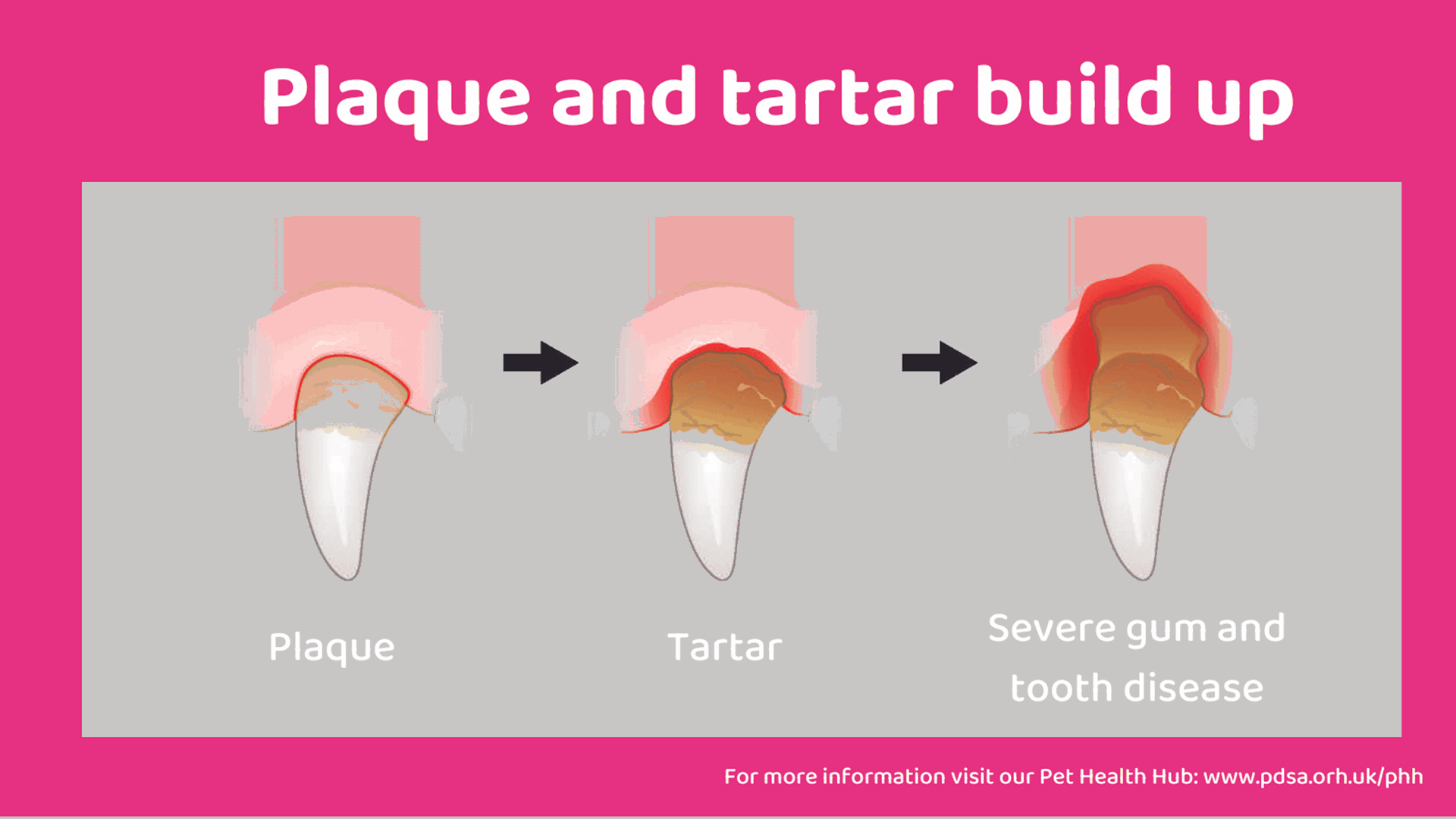
Dental disease is a common cause of tooth pain. Plaque builds up on teeth and hardens into tartar. This irritates gums and can cause infection. Gum inflammation leads to discomfort and pain. Regular cleaning helps prevent this painful condition.
Infections And Abscesses
Infections often start in damaged teeth or gums. Bacteria cause abscesses, which are pockets of pus. These abscesses cause swelling and severe pain. Dogs may avoid eating or paw at their face. Treating infections quickly prevents serious health issues.
Broken Or Fractured Teeth
Teeth can break from chewing hard objects or accidents. A broken tooth exposes nerves, causing sharp pain. Dogs may drool or have bad breath. They might stop chewing on one side. Prompt care can save the tooth and ease pain.
Foreign Objects Stuck In Teeth
Small objects can get stuck between teeth or gums. Stuck items cause irritation and pain. Dogs may paw at their mouth or refuse food. Removing the object relieves discomfort. Checking your dog’s mouth often can catch this early.
At-home Checks For Dental Issues
Checking your dog’s teeth at home helps spot dental pain early. This simple routine keeps your dog’s mouth healthy. Regular checks catch problems before they get worse. It also saves money on vet visits and avoids pain for your dog.
Inspecting Your Dog’s Mouth Safely
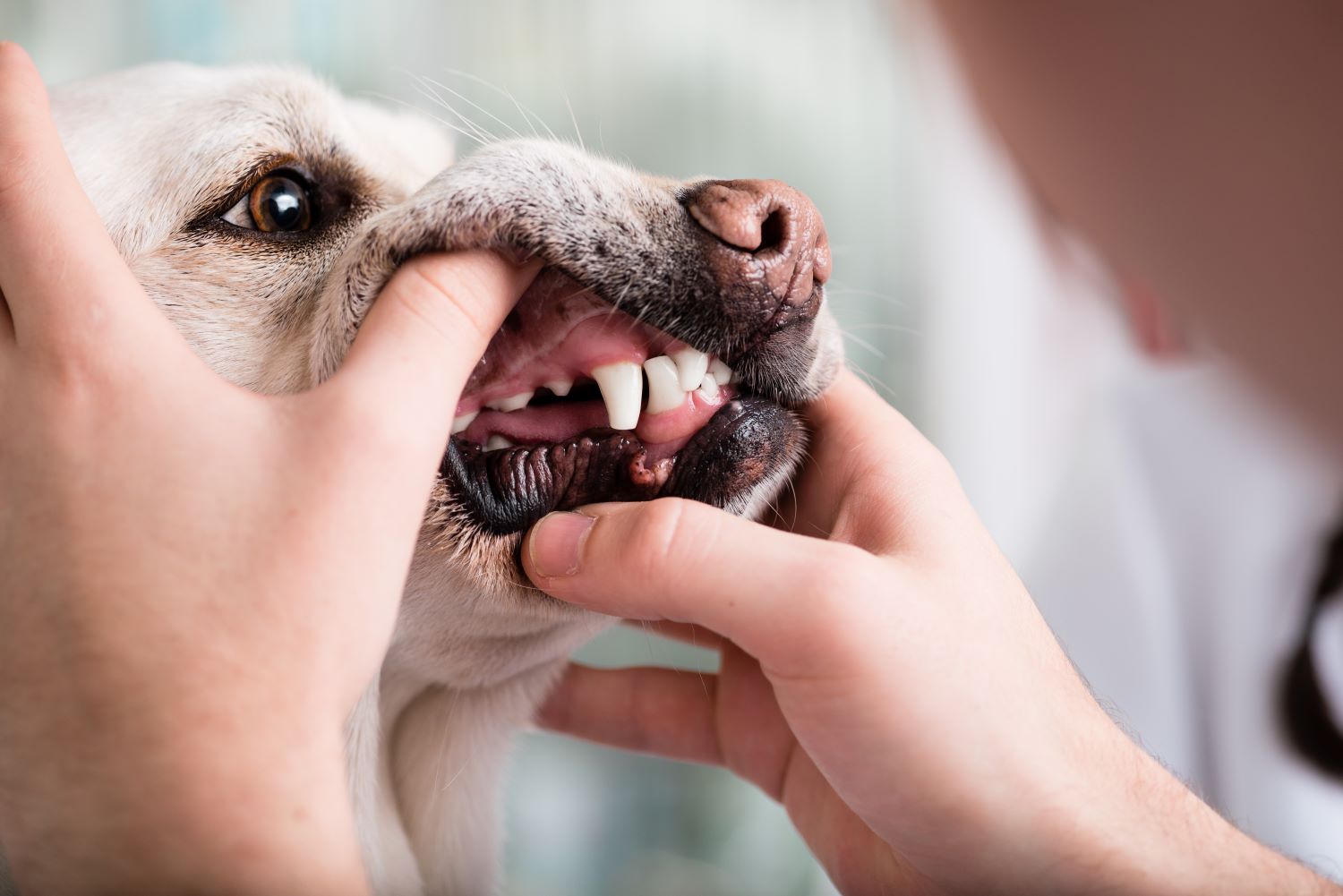
Begin by finding a quiet, calm place. Gently lift your dog’s lips to see the teeth and gums. Use a soft light to get a clear view. Avoid forcing your dog’s mouth open. If your dog pulls away, try again later. Always be gentle to avoid stress or injury.
Noticing Signs Of Redness Or Bleeding
Look closely at the gums around each tooth. Healthy gums are pink and smooth. Red or swollen areas show inflammation. Watch for any bleeding, even small spots. Bleeding gums can mean infection or gum disease. Check after your dog eats or chews toys.
Checking For Loose Teeth
Feel each tooth gently with your finger. Teeth should feel firm and stable. A loose tooth moves easily and may hurt your dog. Loose teeth can cause pain and make eating hard. If you find loose teeth, contact your vet soon. Early care stops pain and stops infection.
When To Visit The Veterinarian
Knowing when to visit the veterinarian is important for your dog’s dental health. Tooth pain can cause many problems. Early care helps avoid serious issues. Watch your dog closely for signs that need professional help. This section explains key moments to seek veterinary care.
Severe Pain Indicators
Severe tooth pain shows clear signs. Your dog may cry out or snap when touched. Loss of appetite or difficulty chewing is common. Swelling around the mouth or face is serious. Bad breath that worsens fast can mean infection. These signs need immediate veterinary attention.
Persistent Symptoms
Symptoms lasting more than three days need a vet visit. Drooling a lot or pawing at the mouth are red flags. Bleeding gums that do not stop need checking. If your dog avoids toys or food, pain may be the cause. Persistent signs mean the problem is not going away alone.
Professional Dental Cleaning Needs
Regular dental cleanings prevent tooth pain and disease. Your vet can spot problems you miss. Cleaning removes plaque and tartar that cause pain. Ask your vet how often your dog needs this care. Professional cleaning helps keep your dog’s mouth healthy and pain-free.
Credit: www.pdsa.org.uk
Treatment Options For Tooth Pain
Tooth pain in dogs needs careful attention and proper care. Treating this pain helps your dog eat, play, and feel happy again. Several treatment options exist depending on the cause and severity of the pain. Understanding these options will guide you in helping your dog recover quickly.
Medications And Pain Relief
Veterinarians often start treatment with medications. Pain relievers reduce discomfort and inflammation. Antibiotics fight infection if bacteria cause the pain. Always use medicines prescribed by a vet. Do not give human painkillers to dogs. Proper medication helps your dog feel better fast.
Dental Procedures And Surgery
Some dogs need dental treatments to fix the problem. Cleaning removes plaque and tartar causing pain. Tooth extractions remove badly damaged or infected teeth. Surgery may be necessary for severe cases. These procedures stop pain and prevent further damage. Only a vet should perform dental surgeries.
Home Care After Treatment
After treatment, care at home is very important. Brush your dog’s teeth daily with a dog-safe toothpaste. Provide soft food if chewing hurts. Keep follow-up visits with your vet. Watch for signs of pain or infection. Good home care helps keep your dog’s teeth healthy long-term.
Preventing Tooth Pain In Dogs
Preventing tooth pain in dogs starts with good daily care and regular check-ups. Healthy teeth lead to a happy dog. Simple steps keep pain and problems away. Focus on cleaning, chewing, and vet visits. These habits protect your dog’s smile and overall health.
Regular Brushing Techniques
Brush your dog’s teeth gently every day. Use a soft-bristled toothbrush made for dogs. Choose toothpaste with flavors dogs like, such as poultry or peanut butter. Hold the brush at a 45-degree angle to the gums. Brush in small circles to clean all teeth surfaces. Start slowly to help your dog get used to brushing. Consistency is key to avoid plaque build-up and decay.
Choosing Dental Chews And Toys
Select dental chews that help clean teeth and freshen breath. Look for chews approved by veterinarians. Offer chew toys designed to reduce plaque and massage gums. Avoid hard items that can break teeth. Supervise your dog while chewing to prevent choking. Dental treats support brushing and improve oral health between brushings.
Routine Vet Dental Exams
Schedule vet visits for dental exams at least once a year. The vet checks for signs of tooth pain or disease. Early detection stops serious problems before they start. Professional cleanings remove tartar your brush can’t reach. Ask your vet about your dog’s specific dental needs. Regular exams keep your dog comfortable and healthy.
Credit: petfolk.com
Frequently Asked Questions
What Are Common Signs Of Tooth Pain In Dogs?
Dogs may show drooling, pawing at the mouth, bad breath, or difficulty eating.
How Can I Check My Dog’s Mouth For Tooth Pain?
Look for red gums, broken teeth, swelling, or bad smell inside the mouth.
Why Does My Dog Stop Eating Or Chew Slowly?
Painful teeth or gums make chewing uncomfortable, causing slow or no eating.
Can Tooth Pain Cause Behavior Changes In Dogs?
Yes, dogs may become irritable, hide more, or avoid being touched near the mouth.
When Should I Take My Dog To The Vet For Tooth Pain?
Visit the vet if signs last more than two days or worsen.
How Is Tooth Pain Treated In Dogs?
Treatment may include cleaning, tooth extraction, pain relief, or antibiotics.
Conclusion
Dogs hide pain well. Watch for signs like drooling, bad breath, or chewing less. These clues show tooth pain. Regular checks help catch problems early. Visit the vet if you notice changes in your dog’s mouth or behavior. Healthy teeth mean a happy dog.
Taking care of their teeth improves their life quality. Don’t wait for pain to get worse. Act early to keep your dog comfortable and pain-free. Simple care can make a big difference.
As an Amazon Associate, I earn from qualifying purchases.