Are you worried about your cat getting anxious or stressed during a vet visit or a trip? You’re not alone.
Many cat owners wonder, “How do I sedate my cat safely? ” Finding the right way to calm your furry friend can make a huge difference for both of you. You’ll discover simple, effective, and safe methods to help your cat relax when it really matters.
Keep reading to learn how to make those tough moments easier—for you and your beloved pet.
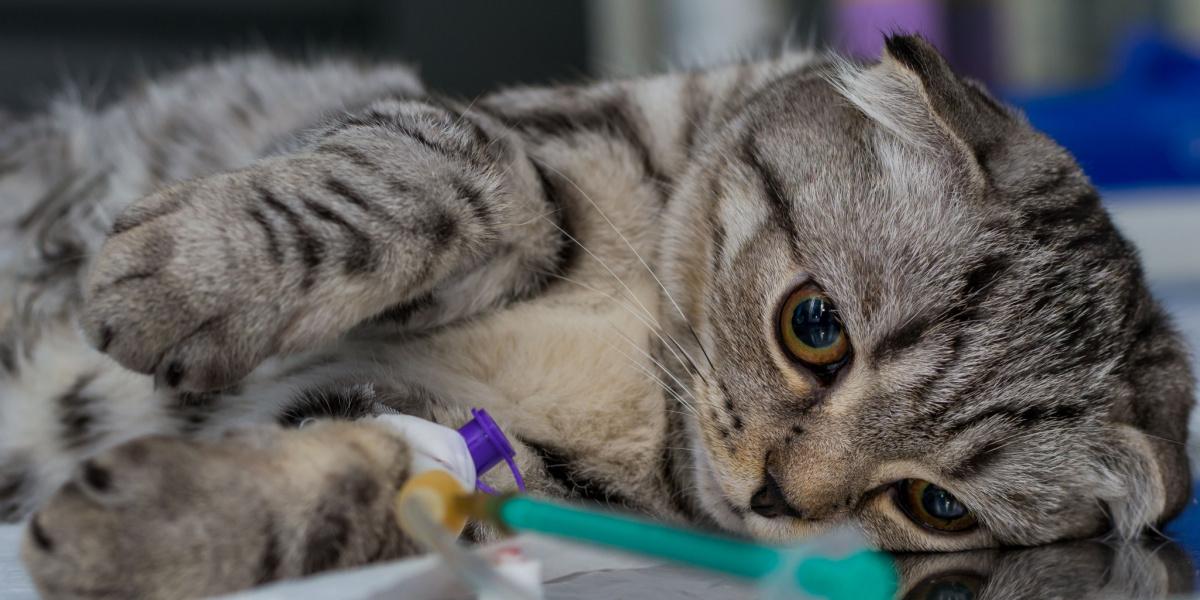
Credit: cats.com
Reasons To Sedate Cats
Sedating a cat can be necessary in several situations. It helps reduce stress and keeps cats calm. Sedation makes some tasks easier and safer for both cats and owners. Understanding why sedation might be needed helps in making the right choice for your cat’s care.
Medical Procedures
Many medical treatments require cats to stay still. Sedation helps during X-rays, blood tests, or minor surgeries. It prevents sudden movements that could cause injury. Some cats get very nervous at the vet. Sedation keeps them calm and relaxed. It makes the procedure smoother and less scary.
Travel And Transport
Traveling can be stressful for cats. Cars, carriers, and new places cause anxiety. Sedation helps cats stay calm during transport. It stops excessive meowing and pacing. Sedated cats handle long trips better. This reduces risks of escape or injury during travel.
Grooming And Handling
Grooming can be hard for some cats. Brushing, nail trimming, or cleaning ears may cause stress. Sedation helps cats tolerate grooming sessions. It makes handling easier and safer. Sedated cats are less likely to scratch or bite. This ensures proper care without harm.
Signs Your Cat Needs Sedation
Knowing when your cat needs sedation is important for their safety and comfort. Cats cannot tell us when they feel scared or stressed. Watching their behavior helps you understand their needs. Some signs show that sedation might help your cat during vet visits or grooming.
Anxiety And Stress Indicators
Signs of anxiety in cats include pacing, hiding, and trembling. Your cat may meow loudly or refuse to eat. They might lick themselves too much or scratch furniture. These actions show your cat feels uneasy or worried. Sedation can calm them in stressful situations.
Aggressive Behavior
Aggression can appear suddenly or increase over time. Your cat may hiss, growl, or swipe with claws. This behavior often happens when they feel trapped or scared. Aggressive cats can hurt themselves or others. Sedation helps keep everyone safe during handling.
Excessive Fear
Cats with excessive fear hide or freeze in one spot. They may refuse to move or hide under furniture. Their eyes may be wide open, and ears flat. Fear like this makes it hard to care for your cat. Sedation can ease their fear for a short time.
Consulting Your Veterinarian
Consulting your veterinarian is the safest step before sedating your cat. Vets have the expertise to guide you through the process. They ensure your cat’s health is not at risk. Trust their advice to keep your pet safe and calm.
Assessing Health Risks
Your vet will check your cat’s overall health first. They look for heart, liver, or kidney problems. Some conditions make sedation dangerous. Age and weight also affect sedation safety. A health check helps avoid serious side effects.
Choosing The Right Sedative
Not all sedatives suit every cat. Your vet selects one based on your cat’s health and temperament. Some sedatives cause less stress and last longer. Your vet knows which medicine calms your cat best. This choice is important for a smooth experience.
Dosage And Administration
The correct dose depends on your cat’s weight and health. Too much can harm, too little won’t work. Your vet will tell you how to give the medicine. They explain timing and method, such as pill or injection. Follow their instructions exactly for safety.

Credit: www.wikihow.com
Safe Sedation Methods
Safe sedation methods help calm your cat without causing harm. Knowing the right approach is key. Sedation should always be guided by a vet. This ensures your cat stays healthy and comfortable. Some methods are easier to use at home. Others require professional help. Understanding these options keeps your cat safe.
Oral Sedatives
Oral sedatives come as pills or liquids. They are easy to give to your cat. Vets often prescribe these for mild anxiety or travel. The effects take time, usually 30 minutes to an hour. Dose depends on your cat’s size and health. Never give human medicine to your cat. Always follow your vet’s instructions carefully.
Injectable Medications
Injectable sedatives work faster than oral types. They are given by a vet or trained professional. This method suits emergencies or strong sedation needs. Injections act quickly and control dosage well. Your cat may feel sleepy or relaxed soon after. This method requires vet supervision to avoid risks.
Natural And Herbal Options
Some natural herbs can help calm cats gently. Options include chamomile, valerian root, and lavender. These are often in sprays or treats. Effects are mild and take longer to show. Natural options can support stress relief but may not work for all cats. Always check with your vet before trying these. Safety and correct use matter most.
Preparing Your Cat For Sedation
Preparing your cat for sedation is important for their safety and comfort. Proper preparation helps avoid complications during the procedure. It also makes the sedation process smoother and less stressful for your pet.
Each step requires care and attention. Understanding these steps helps you get ready without worry. Your cat will stay calm and safe before sedation.
Fasting Guidelines
Do not feed your cat for 8 to 12 hours before sedation. This fasting reduces the risk of vomiting during sedation. Water can usually be given until a few hours before the procedure. Always follow your vet’s specific instructions on fasting times.
Calm Environment Setup
Create a quiet space for your cat to rest before sedation. Avoid loud noises and sudden movements. Use soft bedding and a familiar blanket. This helps your cat feel safe and relaxed.
Monitoring Before Sedation
Watch your cat closely for any signs of illness. Check for vomiting, diarrhea, or unusual behavior. Report these symptoms to your vet before sedation. Monitor breathing and activity levels to ensure your cat is stable.
Administering Sedation At Home
Administering sedation at home can calm your cat during stressful events. It helps reduce anxiety for trips to the vet or grooming. Knowing how to give sedation safely is important. Follow clear steps and watch for any problems.
Step-by-step Instructions
First, talk to your vet about the correct medicine and dose. Use the exact amount prescribed. Next, prepare the medication carefully. If it is a pill, hide it in a treat or food. For liquid medicine, use a dropper or syringe. Gently hold your cat’s head and place the medicine inside the cheek. Praise your cat after giving the medicine. Watch closely to make sure your cat swallows it.
Safety Precautions
Always give sedation only under veterinary advice. Never use human medicines on cats. Keep the medicine out of reach of children and pets. Use sedation in a quiet, safe space. Avoid giving food or water right before sedation unless your vet says it’s okay. Monitor your cat closely during sedation. Have your vet’s emergency number ready.
Recognizing Side Effects
Look for signs like excessive sleepiness, vomiting, or trouble breathing. Some cats may become unsteady or restless. Call your vet immediately if your cat shows any unusual behavior. Mild side effects can include drooling or loss of balance. Serious reactions need urgent care. Keep track of how your cat acts after sedation.
Post-sedation Care
After sedating your cat, proper care is very important. Cats need time to recover safely and comfortably. You must watch them closely to avoid problems. This section covers key tips for care after sedation.
Recovery Tips
Keep your cat in a quiet and warm place. Soft bedding helps them rest better. Avoid loud noises and bright lights. Offer water once your cat is alert but do not force it. Do not let your cat jump or play until fully awake. Keep other pets away to reduce stress.
Monitoring Vital Signs
Check your cat’s breathing and heart rate often. Breathing should be calm and steady. Count the breaths per minute to see if they are normal. Look at the gums; they should be pink, not pale or blue. Monitor the temperature to avoid overheating. Note any unusual behavior or weakness.
When To Contact A Vet
Call your vet if your cat stops breathing or has trouble breathing. Seek help if the gums turn pale or blue. Contact a vet if your cat vomits repeatedly. Get help if your cat shows extreme weakness or cannot stand. Any seizure or uncontrolled shaking needs urgent care. Quick action can save your cat’s life.
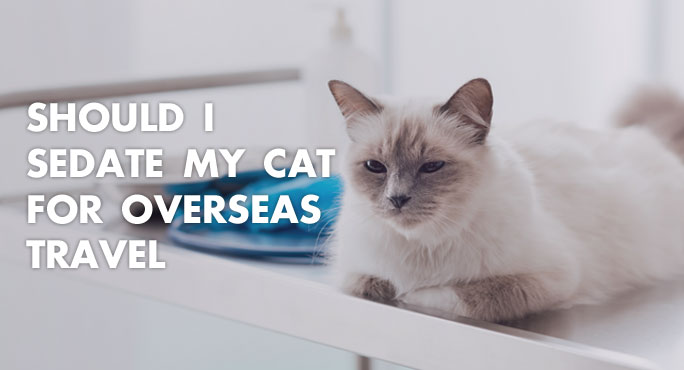
Credit: www.starwoodpet.com
Alternatives To Sedation
Sedating a cat is not the only way to calm them down. Many cats respond well to natural methods that reduce stress and anxiety. These alternatives help cats feel safe and relaxed without medication. They support your cat’s well-being and make handling easier.
Behavioral Training
Behavioral training teaches cats to stay calm in stressful situations. You can use treats and praise to reward good behavior. Practice short sessions regularly to build trust. Training helps cats adapt to new environments or changes. It reduces fear and aggression over time.
Environmental Enrichment
Environmental enrichment provides mental and physical stimulation for cats. Toys, scratching posts, and climbing trees keep cats busy. A comfortable space with hiding spots helps them feel secure. Enrichment lowers boredom and anxiety. It encourages natural behaviors and keeps cats happy.
Pheromone Therapy
Pheromone therapy uses synthetic scents to calm cats. These scents mimic natural calming signals cats release. You can find diffusers, sprays, or collars with pheromones. They create a peaceful atmosphere and reduce stress. Many cats respond quickly to pheromone therapy.
Common Mistakes To Avoid
Knowing how to sedate your cat safely is important. Many pet owners make mistakes that can harm their cats. Avoiding these errors keeps your cat safe and calm. This section highlights common mistakes to avoid when sedating a cat.
Incorrect Dosage
Giving too much medicine can be dangerous. It may cause severe side effects or overdose. Too little medicine may not work at all. Always follow the vet’s dosage instructions carefully. Use a proper measuring tool for accuracy. Never guess the amount based on your cat’s size alone.
Using Human Medications
Some people give cats human pills to calm them down. This is risky and can harm your cat. Human drugs often contain ingredients toxic to cats. Only use medications prescribed by a veterinarian. Never share your medicine with your pet.
Ignoring Health Conditions
Ignoring your cat’s health can cause problems. Certain illnesses change how cats react to sedatives. Tell your vet about any health issues or allergies. A vet can choose the safest sedative for your cat’s condition. Avoid sedating a sick or injured cat without advice.
Frequently Asked Questions
What Are Safe Ways To Sedate A Cat At Home?
Use vet-approved sedatives only. Never give human medicine. Consult your vet first for safety.
Can I Use Natural Remedies To Calm My Cat?
Yes, some herbs like valerian and chamomile help calm cats gently and safely.
How Long Does Cat Sedation Usually Last?
Sedation lasts between 1 to 4 hours, depending on the medicine and cat’s size.
When Should I Avoid Sedating My Cat?
Avoid sedation if your cat is sick, pregnant, or has heart or liver problems.
How Do Vets Sedate Cats For Medical Procedures?
Vets use special animal sedatives given by injection or orally, based on the cat’s needs.
Are There Risks In Sedating My Cat At Home?
Yes, risks include overdose, allergic reactions, and breathing issues. Always follow vet advice closely.
Conclusion
Sedating your cat requires care and expert advice. Always speak with a vet first. Never give human medicines to cats. Use only vet-approved sedatives and follow instructions closely. Watch your cat carefully during sedation. Keep their comfort and safety a top priority.
Sedation can help reduce stress in certain situations. But it should never be a quick fix. Patience and gentle handling often work best. Your cat’s health comes before anything else.
As an Amazon Associate, I earn from qualifying purchases.