As an Amazon Associate I earn from qualifying purchases.
Is your carpet starting to look like a battlefield after your cat’s scratching sessions? You’re not alone, and you don’t have to watch your favorite flooring get ruined.
Understanding why your cat scratches the carpet and how to redirect this behavior can save your home and keep your furry friend happy. Keep reading, and you’ll discover simple, effective ways to protect your carpet without stressing your cat—or yourself.
:strip_icc()/keep-cat-from-scratching-carpet-554831-hero-4ff16ebbd551426dbe23b6452ee75109.jpg)
Credit: www.thesprucepets.com
Reasons Cats Scratch Carpets
Cats scratch carpets for many reasons. Understanding why helps stop this behavior. Scratching is normal for cats. It keeps them healthy and happy. Knowing these reasons helps you protect your home and your pet.
Natural Instincts
Scratching is part of a cat’s nature. It keeps their claws sharp and strong. Cats use scratching to remove old claw covers. This helps them stay ready to climb and hunt. It is a natural habit they cannot stop easily.
Marking Territory
Cats have scent glands in their paws. Scratching leaves their scent on surfaces. This marks their territory and warns other animals. Carpet is soft and easy to scratch. It becomes a clear sign of their presence in your home.
Exercise And Stretching
Scratching helps cats stretch their muscles. It works their legs, paws, and back. This keeps them flexible and healthy. Carpet offers a good surface for this exercise. Cats enjoy the feel of carpet under their paws.
Stress And Boredom
Scratching can be a way to relieve stress. Cats scratch more when they feel bored or anxious. It gives them something to do and calms them down. Carpet is often close by and easy to scratch during these times.
Identifying Problem Areas
Finding the spots where your cat scratches the carpet helps you stop the behavior. Cats choose certain areas for their scratching. These places often have special reasons for your cat. Knowing these spots is the first step to protect your carpet.
Common Carpet Spots
Cats scratch near doors and windows. These places let them mark territory. Carpet edges often show wear from scratching. Corners of rooms get scratched more too. Look for loose fibers or worn patches. These signs show where cats scratch most.
Observing Cat Behavior
Watch your cat closely at home. Notice when and where they start to scratch. Cats may scratch after waking up or playing. They often return to favorite spots. Pay attention to their body language. Tail flicks or paw movements can tell you a lot.
Effective Deterrents
Stopping your cat from scratching the carpet is possible with the right deterrents. Cats dislike certain textures and smells. Using these can protect your carpet effectively. Try different methods to find what works best for your cat. Consistency is key for success.
Using Double-sided Tape
Double-sided tape is sticky and uncomfortable for cats. Place it on carpet areas your cat scratches. Cats avoid sticky surfaces because they dislike the feel on their paws. This method is safe and easy to use. Replace the tape regularly for best results.
Applying Cat Repellent Sprays
Cat repellent sprays have scents cats do not like. Spray the carpet spots your cat scratches often. Make sure the spray is safe for indoor use and pets. The smell keeps cats away without harming them. Reapply the spray as needed to maintain effectiveness.
Aluminum Foil And Other Textures
Aluminum foil feels strange and noisy under a cat’s paws. Cover carpet parts with foil to deter scratching. Other textures like plastic mats or rough fabric can work too. Cats avoid areas that feel strange or uncomfortable. Change textures to keep your cat from getting used to them.

Credit: www.amazon.com
Providing Alternatives
Providing alternatives helps redirect your cat’s scratching behavior. Cats need to scratch to keep their claws healthy and stretch their muscles. Giving them acceptable places to scratch protects your carpet and keeps your cat happy.
Choosing The Right Scratching Posts
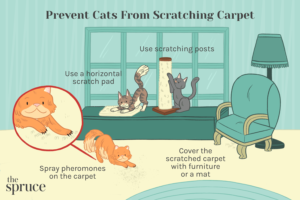
Pick scratching posts that feel good to your cat. Posts made from sisal rope or cardboard work well. Some cats like tall posts to stretch fully. Others prefer horizontal scratchers. Test different types to see what your cat likes best.
Location And Placement Tips
Place scratching posts near the carpet your cat scratches. Cats like to scratch right after waking up. Put posts in cozy spots where your cat spends time. Keep posts stable so they don’t wobble or fall. This encourages your cat to use them often.
Encouraging Use With Catnip
Sprinkle catnip on the scratching posts to attract your cat. Catnip makes cats curious and playful. It draws them to the post and encourages scratching. You can also use toys or treats around the post. Praise your cat when it scratches the post to build good habits.
Training And Positive Reinforcement
Training your cat to stop scratching the carpet takes patience and care. Positive reinforcement helps your cat learn what behavior is good. Cats respond well to gentle guidance and rewards. This method builds trust and makes learning easier.
Redirecting Scratching Behavior
Offer your cat a scratching post or pad nearby. Place it close to the carpet area your cat likes. Encourage your cat to use the post by gently moving its paws on it. Try different materials like sisal or cardboard to find the favorite. Watch your cat’s reaction and adjust the spot if needed.
If your cat starts scratching the carpet, calmly move it to the post. Do not shout or punish. This can scare your cat and make training harder. Be patient and consistent with redirection every time.
Rewarding Good Habits
Give treats or praise when your cat uses the scratching post. Rewards make your cat happy and want to repeat good behavior. Use soft words like “good kitty” and gentle petting along with treats. Small, frequent rewards work best to keep your cat interested.
Try to reward immediately after the good behavior. This helps your cat connect the action with the reward. Over time, your cat will choose the post over the carpet.
:strip_icc()/keep-cat-from-scratching-carpet-554831_final-a8dcf3bb9e3b4c269259604c244f42d5.png)
Credit: www.thesprucepets.com
Maintaining Cat’s Nail Health
Maintaining your cat’s nail health plays a key role in stopping carpet scratching. Healthy nails reduce damage and discomfort for your cat. It also helps keep your home safe and clean. Taking care of nails is a simple step but has big benefits.
Regular Nail Trimming
Trim your cat’s nails often to keep them short and blunt. Use special nail clippers made for cats. Cut only the sharp tip, avoiding the quick inside the nail. This prevents pain and bleeding. Short nails cause less damage to carpets. Make trimming a calm and positive experience. Praise your cat or give a small treat after.
Using Nail Caps
Nail caps are small plastic covers that fit over your cat’s nails. They stop sharp scratching without hurting your cat. Nail caps come in soft, safe materials and stick gently to the nail. Replace them every few weeks as your cat’s nails grow. Nail caps protect carpets and furniture. They are a good option if trimming is hard to do regularly.
Creating A Stimulating Environment
Creating a stimulating environment helps stop your cat from scratching the carpet. Cats need activities that keep their minds and bodies busy. Bored cats often choose carpets to scratch out of frustration or excess energy.
Offering fun and interesting options can guide your cat away from unwanted scratching. A happy cat with plenty to do is less likely to damage your home.
Providing Toys And Playtime
Toys are a great way to keep your cat active. Offer a variety of toys such as balls, feather wands, and puzzle feeders. Change toys often to keep your cat curious and interested.
Spend time each day playing with your cat. Use toys that mimic prey movements to engage their hunting instincts. Playtime builds a strong bond and reduces boredom.
Reducing Stress Factors
Stress can cause cats to scratch more. Loud noises, new pets, or changes in routine may upset your cat. Create calm spaces where your cat can feel safe and relaxed.
Use soft bedding and quiet corners for your cat to rest. Keep feeding and play routines regular. A calm cat is less likely to scratch out of anxiety.
Frequently Asked Questions
Why Does My Cat Scratch The Carpet?
Cats scratch to mark territory, sharpen claws, and stretch their muscles.
How Can I Stop My Cat From Scratching Carpet?
Provide scratching posts and use deterrents like double-sided tape on carpet.
What Are Safe Ways To Protect Carpet From Cat Scratches?
Use carpet protectors, sticky tape, or place mats on vulnerable areas.
Can Trimming My Cat’s Nails Reduce Carpet Scratching?
Yes, regular nail trims can lessen damage and discourage scratching.
Does Using Catnip Help Redirect Scratching Behavior?
Catnip can attract cats to scratching posts, reducing carpet scratching.
Should I Punish My Cat For Scratching The Carpet?
Avoid punishment; reward good behavior and provide proper scratching outlets instead.
Conclusion
Stopping your cat from scratching the carpet takes patience and care. Provide good scratching alternatives like posts or pads. Use gentle deterrents on carpet areas to protect them. Reward your cat when it uses the right spot. Remember, cats scratch to stretch and mark territory.
Keep nails trimmed and give your cat attention. Small steps can change your cat’s habits over time. Stay calm and consistent for best results. Your carpet can stay safe, and your cat happy.
As an Amazon Associate, I earn from qualifying purchases.