Have you ever discovered the unpleasant smell of cat urine in your garden soil? It’s frustrating and can damage your plants, leaving your outdoor space less enjoyable.
But don’t worry—you can fix this. Knowing how to neutralize cat urine in soil is easier than you think, and it will help restore your garden’s health and freshness. Keep reading to find simple, effective steps you can take right now to get rid of that smell and protect your plants.
Your garden deserves it!
Causes Of Cat Urine In Soil
Cat urine in soil is a common problem for many gardeners and pet owners. Understanding why cats urinate outside the litter box helps prevent damage. The causes can be behavioral, environmental, or health-related.
Knowing how cat urine affects soil and plants is important for keeping your garden healthy. The strong smell and chemicals in urine can harm your soil’s quality and plant growth.
Why Cats Urinate Outside The Litter Box
Cats may avoid the litter box for several reasons. Stress or anxiety can cause a cat to urinate outside. Changes in the home, new pets, or loud noises upset them.
Health problems like urinary tract infections also lead cats to urinate in strange places. Sometimes the litter box is dirty or hard to reach. The cat looks for softer or quieter spots, such as garden soil.
Impact Of Cat Urine On Soil And Plants
Cat urine contains high levels of nitrogen and salts. These chemicals can burn grass and plants. Soil may become too acidic or alkaline, harming beneficial microbes.
Repeated urination in one spot causes soil imbalance. Plants struggle to absorb nutrients and water. This leads to yellow patches and dead plants in the garden.

Credit: www.arloren.com
Immediate Actions After Detection
Detecting cat urine in soil requires quick action to stop damage. The urine can harm plants and soil health. Acting fast helps reduce the smell and prevents long-term problems. Follow these steps right after you find the urine spot.
Removing Contaminated Soil
Start by digging out the soil where the urine landed. Remove about 2 to 3 inches of the affected soil. Use a small shovel or garden trowel for this job. Place the removed soil in a bag and throw it away. This step reduces the strong smell and stops the urine from spreading.
Flushing The Area With Water
After removing the soil, flush the area with plenty of water. Use a garden hose or watering can to pour water slowly. This washes away any urine left deep in the soil. Watering also helps dilute harmful chemicals in the urine. Repeat this step several times for better results.
Natural Neutralizing Agents
Neutralizing cat urine in soil does not require harsh chemicals. Natural neutralizing agents offer safe, effective solutions. These agents break down odor and balance soil pH. They help restore the soil’s health without harming plants or the environment.
Using Baking Soda
Baking soda is a common household item that absorbs odors well. Sprinkle a generous amount over the affected soil area. Let it sit for at least 30 minutes to absorb the urine smell. Then, gently mix the baking soda into the top layer of soil. Water the area lightly to help dissolve the baking soda. This method reduces the strong ammonia smell from cat urine.
Applying Vinegar Solutions
Vinegar is acidic and helps neutralize alkaline cat urine. Mix one part white vinegar with two parts water in a spray bottle. Spray the solution evenly on the urine spot in the soil. Allow it to soak for 10 to 15 minutes. Vinegar breaks down urine salts and reduces odor effectively. Avoid overusing vinegar to protect delicate plants nearby.
Utilizing Activated Charcoal
Activated charcoal traps odors and toxins in the soil. Spread a thin layer of activated charcoal over the urine spot. Gently work it into the soil surface without disturbing roots. Charcoal absorbs ammonia and other urine compounds. Replace the charcoal every few weeks for ongoing odor control. It is a natural and eco-friendly option for soil treatment.

Credit: plantophiles.com
Commercial Products For Neutralization
Commercial products help remove cat urine smell from soil effectively. These products break down the urine compounds that cause bad odor. Using the right product makes cleaning easier and faster. Choose a product based on your soil type and the extent of the odor.
Enzyme-based Cleaners
Enzyme-based cleaners use natural enzymes to digest urine molecules. These enzymes target proteins and urea, breaking them into harmless parts. They stop the smell from coming back by removing the source. These cleaners are safe for plants and pets. Apply the cleaner directly to the affected soil. Let it sit for several hours before watering the area. Repeat application if the smell remains strong.
Soil Deodorizers
Soil deodorizers mask or absorb bad smells in the soil. They often contain minerals like activated charcoal or zeolite. These minerals trap odor particles and keep the soil fresh. Deodorizers do not remove urine but reduce its smell. Use them after cleaning the soil with enzyme cleaners. Sprinkle the deodorizer on dry soil for best results. Reapply regularly to maintain a pleasant garden smell.
Preventive Measures To Avoid Future Incidents
Preventing cat urine in soil helps keep your garden fresh and healthy. Taking steps now stops damage later. It protects plants and avoids bad smells. Simple changes can keep cats away from your soil. Creating safe spots for cats can also help.
Deterring Cats From The Area
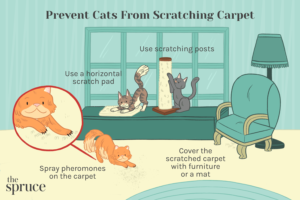
Sprinkle citrus peels or coffee grounds around your plants. Cats dislike strong smells. Use motion-activated sprinklers to scare them off. Place chicken wire over the soil to block access. You can also try commercial cat repellents. These methods keep cats away without harm.
Creating Cat-friendly Alternatives
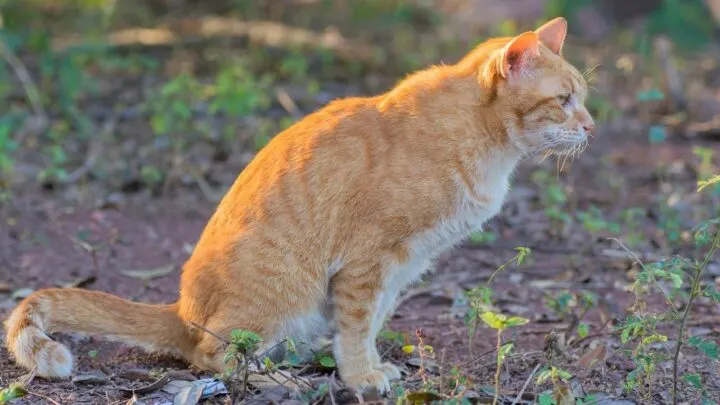
Set up a sandbox or small dirt area for cats. Add soft soil and some toys. Cats prefer these spots for digging and toileting. Place it far from your garden plants. Give cats a place of their own to avoid soil damage.
Credit: plantophiles.com
Monitoring And Maintaining Soil Health
Monitoring and maintaining soil health is key after neutralizing cat urine in soil. Urine can change the soil’s natural balance. This affects plant growth and soil life. Careful observation helps keep soil healthy and supports plants well.
Testing Soil Ph Levels
Soil pH shows how acidic or alkaline the soil is. Cat urine often makes soil more alkaline. Test soil pH with simple kits from garden stores. Check pH regularly after treatment. Aim for a pH between 6 and 7 for most plants.
Replenishing Nutrients After Treatment
Urine can wash away important nutrients. Add compost or balanced fertilizer to refill the soil. Use organic matter to improve soil texture. Spread nutrients evenly and water the area. Healthy soil helps plants grow strong and green.
Frequently Asked Questions
What Is The Best Way To Neutralize Cat Urine In Soil?
Use baking soda and water to soak the soil. It helps break down the urine smell.
How Long Does It Take To Remove Cat Urine From Soil?
It usually takes a few days to a week for odors to fade.
Can Vinegar Help Neutralize Cat Urine In Soil?
Yes, diluted vinegar can neutralize the smell but may affect some plants.
Should I Replace The Soil After Cat Urine Contamination?
Replacing soil is best if the smell persists or plants die.
Does Cat Urine Harm Plants In The Soil?
Yes, cat urine can burn plants and damage soil nutrients.
How Can I Prevent Cats From Urinating In My Garden Soil?
Use citrus peels, coffee grounds, or commercial cat repellents around the area.
Conclusion
Neutralizing cat urine in soil takes patience and simple steps. Use water to soak the area well. Apply natural cleaners like baking soda or vinegar. These help remove bad smells and harmful chemicals. Let the soil dry completely before planting again.
Regular care keeps your garden healthy and fresh. Remember, small actions make a big difference. Keep your outdoor spaces clean and safe for everyone.
As an Amazon Associate, I earn from qualifying purchases.