Thinking about rehoming your cat can feel overwhelming. You want to make sure your furry friend ends up in a safe, loving home.
But where do you start? How do you find the right person who will care for your cat just like you do? This guide will walk you through simple, effective steps to rehome your cat with confidence. By the end, you’ll know exactly how to make this transition as smooth and stress-free as possible—for both you and your cat.
Keep reading to discover how to give your cat the fresh start they deserve.
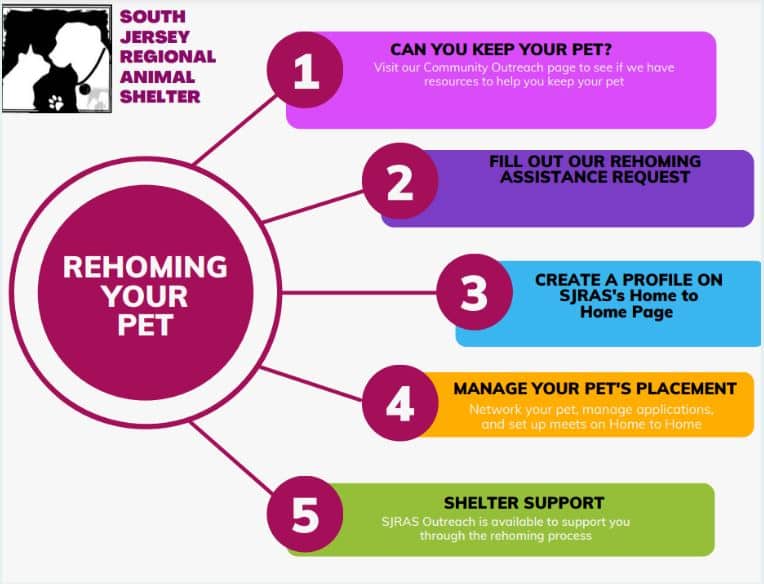
Credit: sjras.org
Preparing Your Cat For Rehoming
Preparing your cat for rehoming takes careful thought and kindness. This step helps your cat feel safe and loved during the change. It also makes the transition easier for the new family. Start early to give your cat time to adjust.
Assessing Your Cat’s Needs
Every cat has different needs. Think about your cat’s personality and health. Does your cat like quiet places or playtime? Note any special care your cat requires. This helps find the right new home.
Gathering Medical Records
Collect all health documents. Include vaccination records, vet visits, and any treatments. These papers help the new owner keep your cat healthy. They also show your cat’s medical history clearly.
Packing Familiar Items
Gather your cat’s favorite toys, blankets, and bed. These items bring comfort and reduce stress. They help your cat feel at home in the new place. Pack them carefully to keep familiar scents.

Credit: www.seattleareafelinerescue.org
Finding The Right New Home
Finding the right new home for your cat is very important. A good home keeps your cat safe and happy. It also makes sure your cat’s needs get met. Take your time to choose carefully. This helps your cat adjust well to the new family. It also gives you peace of mind.
Screening Potential Adopters
Check who wants to adopt your cat. Ask about their living situation and experience with pets. Find out if they have other animals. Make sure they understand the needs of your cat. Ask about their daily schedule and how much time they can spend with the cat. This helps ensure your cat will get enough care and attention.
Using Rehoming Networks
Use local groups and online sites to find new owners. These networks connect people who want pets with those who need to rehome them. Post clear photos and honest descriptions of your cat. This helps attract serious adopters. Join pet forums or social media groups focused on cat adoption. These tools increase your chances of finding a good match.
Avoiding Shelters When Possible
Shelters can be stressful for cats. They may also have many animals waiting for homes. Try to find a new family without using shelters. This keeps your cat in a calm place during the transition. It also allows you to choose the adopter directly. Shelters are a last option if no other home can be found.
Communicating With The New Owner
Communicating well with the new owner is key to a smooth cat rehoming process. Clear and honest talk helps the cat adjust faster. It also builds trust between you and the new owner.
Sharing details about the cat’s habits and needs makes a big difference. The new owner will feel more confident and ready to care for the cat.
Sharing Care Instructions
Give the new owner a list of daily care tasks. Include feeding times, types of food, and treats the cat likes. Mention grooming routines like brushing or nail trimming. Add any special care, such as medicine or allergies.
Note the cat’s favorite toys and resting spots. This helps the new owner create a familiar space. A smooth routine reduces stress for the cat.
Discussing Behavior And Preferences
Talk about the cat’s personality and habits. Is the cat shy or outgoing? Does it like to be held or prefer space? Mention how the cat acts around children or other pets.
Explain any quirks or habits, like scratching furniture or hiding. This prepares the new owner to handle challenges calmly. Share ways to calm or comfort the cat.
Setting Expectations
Be honest about what the new owner should expect. Cats need time to settle in a new home. The cat might hide or act nervous at first.
Explain that patience is important. The cat may need days or weeks to fully trust the new owner. Setting realistic expectations helps avoid surprises and frustration.
Transporting Your Cat Safely
Transporting a cat safely is key to a smooth rehoming process. Cats feel stressed with sudden changes. Keeping them calm helps avoid injury and fear. Proper preparation makes the journey less scary for your cat. Focus on the right tools and techniques to protect your pet during travel.
Choosing A Proper Carrier
Pick a carrier that is sturdy and well-ventilated. It should be big enough for your cat to stand and turn. Hard plastic carriers offer more protection. Soft-sided carriers are lighter and easier to carry. Always secure the carrier with a seatbelt in the car. Avoid open carriers or bags that can let your cat escape.
Calming Techniques During Travel
Keep the carrier covered with a light cloth to reduce stress. Speak softly to your cat to provide comfort. Use pheromone sprays inside the carrier to calm your pet. Play quiet, soothing music in the car to ease anxiety. Avoid loud noises and sudden movements during the trip.
Ensuring Comfort On The Journey
Place a soft blanket or towel inside the carrier. Include a favorite toy or item with your cat’s scent. Keep the temperature in the car comfortable, not too hot or cold. Stop for short breaks if the trip is long. Never leave your cat alone in a parked car.
Helping Your Cat Adjust
Helping your cat adjust to a new home is very important. Moving can be scary for cats. They need time and care to feel safe and happy. Patience and gentle attention make the process smoother. Understanding your cat’s needs helps build trust quickly.
Introducing The New Environment
Start by giving your cat a quiet room. Let them explore slowly. Place familiar items like toys and blankets nearby. Avoid loud noises or sudden changes. Allow your cat to hide if they want. This helps them feel secure and less scared.
Maintaining Routine And Consistency
Keep feeding times the same as before. Use the same type of food and water bowls. Play and cuddle at regular times. Cats feel safe with a steady routine. This lowers their stress and helps them settle in faster.
Monitoring For Stress Or Anxiety
Watch for signs like hiding, loss of appetite, or scratching. These may show your cat is stressed. Give extra attention and calm spaces. Use gentle voices and slow movements. If stress continues, consult a vet for advice.

Credit: classactcats.com
Legal And Ethical Considerations
Rehoming a cat requires care beyond finding a new home. Legal and ethical rules protect your cat and the new owner. Knowing these rules helps make the process smooth and safe.
Transferring Ownership Documentation
Official papers prove who owns the cat. These documents include adoption papers or sale contracts. They protect both you and the new owner. Always give copies of vaccination and health records. This ensures the cat’s care continues without problems.
Understanding Local Animal Laws
Every place has different rules about pet ownership. Some areas require registration or microchipping. Others have rules about cat limits per household. Learn these laws before rehoming your cat. Following them avoids fines or legal trouble.
Ensuring Responsible Rehoming
Choose a new owner who can care well for your cat. Check their home and lifestyle if possible. Ask about their experience with pets and time for care. Responsible rehoming keeps your cat safe and happy. It also respects the animal’s needs and feelings.
Frequently Asked Questions
How To Find A Good Home For Your Cat?
Look for someone who loves cats and can care for your pet properly.
What Should I Tell The New Owner About My Cat?
Share your cat’s habits, health, likes, and dislikes clearly.
How Do I Prepare My Cat For Rehoming?
Keep your cat calm, healthy, and used to its carrier before moving.
Should I Meet The New Owner Before Rehoming?
Meeting helps ensure your cat goes to a safe and caring home.
Can A Shelter Help Me Rehome My Cat?
Yes, shelters can find homes but might have waiting lists or fees.
How To Handle My Cat’s Emotions During Rehoming?
Give extra love, keep routines, and be patient with your cat’s feelings.
Conclusion
Rehoming a cat takes care and patience. Find a safe and loving new home. Share clear information about the cat’s needs. Meet potential adopters and ask questions. Keep the cat’s best interest as your guide. This helps ensure a happy future for your pet.
Trust your instincts and take your time. Every cat deserves a caring family. Your careful steps make all the difference.
As an Amazon Associate, I earn from qualifying purchases.