Is your carpet becoming a constant target for your cat’s scratching? You’re not alone—and it can be really frustrating.
Scratched-up carpets don’t just look bad; they can also cost you money and make your home feel less comfortable. But here’s the good news: you can stop your cat from scratching the carpet without upsetting your furry friend. You’ll discover simple, effective steps that protect your carpet and keep your cat happy.
Ready to save your floors and enjoy a peaceful home? Keep reading to learn how.
Why Cats Scratch Carpets
Cats scratching carpets can be frustrating. Understanding why cats do it helps stop the behavior. Cats do not scratch just to annoy. They have natural reasons for it. Scratching is a normal, healthy activity for cats. It helps them feel good and stay healthy.
Natural Instincts
Scratching is part of a cat’s natural behavior. Wild cats scratch trees and plants. It helps them stretch their muscles. Scratching also keeps their claws sharp. Even indoor cats keep this habit alive.
Marking Territory
Cats use scratching to mark their space. Their paws have scent glands. When they scratch, they leave a smell behind. This scent tells other animals, “This is mine.” Carpet is easy to scratch and scent.
Nail Maintenance
Scratching helps cats care for their nails. It removes old, outer layers. This keeps claws sharp and healthy. Carpet fibers feel good for this purpose. It is like a nail file for cats.
Boredom And Stress
Cats scratch more when bored or stressed. Scratching helps them release energy. It also calms them down. Without toys or play, cats may choose carpet. It is a way to pass time.
Preventive Measures
Preventing your cat from scratching the carpet is easier than fixing the damage. Taking steps before the problem starts saves you time and stress. These simple actions keep your cat happy and your carpet safe.
Trim Your Cat’s Nails
Short nails cause less damage when your cat scratches. Trim nails every two weeks to keep them blunt. Use special cat nail clippers for safety. Be gentle and calm to avoid stressing your cat.
Use Nail Caps
Nail caps cover sharp claws to protect carpets. They are soft and glued on the nails. Nail caps stop damage without hurting your cat. Replace caps every few weeks as nails grow.
Provide Scratching Posts
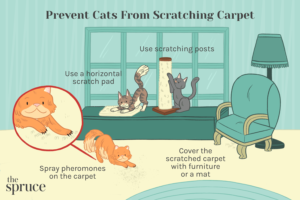
Cats need to scratch to stay healthy and happy. Give your cat several scratching posts around the house. Choose posts with different textures like sisal or cardboard. Place posts near favorite carpet spots to redirect scratching.
Choose Cat-friendly Carpets
Some carpets resist scratching better than others. Look for low-pile or tightly woven carpets. Avoid looped or fluffy carpets that catch claws easily. Cat-friendly carpets last longer and hide damage better.
Deterring Cats From Carpets
Cats love to scratch. It is natural for them. But carpet damage is a problem for many cat owners. Stopping cats from scratching carpets needs patience and the right tools.
Deterring cats from carpets helps protect your floors. It also keeps your cat happy and safe. Try these simple, effective methods to keep cats off your carpet.
Use Double-sided Tape
Cats dislike sticky surfaces. Place double-sided tape on carpet edges or spots they scratch. The sticky feel stops them quickly. It is safe and easy to apply. Replace tape often for best results.
Apply Cat Repellent Sprays
Cat repellent sprays have smells cats avoid. Spray these on carpet areas that attract scratching. The scent keeps cats away without harm. Test spray on a small carpet patch first. Use sprays regularly for lasting effect.
Use Aluminum Foil Or Plastic
Many cats dislike the sound and feel of foil or plastic. Cover carpet sections with aluminum foil or plastic sheets. The noise when stepped on scares cats off. Remove covers after cats learn to stay away.
Place Mats Or Rugs
Put mats or rugs over favorite scratching spots on your carpet. Choose textures cats prefer for scratching, like sisal mats. This redirects their scratching to the mats. Replace old mats to keep cats interested.
:strip_icc()/keep-cat-from-scratching-carpet-554831-hero-4ff16ebbd551426dbe23b6452ee75109.jpg)
Credit: www.thesprucepets.com
Training And Behavior Tips
Training your cat to stop scratching the carpet takes time and patience. Understanding your cat’s behavior helps you guide it better. Using simple training steps can change your cat’s habits. Focus on positive actions and consistent routines. This helps your cat learn what is okay to scratch.
Keep calm and gentle while training. Cats respond well to kindness and clear signals. Avoid punishment as it can cause fear and stress. Instead, use tools that teach your cat the right behavior.
Redirect Scratching Behavior
Offer your cat a scratching post or pad near the carpet. Move your cat to this new spot when it starts scratching the carpet. Use toys or treats to attract your cat to the post. This helps your cat learn where it is okay to scratch.
Reward Good Behavior
Give your cat a treat after it uses the scratching post. Praise your cat with a soft voice or petting. This makes your cat feel happy about the right choice. Rewards encourage your cat to repeat good behavior.
Use Positive Reinforcement
Positive reinforcement means giving something your cat likes. It can be food, playtime, or attention. Use this to encourage scratching in the right places. Avoid scolding or yelling, which can confuse your cat.
Be Patient And Consistent
Training takes time. Your cat will not change overnight. Keep guiding and rewarding your cat every day. Stay calm and do not give up. Consistency helps your cat understand what you expect.
When To Consult A Vet
Knowing when to consult a vet is important if your cat scratches the carpet often. Scratching is normal for cats. It helps them mark territory and keep their claws sharp. But some scratching shows a problem. A vet can find the cause and help your cat feel better.
Signs Of Stress Or Anxiety
Cats may scratch more if stressed or anxious. Look for signs like hiding, loss of appetite, or loud meowing. Restlessness or sudden changes in behavior can also show stress. A vet can suggest ways to reduce anxiety and improve your cat’s mood.
Excessive Scratching
Scratching a little is normal. Scratching all the time is not. If your cat damages the carpet or skin, get help. Excessive scratching can cause wounds and infections. Vets can check for causes and give treatments to stop the behavior.
Possible Medical Issues
Scratching may mean a health problem. Fleas, allergies, or skin infections can cause itching. Sometimes, arthritis or pain makes cats scratch more. A vet can find these issues with tests and exams. Treating medical problems often stops the scratching.
:strip_icc()/keep-cat-from-scratching-carpet-554831_final-a8dcf3bb9e3b4c269259604c244f42d5.png)
Credit: www.thesprucepets.com

Credit: www.amazon.com
Frequently Asked Questions
Why Do Cats Scratch Carpets Often?
Cats scratch carpets to mark territory and keep their claws sharp.
How Can I Protect My Carpet From Cat Scratches?
Use carpet protectors, double-sided tape, or a scratching post near the carpet.
What Type Of Scratching Posts Stop Carpet Scratching?
Tall, sturdy posts with rough surfaces like sisal work best for cats.
Can Trimming Cat Claws Reduce Carpet Damage?
Yes, regular claw trimming helps reduce the harm caused by scratching.
Does Using Cat Deterrent Sprays Help Stop Scratching?
Cat deterrent sprays can discourage cats from scratching carpets effectively.
How To Train A Cat To Stop Scratching Carpet?
Redirect scratching to posts and reward good behavior with treats or praise.
Conclusion
Stopping a cat from scratching carpet takes patience and care. Offer your cat good scratching posts nearby. Use sprays or covers to protect the carpet. Reward your cat for using the right spots. Remember, cats scratch to stretch and mark space.
Keep their nails trimmed to reduce damage. Small changes can bring big results over time. Your cat will learn and feel happier too. A calm approach helps both you and your pet. Keep trying different ideas until you find what works best.
As an Amazon Associate, I earn from qualifying purchases.