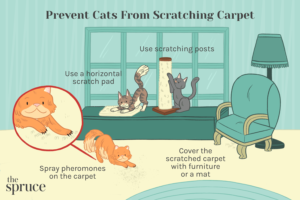
Are you tired of your beautiful leather furniture getting ruined by your cat’s scratching? You’re not alone.
Cats love to scratch—it’s natural for them—but it can be frustrating when your favorite couch or chair ends up covered in claw marks. The good news? You don’t have to choose between keeping your cat happy and protecting your leather.
You’ll discover simple, effective ways to stop your cat from scratching your leather furniture. Keep reading, and you’ll learn how to save your furniture and keep your furry friend content at the same time.
Credit: www.scala-santa.com
Why Cats Scratch Furniture
Cats scratching furniture can be frustrating for pet owners. Understanding why cats scratch helps stop the behavior. Cats do this naturally. It is part of their daily routine and survival instincts. Scratching is not just a bad habit but a necessary action for cats.
Natural Instincts
Scratching comes from a cat’s natural instincts. It helps them stretch their muscles. It also relieves stress and keeps them active. Cats use scratching to exercise their paws and legs. This behavior is found in wild cats too. It is a way to stay healthy.
Marking Territory
Cats scratch to mark their territory. Their paws have scent glands that leave a smell. This smell warns other animals to stay away. Scratching furniture sends a clear message. It shows other cats that this space belongs to them. This is a normal way cats communicate.
Nail Maintenance
Scratching helps cats keep their nails sharp and clean. It removes old nail layers. This keeps nails healthy and ready for hunting or climbing. Without scratching, nails can become too long or weak. Cats need a surface to scratch regularly for nail care.
Signs Your Cat Is Targeting Leather
Noticing signs that your cat targets leather helps stop damage early. Cats scratch to mark territory and sharpen claws. Leather furniture often becomes their favorite spot. Recognizing clues lets you act before harm spreads.
Visible Scratch Marks
Scratches on leather show as light or deep lines. They may peel or crack the surface. Look for rough patches or torn edges. Fresh scratches look sharp and stand out clearly. Older marks might darken or fade but still damage leather.
Behavioral Clues
Watch your cat near the furniture. Does it paw, knead, or scratch the leather? Cats often dig claws repeatedly in one spot. You might hear scratching sounds or see quick paw movements. Some cats rub their faces or bodies on leather to mark scent.
Furniture Damage Patterns
Damage often appears in corners or armrests. Cats prefer these because they are easy to grip. You might see small holes or areas where leather peels away. Damage can grow over time if scratching continues. Notice if the same spots get worse regularly.
Preventive Measures For Leather Protection
Protecting your leather furniture from cat scratches takes a few smart steps. These preventive measures help keep your furniture safe and your cat happy. You can avoid damage by making small changes around your home. Simple tools and ideas work well to protect your leather surfaces.
Use Furniture Covers
Furniture covers act as a strong barrier between your cat’s claws and leather. Choose covers made of thick fabric or plastic. They are easy to remove and clean. Covers protect the furniture without changing its look much. Use them in spots where your cat likes to scratch the most.
Apply Deterrent Sprays
Deterrent sprays keep cats away from leather surfaces. These sprays have smells cats dislike but are safe for furniture and pets. Spray the leather gently and often. The scent helps your cat avoid scratching the protected areas. Always check the spray is safe for leather before use.
Rearrange Furniture Placement
Move leather furniture away from your cat’s favorite play spots. Cats often scratch near windows, doors, or where they climb. Changing the furniture’s position reduces the chance of scratches. Place scratching posts nearby to give cats a better option. This keeps your leather safe and your cat busy.
Redirecting Your Cat’s Scratching
Redirecting your cat’s scratching helps protect your leather furniture. Cats scratch to mark territory and keep their claws sharp. Giving them the right place to scratch stops damage and keeps your cat happy.
Provide Scratching Posts
Place scratching posts near the furniture your cat likes. Choose posts with different textures like sisal or carpet. Make sure the posts are tall enough for your cat to stretch fully. Stable posts prevent tipping and encourage use. Replace worn posts to keep your cat interested.
Use Catnip And Toys
Sprinkle catnip on scratching posts to attract your cat. Catnip encourages playful and scratching behavior in the right spot. Use toys around the posts to make them more fun. Play with your cat near the posts to create positive habits. This increases the chance your cat will use the posts.
Create Attractive Alternatives
Offer cardboard scratchers or scratching mats as extra options. Place them in areas your cat visits often. Change the location if your cat ignores them. Use different shapes and sizes to find what your cat prefers. Bright colors or new scents can also draw attention.
Nail Care And Maintenance
Caring for your cat’s nails is key to protecting leather furniture. Sharp nails can easily scratch and damage leather surfaces. Keeping nails well-maintained reduces this risk. Nail care also keeps your cat comfortable and healthy. It takes little time but makes a big difference in your home.
Regular Nail Trimming
Trim your cat’s nails every two to three weeks. Use a special pet nail clipper for safety. Cut only the sharp tip. Avoid the pink part called the quick. Trimming reduces sharp edges that cause damage. It also stops nails from growing too long and curling.
Soft Nail Caps
Soft nail caps are small covers for your cat’s claws. They stick to the nails with safe glue. Caps stop scratching without hurting your cat. They come in different colors and sizes. Replace them every four to six weeks. Nail caps protect leather and keep your cat playful.
Professional Grooming Options
Professional groomers offer nail care services. They trim nails safely and check for problems. Groomers can apply nail caps if needed. Regular visits keep your cat’s nails in good shape. Professionals handle nervous cats better. Choose a groomer with pet care experience.

Credit: www.sinfoniagulfcoast.org
Training And Behavioral Tips
Training your cat helps protect your leather furniture from scratches. Cats learn best through clear signals and rewards. Teaching them what is okay and what is not changes their behavior over time.
Patience is key. Cats do not change habits overnight. Small, steady steps lead to success.
Positive Reinforcement
Reward your cat for good behavior. Use treats, pets, or kind words. Give rewards right after they stop scratching the furniture. This helps your cat link good actions with rewards. Praise them when they use a scratching post instead.
Discouraging Bad Habits
Stop your cat from scratching leather by making it less fun. Cover the furniture with plastic or double-sided tape. Cats dislike sticky or slippery surfaces. Use a gentle spray with a safe scent cats avoid. Never yell or hit your cat. This causes fear and confusion, not learning.
Consistency In Commands
Use the same words and tone every time you correct your cat. Say “no” or “stop” clearly but calmly. Be quick to correct the behavior. Everyone in the house should use the same commands. This helps your cat understand what is expected.
When To Seek Professional Help
Knowing when to seek professional help is important for stopping cats from scratching leather furniture. Sometimes, home solutions do not work. Cats might keep scratching despite your efforts. This can cause damage and stress for both you and your pet.
Professional help can provide the right guidance and treatment. Experts understand cat behavior and health better. They can find the root cause of scratching and offer effective solutions. Here are signs that show it is time to get expert advice.
Persistent Scratching Issues
Scratching that continues for weeks is a warning sign. It shows your cat is not satisfied with home fixes. Persistent scratching might mean your cat feels anxious or stressed. It can also indicate boredom or a medical problem. If scratching ruins your furniture daily, seek help soon.
Consulting A Veterinarian
A veterinarian can check your cat’s health. Sometimes scratching happens due to skin problems or allergies. The vet can treat infections or parasites causing discomfort. They might also suggest ways to reduce stress in your cat. A check-up helps rule out medical reasons for scratching.
Behaviorist Assistance
A cat behaviorist studies why cats act a certain way. They can teach you how to change your cat’s habits. Behaviorists use training and environmental changes to stop scratching. They help your cat feel safe and calm. Their advice can protect your leather furniture effectively.
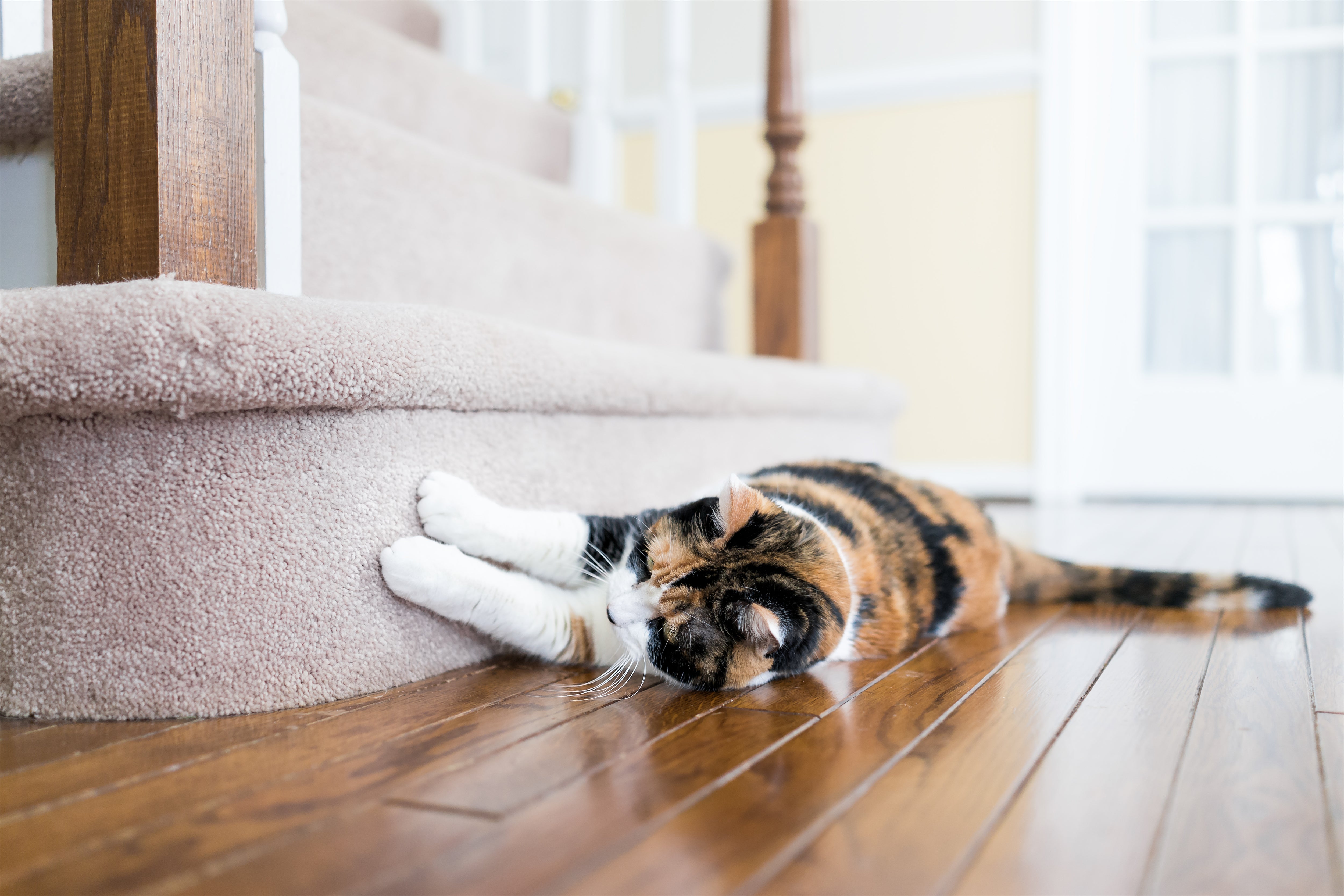
Credit: happyandpolly.com
Frequently Asked Questions
How Can I Protect Leather Furniture From Cat Scratches?
Use scratching posts nearby and cover furniture with protective films or slipcovers.
What Natural Deterrents Stop Cats From Scratching Leather?
Citrus scents, vinegar sprays, or double-sided tape can discourage cats from scratching.
Can Nail Trimming Reduce My Cat’s Scratching Damage?
Yes, regular nail trimming lowers damage by making claws less sharp.
Is Training Effective To Prevent Cats Scratching Leather?
Training with positive reinforcement helps cats learn to avoid furniture.
What Materials Work Best As Cat Scratch Alternatives?
Cardboard and sisal-covered posts attract cats and keep them off furniture.
Should I Use Sprays To Stop Cats Scratching Leather?
Safe, cat-friendly sprays can deter scratching without harming your pet.
Conclusion
Stopping cats from scratching leather takes patience and care. Offer your cat good scratching posts nearby. Use covers or sprays to protect your furniture. Reward your cat when it uses the right spot. Keep nails trimmed to reduce damage. Remember, cats scratch to mark and stretch.
Understanding this helps you find better solutions. Small changes can save your leather from harm. Keep trying different ideas until you find what works. Your furniture will stay safe, and your cat will stay happy. Simple steps make a big difference over time.
As an Amazon Associate, I earn from qualifying purchases.