Training a bird dog can be one of the most rewarding experiences you’ll have as a dog owner. But how do you start?
What steps will help your dog become a reliable hunting partner? If you want clear, simple guidance that gets results, you’re in the right place. This article breaks down the essential techniques to train your bird dog effectively, so you can build a strong bond and enjoy successful outings together.
Keep reading to discover the secrets that make training easier and more enjoyable for both you and your dog.
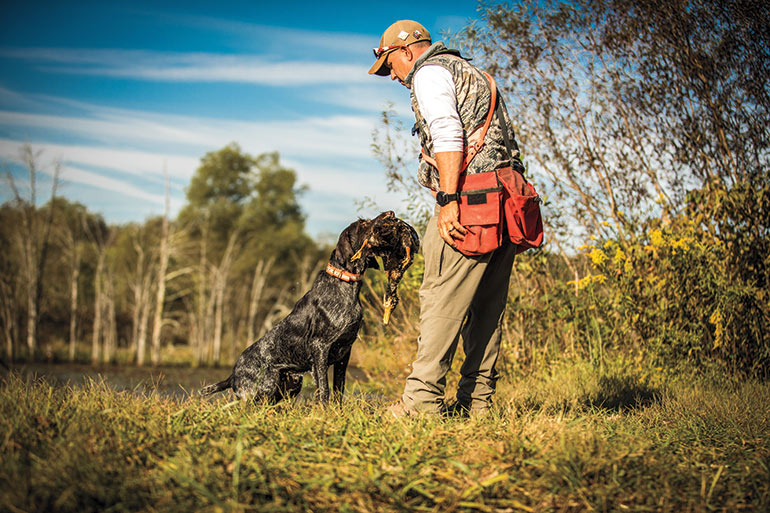
Credit: www.gundogmag.com
Choosing The Right Bird Dog
Choosing the right bird dog is the first step in successful training. The dog must fit the type of hunting and the environment. Picking a dog that matches your needs makes training easier and more fun. The right dog learns faster and works better in the field.
Focus on three main things: breed selection, age and temperament, and health considerations. Each affects how well your dog performs. Knowing these helps you find a great hunting partner.
Breed Selection
Some breeds are better for bird hunting than others. Popular bird dogs include pointers, setters, and retrievers. These breeds have a natural instinct to find and point birds. They also have good energy and endurance for long hunts. Choose a breed known for its hunting skills and strong nose.
Age And Temperament
Puppies are easier to train but need more time and patience. Older dogs may have some training already. Temperament matters a lot. Look for a dog that is calm but alert. A bird dog must stay focused and follow commands well. Avoid dogs that are too shy or too aggressive.
Health Considerations
Healthy dogs train better and last longer in the field. Check for clear eyes, clean ears, and a shiny coat. Make sure the dog has no signs of illness or injury. Ask a vet to check the dog before you buy. A strong, healthy dog will handle the demands of hunting well.
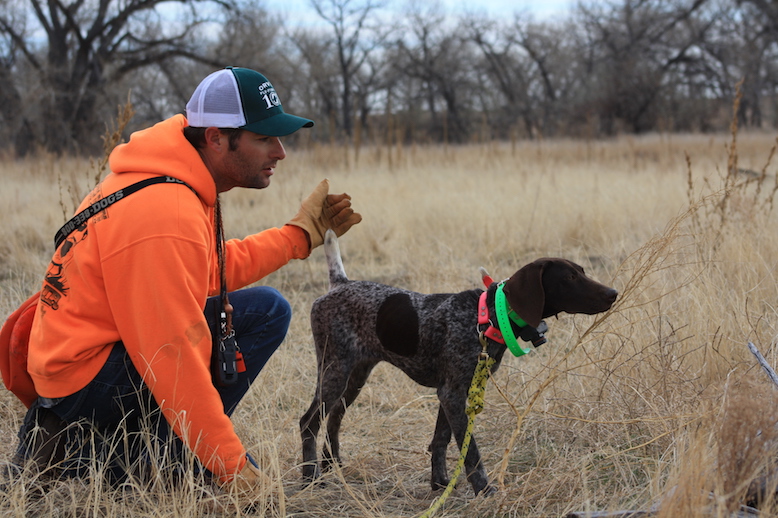
Credit: www.valhallakennels.com
Basic Training Principles
Training a bird dog starts with a strong foundation. Basic training principles help you guide your dog clearly. These principles build good habits early. They make learning easier for your dog. Every step should be simple and clear. Follow these key principles to train effectively.
Consistency And Patience
Consistency means doing the same training every day. Your dog learns faster with regular practice. Use the same commands and actions each time. Patience is important too. Dogs need time to understand new skills. Repeat training calmly and give your dog breaks. Don’t rush the process. Steady effort brings the best results.
Positive Reinforcement
Positive reinforcement means rewarding good behavior. Treats, praise, or toys work well. Rewards help your dog know what you want. Avoid punishment or harsh words. They can scare or confuse your dog. Celebrate small wins often. This makes training fun and effective. Your dog will want to learn more.
Setting Realistic Goals
Set small, clear goals for each training session. Start with simple commands like “sit” or “stay.” Gradually increase difficulty as your dog improves. Realistic goals keep your dog motivated. They prevent frustration for you and your dog. Track progress and adjust goals as needed. Training should feel like a steady journey.
Early Socialization
Early socialization is a key step to raise a well-behaved bird dog. It helps the dog learn how to act around people, animals, and new places. This stage builds confidence and reduces fear. A socialized dog listens better and adapts quickly to training. Start socialization early for the best results.
Introducing To People And Animals
Expose your bird dog to different people. Include men, women, and children in meetings. Let the dog sniff and get comfortable. Meet other dogs and small animals too. This teaches the dog to be calm and friendly. Avoid forcing interactions. Let the dog approach at its own pace.
Exposure To Different Environments
Take your bird dog to varied places. Parks, busy streets, farms, and quiet woods work well. Each new place offers sights, sounds, and smells. This helps the dog stay calm in new settings. Carry treats and praise for good behavior. Slowly increase the time spent in each spot. This builds trust and curiosity in your dog.
Obedience Training
Obedience training builds a strong bond between you and your bird dog. It teaches your dog to listen and follow your commands. This makes hunting safer and more enjoyable. Start with simple lessons and be patient. Consistency is the key to good behavior.
Training your bird dog in obedience helps it focus during hunts. It also keeps the dog under control in busy areas. A well-trained dog is a happy and confident companion.
Basic Commands
Teach your bird dog simple commands first. Use words like “sit,” “stay,” “come,” and “heel.” Repeat commands clearly and calmly. Reward your dog with treats or praise when it obeys. Practice often in quiet places before moving outside. This helps your dog understand and remember commands better.
Leash Training
Leash training stops pulling and wandering during walks. Use a short leash at first to keep control. Walk slowly and stop if the dog pulls. Encourage your dog to walk beside you. Give treats when your dog stays close. This training makes hunting trips safer and easier to manage.
Recall Practice
Recall means your dog comes back when called. Start recall training in a fenced area for safety. Use a clear, happy voice and say “come.” Reward your dog immediately when it returns. Practice recall in different places and with distractions. A strong recall keeps your bird dog safe in the field.
Field Training Techniques
Field training techniques help bird dogs learn important skills for hunting. These methods focus on using natural instincts and guiding dogs with clear commands. Training in real outdoor settings allows dogs to get used to scents and birds.
Effective field training improves the dog’s ability to find, point, and retrieve birds. It also builds steady behavior, which is key during hunts. Patience and repetition play big roles in helping dogs learn these tasks well.
Introducing Scent And Bird Exposure
Start by letting your dog smell bird scents. Use feathers or scent sprays on the ground. This teaches dogs to recognize bird smells in nature.
Next, expose the dog to live birds in a controlled area. Allow the dog to watch birds fly and move. This sparks interest and encourages natural hunting instincts.
Marking And Pointing Skills
Marking means watching where birds land or fly away. Teach your dog to freeze and point at the bird’s location. This helps hunters find the bird easily.
Practice pointing by tossing a dummy or bird wing. Reward the dog for staying still and holding the point. This builds focus and discipline during hunts.
Steadiness And Retrieving
Steadiness means the dog waits calmly until given a command. Train your dog to stay steady before flushing or shooting. This keeps the dog safe and controlled.
Retrieving teaches the dog to bring back the bird after it is shot. Use soft dummies first, then real birds. Praise your dog for quick and gentle returns.
Advanced Training Strategies
Advanced training strategies build on basic skills. They prepare your bird dog for real hunting situations. These techniques improve focus, obedience, and control. Training at this level requires patience and consistency. Practice regularly to see steady progress.
Handling Distractions
Bird dogs face many distractions outdoors. Sights, sounds, and smells can break their focus. Teach your dog to stay calm near distractions. Start with mild distractions and increase gradually. Use commands like “stay” and “focus” firmly. Reward calm behavior to encourage attention.
Long-distance Control
Hunting often needs commands from far away. Train your dog to respond to long-distance signals. Use whistle commands or hand signals clearly. Begin training at short distances and increase slowly. This skill keeps your dog safe and effective. Consistent practice helps your dog understand and obey.
Blind Retrieves
Blind retrieves challenge your dog’s memory and trust. The dog retrieves unseen birds based on your direction. Teach your dog to follow pointing and whistle commands. Start with short distances and simple directions. Gradually increase distance and complexity. This skill is vital for advanced hunting success.
Common Training Challenges
Training a bird dog comes with several common challenges. These hurdles can slow progress but understanding them helps trainers stay patient. Knowing how to handle issues allows for a smoother training journey. Bird dogs need clear guidance and consistent effort to learn well.
Overcoming Fear And Anxiety
Some bird dogs feel scared during training. Loud noises or new places may cause anxiety. To help, start in a calm, quiet space. Use gentle words and slow movements. Let the dog explore at its own pace. Praise small steps to build confidence. Avoid forcing the dog into stressful situations. Gradual exposure reduces fear and builds trust.
Correcting Unwanted Behaviors
Bird dogs may show bad habits like chewing or barking. These behaviors distract from training goals. Use clear commands to stop unwanted actions. Reward good behavior with treats or praise. Consistency is key to change habits. Ignore minor misbehaviors instead of giving attention. Replace bad habits with positive activities. Patience helps the dog learn what is right.
Dealing With Stubbornness
Some dogs resist commands and seem stubborn. They may ignore instructions or refuse to cooperate. Stay calm and firm during training sessions. Break tasks into smaller, easy steps. Keep training sessions short but frequent. Use rewards to motivate the dog. Avoid punishment, which may cause fear. Understanding the dog’s mood helps improve cooperation.
Maintaining Training Progress
Maintaining your bird dog’s training progress is vital for long-term success. Training is not a one-time event. It requires ongoing effort to keep skills sharp and behaviors consistent. Regular attention prevents backsliding and builds stronger habits. Consistency helps your dog stay focused and ready for work.
Regular Practice Sessions
Set aside time for daily practice. Short, frequent sessions work best. Practice basic commands and hunting skills. Repeat exercises to reinforce good behavior. Avoid long sessions that tire your dog. Keep training fun and positive. Praise your dog for every success.
Physical Conditioning
Bird dogs need good physical health. Exercise your dog with walks and runs. Strong muscles improve endurance and agility. Regular conditioning reduces injury risk. Include activities like swimming or fetch. Keep your dog active even outside training. A fit dog performs better in the field.
Mental Stimulation
Training your bird dog also means feeding its mind. Use puzzle toys and scent games. Change routines to challenge your dog. Mental exercises prevent boredom and destructive behavior. Teach new commands or tricks regularly. A sharp mind helps your dog learn faster. Keep training interesting and varied.
Tools And Equipment
Training a bird dog requires the right tools and equipment. These items help guide your dog and make training sessions effective. Using proper tools keeps your dog safe and comfortable. It also helps you control the dog during practice.
Training Collars And Leashes
Training collars help with communication between you and your dog. Use collars designed for training, like flat or martingale collars. Avoid using choke chains or prong collars, as they can hurt your dog.
Leashes keep your dog close and under control. A 6-foot leash works well for basic training. Longer leashes, like 15 or 20 feet, allow more freedom during advanced training. Choose a strong leash that does not easily break.
Retrieving Dummies And Birds
Retrieving dummies teach your bird dog to carry and fetch. These dummies come in different sizes and materials, like canvas or rubber. Use dummies that mimic the weight and feel of real birds.
Using real birds helps your dog learn natural hunting skills. Start with dead birds, like pigeons or quail. Always handle birds safely and clean up after training sessions.
Safety Gear
Safety gear protects your dog during training. Reflective vests make your dog visible in low light. Booties protect their paws from rough terrain or sharp objects.
Carry a first aid kit for emergencies. Have water and a bowl to keep your dog hydrated. Safety gear helps prevent injuries and keeps training safe and fun.
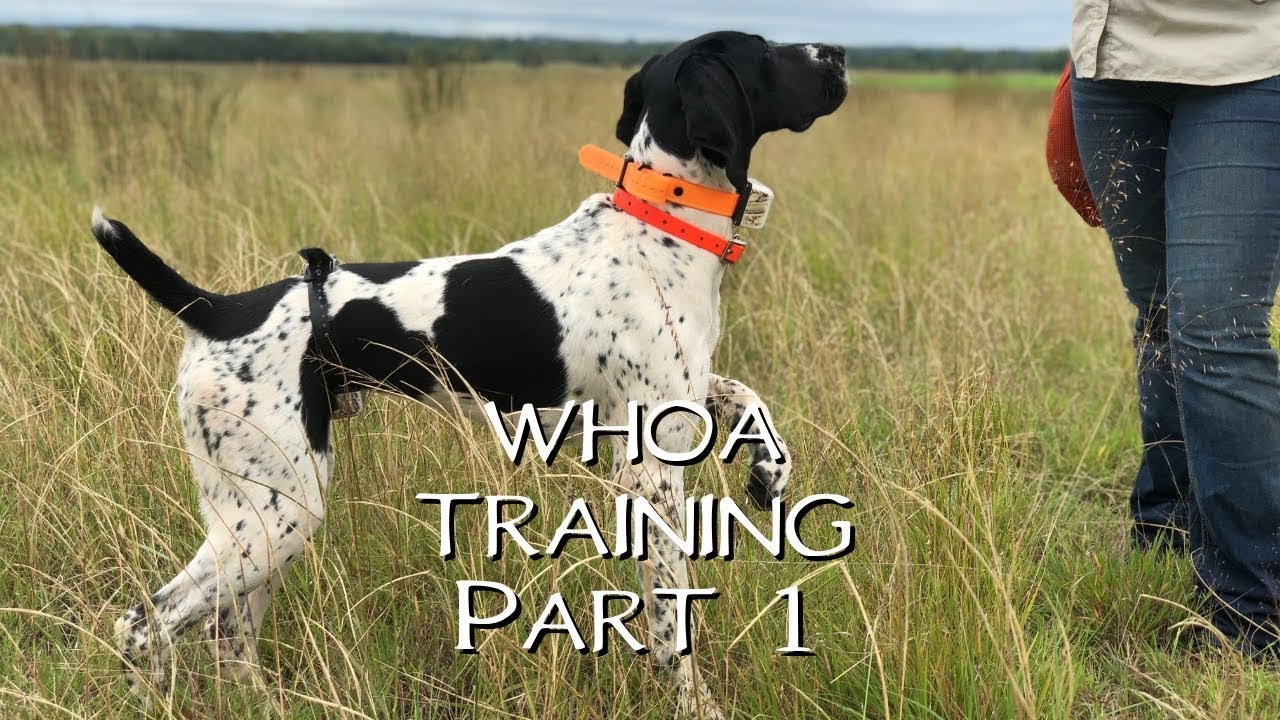
Credit: www.youtube.com
Working With Professional Trainers
Training a bird dog can be challenging. Professional trainers bring experience and skills that help your dog learn faster. They know how to teach commands, improve obedience, and develop hunting skills. Working with a trainer can save time and reduce frustration. It also ensures your dog trains safely and correctly.
When To Seek Help
Some signs show you need a trainer’s help. Your dog may not respond to basic commands. Training might stall or become confusing. Behavioral problems can slow progress. Trainers can fix these issues early. They provide guidance when you feel stuck or unsure.
Choosing A Trainer
Pick a trainer with experience in bird dogs. Check their background and reviews. Ask about their training methods. Look for someone patient and clear. Choose a trainer who uses positive, reward-based techniques. Avoid harsh or outdated training styles. The right trainer builds trust with your dog.
Collaborating On Training Plans
Work closely with the trainer on your dog’s plan. Share your goals and your dog’s habits. Trainers tailor sessions to your dog’s needs. Regular updates help track progress. You can learn techniques to practice at home. Teamwork improves your dog’s skills faster. Consistency between you and the trainer is key.
Frequently Asked Questions
What Is The First Step To Train A Bird Dog?
Start with basic obedience commands like sit, stay, and come to build good behavior.
How Long Does Bird Dog Training Usually Take?
Training takes several months, depending on the dog’s age and learning speed.
What Tools Are Needed To Train A Bird Dog?
Use a leash, whistle, training collar, and bird wings or dummies for practice.
How Do You Teach A Bird Dog To Point?
Encourage the dog to stop and hold position when it smells birds nearby.
Can Bird Dogs Learn To Retrieve Birds?
Yes, teach them to gently carry birds back using positive rewards and practice.
How Important Is Socializing A Bird Dog During Training?
Socializing helps dogs stay calm and focused around other dogs and people.
Conclusion
Training a bird dog takes time and patience. Start with basic commands and build trust. Use treats and praise to encourage good behavior. Practice often in different places to help your dog learn. Keep sessions short to hold their attention.
Remember, every dog learns at its own pace. Enjoy the process and celebrate small successes. A well-trained bird dog becomes a loyal, helpful companion. Stay consistent and kind throughout the journey. Your efforts will pay off with a happy, skilled dog by your side.
As an Amazon Associate, I earn from qualifying purchases.