Have you ever wondered how a cat manages to catch and kill a rat so quickly? If you’ve seen it happen, you know there’s more to it than just luck.
Your curiosity about this natural hunting skill can reveal surprising facts about a cat’s instincts and abilities. You’ll discover the steps a cat takes to hunt a rat, why they are so effective, and what makes them such skilled predators.
Keep reading—you might be amazed at how much you didn’t know about your feline friend’s secret talents.
Credit: articles.hepper.com
Cat’s Hunting Instincts
Cats have strong hunting instincts. These instincts help them catch prey like rats. Hunting is natural for cats, even those that live indoors. Their body and mind work together to track and catch rodents. Understanding these instincts shows how cats kill rats effectively.
Evolution Of Predatory Behavior
Cats evolved as hunters over millions of years. Their ancestors hunted small animals to survive. These skills passed down to today’s domestic cats. Hunting is part of their DNA, not just a habit. Their sharp claws and teeth help catch and kill prey. Cats also learned to move quietly and quickly. These traits make cats skilled hunters of rats.
Key Senses In Hunting
Cats use their senses to find and catch rats. Their eyesight is excellent, especially in low light. Cats can see small movements from far away. Their hearing is sharp and detects even soft sounds. Cats hear the tiny steps or squeaks of rats. Their sense of smell helps locate hidden prey. Whiskers detect small changes in the air. These senses work together to guide a cat’s attack.
Spotting The Rat
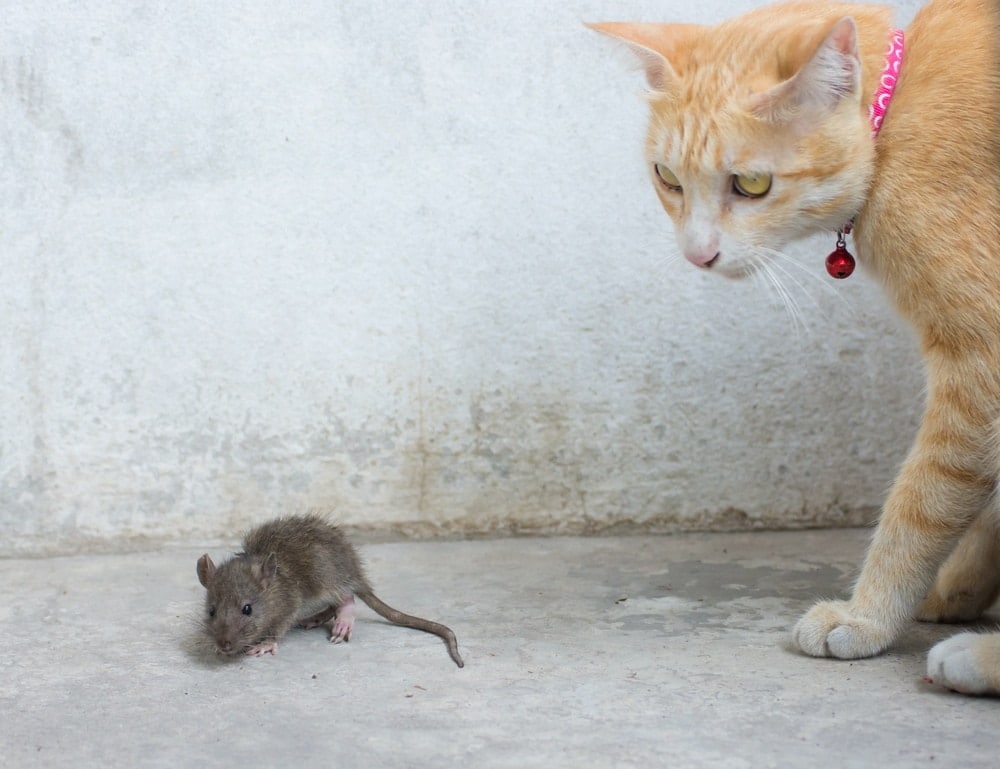
Cats are natural hunters. They use sharp senses to find rats. Spotting the rat is the first step in the hunt. Cats rely on their eyes, ears, and nose. These senses help them detect rats even in dark places. Understanding how cats spot rats shows their hunting skill.
Visual And Auditory Detection
Cats have excellent eyesight. They see well in low light. This helps them spot rats at dawn or dusk. Cats notice small movements quickly. A twitch of a tail or a scurry catches their eye. They also listen carefully. Their ears catch tiny sounds like squeaks or rustling. This lets cats locate rats hiding nearby.
Scent Tracking Techniques
Cats use their strong sense of smell. They pick up the scent of rats easily. Even if the rat is hidden, the cat can detect its trail. Cats sniff the ground and air. They follow the scent to find where the rat is. This helps cats hunt in places they cannot see well.
Stalking Strategies
Cats use smart stalking strategies to catch rats. They stay quiet and watch closely. Their goal is to get as close as possible without being seen or heard. This careful approach increases the chance of a successful hunt. Let’s explore how cats move silently and pick the perfect moment to strike.
Silent Movements
Cats walk softly on their toes. Their paws have soft pads that help reduce noise. They keep their bodies low and steady. This silent movement helps cats avoid alerting the rat. Even small sounds can scare the rat away. Cats use slow, smooth steps to stay hidden.
Choosing The Right Moment
Cats watch the rat’s behavior carefully. They wait for the rat to pause or become still. This moment is perfect for a quick attack. Cats do not rush; they stay patient. Timing is key to catching the rat off guard. A sudden, fast move often ensures the hunt ends quickly.
The Pounce And Capture
The moment a cat decides to catch a rat, it uses a quick and sharp move called the pounce. This action is key to how cats catch their prey. The cat watches the rat closely, then leaps forward with speed and accuracy. This surprise attack gives the cat the best chance to grab the rat before it escapes.
The pounce shows the cat’s strong hunting skills. It must be fast and exact. The cat’s body is ready to spring at the right time. This helps the cat catch the rat in a single swift move.
Precision In Attack
The cat’s pounce is all about precision. It waits quietly, studying the rat’s moves. Then, it jumps exactly where the rat is, not near it. This accuracy stops the rat from running away. The cat’s eyes and body work together. This makes the attack sharp and effective.
Using Claws And Teeth
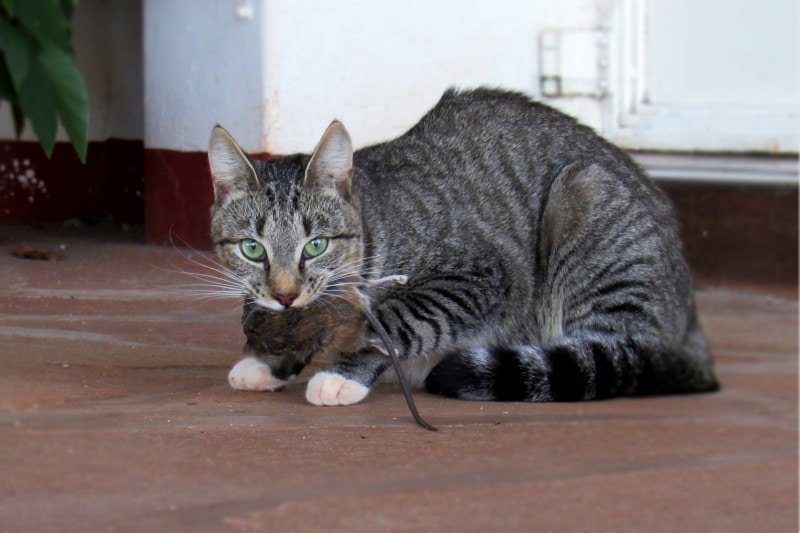
After the pounce, the cat uses its claws and teeth to hold the rat. The claws grab the rat tightly to stop it moving. Then, the cat bites the rat’s neck. This bite is quick and strong. It stops the rat fast. The claws and teeth work as a team to finish the catch.
Killing Methods
Cats use several methods to kill rats. These methods are quick and effective. Their skills come from natural hunting instincts. Each step helps the cat catch and kill its prey.
Understanding these methods shows how cats survive and control pests. It also explains why cats are good hunters.
Bite To The Neck
Cats often bite the rat’s neck to kill it. This bite targets the spine or throat. It stops the rat from moving fast. The bite is strong and precise. It causes quick death or unconsciousness. This method prevents the rat from escaping.
Immobilizing The Prey
Before the final bite, cats must hold the rat still. They use their sharp claws to grab and hold the rat. Cats pin the rat down on the ground. This keeps the rat from fighting back. Immobilizing the prey makes the kill safer for the cat. It stops the rat from causing injury.
Post-kill Behavior
After a cat kills a rat, its behavior changes. This post-kill phase shows instinct and survival skills. Cats act differently depending on the situation. They may not eat the rat right away. Sometimes, they play with the prey first. Other times, they start eating quickly. Observing these actions helps understand cats better.
Playing With The Prey
Cats often play with a rat after killing it. They may bat it with their paws or toss it in the air. This behavior hones their hunting skills. It also helps the cat feel in control. Playing can seem cruel but is natural for cats. They test the rat’s movements and strength. This phase can last several minutes or longer.
Eating Habits
After playing, cats may begin eating the rat. Some cats eat the whole rat. Others eat only parts like the head or organs. Cats prefer fresh kills and may eat immediately. Sometimes, they leave the prey for later. This habit depends on hunger and environment. Eating rats gives cats protein and nutrients. It is a natural part of their diet.
Factors Influencing Success
Cats hunting rats depends on many factors. These influence how well a cat can catch and kill a rat. Understanding these factors helps explain why some cats succeed more than others. Age and experience shape a cat’s skill. The environment also plays a big role in the hunt.
Age And Experience
Young cats lack the skill older cats have. They may chase rats but miss the kill. Older cats learn better stalking and pouncing techniques. Experience teaches them when to strike and how to hold the rat. A cat that has caught rats before is faster and more precise. This skill improves with time and practice.
Environmental Conditions
The place where the hunt happens affects success. Rats hide in dark, tight spaces. Cats do better in open or cluttered areas where they can stalk easily. Poor lighting can help the rat escape. Weather matters too. Rain or cold can slow a cat down. Quiet surroundings help cats hear rat movements better. Safe cover helps cats approach without being seen.
Credit: www.smithsonianmag.com
Surprising Hunting Secrets
Cats have hunting skills that surprise many. They use clever tricks to catch rats. These skills are not just about speed. Cats rely on patience, timing, and special adaptations. These secrets help cats hunt rats effectively.
Use Of Patience And Timing
Cats wait quietly before they strike. They watch their prey for a long time. They know the best moment to attack. Cats stay still and calm to avoid being noticed. Then, they pounce with quick and precise moves. This patience increases their chances of success.
Adaptations To Different Rat Species
Cats change their hunting style for different rats. Some rats are fast, others hide well. Cats adjust their approach based on the rat’s size and speed. They use their sharp senses to track rats in dark places. Their flexible hunting skills help them catch many types of rats.
Credit: www.catster.com
Frequently Asked Questions
How Does A Cat Catch A Rat Quickly?
Cats use sharp claws and fast reflexes to catch rats before they escape.
What Body Parts Help A Cat Kill A Rat?
Cats use their teeth, claws, and strong muscles to kill rats effectively.
Why Do Cats Prefer Hunting Rats Over Other Pests?
Rats are easy targets and provide a good source of food for cats.
How Do Cats Use Their Senses To Find Rats?
Cats rely on keen hearing, sharp eyesight, and a strong sense of smell.
Can All Cats Kill Rats Or Only Some Breeds?
Most cats can kill rats, but hunting skills vary by experience and instinct.
How Long Does It Take For A Cat To Kill A Rat?
A cat can kill a rat in seconds or a few minutes, depending on the rat’s size and fight.
Conclusion
Cats use sharp claws and quick moves to catch rats. They watch closely and wait for the right moment. Then, they pounce fast to stop the rat from running. This hunting skill helps cats stay safe and keep homes free from pests.
Understanding how cats catch rats shows their natural hunting talent. Watching this can be both interesting and useful for people with rat problems. Cats are natural hunters, and their methods work well. This makes them good at controlling rat populations.
As an Amazon Associate, I earn from qualifying purchases.