Have you ever wondered how quickly your cat’s hair grows back after a trim or a shed? Understanding the speed of cat hair growth can help you take better care of your furry friend’s coat and keep them looking their best.
Whether you’re dealing with shedding, grooming, or just curious about your pet’s fur, knowing how fast cat hair grows can give you peace of mind. Keep reading, and you’ll discover the surprising facts about your cat’s hair cycle and what affects its growth.
This knowledge will help you stay ahead in your pet care routine and make your cat even happier.

Credit: www.youtube.com
Cat Hair Growth Basics
Cat hair grows in a natural cycle. Understanding this cycle helps explain how fast cat hair grows. It also shows why some cats shed more than others.
Cat hair growth depends on many factors. These include health, breed, and the environment. Knowing these basics helps you care better for your cat’s coat.
Hair Growth Cycle In Cats
Cat hair grows in three stages. The first is the anagen phase. This is when hair actively grows. It lasts weeks to months depending on the cat.
The second stage is catagen. Hair stops growing but stays in the follicle. This phase lasts a few weeks only.
The last stage is telogen. Hair rests and then falls out. New hair starts growing after this phase ends.
Factors Affecting Hair Growth
Breed plays a big role in hair growth speed. Long-haired cats grow hair slower than short-haired cats. Health is another key factor. Illness or poor diet can slow hair growth.
Season changes affect shedding and growth. Cats grow thicker coats in winter. They shed more in spring to prepare for warmer weather.
Stress and age also influence hair growth. Older cats and stressed cats may have slower hair growth. Proper care helps maintain healthy hair growth rates.
Average Growth Rate Of Cat Hair
Cat hair grows at a steady pace to keep your feline friend warm and comfortable. Understanding the average growth rate helps you care for their coat better. This knowledge also explains why shedding varies at different times.
Growth Speed Compared To Humans
Cat hair grows faster than human hair. On average, cat hair grows about half an inch each month. Human hair grows roughly one-quarter inch per month. This faster growth helps cats replace lost fur quickly. It also supports their natural shedding cycle.
Variations By Breed And Age
Not all cats have the same hair growth rate. Some breeds grow hair faster than others. Long-haired cats often have quicker hair growth than short-haired cats. Age also affects growth speed. Younger cats usually grow hair faster than older ones. Older cats may experience slower or thinner hair growth. These factors influence how often grooming is needed.
Impact Of Nutrition On Hair Growth
Nutrition plays a big role in how fast cat hair grows. Good food helps cats build strong, healthy fur. Poor nutrition can slow growth and make fur weak or dull. The right diet gives cats the fuel to grow thick, shiny coats.
Essential Nutrients For Healthy Fur
Proteins are the building blocks of cat hair. Cats need high-quality protein to make new hair cells. Fatty acids, like omega-3 and omega-6, keep the skin healthy and hair soft. Vitamins such as A, E, and biotin help maintain hair strength and shine. Minerals like zinc and copper support hair growth and repair. A balanced mix of these nutrients is key for a healthy coat.
How Diet Influences Hair Quality
A poor diet can cause fur to become brittle and fall out. Cats eating low-nutrient food may have slow hair growth. Proper nutrition improves hair texture, making it smooth and glossy. Water intake also affects fur health by keeping skin hydrated. Feeding cats a balanced diet helps maintain their natural beauty and fur condition.
Credit: www.aumuca.com
Seasonal Changes And Hair Growth
Cats’ hair growth changes with the seasons. Their fur grows thicker or thinner depending on the time of year. These changes help cats stay warm in winter and cool in summer. Understanding seasonal hair growth helps pet owners care for their cats better.
Shedding Patterns Through The Year
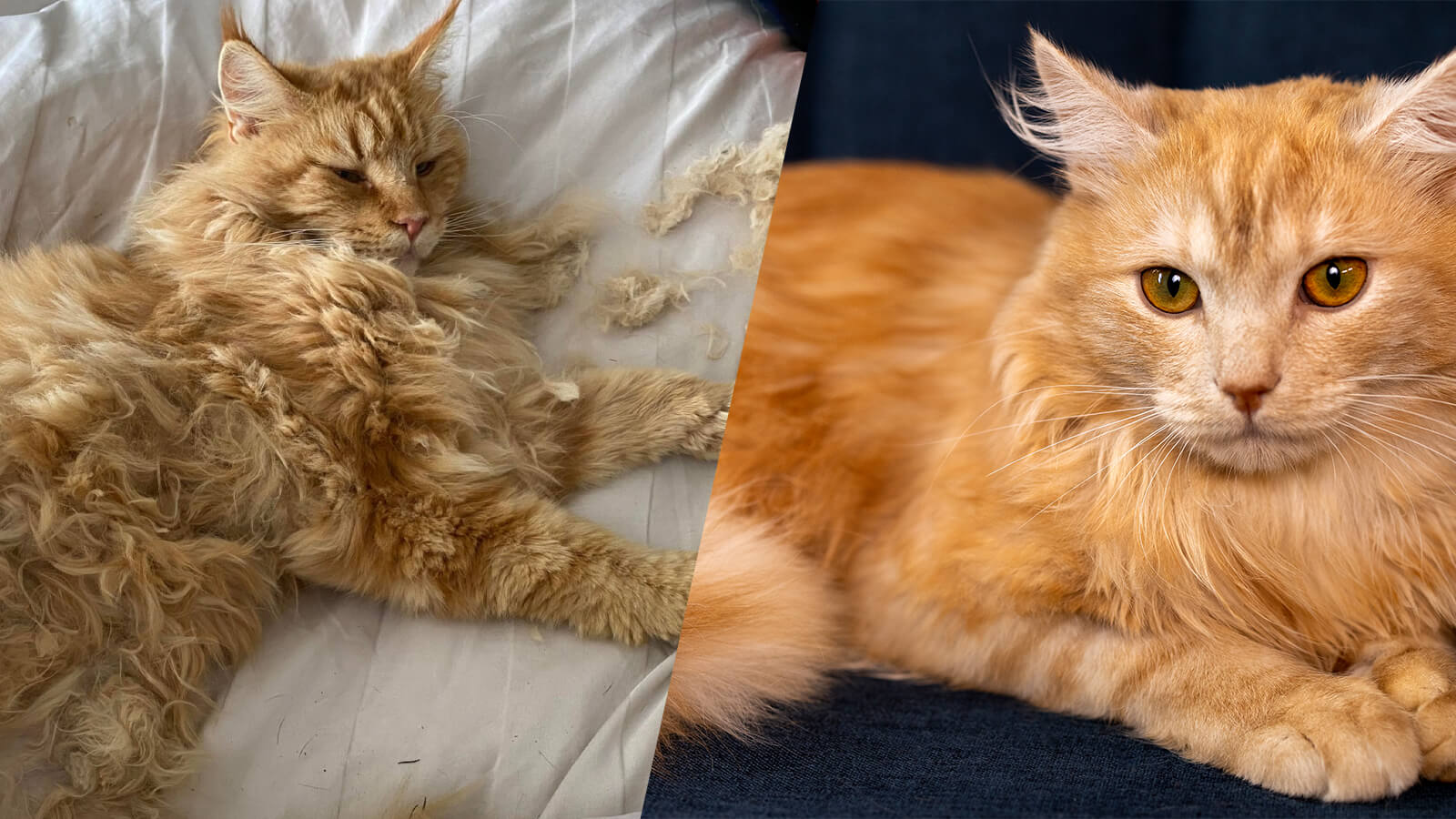
Cats shed their fur to adjust to temperature changes. In spring, they lose old, thick fur to prepare for warmer weather. Shedding increases, and loose hair may appear everywhere. In autumn, cats grow new, thicker fur to stay warm. Shedding slows down during colder months.
How Weather Affects Fur Density
Cold weather makes cats grow dense, soft undercoats. This extra fur traps heat near their skin. Warm weather causes cats to shed this thick fur. Their coat becomes lighter and less dense. Changes in daylight also signal cats to adjust their fur density.
Health Issues Affecting Hair Growth
Cat hair grows at different speeds depending on the cat’s health. Some health problems slow down hair growth. These problems may cause hair to fall out or stop growing. Knowing about these issues helps you care for your cat better.
Healthy skin is key for good hair growth. If your cat has skin problems, hair may not grow well. Many health issues affect the skin and fur.
Common Skin Conditions
Many cats suffer from skin issues that affect hair growth. Fleas and mites cause itching and hair loss. Ringworm is a fungal infection that makes patches of fur fall out. Allergies can make skin red and dry, stopping hair from growing properly. These conditions need quick treatment to protect your cat’s fur.
Signs Of Hair Growth Problems
Watch for bald spots or thin fur on your cat. Scratching or biting the same spot often means skin trouble. Red or flaky skin shows irritation. Slow hair regrowth after a scratch or cut is a warning sign. Early detection helps treat problems before hair loss gets worse.
Credit: www.reddit.com
Tips To Support Healthy Cat Hair Growth
Supporting healthy hair growth in cats takes simple daily habits. Good care helps your cat’s coat stay shiny and strong. Healthy hair grows faster and looks better. Small changes in grooming and diet can make a big difference.
Focus on gentle care and proper nutrition. A calm routine keeps your cat happy and stress-free. Stress can slow hair growth and cause shedding. Use these tips to keep your cat’s hair healthy and thick.
Grooming Techniques
Brush your cat regularly to remove loose hair. This stops mats and tangles from forming. Use a brush that fits your cat’s fur type. Short-haired cats need softer brushes. Long-haired cats need wide-toothed combs.
Grooming also spreads natural oils across the fur. These oils keep the hair soft and shiny. Clean your cat’s ears and eyes gently during grooming. Check for skin problems like dryness or redness.
Supplements And Care Practices
Feed your cat a balanced diet rich in vitamins and minerals. Protein is key for strong hair. Omega-3 and Omega-6 fatty acids improve coat health. These come from fish oils or flaxseed.
Talk to your vet before adding supplements. Some vitamins in excess can harm your cat. Regular vet visits help catch skin or health issues early. A healthy cat grows healthy hair.
Frequently Asked Questions
How Fast Does Cat Hair Typically Grow?
Cat hair grows about 1/4 inch (6 mm) per month on average.
Does Cat Hair Growth Speed Vary By Breed?
Yes, some breeds like Persians grow hair slower than others like Maine Coons.
What Factors Affect How Fast Cat Hair Grows?
Nutrition, health, age, and season can all impact cat hair growth speed.
How Long Does It Take For Cat Fur To Fully Regrow?
Complete regrowth usually takes several months, often around 3 to 6 months.
Can Grooming Influence Cat Hair Growth Rate?
Regular grooming helps remove dead hair, promoting healthier and sometimes faster hair growth.
Why Does Cat Hair Growth Slow Down Sometimes?
Illness, poor diet, stress, or aging can cause a slower hair growth rate.
Conclusion
Cat hair grows at different speeds depending on breed and health. Regular grooming helps keep your cat’s coat smooth and healthy. Diet and environment also affect hair growth rates. Understanding these factors helps you care better for your cat. Watch for changes in shedding or fur quality.
These signs can show health issues early. Keep your cat comfortable and well-groomed for a shiny coat. Hair growth is natural but needs attention. Caring for your cat’s fur supports their overall well-being. A healthy coat means a happy cat.
As an Amazon Associate, I earn from qualifying purchases.