If you’ve just welcomed a litter of kittens into your home, you’re probably wondering when it’s safe to have your cat spayed. Knowing the right time to spay your cat after she has kittens is important for her health and future well-being.
You want to protect her from unnecessary risks while also preventing more unexpected litters. You’ll discover exactly how long you should wait before scheduling the surgery and what factors to consider. Keep reading to make the best choice for your cat and her kittens.
Timing For Spaying After Kittens
Knowing the right time to spay a cat after she has kittens is important. Spaying too soon or too late can affect her health and recovery. This section explains the best timing for spaying a mother cat after giving birth.
Ideal Waiting Period
The best time to spay a cat is usually after her kittens stop nursing. This means waiting until the kittens are around eight weeks old. By this time, the mother cat has had time to recover from birth. Her body is stronger and ready for surgery. Waiting also helps the kittens to grow and eat solid food.
Factors Influencing Timing
Several things affect when to spay a mother cat. Her health is the most important factor. If she had a difficult birth, more healing time is needed. The kittens’ health matters too. If the kittens are weak, waiting longer is safer. Your vet may suggest a different time based on these factors. Each cat is different and needs individual care.
Health Benefits Of Spaying
Spaying a cat after she has kittens offers many health benefits. It helps keep her safe and healthy for a longer time. The surgery stops her from having more litters, which can be hard on her body. Spaying also lowers the risk of serious health problems. It can improve her mood and behavior, making life easier for both cat and owner.
Prevention Of Health Issues
Spaying greatly reduces the chance of uterine infections. It also lowers the risk of breast tumors, which are often cancerous. The surgery removes the organs that cause these problems. Cats that are spayed live longer and healthier lives. It prevents complications that come from repeated pregnancies.
Behavioral Improvements
Spayed cats usually become calmer and less aggressive. They stop going into heat, which reduces loud yowling and restlessness. Spaying also lowers the urge to roam far from home. This helps prevent fights with other animals and accidents. Overall, spayed cats are easier to live with and more content.
Risks Of Early Spaying
Spaying a cat soon after she has kittens can cause risks. The mother cat’s body needs time to heal from birth. Early spaying might create health issues or slow recovery. Understanding these risks helps pet owners decide the best time for surgery.
Potential Complications
Spaying too early can cause bleeding problems during surgery. The uterus may still be large and fragile after birth. This increases the chance of injury and infection. Hormone levels are still changing, which can affect healing. Early spaying might also lead to weaker immune response.
Recovery Considerations
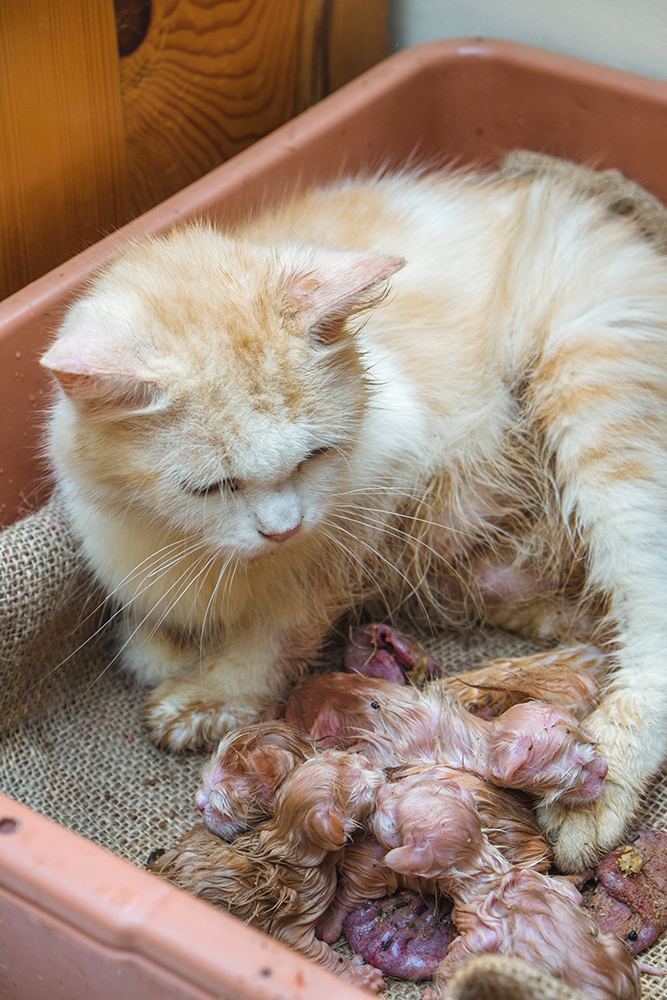
The cat needs extra care after early spaying. Healing may take longer than usual. She could feel more pain or stress. The risk of wound complications is higher. Proper rest and a quiet space are important for recovery. Monitoring her health closely can prevent serious problems.
Credit: entre-couette-et-bulles.com
Preparing Your Cat For Surgery
Preparing your cat for surgery is important for her health and safety. It helps her recover faster and reduces risks during the operation. Proper care before and after the surgery supports her well-being.
Pre-surgery Care
Keep your cat calm and quiet before surgery. Avoid feeding her for at least eight hours before the operation. Provide fresh water until a few hours before surgery. Create a comfortable, warm resting space. Follow the vet’s instructions carefully. Inform the vet about any medications your cat takes. Check that your cat is healthy and active the day before surgery.
Post-surgery Care Tips
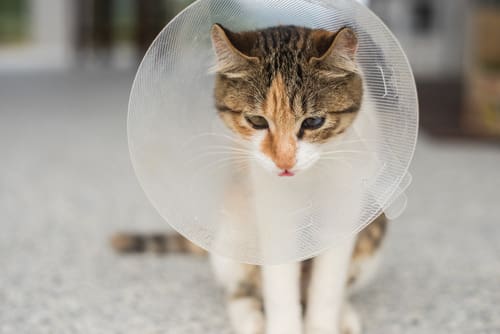
Keep your cat indoors and quiet after surgery. Watch for signs of pain or infection. Give medicines exactly as the vet prescribes. Prevent your cat from licking or scratching the wound. Use an Elizabethan collar if needed. Offer small, light meals at first. Keep the recovery area clean and warm. Contact the vet if you notice unusual swelling, bleeding, or behavior changes.
Alternatives To Immediate Spaying
After a cat has kittens, spaying is important to prevent more litters. Sometimes, spaying cannot happen right away. There are other ways to manage your cat’s health and avoid pregnancy during this time. These alternatives help care for your cat until spaying is possible.
Temporary Contraceptive Options
Temporary contraceptives delay a cat’s heat cycles. These include hormone injections or pills. They lower the chance of pregnancy for a short time. This method is not a permanent solution. Use only under a vet’s guidance to avoid side effects. It helps manage the cat’s reproductive cycle safely until spaying.
Managing Future Pregnancies
Preventing future pregnancies is key if spaying is delayed. Keep your cat indoors to stop contact with male cats. Separate her from any males in the house. Watch for signs of heat and keep her calm. These steps reduce the risk of unwanted litters. Careful management protects your cat and her kittens.

Credit: tripcirco.com
When To Consult A Veterinarian
Knowing when to consult a veterinarian about spaying your cat after she has kittens is very important. The right timing helps your cat heal well and stay healthy. Your vet can check her health and guide you on the best time to spay. Watch for signs that your cat is ready to visit the vet for this procedure.
Signs Your Cat Is Ready
Look for when the kittens are weaned. This usually happens around eight weeks. Your cat’s energy should return to normal. She should be eating well and gaining weight. Her nipples will shrink back. She might stop showing mothering behaviors. These signs show she can handle surgery better.
Questions To Ask Your Vet
Ask about the safest time to spay after birth. Inquire about any risks based on your cat’s health. Check if your cat needs blood tests before surgery. Find out how to prepare your cat for the operation. Ask about pain management and recovery care. Also, ask when your cat can go home after surgery.
Credit: heartofchelsea.com
Frequently Asked Questions
How Long After Kittens Can A Cat Be Spayed?
A cat can be spayed 8 to 12 weeks after her kittens are weaned.
Why Wait Before Spaying A Cat After Birth?
Waiting helps the mother cat recover and ensures her milk supply is gone.
Can A Cat Be Spayed While Nursing Kittens?
Spaying during nursing is risky; vets usually wait until kittens eat solid food.
What Happens If A Cat Is Spayed Too Early After Birth?
Early spaying can cause health issues and affect the cat’s recovery.
How Does Spaying Affect A Cat’s Health Post-kittens?
Spaying reduces risks of infections and unwanted litters after kitten care.
When Should Kittens Be Separated Before Spaying The Mother?
Kittens should eat solid food and be separated, usually around 8 weeks old.
Conclusion
Spaying a cat after she has kittens helps keep her healthy. Most vets suggest waiting until the kittens are at least eight weeks old. This gives the mother time to recover and care for her babies. Spaying also prevents future litters and reduces health risks.
Talk to your vet about the best timing for your cat. Taking care of her now helps her live a longer, happier life. Simple steps make a big difference in your cat’s well-being.
As an Amazon Associate, I earn from qualifying purchases.