If your cat has diabetes, you’re probably wondering how much time you have together. It’s natural to worry about what the future holds and how this condition might affect your furry friend’s life.
You want to give your cat the best care possible and make every moment count. But how long can a cat with diabetes actually live? You’ll discover the key factors that influence your cat’s lifespan, what you can do to help them thrive, and the signs to watch for.
Keep reading to learn how you can make a real difference in your cat’s health and happiness.

Credit: www.petscare.com
Cat Diabetes Basics
Diabetes is a common health problem in cats. It happens when their body cannot control blood sugar well. This leads to high sugar levels in the blood. Understanding diabetes helps pet owners care better for their cats.
Managing cat diabetes requires knowledge of its signs, causes, and types. Early detection can improve a cat’s quality of life. Let’s explore the basics of diabetes in cats.
Common Symptoms
Look for increased thirst and frequent urination. Weight loss and increased hunger are also signs. Some cats become very tired or weak. Poor coat condition and slow healing wounds may appear. These symptoms show the need for a vet visit.
Causes And Risk Factors
Obesity is a major cause of diabetes in cats. Older cats and males are more likely to get it. A poor diet with many carbohydrates can increase risk. Lack of exercise also plays a role. Some cats have a genetic tendency to develop diabetes.
Types Of Diabetes In Cats
There are two main types of diabetes in cats. Type 1 happens when the body stops making insulin. Type 2 is more common and means the body does not use insulin well. Most diabetic cats have Type 2 diabetes. Treatment depends on the type and severity.
Credit: www.catster.com
Life Expectancy Factors
Many factors affect how long a cat with diabetes can live. Understanding these can help improve your pet’s quality of life. Each cat is unique, so life expectancy varies. Some cats live many years with proper care. Others may face challenges that shorten their lifespan.
Impact Of Early Diagnosis
Finding diabetes early helps control the disease better. Early diagnosis allows quick treatment and reduces complications. Cats diagnosed late may suffer from severe health problems. Regular vet check-ups catch symptoms before they worsen. Early care improves chances of a longer life.
Role Of Treatment Plans
Good treatment plans keep blood sugar levels stable. Insulin therapy is common and effective for many cats. Diet changes also play a big role in managing diabetes. Following the vet’s advice strictly helps avoid crises. Consistent care can add years to a diabetic cat’s life.
Influence Of Cat’s Age And Health
Older cats with diabetes might have other health issues. Younger cats usually respond better to treatment. Overall health affects how well a cat handles diabetes. Cats with strong immune systems often live longer. Maintaining a healthy weight supports better life expectancy.
Managing Diabetes In Cats
Managing diabetes in cats requires careful attention and daily care. It is important to balance diet, medication, and regular monitoring. This approach helps cats live longer and healthier lives. Owners must learn the basics to support their diabetic cats effectively.
Diet And Nutrition Tips
Feeding the right food is vital for diabetic cats. Choose low-carbohydrate, high-protein diets. These help control blood sugar levels better. Avoid foods with too many sugars or fillers. Small, frequent meals keep energy steady throughout the day. Fresh water should always be available to your cat.
Medication And Insulin Therapy
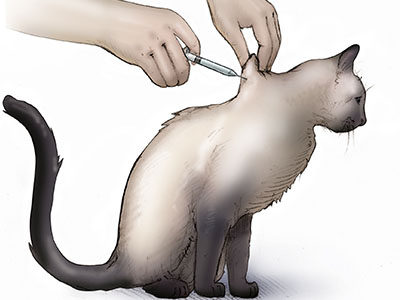
Most diabetic cats need insulin shots. A vet will prescribe the correct type and dose. Owners learn how to give injections safely at home. Consistency in timing helps maintain steady blood sugar. Never skip or change doses without vet advice. Some cats may also need oral medication.
Monitoring Blood Sugar Levels
Regular blood sugar checks are essential. Use a glucometer designed for pets or vet visits. Tracking patterns helps adjust treatment and diet. Watch for signs like increased thirst or urination. Keep a log of readings to share with your vet. Early detection of issues improves treatment success.
Complications Affecting Lifespan
Diabetes in cats can shorten their lifespan. Complications from the disease often cause serious health problems. These issues affect how long cats live after diagnosis. Understanding these complications helps owners care better for diabetic cats.
Common Health Issues
Diabetic cats often face other health problems. Kidney disease is a frequent complication that reduces life expectancy. High blood sugar can damage nerves, causing weakness or pain. Eye problems, like cataracts or blindness, may develop. Urinary tract infections happen more often in diabetic cats. These conditions add stress and worsen the cat’s health.
Preventing Secondary Problems
Keeping blood sugar stable helps prevent many issues. Regular vet visits allow early detection of complications. Proper diet and insulin management are crucial. Monitoring the cat’s weight and activity supports overall health. Clean water and good hygiene reduce infection risks. Early care improves quality of life and can extend lifespan.
Improving Quality Of Life
Improving the quality of life for a cat with diabetes is essential. Proper care helps your cat feel better and live longer. Simple daily steps can make a big difference in managing the condition.
Regular Vet Checkups
Schedule vet visits often to monitor your cat’s health. The vet checks blood sugar levels and adjusts treatments. Early detection of problems helps avoid serious complications. Keep all appointments and follow the vet’s advice closely.
Exercise And Mental Stimulation
Encourage gentle play and movement every day. Exercise helps control blood sugar and keeps your cat active. Provide toys and puzzles to keep your cat’s mind sharp. Mental stimulation reduces boredom and stress, improving overall health.
Stress Reduction Techniques
Create a calm and safe space for your cat. Avoid loud noises and sudden changes in the environment. Use soft bedding and quiet corners for rest and relaxation. A stress-free cat manages diabetes better and feels happier.
Real-life Stories
Real-life stories show how cats live with diabetes every day. These stories give hope and useful tips. Many cats live longer than expected with the right care. Owners share their experiences and lessons learned. This helps others understand what to expect and how to help their pets.
Long-lived Diabetic Cats
Some cats live many years with diabetes. They often get regular insulin shots and special diets. One cat lived over 10 years after diagnosis. Another thrived for 8 years with careful blood sugar checks. These cats had owners who stayed patient and consistent. Their stories prove that diabetes is manageable for cats.
Lessons From Owners
Owners say patience is key. They learned to watch for subtle signs of low or high sugar. Many use home glucose testing to avoid emergencies. Feeding schedules and medication timing matter a lot. Consistent vet visits helped catch problems early. Owners also stress giving cats plenty of love and attention. These tips can improve a diabetic cat’s life quality.
Credit: www.vet.cornell.edu
Frequently Asked Questions
How Long Do Cats With Diabetes Usually Live?
Cats with well-managed diabetes can live 5 to 10 years or more after diagnosis.
What Factors Affect A Diabetic Cat’s Lifespan?
Diet, insulin treatment, regular vet visits, and early diagnosis impact lifespan greatly.
Can Diet Improve A Diabetic Cat’s Life Expectancy?
Yes, a high-protein, low-carbohydrate diet helps control blood sugar and extends life.
How Important Is Insulin For Diabetic Cats?
Insulin is crucial for managing diabetes and helps prevent serious health problems.
What Signs Show A Diabetic Cat Is Living Well?
Stable weight, normal appetite, good energy, and regular vet check-ups are positive signs.
Can Untreated Diabetes Shorten A Cat’s Life?
Yes, untreated diabetes often leads to severe complications and a much shorter lifespan.
Conclusion
Cats with diabetes can live many happy years with care. Daily insulin shots and a proper diet make a big difference. Regular vet visits help catch problems early. Watching your cat’s behavior and eating habits is key. Managing diabetes is a team effort between you and your vet.
Patience and love will support your cat’s health. A healthy lifestyle helps your cat enjoy life fully. Keep hope and focus on small steps every day. Life with a diabetic cat is possible and rewarding.
As an Amazon Associate, I earn from qualifying purchases.