If your dog has been diagnosed with cancer, you’re probably feeling overwhelmed and full of questions. One of the biggest concerns on your mind is likely: how long can your dog survive with cancer?
Knowing what to expect can help you prepare emotionally and make the best decisions for your furry friend. This article will guide you through the factors that affect your dog’s survival time and what signs to watch for. Keep reading to learn how you can give your dog the best quality of life possible during this difficult time.
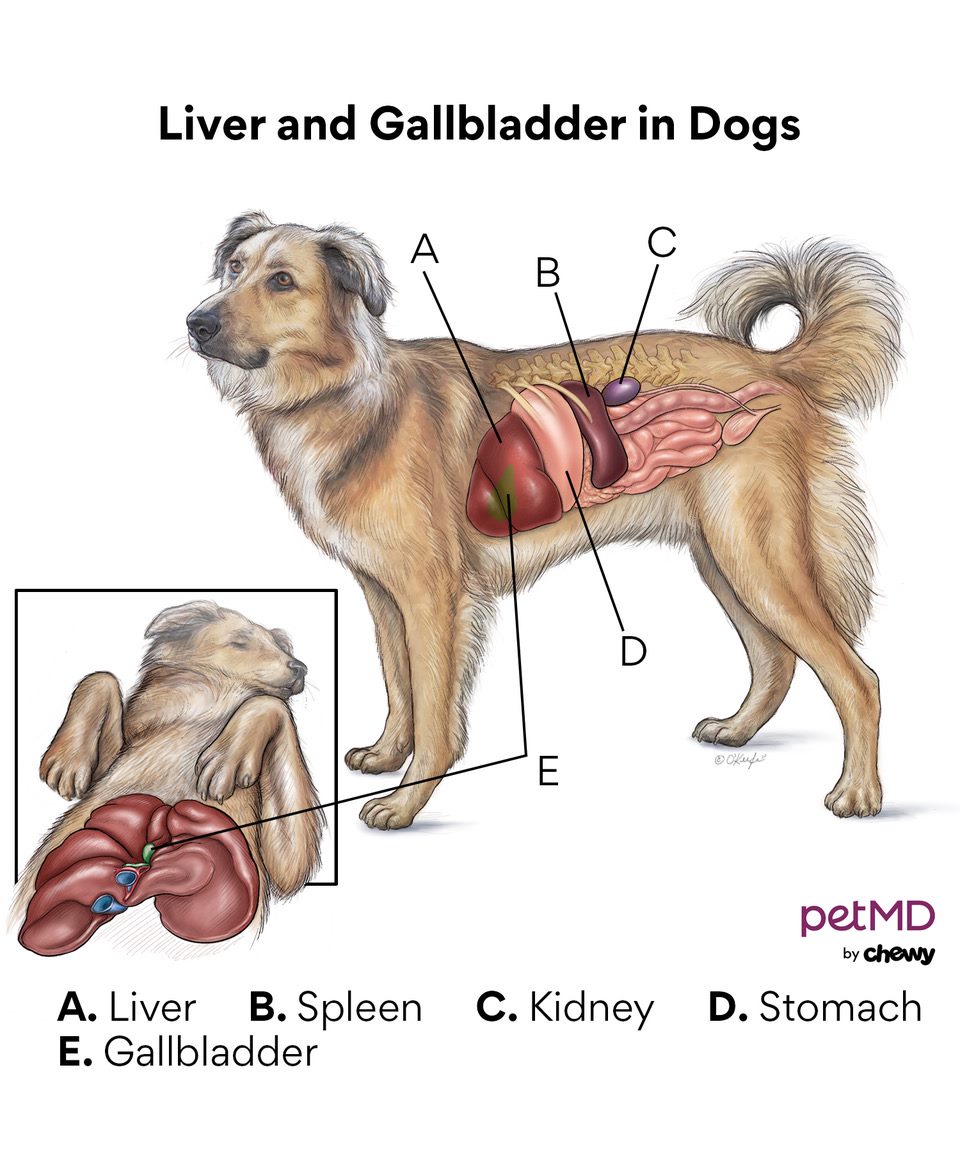
Credit: www.petmd.com
Factors Affecting Canine Cancer Survival
Many factors influence how long a dog can live with cancer. Understanding these can help pet owners make better decisions. Each dog’s case is unique. Survival depends on several key elements.
Type And Stage Of Cancer
Different cancers grow at different rates. Some cancers respond well to treatment. Others spread quickly and are harder to control. Early-stage cancers usually have better outcomes. Late-stage cancers often mean shorter survival times.
Dog’s Age And Overall Health
Young dogs with strong health handle cancer treatment better. Older dogs or those with other illnesses may face more challenges. Good overall health can improve recovery chances. Weak or sick dogs may struggle with treatment side effects.
Treatment Options Available
Treatments include surgery, chemotherapy, and radiation. Some dogs respond well to one or more treatments. Access to advanced care can extend survival. Limited treatment options may reduce the time a dog lives with cancer.

Credit: www.vetreferralcenter.com
Common Types Of Cancer In Dogs
Cancer in dogs can take many forms. Each type affects dogs differently. Understanding common types helps owners recognize signs early. Early detection can improve treatment options and survival times. Here are some common cancers seen in dogs.
Lymphoma
Lymphoma is a cancer of the lymphatic system. It often appears as swollen lymph nodes. Dogs with lymphoma may lose weight or feel tired. This cancer can spread quickly but responds well to chemotherapy.
Osteosarcoma
Osteosarcoma is a bone cancer common in large breeds. It causes pain and swelling in the affected limb. This cancer grows fast and often spreads to the lungs. Surgery and chemotherapy are common treatments.
Mast Cell Tumors
Mast cell tumors affect the skin and tissues. They can look like lumps or bumps on the skin. Some tumors grow slowly, others spread quickly. Surgery is usually needed to remove these tumors.
Hemangiosarcoma
Hemangiosarcoma is a cancer of blood vessel cells. It often affects the spleen, heart, or skin. This cancer can cause sudden internal bleeding. Treatment includes surgery and chemotherapy, but prognosis is often poor.
Symptoms Indicating Cancer Progression
Noticing signs of cancer progression in your dog is crucial. These signs help understand how the illness is affecting your pet. Early detection of changes can improve care and comfort. Watching closely for symptoms helps you act promptly.
Physical Changes To Watch For
Look for lumps or bumps that grow quickly. Notice unusual swelling in any body part. Weight loss without changes in diet is a warning. Check for wounds that do not heal well. Changes in your dog’s coat, like hair loss or dullness, also matter. Difficulty breathing or persistent coughing can signal issues. Pay attention to any bleeding or discharge from body openings.
Behavioral Signs
Your dog may act differently when cancer spreads. Watch for increased tiredness or unwillingness to play. Loss of appetite is a common sign. Restlessness or discomfort, especially at night, needs attention. Changes in bathroom habits can also indicate problems. Look for signs of pain, like whimpering or limping. Avoidance of social interaction may occur.
When To Seek Veterinary Care
Contact your vet if you notice rapid physical changes. Sudden weight loss or severe pain requires urgent help. Persistent vomiting or diarrhea calls for medical attention. If your dog stops eating or drinking, act quickly. Breathing difficulties or severe coughing need immediate care. Early veterinary intervention can improve quality of life. Regular check-ups help track cancer progression effectively.
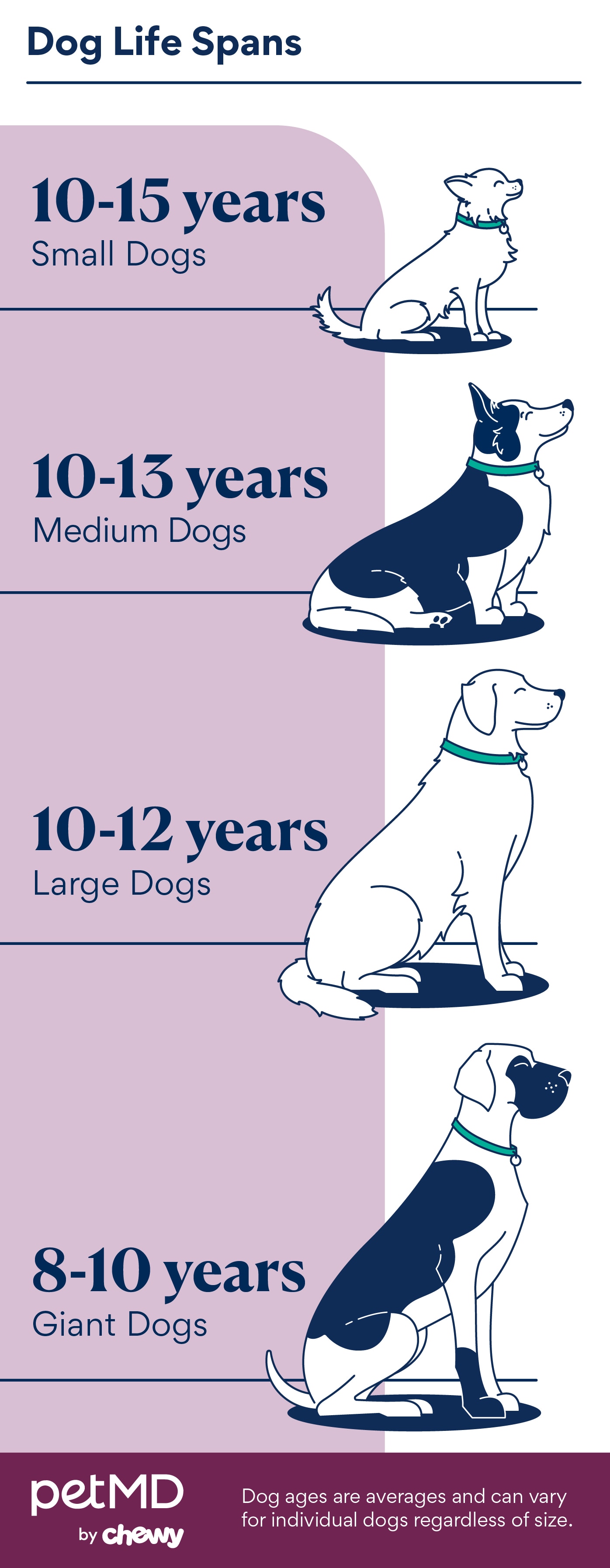
Credit: www.petmd.com
Treatment Approaches And Their Impact
Treating cancer in dogs involves several approaches. Each method aims to extend life and improve comfort. The choice depends on the type and stage of cancer. Treatment can also affect how long a dog survives. Understanding these options helps pet owners make informed decisions.
Surgery
Surgery removes tumors from the dog’s body. It works best when cancer is localized. Early detection often makes surgery possible. Surgery can lead to long survival if the cancer is fully removed. Recovery time varies but is usually short.
Chemotherapy
Chemotherapy uses drugs to kill cancer cells. It targets cancer that has spread in the body. Side effects can include nausea and tiredness. Many dogs tolerate chemotherapy well with proper care. It can slow cancer growth and extend life.
Radiation Therapy
Radiation therapy uses high-energy rays to destroy cancer cells. It is effective for tumors that cannot be removed by surgery. Treatment is usually given in several sessions. Dogs may feel tired during therapy but often recover quickly. Radiation can reduce tumor size and relieve pain.
Palliative Care
Palliative care focuses on comfort rather than cure. It manages pain and other symptoms caused by cancer. This approach improves quality of life in late stages. It includes medication, diet changes, and gentle exercise. Palliative care helps dogs live peacefully with cancer.
Quality Of Life Considerations
Facing a dog’s cancer diagnosis raises many questions about their quality of life. Survival time is important, but how your dog feels each day matters more. Comfort, happiness, and care shape their remaining days. Focus on making every moment peaceful and pain-free.
Pain Management
Managing pain helps dogs stay comfortable and active. Regular check-ups catch pain signs early. Vets prescribe medicines to reduce pain safely. Watch for changes in behavior or appetite. Adjust treatments to keep pain under control. A calm dog enjoys life more.
Nutrition And Exercise
Good nutrition supports strength and healing. Feed high-quality food that suits your dog’s needs. Smaller, frequent meals can improve appetite. Gentle exercise keeps muscles strong and joints flexible. Short walks and light play boost mood. Balance rest with activity for best results.
Emotional Support For Dogs And Owners
Cancer affects dogs and their owners deeply. Dogs need love, attention, and calm environments. Spend quiet time together to ease anxiety. Owners benefit from sharing feelings with friends or vets. Emotional support helps both cope better. Strong bonds improve quality of life for all.
Prognosis And Survival Timeframes
Understanding the prognosis and survival timeframes for dogs with cancer helps pet owners prepare and care better. Each type of cancer affects dogs differently. Survival time depends on many things like cancer type, stage, and treatment. Some dogs live months, others years.
Average Survival Rates By Cancer Type
Survival rates vary widely by cancer type. Lymphoma dogs often live six months to two years with treatment. Osteosarcoma usually has a shorter survival, around four to six months. Mast cell tumors can be treated effectively, giving dogs one to three years. Hemangiosarcoma has a poor outlook, often just a few months. Early diagnosis improves these averages.
Case Studies And Real-life Examples
A golden retriever with lymphoma lived 18 months after chemo. A beagle with mast cell tumor survived two years post-surgery. A boxer with osteosarcoma lived seven months with amputation and chemo. Cases show survival time can change with treatment and care. Each dog’s journey is unique.
Factors Leading To Extended Survival
Early detection helps catch cancer before it spreads. Quality treatment like surgery, chemo, or radiation extends life. Healthy diet and regular exercise support the dog’s strength. Regular vet visits catch problems early. Emotional support and stress reduction also improve well-being. These factors add months or years to survival.
Preparing For End-of-life Decisions
Preparing for end-of-life decisions is a difficult part of caring for a dog with cancer. It means thinking about your pet’s comfort and quality of life. It also means making choices that respect your dog’s needs and your feelings. Being ready helps you provide the best care in your dog’s final days.
Recognizing When It’s Time
Watch for signs that your dog is suffering. Loss of appetite, trouble breathing, or constant pain are key signals. Your dog may stop enjoying walks or playing. Talk to your vet about changes in behavior or health. They can help you decide if it’s time to ease your dog’s pain.
Options For Hospice Care
Hospice care focuses on comfort, not cure. It includes pain relief and gentle care at home or a special facility. Hospice teams help manage symptoms and support your dog’s well-being. This care can make the last days peaceful and loving. It allows your dog to stay in a familiar place surrounded by family.
Supporting Grieving Owners
Losing a dog is deeply painful. It’s normal to feel sadness, guilt, or confusion. Talk about your feelings with friends or support groups. Take time to remember your dog with photos or stories. Caring for yourself helps you heal. Let others help you through this tough time.
Frequently Asked Questions
How Long Can Dogs Live With Cancer Diagnosis?
Survival varies widely. Some dogs live months, others years, depending on cancer type and treatment.
What Factors Affect A Dog’s Cancer Survival Time?
Age, cancer type, stage, overall health, and treatment options influence survival time significantly.
Can Treatment Extend A Dog’s Life With Cancer?
Yes. Treatments like surgery, chemotherapy, or radiation can help increase lifespan and quality of life.
How To Know If A Dog’s Cancer Is Advanced?
Signs include weight loss, weakness, loss of appetite, and difficulty breathing or moving.
Does Early Detection Improve Dog Cancer Survival Rates?
Early diagnosis usually leads to better treatment success and longer survival times for dogs.
What Quality Of Life Can A Dog Expect With Cancer?
Many dogs maintain good quality of life with proper care and pain management during treatment.
Conclusion
Dogs with cancer can live for months or even years. It depends on the type and stage of cancer. Treatments can help slow cancer and ease pain. Quality of life matters most for your pet. Watch your dog closely and talk to your vet.
Early care and love can make a big difference. Every dog is unique, so keep hope alive. Cherish the time you have together.
As an Amazon Associate, I earn from qualifying purchases.