If your dog has been diagnosed with cancer, you’re probably wondering how much time you have left together. It’s a question filled with worry and hope, and it’s natural to want clear answers.
While every dog and every case is different, understanding the factors that affect your dog’s life expectancy can help you make informed decisions. You’ll discover what influences how long a dog with cancer can live—and what you can do to give your furry friend the best quality of life possible.
Keep reading to find out what to expect and how to prepare for the journey ahead.

Credit: www.vetreferralcenter.com
Factors Influencing Dog Cancer Lifespan
Several factors affect how long a dog with cancer can live. Each dog’s situation is unique. Understanding these factors helps set realistic expectations. It also guides treatment choices and care plans.
Some factors relate to the cancer itself. Others depend on the dog’s body and overall health. Together, these details influence the dog’s cancer lifespan.
Type Of Cancer
Different cancers grow at different speeds. Some are slow and less aggressive. Others spread quickly and harm the body fast. The type of cancer affects treatment options too. Certain cancers respond well to therapy, improving lifespan. Others are harder to treat, shortening life expectancy.
Stage At Diagnosis
Early detection often leads to longer survival. Cancer caught in the first stage is usually smaller. It may not have spread to other parts. Late-stage cancer means the disease is advanced and widespread. Treatment becomes more difficult in late stages. The stage at diagnosis is critical in lifespan prediction.
Dog’s Age And Breed
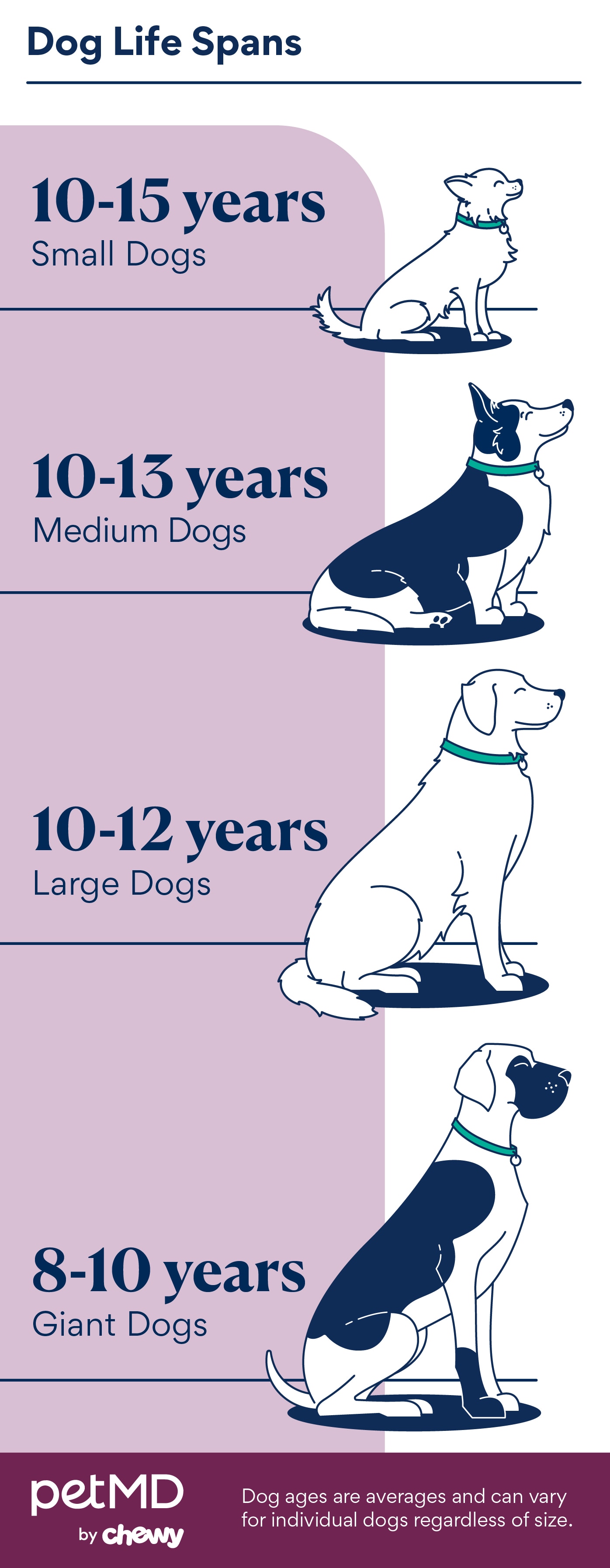
Older dogs often have weaker immune systems. They may not tolerate treatments well. Younger dogs generally handle therapy better. Some breeds have higher cancer risks. Breed size and genetics also play roles. These factors can influence how long a dog lives with cancer.
Overall Health Condition
A healthy dog can fight cancer more effectively. Dogs with other illnesses may have shorter lifespans. Nutrition, weight, and fitness affect recovery. Strong dogs often respond better to treatment. Monitoring health closely helps manage cancer care.
Credit: www.petmd.com
Common Cancer Types In Dogs
Cancer is one of the most common health problems in dogs. Different types affect dogs in different ways. Knowing the common cancer types helps owners understand the condition better. Early detection can improve the dog’s quality of life and treatment options.
Lymphoma
Lymphoma is a cancer of the lymph nodes. It grows quickly and can spread to other organs. Many dogs respond well to chemotherapy. Survival time varies but can be months to years with treatment.
Mast Cell Tumors
Mast cell tumors appear on the skin or under it. They can be slow or fast growing. Surgery often removes the tumor. Sometimes, additional treatments are needed to control the disease.
Osteosarcoma
Osteosarcoma is a bone cancer. It is very painful and grows fast. Amputation of the affected limb is common. Chemotherapy may extend the dog’s life by several months.
Hemangiosarcoma
Hemangiosarcoma starts in blood vessels. It often affects the spleen or heart. This cancer can cause sudden bleeding. Treatment is difficult, and survival time is usually short.
Treatment Options And Their Impact
Treating cancer in dogs can extend their life and improve comfort. Different treatments suit different types of cancer and stages. Each option has its own benefits and risks. Choosing the right treatment depends on the dog’s health and cancer type.
Understanding these treatments helps pet owners make better decisions. Here are common options and how they affect a dog’s life.
Surgery
Surgery removes cancer tumors from the dog’s body. It works best for localized cancers that have not spread. Surgery can offer a chance for a cure or longer survival. Recovery time varies but dogs often feel better after healing.
Chemotherapy
Chemotherapy uses drugs to kill cancer cells or stop their growth. It can treat cancers that spread or cannot be removed by surgery. Side effects might include tiredness or loss of appetite. Many dogs tolerate chemo well and keep a good quality of life.
Radiation Therapy
Radiation therapy targets cancer cells with high-energy rays. It can shrink tumors and reduce pain. This treatment works well for certain cancers and areas hard to operate on. Dogs usually need several sessions but often recover quickly.
Palliative Care
Palliative care focuses on comfort and quality of life. It helps manage pain and other symptoms without curing cancer. This option suits dogs with advanced cancer or poor health. Palliative care can include medication, special diets, and gentle exercise.
Credit: www.petmd.com
Signs Of Progression And Prognosis
Understanding the signs of cancer progression in dogs helps pet owners prepare for what lies ahead. Watching these signs closely guides decisions about care and treatment. Prognosis depends on many factors, including the type of cancer and how fast it grows.
Symptoms To Monitor
Look for changes in your dog’s behavior and body. Loss of appetite and weight are common signs. Notice if your dog is more tired or less active. Swelling or lumps that grow quickly need attention. Difficulty breathing, coughing, or bleeding also signal problems. Keep a daily record to share with your vet.
Quality Of Life Considerations
Focus on your dog’s comfort and happiness. Pain, difficulty moving, or trouble eating lower life quality. Playtime and affection still matter a lot. Adjust routines to match your dog’s energy level. Your vet can help with pain relief options. Good quality of life means your dog enjoys each day.
Predicting Survival Time
Survival time varies widely based on cancer type and stage. Some dogs live months, others may survive years. Treatment choices impact life expectancy but not always cure. Your vet provides estimates based on tests and experience. Regular check-ups help track cancer progress. Accepting uncertainty helps manage expectations and care plans.
Supporting A Dog With Cancer
Supporting a dog with cancer is a delicate and important task. It helps improve their comfort and quality of life. Small changes can make a big difference. Careful attention and love are essential during this time.
Nutrition And Diet
Good nutrition helps a dog stay strong. Choose foods that are easy to digest. High-quality protein supports muscle health. Some dogs need special diets tailored by a vet. Avoid feeding human snacks or unhealthy treats.
Pain Management
Managing pain keeps your dog comfortable. Watch for signs like limping or restlessness. Your vet can prescribe safe pain relief. Never give human medicine without advice. Regular pain checks help adjust treatment as needed.
Emotional Support
Dogs feel stress and fear too. Spend quiet time together every day. Gentle petting and calm voices soothe anxiety. Keep a normal routine to reduce stress. Offer favorite toys and soft bedding.
Regular Veterinary Checkups
Frequent vet visits track your dog’s condition. Early detection of problems helps treatment work better. Vets can adjust medicines and suggest therapies. Keep all appointments and follow advice closely. Health monitoring is key to longer, happier days.
Frequently Asked Questions
How Long Can Dogs Live After A Cancer Diagnosis?
Dog survival time varies by cancer type, stage, and treatment. Some live months; others may live years.
What Factors Affect A Dog’s Cancer Survival Time?
Cancer type, location, treatment, dog’s age, and overall health all influence survival time.
Can Treatment Extend A Dog’s Life With Cancer?
Yes, treatments like surgery, chemotherapy, and radiation can help dogs live longer and feel better.
How Does Cancer Stage Impact A Dog’s Lifespan?
Early-stage cancers often allow longer survival than late-stage or metastatic cancers.
What Signs Show A Dog’s Cancer Is Progressing?
Loss of appetite, weight loss, lethargy, and pain can signal advancing cancer.
Should I Consider Quality Of Life When Treating Dog Cancer?
Yes, balancing treatment benefits and comfort is vital for your dog’s wellbeing.
Conclusion
Dogs with cancer can live weeks, months, or sometimes years. Each case is unique and depends on many factors. Treatments may help extend life and improve comfort. Early diagnosis and care matter a lot. Keep close contact with your vet for guidance.
Focus on your dog’s happiness and quality of life. Cherish every moment you have together. Love and support make a big difference during tough times.
As an Amazon Associate, I earn from qualifying purchases.