Have you ever wondered, “How long can I leave my cat alone?” Whether you’re planning a short trip or a longer getaway, knowing the answer is crucial for your cat’s well-being.
Your furry friend depends on you for food, comfort, and companionship. Leaving them alone for too long can lead to stress, health issues, or even dangerous situations. You’ll discover exactly how much time is safe, what you need to prepare, and tips to keep your cat happy while you’re away.
Keep reading to make sure your cat stays safe and content, no matter how long you’re gone.
Cat’s Basic Needs
Cats have simple but important needs. Meeting these needs helps them stay healthy and happy. When you leave a cat alone, these needs must be met. Food, water, a clean litter box, and a comfortable space are key. Understanding these basics helps you plan how long your cat can be alone.
Food And Water Requirements
Cats need fresh food and water every day. Dry food can last longer but must be fresh. Wet food spoils quickly and needs daily replacement. Water should always be clean and full. Some cats drink little, so check water often. Automatic feeders and water fountains help keep supplies fresh.
Litter Box Maintenance
Cats use the litter box several times a day. A dirty box makes cats avoid it or get stressed. Scoop waste daily to keep it clean. If left alone for days, the litter box must be cleaned more often. Provide enough boxes if you have more than one cat. Clean boxes help prevent accidents and bad smells.
Comfort And Environment
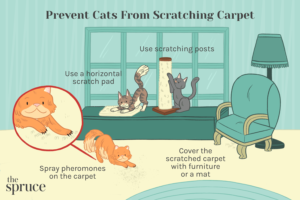
Cats need a quiet, safe place to rest. Soft beds or blankets give comfort. They like warm spots near windows or heaters. Toys and scratching posts keep them active and happy. Avoid loud noises and sudden changes. A calm environment reduces stress when alone.
Safe Alone Time Limits
Knowing how long you can safely leave a cat alone helps keep them happy and healthy. Cats are independent but still need care and attention. Their needs change based on their age, health, and personality. Understanding safe alone time limits prevents stress and health issues.
Short Absences
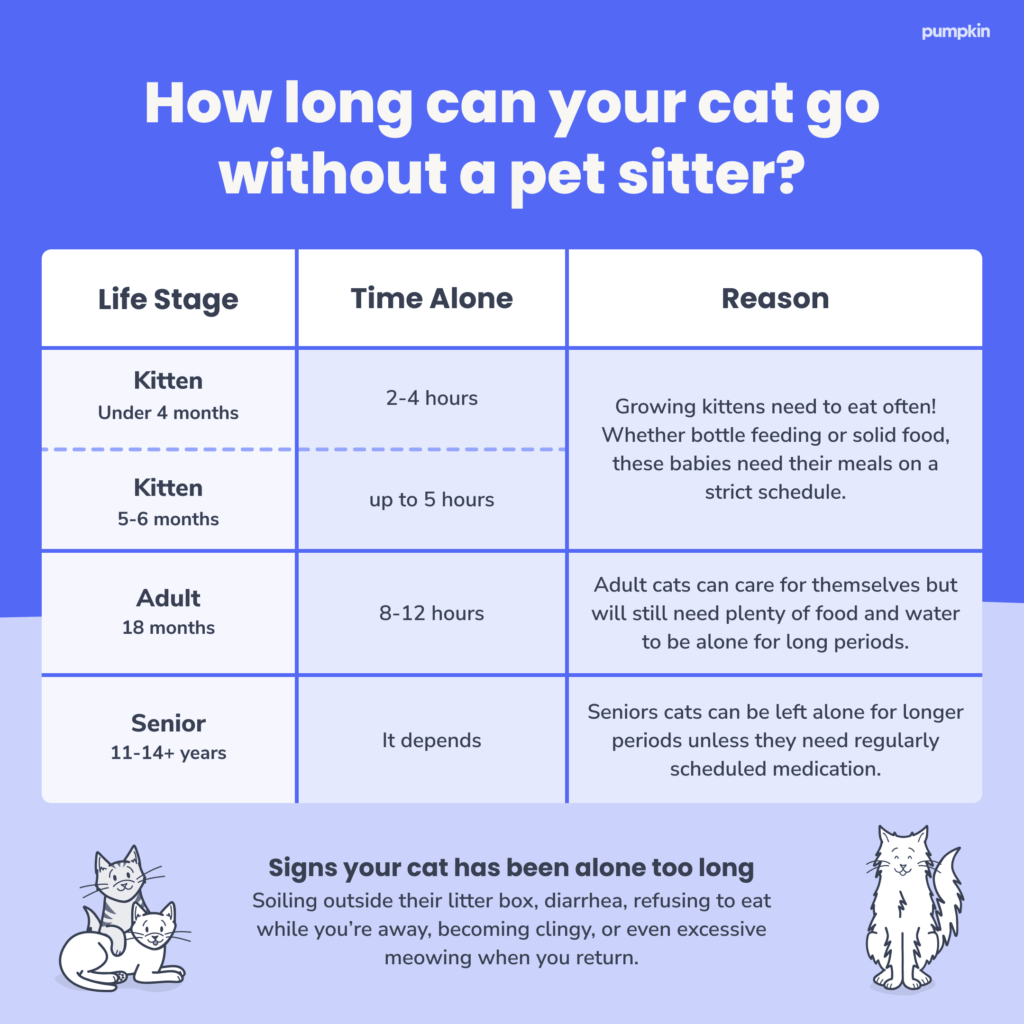
Short absences mean leaving your cat alone for a few hours. Most cats handle this well. Make sure they have food, water, and a clean litter box. Leave toys to keep them busy. Check the room temperature is comfortable. This time is safe for adult cats.
Overnight Stays
Overnight stays mean leaving your cat alone for about 12 hours. This is okay for most healthy adult cats. Provide enough food and water. Clean the litter box before you leave. Some cats may feel lonely, so a quiet, safe space helps. Avoid this if your cat is very young or sick.
Extended Periods
Extended periods mean leaving a cat alone for more than 24 hours. This is risky without help. Cats need daily care, food, and litter cleaning. Ask a friend or pet sitter to check on them. Older or sick cats need more attention. Leaving a cat alone too long can cause health problems and stress.
Age And Health Factors
Age and health greatly affect how long you can leave a cat alone. Cats need different care depending on their life stage and health status. Understanding these factors helps keep your cat safe and happy.
Kittens’ Needs
Kittens require the most attention. They eat small meals often and need help with bathroom habits. Leaving a kitten alone for more than a few hours is risky. They can get scared or hurt easily. Playtime and social interaction are also important for their growth.
Senior Cats
Older cats may have less energy but need regular care. They can develop arthritis or other age-related issues. Long periods alone might cause stress or worsen health problems. Check on them frequently and keep their environment calm and comfortable.
Health Considerations
Any cat with health problems needs special care. Cats with diabetes, kidney disease, or heart issues cannot be left alone long. They might need medicine or special diets. Watch for signs of discomfort or illness. A sick cat needs more frequent attention to stay well.
Credit: www.brookhavenanimalhosp.com
Preparing Your Cat Before Leaving
Preparing your cat before leaving is important for their comfort and safety. Cats notice changes in their routine quickly. Small steps can help them feel calm and secure. Planning ahead makes your absence less stressful for both of you.
Feeding Schedule Adjustments
Keep your cat’s feeding times close to normal. Gradually adjust meal times if your schedule changes. Provide enough food for the time you will be away. Use automatic feeders for consistent feeding. Avoid sudden changes to prevent stress or hunger.
Setting Up Play And Rest Areas
Create safe, quiet spots for your cat to rest. Add cozy beds or blankets in favorite places. Leave toys nearby for comfort and entertainment. Ensure easy access to water and litter boxes. A familiar environment helps reduce anxiety during your absence.
Providing Entertainment
Place interactive toys around the room. Puzzle feeders keep your cat busy and mentally active. Leave a window view open for outside watching. Background sounds like soft music can soothe your cat. Boredom can cause stress, so keep your cat engaged.
Monitoring While Away
Leaving a cat alone can be stressful for both you and your pet. Monitoring your cat while you are away helps reduce worry. It also ensures your cat stays safe and comfortable. There are several ways to keep an eye on your furry friend remotely. Technology and help from others can make a big difference.
Using Cameras And Apps
Cameras let you watch your cat in real time. Many cameras connect to apps on your phone. You can see your cat anytime, anywhere. Some devices even let you talk to your cat. This can calm them if they seem anxious. Cameras also help spot any problems early. Choose a camera with good video quality and easy controls.
Enlisting Help From Friends
Friends can check on your cat during your absence. They can feed, play, and clean the litter box. A familiar face can comfort your cat a lot. Make sure your friend knows your cat’s habits well. Give clear instructions about feeding and care. Regular visits keep your cat happy and healthy.
Hiring Pet Sitters
Pet sitters offer professional care for your cat. They visit your home or stay overnight. Sitters can provide more detailed attention. This includes medication, grooming, and playtime. Find a sitter with good reviews and experience. A sitter can notice health issues early. This option suits longer trips or shy cats.
Signs Of Stress Or Distress
Cats can feel stressed or upset when left alone too long. Recognizing signs of distress helps you care for your pet better. These signs show your cat is not comfortable or happy. Watching closely can prevent problems and keep your cat healthy.
Behavioral Changes
Stress often changes how cats act. A calm cat might become restless or hide more. Some cats meow loudly or scratch furniture. Loss of appetite or refusal to use the litter box can happen. These changes show your cat needs attention or comfort.
Physical Symptoms
Stress may also affect a cat’s body. You might see excessive grooming or hair loss. Some cats vomit or have diarrhea. Rapid breathing or shaking can occur during anxiety. These signs need quick care to avoid illness.
How To Respond
Notice signs early and act quickly. Spend time playing or petting your cat. Provide fresh water, food, and a clean litter box. Create a quiet, safe space for your cat to relax. If signs continue, visit a vet for advice.
Travel Tips For Cat Owners
Traveling with a cat requires careful planning to keep your pet safe and calm. Cats are sensitive to change and new places. They need comfort and familiar items to feel secure. Preparing well makes travel smoother for both you and your cat.
Packing Essentials
Bring your cat’s favorite blanket or toy. These items offer comfort during travel. Pack enough food and water for the trip. Include a portable litter box for long journeys. Don’t forget any medication your cat needs. A sturdy carrier with good ventilation is a must.
Safe Transportation
Use a secure carrier that fits your cat well. The carrier should be easy to carry and close securely. Avoid letting your cat roam free in the car. Keep the carrier on the floor or seat with a seatbelt. Speak softly to your cat to reduce stress. Stop regularly to check on your pet during long drives.
Adjusting To New Environments
Set up a quiet space for your cat immediately after arrival. Place their food, water, and litter box nearby. Give your cat time to explore slowly. Keep them indoors at first to prevent escape. Maintain regular feeding and play routines. Patience helps your cat feel safe and settle in.
Credit: us.feliway.com
Credit: www.pumpkin.care
Frequently Asked Questions
How Long Can A Cat Stay Alone Safely?
Most cats can stay alone for 24 to 48 hours with food and water.
What Should I Prepare Before Leaving My Cat Alone?
Provide fresh water, enough food, and a clean litter box before leaving.
Can Cats Get Lonely If Left Alone Too Long?
Yes, cats can feel lonely and stressed if left alone for days.
How Often Should Someone Check On My Cat?
Ideally, a person should check on your cat at least once a day.
What Are Signs My Cat Is Stressed Alone?
Look for excessive meowing, scratching, or changes in eating habits.
Is It Safe To Leave Kittens Alone?
No, kittens need more care and should not be left alone for long.
Conclusion
Cats need care and attention to stay happy and healthy. Leaving them alone for too long can cause stress or health issues. Short trips are usually fine, but longer absences need planning. Arrange food, water, and a safe space before you leave.
Ask a friend or pet sitter for help if needed. Remember, your cat depends on you for comfort and safety. Taking small steps ensures your cat feels loved, even when you are away. Keep your cat’s needs in mind every time you plan to leave.
As an Amazon Associate, I earn from qualifying purchases.