Have you ever wondered how long you can leave your cat alone without worrying? Whether you’re heading out for a few hours or planning a longer trip, knowing the right amount of time is crucial for your cat’s health and happiness.
Leaving your furry friend alone too long can lead to stress, accidents, or even health issues. But don’t worry—this article will guide you through everything you need to know to keep your cat safe, comfortable, and content while you’re away.
Keep reading to discover simple tips and expert advice that will give you peace of mind every time you step out the door.
Ideal Alone Time For Cats
Cats enjoy their alone time, but too long can cause stress. Knowing the ideal alone time helps keep your cat happy and healthy. Cats need a balance of independence and attention every day. This balance depends on many factors. Understanding these helps you care for your cat better.
Factors Affecting Cat’s Alone Time
Cats are different. Some like being alone more than others. Their environment plays a big role. A quiet, safe home allows longer alone times. Access to food, water, and a clean litter box is key. Boredom or lack of toys can make alone time hard. Cats need mental and physical stimulation to feel well.
Age And Health Considerations
Kittens need more care and cannot be left alone long. They need feeding and play often. Older cats might need more attention too. Health problems can make alone time stressful. Sick cats need monitoring and medicine on time. Adjust alone time based on your cat’s health and age.
Breed And Personality Impact
Some cat breeds are more social than others. Siamese and Ragdolls often want company. Independent breeds like the British Shorthair handle alone time well. Personality also matters. Shy or anxious cats may need more comfort. Playful cats need more interaction daily. Know your cat’s nature to set the right alone time.
Preparing Your Cat For Alone Time
Preparing your cat for alone time helps keep them calm and safe. Cats feel more relaxed when their environment is familiar and secure. Small steps can make a big difference. This preparation reduces stress and keeps your cat happy while you are away.
Creating A Safe Space
Choose a quiet room where your cat feels comfortable. Remove any sharp or dangerous objects. Add soft bedding and a favorite blanket. Make sure the space has good ventilation and natural light. A safe space helps your cat feel calm and protected.
Food And Water Arrangements
Provide enough fresh water for the entire time you are gone. Use a heavy bowl to avoid spills. Prepare food in advance or use an automatic feeder. Check that your cat knows how to use the feeder. Proper food and water keep your cat healthy and happy.
Litter Box Setup
Place the litter box in a quiet, accessible area. Use clean litter and scoop the box before leaving. Make sure the box is large enough for your cat. Consider adding a second box for longer absences. A clean litter box prevents stress and helps your cat stay comfortable.
Entertainment And Comfort
Keeping your cat entertained and comfortable is key when you leave them alone. Cats need activities and cozy spots to feel happy. Boredom can lead to stress or bad behavior. Creating a fun and comfy space helps your cat stay calm and relaxed.
Toys And Activities
Toys keep cats busy and active. Balls, feather wands, and puzzle feeders stimulate their minds. Rotate toys often to keep interest high. Cats enjoy toys they can chase or bat around. Interactive toys can mimic hunting and play instincts.
Comfort Items And Bedding
Soft bedding gives cats a warm, safe place to rest. Use blankets or cushions in quiet spots. Familiar smells from home or you can calm your cat. Some cats like heated beds for extra comfort. A good bed helps your cat relax while alone.
Environmental Enrichment
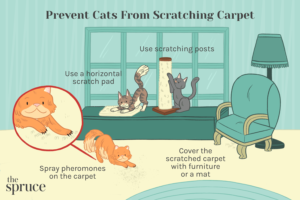
Environmental enrichment means adding things to your cat’s space. Cat trees and shelves provide climbing and resting spots. Windows with bird views offer natural entertainment. Scratching posts protect furniture and let cats stretch. A rich environment keeps cats happy and healthy.
Credit: www.feliway.co.uk
Signs Your Cat Needs Attention
Cats can’t tell you when they need help. They show it through their actions and health. Watch your cat closely for any signs that it needs attention. Understanding these signs helps keep your cat safe and happy.
Behavioral Changes
A change in behavior often means your cat needs help. If your cat suddenly hides more than usual, it may feel unwell or scared. Less play or less eating can show something is wrong. Aggression or unusual meowing also signals a problem. These changes should never be ignored.
Health Warning Signs
Look for signs like vomiting, diarrhea, or trouble breathing. Limping or difficulty moving may mean injury or pain. Notice if your cat drinks or urinates more or less than usual. Dull fur or weight loss are important signals too. These signs need quick attention from a vet.
Stress And Anxiety Indicators
Cats feel stress and anxiety like people do. Scratching furniture or urinating outside the litter box shows stress. Excessive grooming or sudden loud meowing also point to anxiety. Your cat might pace or seem restless. These signs mean your cat needs comfort and care.
Alternatives To Leaving Cats Alone
Cats need care and attention, especially when you cannot be home. Leaving them alone for long hours can cause stress and loneliness. Finding good alternatives helps keep your cat happy and safe. These options provide comfort and interaction without you being there all the time.
Pet Sitters And Boarding Options
Pet sitters visit your home to feed and play with your cat. They offer personal care and attention during your absence. Boarding facilities provide a safe place for cats while you are away. These options ensure your cat is not lonely and receives regular care.
Technology For Remote Monitoring
Cameras and smart devices help you watch your cat from afar. You can see and talk to your cat through apps on your phone. Automatic feeders and water dispensers keep your cat’s needs met. Technology gives peace of mind and helps you stay connected.
Arranging Playdates
Playdates with other cats offer social time and fun. They help reduce boredom and keep your cat active. Choose calm and friendly cats to avoid stress. Playdates bring joy and companionship when you cannot be there.

Credit: www.purewow.com
Emergency Preparedness
Preparing for emergencies is key when leaving your cat alone. You must plan for unexpected situations. This helps keep your cat safe and calm. Being ready can reduce stress for both you and your pet.
Keep important information and supplies easy to find. This way, anyone helping your cat can act fast. Safety is the top priority during any emergency.
Contact Information And Instructions
Write down your contact details clearly. Include a trusted neighbor or friend’s number too. Leave instructions on feeding, medication, and habits. This helps helpers care for your cat properly. Make sure the info is visible and easy to read.
Medical Supplies
Keep basic medical items ready. Store bandages, antiseptic wipes, and any medicines your cat needs. Check expiration dates often. Label all supplies clearly. This preparation can help manage minor injuries or illnesses quickly.
Safety Precautions
Secure your home to avoid accidents. Remove harmful plants, chemicals, and small objects your cat could swallow. Close windows and doors to prevent escapes. Check that electrical cords are out of reach. These steps reduce risks while you are away.
Credit: www.brookhavenanimalhosp.com
Frequently Asked Questions
How Long Can I Leave My Cat Alone Safely?
Most cats can stay alone for 24 to 48 hours if they have food, water, and a clean litter box.
What Supplies Does My Cat Need When Alone?
Cats need enough food, fresh water, a clean litter box, and safe toys to keep busy.
Can Cats Get Lonely If Left Alone Too Long?
Yes, cats can feel lonely and bored if left alone more than two days.
Should I Hire A Pet Sitter For Long Absences?
A pet sitter is best for absences longer than 48 hours to check on your cat’s health.
How To Prepare My Cat Before Leaving Home?
Feed your cat, clean the litter box, and leave toys to keep them comfortable and happy.
What Signs Show My Cat Is Stressed When Alone?
Look for excessive meowing, scratching, or hiding; these can mean your cat is stressed or anxious.
Conclusion
Cats need care and attention to stay happy and healthy. Leaving them alone for too long can cause stress and loneliness. Short trips are okay, but plan for longer times with a pet sitter or friend. Make sure your cat has food, water, and a safe space.
Check on them often to keep them comfortable. Remember, every cat is different and may need extra love when you are away. Taking these steps helps your cat feel safe and loved, even when you are not home.
As an Amazon Associate, I earn from qualifying purchases.